
The flat is on the eleventh floor of a pale tower and it has the standard furniture of a Chinese holiday let — a hard sofa, a television nobody will turn on, a kettle, a rice cooker, and a balcony with two chairs and a rail. The rail is the important part. Below it is a long curve of sand with coconut palms behind, then the 南海, and in the morning the whole thing is silver and in the evening somebody has set fire to the horizon. I was there for eleven days and I do not think I used the television once.
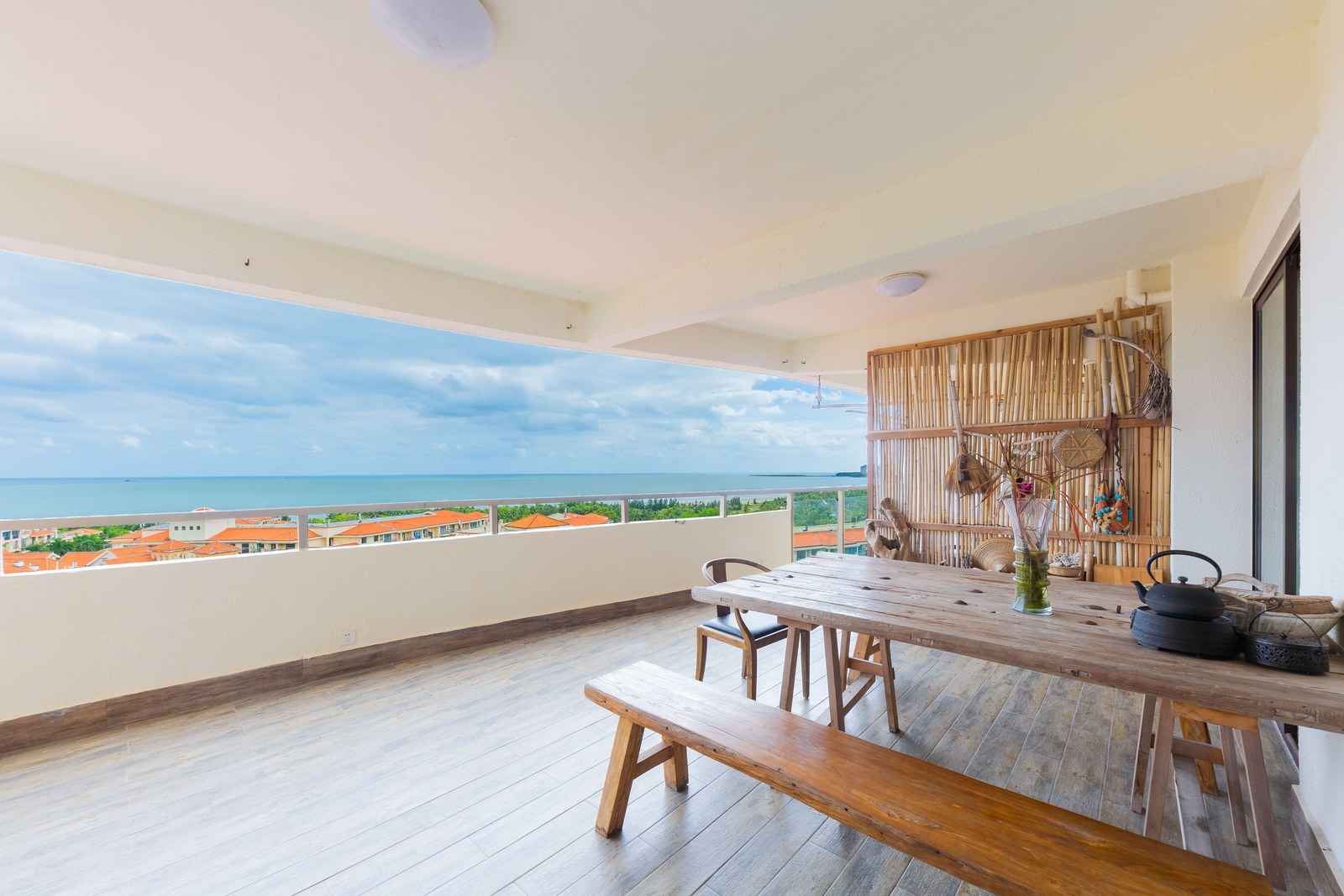
高隆湾 Gāolóngwān is a bay on the east-facing coast of 文昌 Wénchāng, in 海南 Hǎinán, a short drive from 文城 Wénchéng and 清澜 Qīnglán, and it is not a resort in the sense that 三亚 Sānyà is a resort. There is no beach club, no row of branded hotels, no boardwalk with a Starbucks. What there is instead is a very long beach, a row of apartment towers built for people who want to stay a month rather than a weekend, and the particular society of long-stay residents that has grown up around them.
The Winter Colony
Between November and March, Gaolong Bay fills up with 候鸟 hòuniǎo — “migratory birds”, which is the word everyone uses for the retired people who leave the north-east of China for the winter and come back south every year like clockwork. They arrive in October from 东北 Dōngběi, 河北 Héběi, 四川 Sìchuān, and they take the flats by the month. The beach at seven in the morning belongs to them: groups doing tai chi in formation, a dozen men with fishing rods on the rocks at the western end, women walking laps barefoot with their shoes in their hands, somebody’s speaker playing something determinedly upbeat.
It is one of the more charming social scenes in China, because it is entirely self-organised. Nobody is on holiday for a week; everybody is there for the season, and they have the time to learn each other’s names. If you stay a fortnight you will be adopted. Somebody will offer you a fish. Somebody will correct your walking route. There is a group that plays cards on the ground-floor terrace of tower four every afternoon and they will let you join if you can count.
Outside the winter months the bay is very quiet, and in July and August it is hot enough that the beach is at its best at six in the morning and after five in the afternoon, which is when the local families come down.
Living Here Rather Than Staying Here
The reason to take a flat rather than a hotel room is the kitchen, and the reason to have a kitchen is 清澜 Qīnglán. The fishing port fifteen minutes away has a market that starts at an hour no one should be awake at and is still going at nine, and it sells whatever the boats brought: 马鲛鱼 mǎjiāoyú mackerel in the spring, pomfret, prawns, 花蟹 huāxiè swimming crab, and a mountain of shellfish that will cost you about a third of what it costs in the city. You buy a fish, you buy some 青菜 qīngcài and a bag of rice, and you cook it on a two-ring hob while the sea does its thing through the window. That meal, eaten on a plastic chair on a balcony in February, is the best hospitality Gaolong Bay has to offer.
The other advantage of a flat is laundry and a washing machine, which matters more than it sounds when you are swimming twice a day. And a spare room, if you take a two-bedroom, which is why the towers here fill with visiting grandparents and their grandchildren in the school holidays.
Practicalities
Price. A one-bedroom seaview flat rents for roughly ¥1,800–3,000 a month in the shoulder season and ¥4,000–7,000 a month from December to February, when the 候鸟 arrive and the market tightens. Nightly rates, when a landlord will do them, are ¥180–350. Two-bedroom flats are perhaps ¥500–1,000 more per month. Expect a deposit of one month, and expect to pay for electricity separately, which in summer with two air conditioners on is a real number — budget ¥300–600 a month.
Address. 高隆湾 (Gāolóngwān), 文昌 (Wénchāng), east coast of 海南 (Hǎinán) — a few kilometres south-east of 文城 (Wénchéng), the Wenchang town centre, and about fifteen minutes by car from 清澜 (Qīnglán) port. The towers run in a line along the beach road; most are named, and most drivers will know the one you mean if you say 高隆湾 plus the tower number.
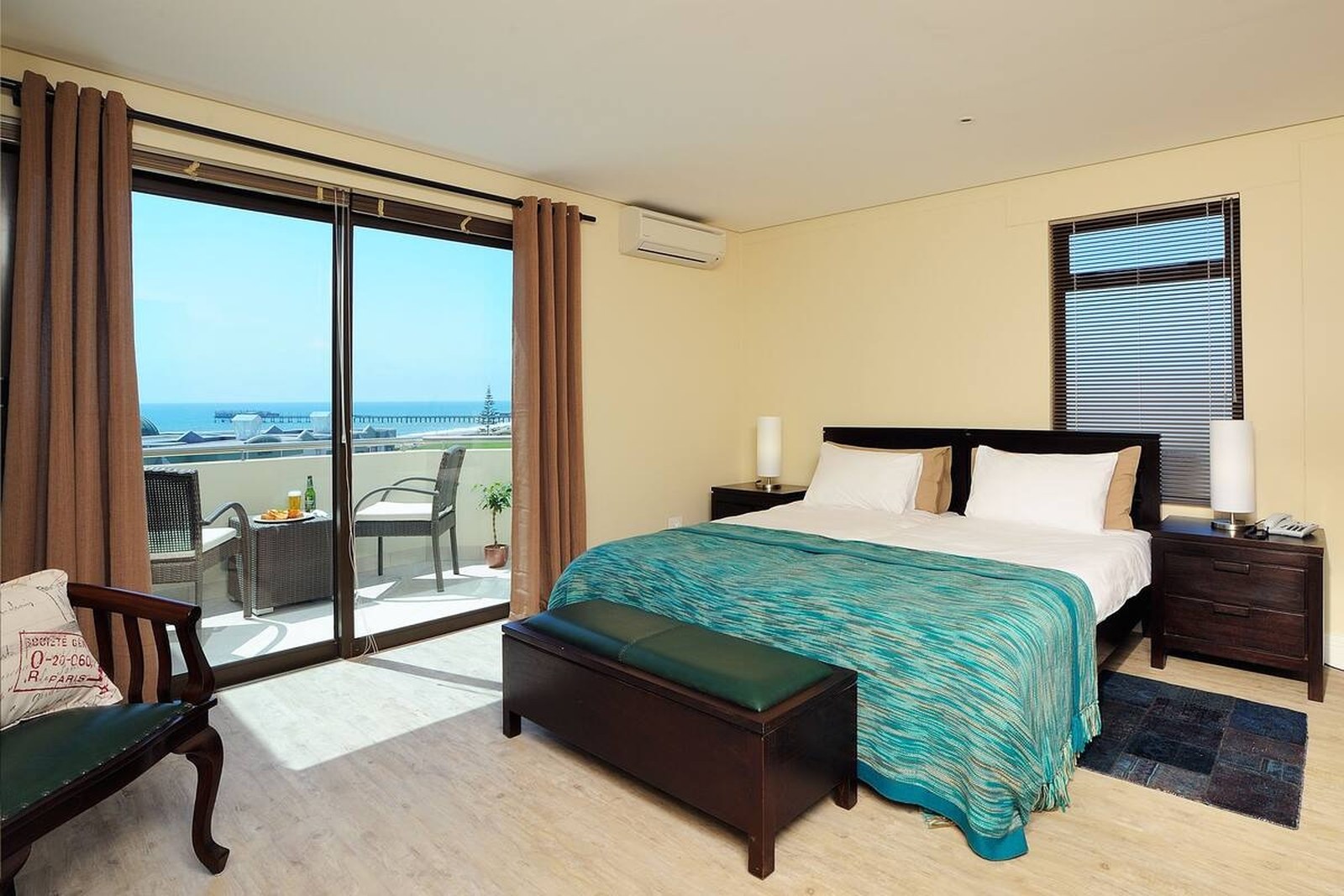
Rooms. One- and two-bedroom flats with a sitting room, a kitchen with a two-ring hob and a rice cooker, a washing machine and a balcony. Ask for a high floor and a sea-facing balcony, and ask directly whether the building has hot water at all hours — a few of the older towers still run on a shared solar system and are tepid on cloudy winter days.
Getting there. 文昌 (Wénchāng) has a station on the island’s east high-speed rail loop, twenty minutes from 海口美兰 (Hǎikǒu Měilán) airport and about ninety minutes from 三亚 (Sānyà); from the station it is a fifteen-minute drive to the bay. By road from 海口 (Hǎikǒu) it is roughly an hour and a half. There is a local bus along the beach road and plenty of shared electric three-wheelers; a car is useful for the port market but not essential.
flowcloud would say that the truest luxury in a seaside town is not the view but the fridge, the hob and the washing machine, and that anyone who has spent a February morning buying a mackerel off a boat and cooking it eleven floors above the sand will never book a hotel breakfast again.
Where to stay: Seaview apartments at 高隆湾 (Gāolóngwān), 文昌 (Wénchāng), east coast of Hainan. One-bedroom flats ¥1,800–3,000 a month in the shoulder season and ¥4,000–7,000 from December to February, or ¥180–350 a night; two-bedrooms about ¥500–1,000 a month more. Electricity is extra and can reach ¥300–600 a month in summer. Twenty minutes by high-speed rail from 海口美兰 (Hǎikǒu Měilán) airport to 文昌 station, then a fifteen-minute drive. Come between November and March for the 候鸟 (hòuniǎo) scene, and go to the 清澜 (Qīnglán) port market early.