
Farm-Town Rooms for the History Run: Sleeping Near the Gobi Mother Residence
团场炊烟直,客舍土炕温 Tuánchǎng chuīyān zhí, kèshè tǔkàng wēn – The farm town’s smoke rises straight; the guesthouse kang keeps its warmth
正文:戈壁母亲周边住宿 Gēbì Mǔqīn zhōubiān zhùsù the lodging near the Gobi Mother residence is farm-town stock – simple family inns and courtyard guesthouses on the 126th Regiment’s lanes, a long drive north of 胡杨河市 Húyáng hé Shì Huyanghe City’s civic quarter. These are honest rooms for the history run: beds for the residence’s early visitors, dinners timed to the farm strips’ early closing, and hosts who are usually one generation removed from the settler families the museum commemorates. The comfort level is plain; the context is the point.
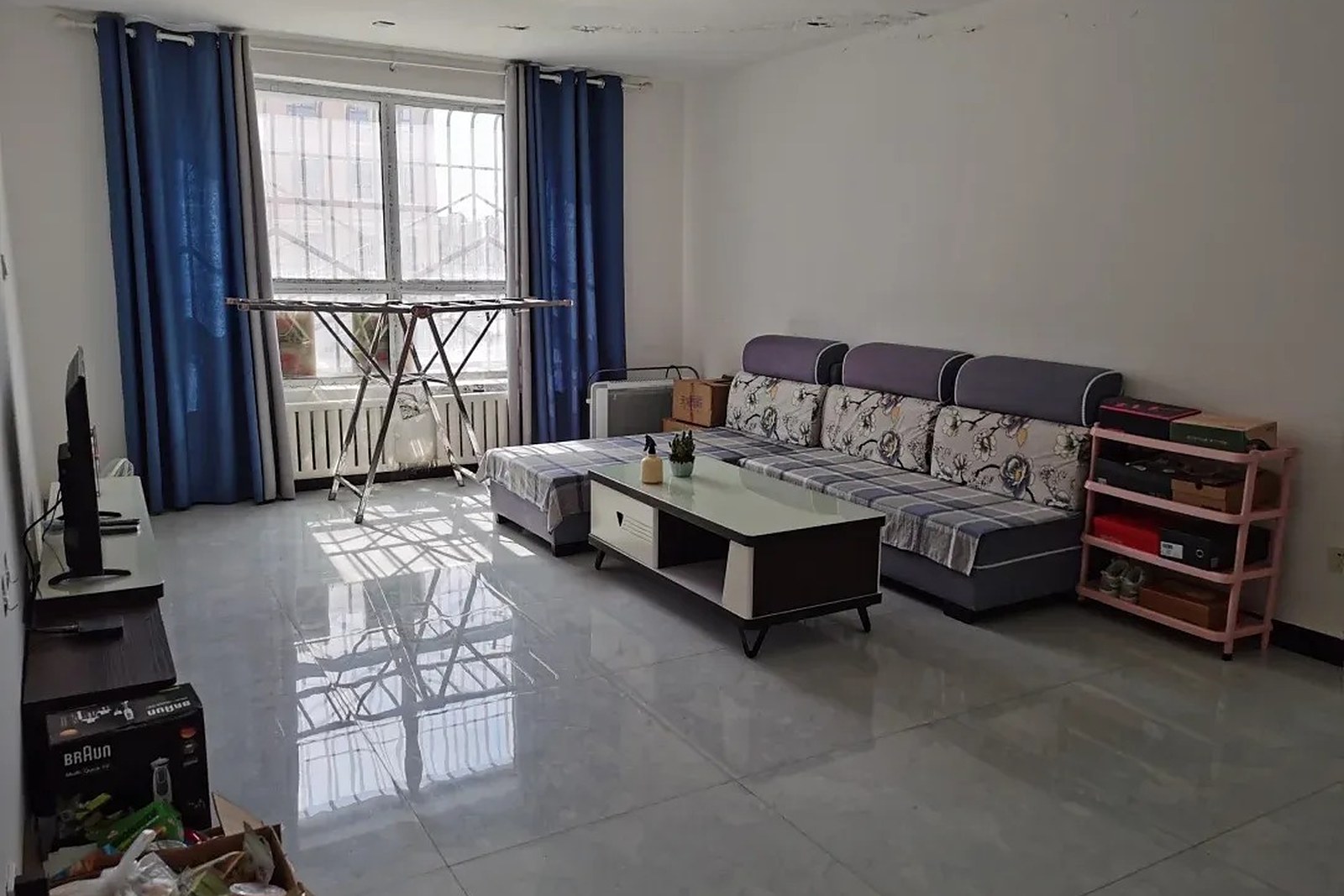
The inns keep the bingtuan grammar. Rooms are tidy and basic – quilts thick enough for the steppe nights, kettles that work, floors swept at dawn – and the best of them add the details that make a history visit cohere: wall photographs of the regiment’s founding crews, a courtyard where the day’s farm news is exchanged over tea, and dinner tables that serve what the fields are picking. Guests who want hotel polish book downtown; guests who want to hear what the residence’s guide never has time to tell book here.
The rhythm of a farm-town night is its own attraction. The lanes go quiet early – the strips close with the light – and after dinner the yard offers the northern plains’ full sky with none of the city’s glow. Mornings start with the regiment’s sounds rather than an alarm: tractors on the field roads, the bakery’s first trays, the school bell two lanes over. Visitors heading to the residence at opening hour have the shortest commute in the county.
Practicalities first: expect honest farm-town rooms rather than hotel comfort – confirm dinner since the farm strips close early, and arrange the residence visit with the innkeeper, who will know the site staff by name and the season’s opening hours without calling. Cash still moves more smoothly than cards on the farm lanes, and a daylight arrival makes the unmarked turns simple.
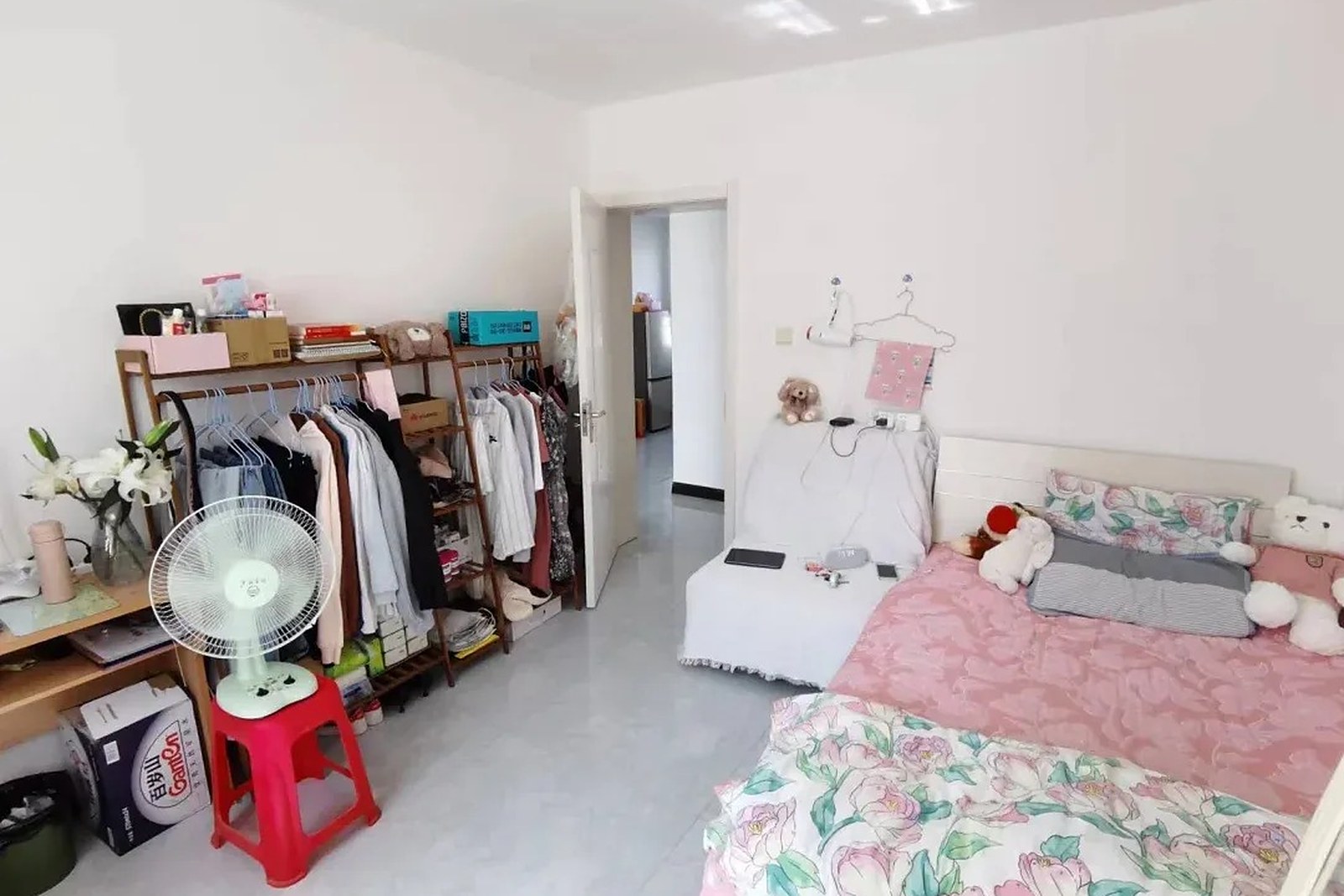
The stay suits a specific traveler: the one who plans a full day at the residence and the regiment’s lanes, who values a host’s memory over a lobby’s marble, and who accepts a firm bed as part of the ticket. For that traveler the farm-town inns are not a compromise – they are the chapter of the story with the lights still on.
The Stays
The family inns on the regiment lanes offer the shortest line to the residence and the longest conversations with its history; the courtyard guesthouses add gardens, home dinners and steppe skies from the yard, and every option keeps the farm-town prices the city hotels abandoned years ago. Doors: the same 胡杨河市 Húyáng hé Shì Huyanghe City keeps downtown rooms for the evening square, wetland-side rooms for dawn birding, inn rooms at the poplar stands, and courtyard farmstays on the regiment farms – four more doors into the same 胡杨河市 Húyáng hé Shì Huyanghe City. Once the farm base is set, our Huyanghe food map fills the day.
The Stays
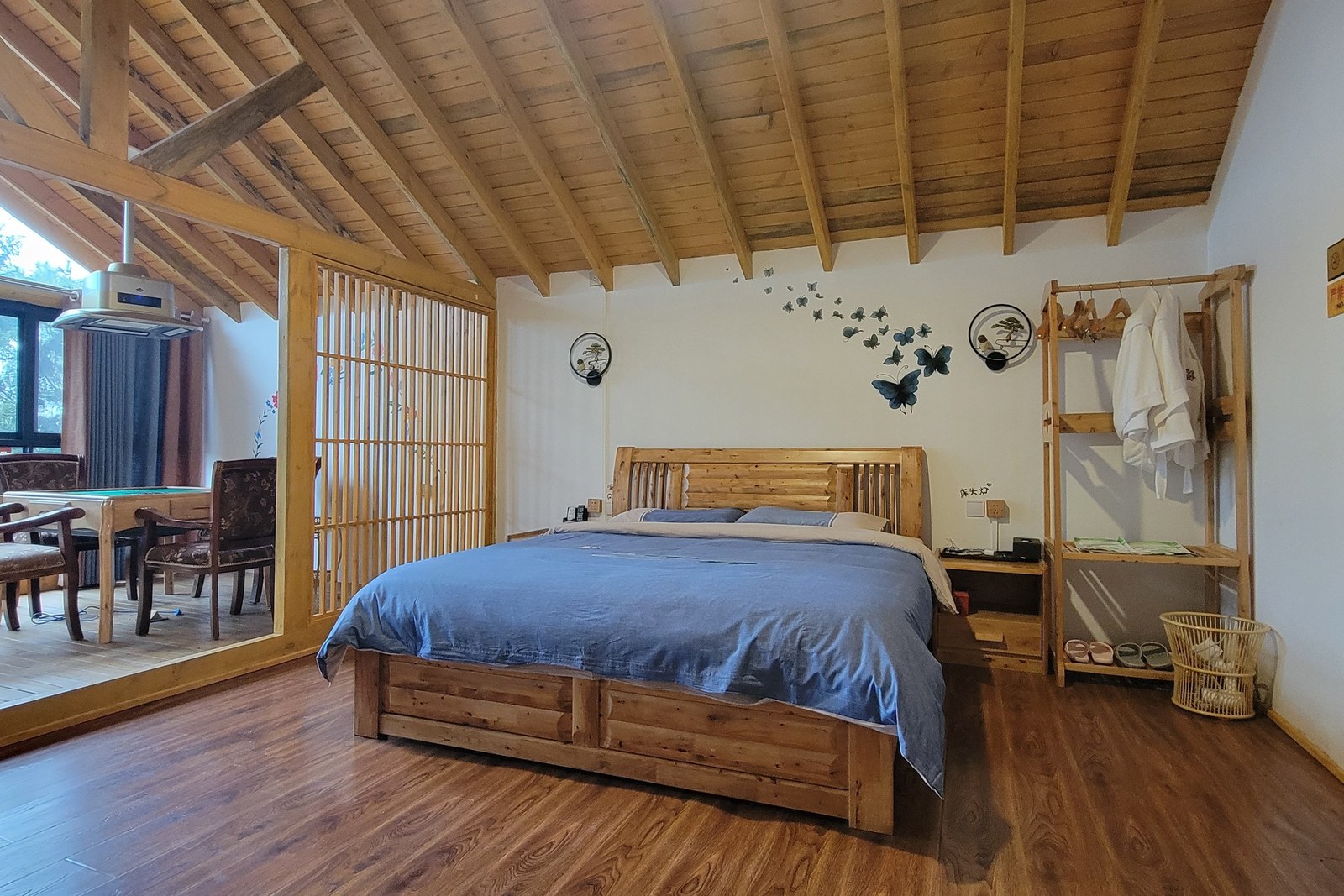
flowcloud would say the Gobi Mother area’s inns are the museum’s living annex: quilts on the same kind of beds the settlers carried in, hosts who know which winter the roof leaked, and a sky overhead that has not changed its program since the dugout years – history with the heating on. All checked November 2026.
Where to stay: Expect honest farm-town rooms rather than hotel comfort – confirm dinner since the farm strips close early, and arrange the residence visit the night before with the inn’s help. All checked November 2026.