
Where the Steppe Begins: Kazakh Yurt Camps and Herder Guesthouses Beyond the Valley Rim
毡房星斗近,奶茶拂晓香 Zhānfáng xīngdǒu jìn, nǎichá fúxiǎo xiāng – The yurt stands close to the stars; milk tea perfumes the dawn
正文:草原民宿 Cǎoyuán Mínsù the grassland stays beyond the valley rim – Kazakh yurt camps and herder guesthouses where the farmland gives up and the steppe begins – trade the valley’s gardens for the biggest sky in the region. An hour into the hills above 可克达拉市 Kěkèdálā Shì Keketokala City, the decorated felt yurts appear along the pasture roads in clusters of two and three, blue-banded and patterned, with the milk tea already warming and the horse lines strung where the grass starts. This is the lodging tier that measures luxury in horizon rather than thread count, and the guests who book it are rarely disappointed by the exchange rate.
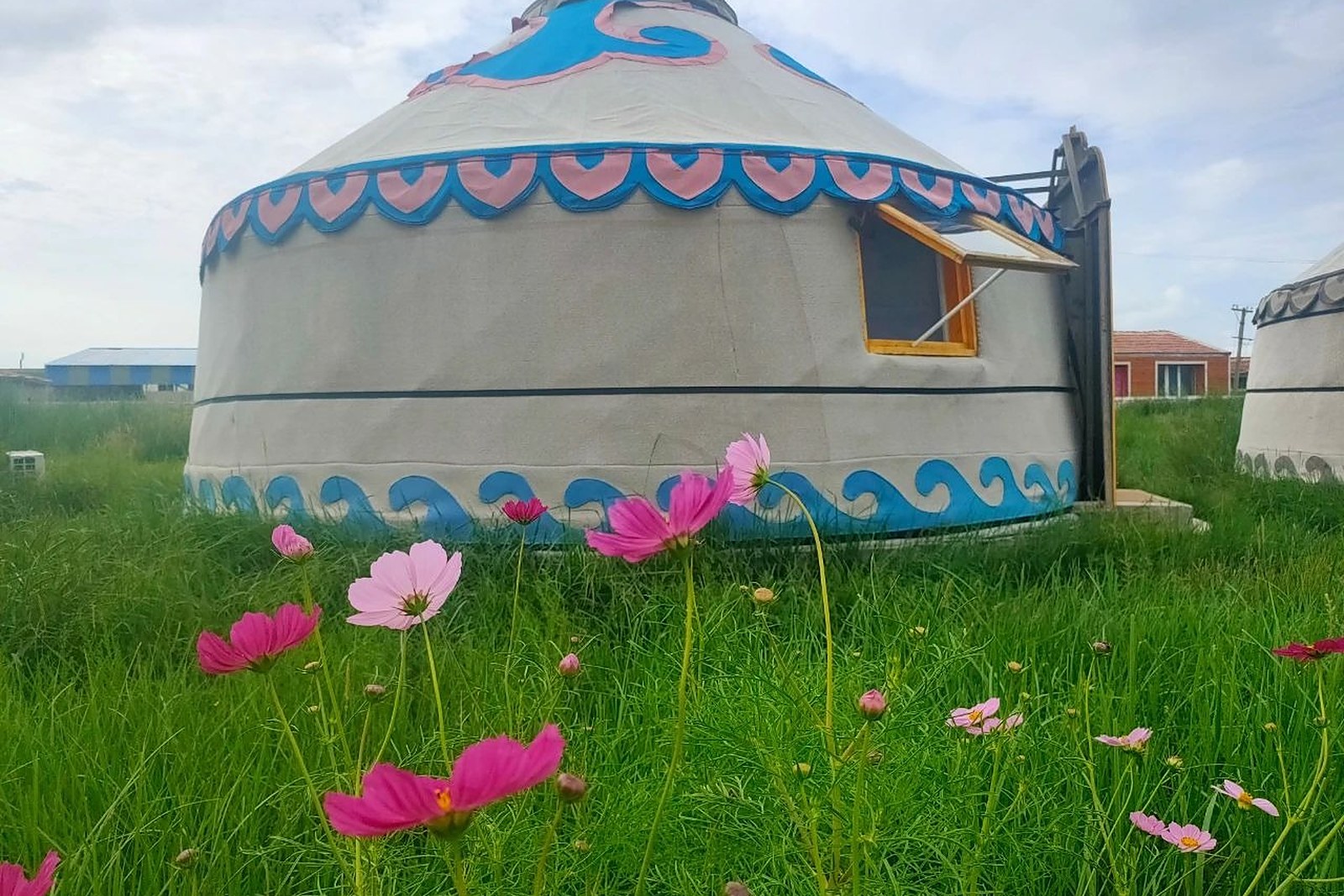
Inside, the yurt is a lesson in round engineering. The lattice walls unfold in an hour; the crown pole opens to the sky for light and stove draft; and the felt holds the day’s warmth into the night the way only animal fiber does. Camps furnish simply – painted beds along the wall, a stove in the center, carpets the grandmother of the household wove – and the hospitality runs to the herding calendar: mare’s milk in season, cheese drying on the roof rack, and the morning milking available to any guest who can hold the bucket and take direction.
The evening program writes itself. Dinner is the camp’s own lamb or the valley’s boiled-lamb format carried up the hill; the horse-riding is real – herder horses, herder rules, the pace the guest earns – and the night sky does the rest, dense enough that the constellations need relearning. Camps keep generators and solar for the essentials; the light pollution budget is spent elsewhere, which is the whole point.
Practicalities first: expect yurt basics rather than hotel comfort – confirm the night temperature since steppe cold starts early, book the horse-riding morning ahead, and carry cash for the herder camps. The camps move with the pasture, so confirm the location a day ahead; pack a layer for after sunset even in July, and treat the camp dog as staff, because it is.
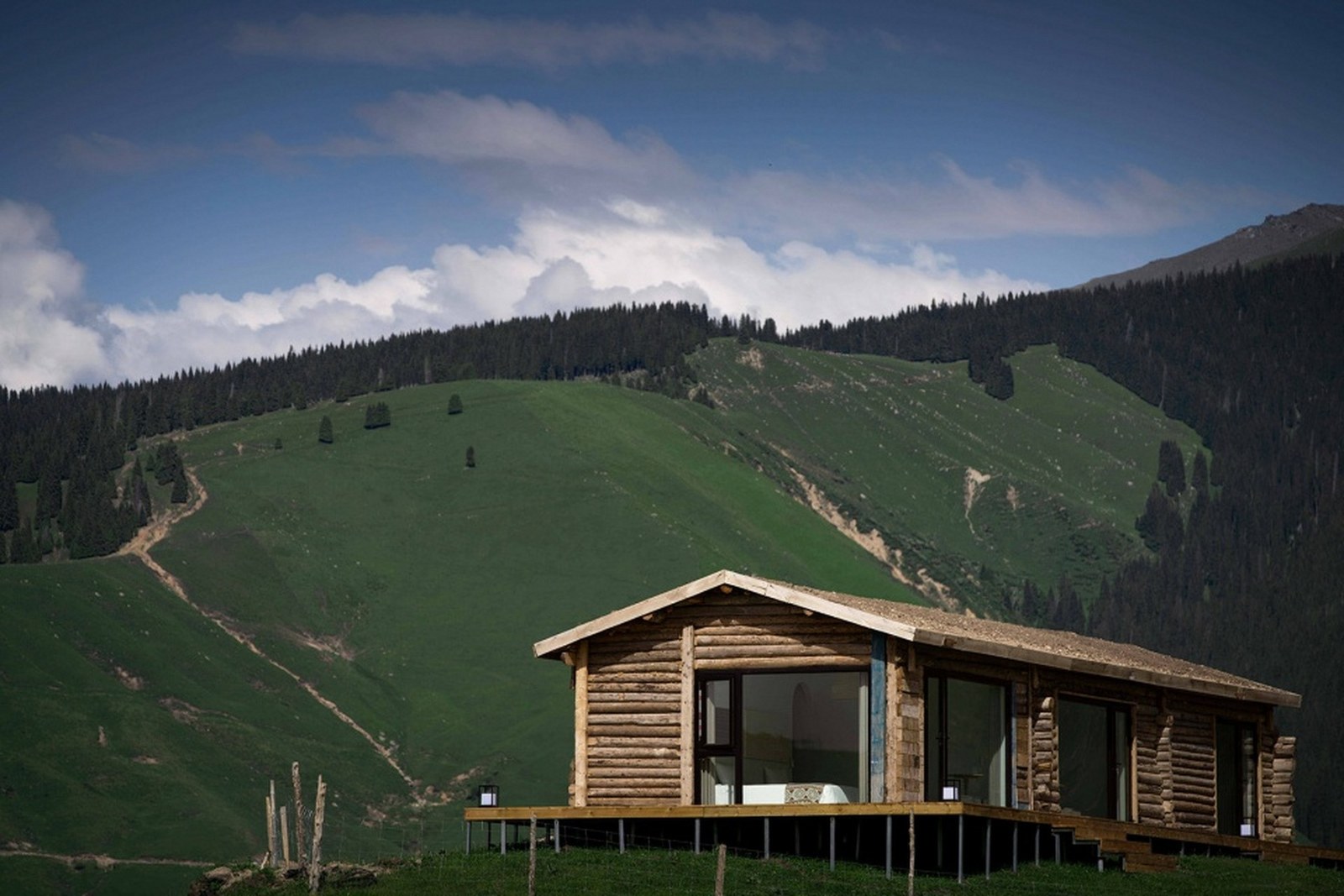
What stays with you is the scale of the quiet. The valley’s cities run on water and poplars; the steppe runs on weather and distance, and a night in a yurt recalibrates both. Dawn comes with the tea, the horses stamp somewhere out in the dark, and the first light walks across the grass toward you like it was sent.
The Stays
The yurt camps suit the sky-seekers and the riding mornings; the herder guesthouses add a solid roof, a stove and the family’s own cheese on the breakfast board, and both tiers price the night like a pasture, not a resort – cash, honest arithmetic and a door that latches against the wind. Doors: the same 可克达拉市 Kěkèdálā Shì Keketokala City keeps downtown rooms for the evening square, riverside guesthouses for the bridge sunset, farmstay rooms inside the June bloom, and courtyard beds under the regiment trellis – four more doors into the same 可克达拉市 Kěkèdálā Shì Keketokala City. Once the steppe base is set, our Keketokala food map fills the day.
The Stays
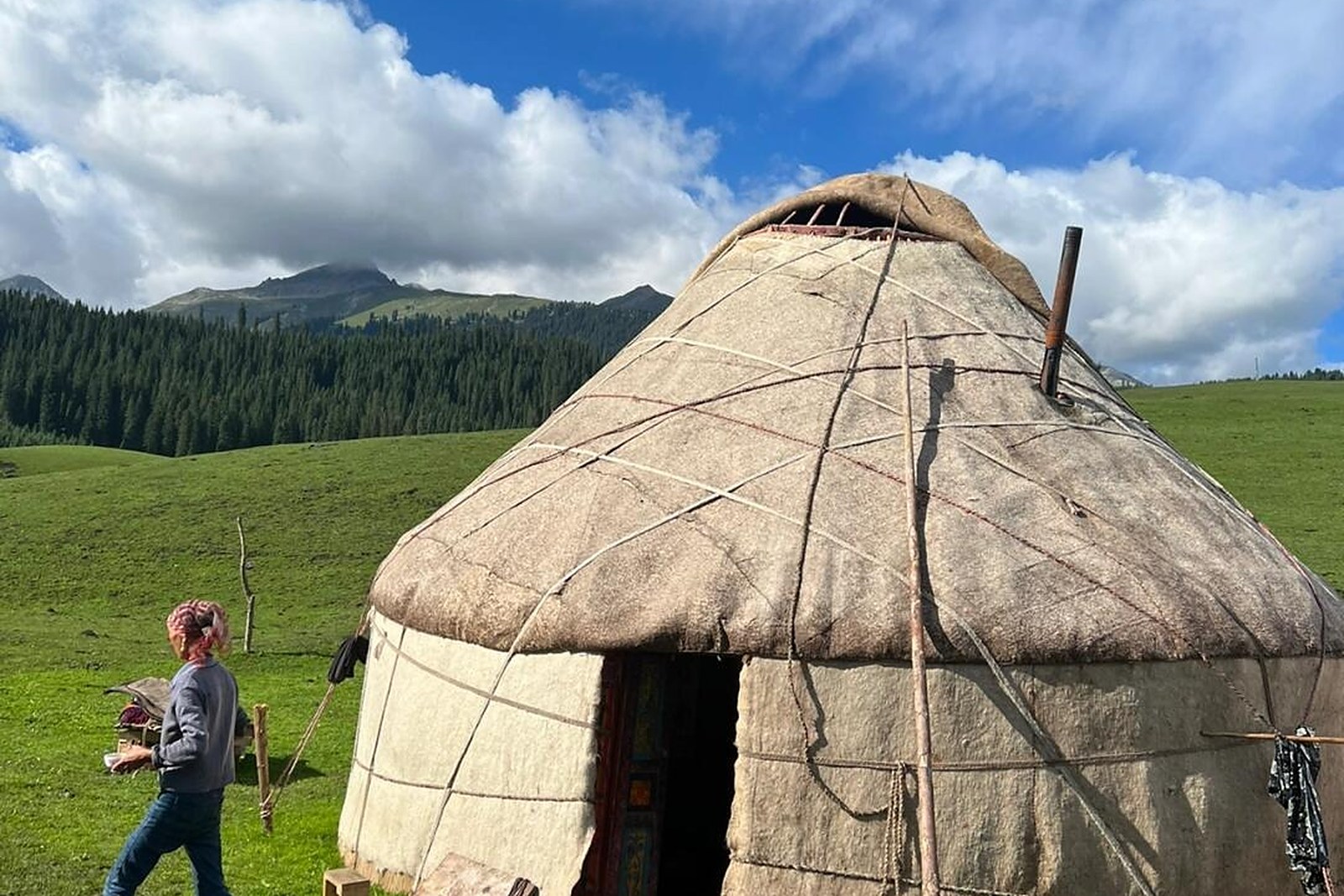
flowcloud would say the grassland stays are the steppe’s oldest hospitality model: a round felt room, a pot of milk tea and a sky nobody can invoice – booked by the season, staffed by the family, audited nightly by the stars. All checked November 2026.
Where to stay: Expect yurt basics rather than hotel comfort – confirm the night temperature since steppe cold starts early, book the horse-riding morning ahead, and carry cash for the herder camps. All checked November 2026.