
Gucheng-Area Stays: Old-Village Courtyards, Temple-Wall Evenings and Canal-Morning Yards of Daxing District, Beijing
古村墙影炊烟远,院落灯明伴客眠。Gǔcūn qiángyǐng chuīyān yuǎn, yuànluò dēngmíng bàn kè mián – In the old village the wall shadows stretch and the hearth smoke drifts far; in the lit courtyard the lamps keep the guest company to sleep.
The stay around 古城村 Gǔchéng Cūn Gucheng village – the old settlement on the flat southern plain of 大兴区 Dàxīng Qū Daxing District, 北京 Běijīng Beijing, where the village’s name recalls the walled 古城 Gǔchéng old town that once stood here, where the 二进寺 Èrjìn Sì Erjin Temple and the 娘娘庙 Niángniáng Miào Niangniang Shrine still mark the village’s spiritual centre, and where the 通惠河 Tōnghuì Hé Tonghui Canal’s southern arm once carried grain barges toward the capital’s wharves – is the 古村落民宿 gǔcūnlòu mínsù old-village guesthouse market: stone-and-brick farm yards in the village proper, converted temple-side inns near the shrine, and a ring of newer courtyard conversions a short drive into the surrounding fields. The first band sits in the village core, classic courtyard inns within minutes of the temple walls (worth confirming which houses are properly set up for overnight guests rather than day-trippers); the second gathers near the shrine and the old canal bank, tea rooms and view decks above the water; the third scatters into the fields beyond the village, the cheapest beds for canal-walkers and cyclists. The honest product is the village evening: wall shadows, temple bells, the canal’s last light – not resort facilities or restaurant streets.
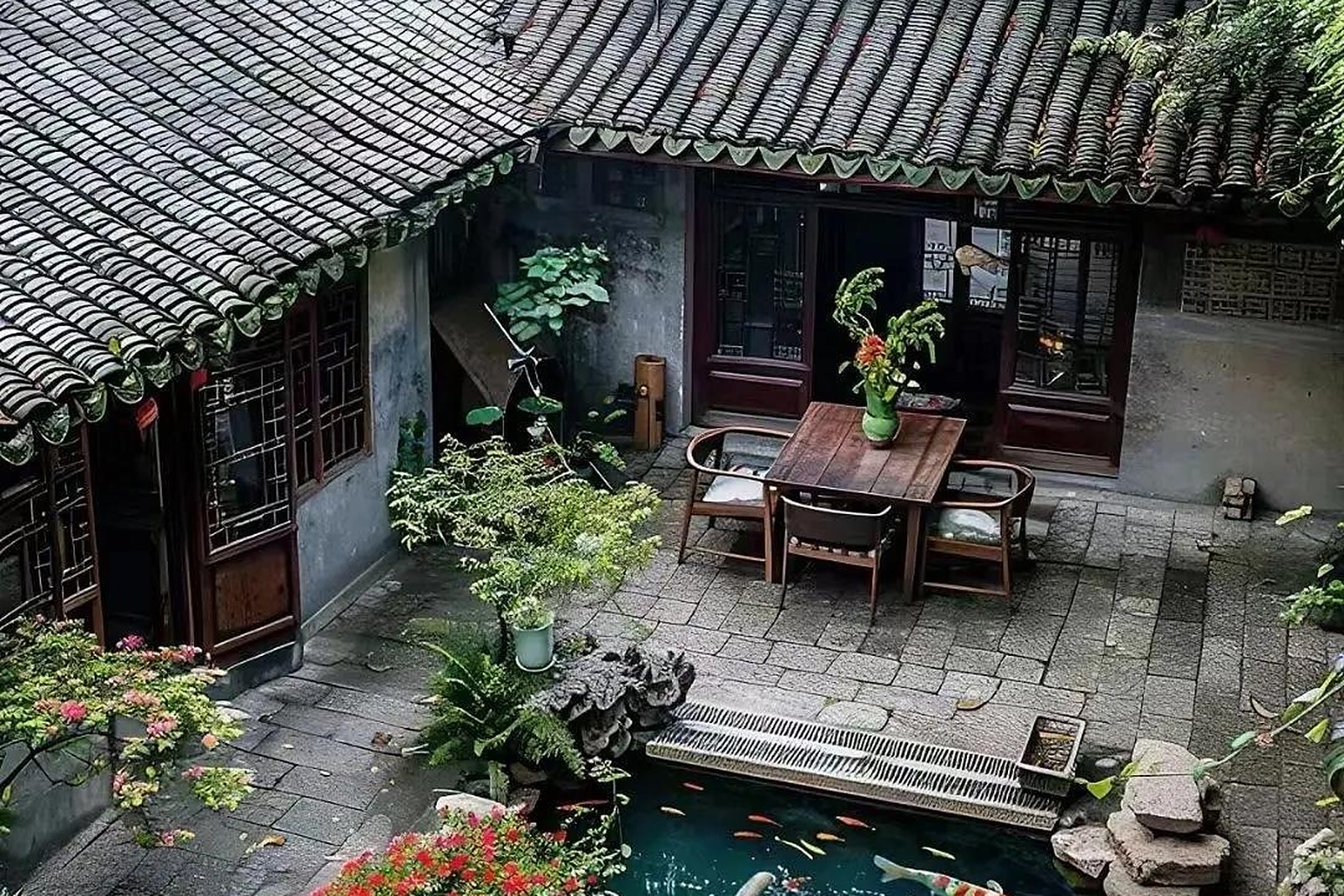
The October 2026 snapshot runs three bands, all worth confirming the details: the village-core yards, the shrine-side conversions and the field-scatter rooms. The village band buys the heritage radius – the temple walls, the old canal bank and the village’s own snack tables sit minutes from any yard (worth confirming which temples are open on your dates); the shrine band buys the photograph – water and wall from the deck at dusk, morning mist lifting off the canal (worth confirming which rooms genuinely face the water); the field band buys silence and orchard walks at the plainest prices of the market. What no band buys is walk-out sightseeing: the village sits on a flat plain, its sights are the temple and the canal, and the village kitchens keep farmhouse hours (worth confirming dinner – some kitchens cook for guests only with a day’s notice). What every band does buy, uniquely, is the canal-source radius: the 通惠河 Tōnghuì Hé Tonghui Canal – the waterway that the Yuan engineers dug to carry the grain barges all the way to the capital’s wharves – runs within a short walk of any bed in the village, and the whole stretch was inscribed among the world-heritage Grand Canal sites in 2014. Who it suits: history lovers, slow-weekend families and photographers of autumn light; who it does not suit: app-everything travellers – the yards run on phone calls and WeChat, and the call-ahead habit is a non-refundable part of the rate.
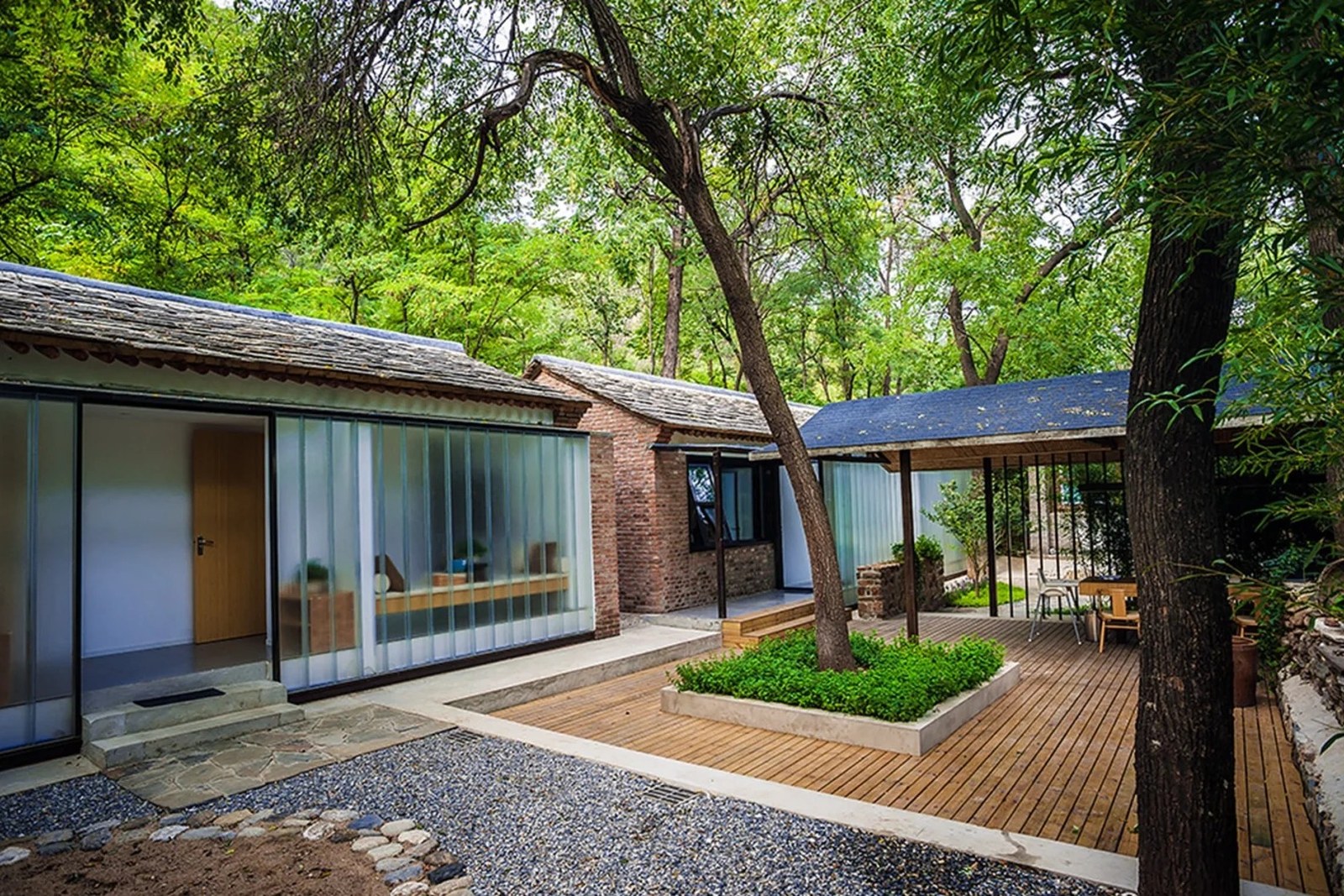
Practical shape: a village night is a one- or two-night move keyed to the temple gates – arrive before the shrines close, walk the canal bank when the coaches leave, take the village at dusk. Transit shapes the booking: no metro reaches the village itself, so the line-4 terminus at 天宫院 Tiāngōngyuàn Tiangongyuan leaves buses and taxis to cover the last miles (worth confirming connections, which thin outside weekends and holidays), while drivers leave the southern expressways and generally park at or near the yard gates (worth confirming which village gate your navigation actually reaches). The catch is the season: the plain runs cold and hard before the heating season, summer weekends crowd the canal shore, and the autumn foliage weekends book out first of all (worth confirming heating per house).
Check the three things old-village rooms get wrong: 隔音 géyīn between yard units when a temple-festival group keeps the courtyard late, whether the “canal view” is a true sightline to the water or a gap between roofs (worth confirming view rooms individually), and whether the kitchen serves dinner at all or points you down the lane (worth confirming per house – the best plan is often the village’s own table, booked early). Bring one layer more than the forecast says – and the wry truth: you came for the temple, then spent the best hour on a canal-bank bench, watching the last light slide across the water that once carried the empire’s rice ashore (self-assessment from a writer who came for one village and left with a list – the district-seat errands, the airport’s quiet wings, and the suburban yards to file the story).
The Stays
- 古城村核心院落客栈 Gǔchéng Cūn héxīn yuànluò kèzhàn village-core courtyard inns at Gucheng: worth confirming the details, courtyard beds minutes from the temple walls. Who it suits: history lovers and photographers; who it does not suit: lift loyalists.
- 娘娘庙方向设计民宿 Niángniáng Miào fāngxiàng shèjì mínsù design-converted inns toward the shrine: worth confirming the details, view decks and tea rooms above the canal. Who it suits: photographers and slow couples; who it does not suit: budget counters.
- 通惠河沿岸农家院 Tōnghuì Hé ànyán nóngjiāyuàn farm yards along the Tonghui Canal: worth confirming the details, plain village rooms and canal-morning walks. Who it suits: cyclists and canal completists; who it does not suit: nightlife seekers.
- 古村周边经济客栈 Gǔcūn zhōubiān jīngjì kèzhàn budget inns near the old village: worth confirming the details, simple beds within a walk of the temple and the canal. Who it suits: pass-through travellers and bus arrivals; who it does not suit: courtyard romantics.
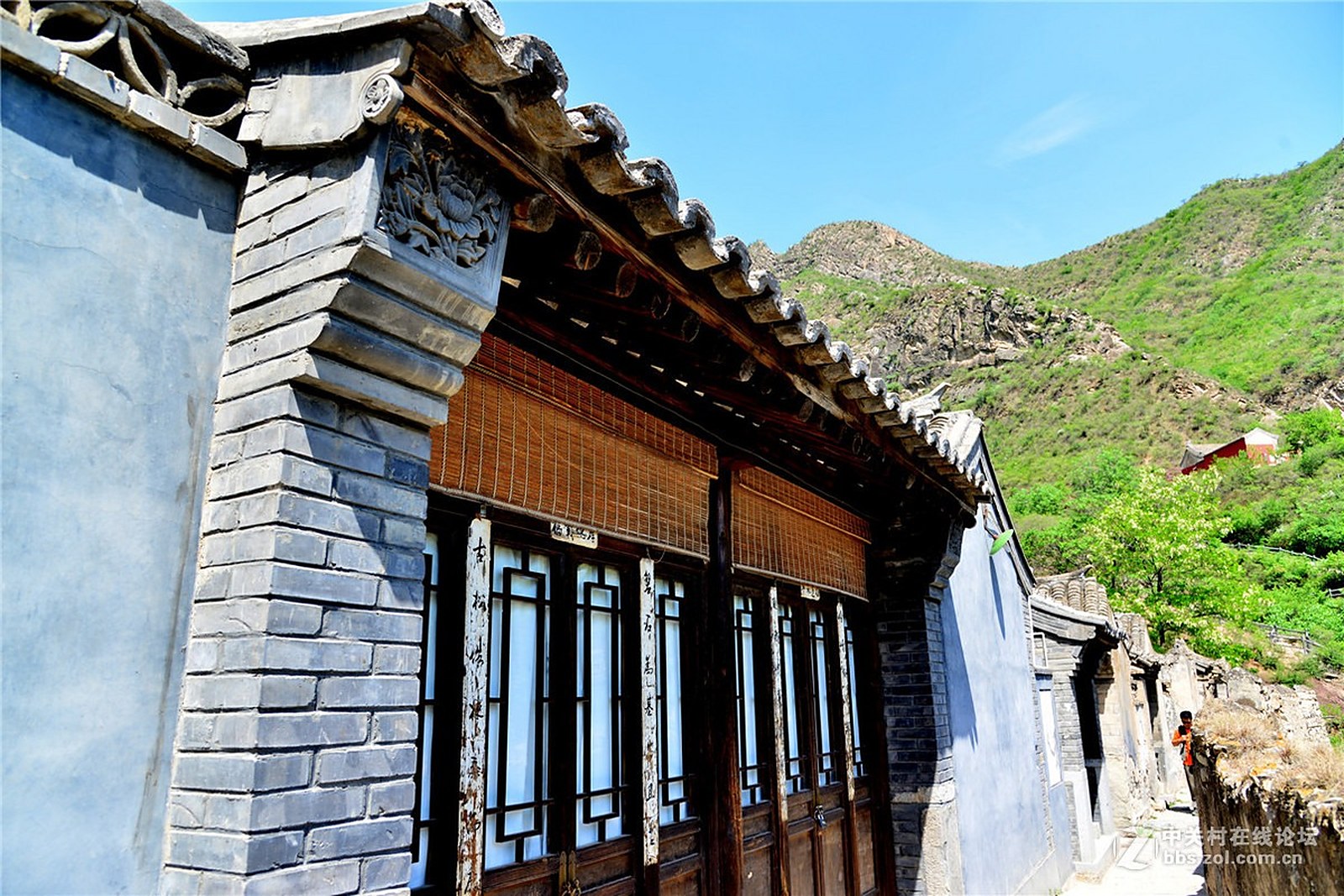
flowcloud would say that the old-village stay is a courtyard bought over canal quiet – village-core yard to field-scatter room in the October 2026 snapshot, all worth confirming the details – and that the honest move is to time the temple gates, book the village table before the room and walk the canal bank at dusk, because the heritage radius is the amenity and the farmhouse clock is the price – the canal keeps the only calendar. All checked October 2026.
Where to stay: Book a village-core yard near the Erjin Temple for the heritage radius, or a canal-bank conversion facing the Tonghui Canal when the water photograph is the mission, confirming temple opening hours against your breakfast time. All checked October 2026.