
新兴县 Xīn xīng xiàn is the county in the east of 云浮市 Yún fú shì that 惠能 Huì néng – the sixth patriarch of Chan Buddhism, the man the West knows as Huineng – was born into in 638 and came home to die in in 713, and the reason to take a room in it is a distance measured in metres. The spring belt sits at 六祖镇 Liù zǔ zhèn in the 龙山温泉度假区 Lóng shān wēn quán dù jià qū, twelve kilometres from the county town on provincial road 276, and the temple he founded, 国恩寺 Guó ēn sì, is next to it – which is the whole argument. A guest who stays in 新兴 town drives twenty minutes each way for the spring and cannot walk to the temple before the coaches arrive. A guest who stays in the belt has both on foot, and the walk between them is worth more than either.
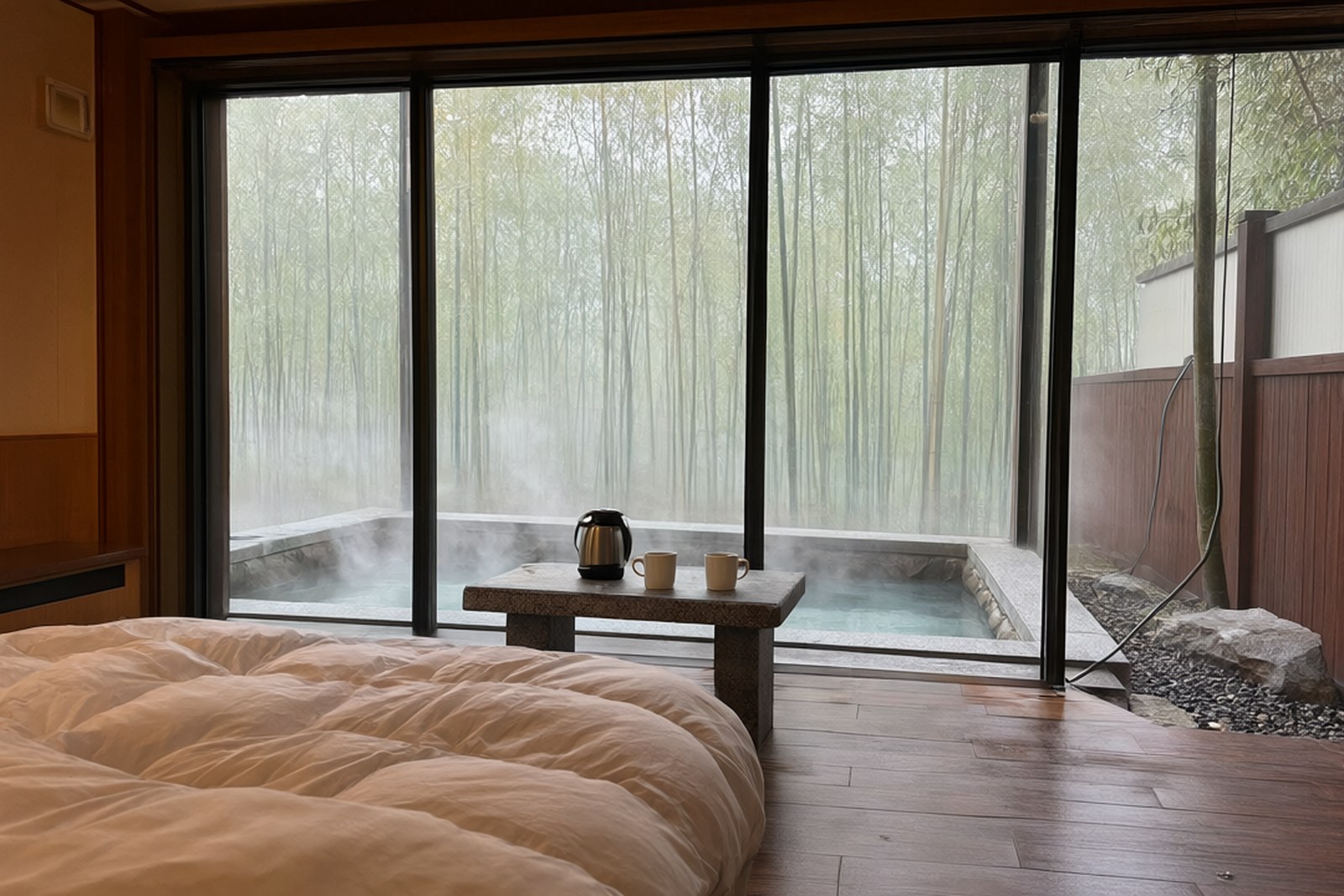
The county’s own position in the province is the second half of why the belt exists. 新兴县 sits in the middle-west of 广东 Guǎng dōng and is the part of 云浮 that faces the 珠三角 Zhū sān jiǎo, close enough to 广州 Guǎng zhōu, 佛山 Fó shān and 江门 Jiāng mén that local material describes the county as sitting inside a one-hour economic circle of the delta. That is a marketing sentence and it is also the literal reason the resort here looks the way it does: this is where a delta city goes for a weekend, which is why the belt has luxury villas at one end of the price range and a seventy-two-room economy building at the other, and why the roads into it are wide. A visitor coming from the delta by car arrives in about an hour and a half; a visitor coming from 云浮市 by bus takes about an hour; and a visitor coming by rail comes to the prefecture’s high-speed station and then takes a car, which is the one leg that has to be arranged rather than assumed. The water is the reason the belt exists and the numbers are unusually good. 龙山温泉 Lóng shān wēn quán is one of the province’s rare sulphide – hydrosulphide – springs, which is a chemistry the ordinary 广东 hot spring does not have; the water leaves the ground at 72.8 degrees Celsius at the spring mouth, and it carries sulphates, calcium, magnesium and sodium along with a trace of the radioactive element radon, which is why the local trade has been selling it for decades on skin complaints and rheumatic joints. The resort area covers 8.71 square kilometres, the spring mouth sits next to 藏佛坑 Cáng fó kēng, the gully where the tradition holds the patriarch’s followers hid his body after the cremation, and the honours on the board outside are the ones the county puts up: 世界禅意养生温泉 shì jiè chán yì yǎng shēng wēn quán, world Chan wellness hot spring, awarded in 2011, plus 中国温泉之乡 Zhōng guó wēn quán zhī xiāng and 中国天然氧吧 Zhōng guó tiān rán yǎng bā for the county. The property itself has a history worth knowing: it began as a resort village, was renamed 龙山温泉酒店 in August 2013, and was rebuilt to a four-star standard in 2014, so a lot of what is standing is newer than the spring’s reputation.
The prices in the belt are wide and they are not the same thing twice, so it is worth putting down what the sources actually name rather than describing a category. At the top are 云浮新兴禅泉度假酒店, inside the 六祖故里 Liù zǔ gù lǐ resort area with private spring pools and pool villas in some categories, from about ¥1,163 a night, and 云浮新兴尘宵蔚景温德姆酒店 at 六祖镇正见路 16 号 from about ¥892. Below them are the two that most guests actually book: 云浮新兴龙山温泉酒店 in the resort area from about ¥444, which keeps the 荔苑 Lì yuàn, 桂苑 Guì yuàn, 竹苑 Zhú yuàn and 水上皇宫 shuǐ shàng huáng gōng villa groups that the old resort was built as, and 云浮新兴翔顺龙山酒店 from about ¥452 with its own spring villas and family rooms. Then there is the middle of the market – 新兴同顺温泉酒店 at 六祖镇正觉路 12 号 from about ¥573 with spring pools in the room categories, 新兴悦和莊酒店 at 觉光路 38 号 from about ¥338, 云浮新兴三页温泉酒店 on 六祖大道 from about ¥357, and 新兴贤居温泉度假酒店 in the 龙山 tourism area from about ¥369 – all of them addresses a reader can look up and none of them a recommendation. Above the lodges there is 禅泉温泉 Chán quán wēn quán, a separate spring park landscaped with wetland and dense planting, sold on its own at about ¥138 to ¥158 for an adult, ¥276 for two and ¥58 for a child. Treat every figure as a band and check the live rate, because a spring town reprices by the weekend. What a guest gets from the position, apart from the water, is a set of walks that start at the gate. 国恩寺 is the one that matters and it is a walk rather than a drive from the belt; 龙山公园 Lóng shān gōng yuán is the hill behind it; the 龙潭寺 Lóng tán sì in the resort area keeps a 斋堂 zhāi táng, a vegetarian refectory, which is a lunch rather than a sight; and 藏佛坑, four kilometres out on 285 乡道, is the gully with the 化身潭 huà shēn tán, the pool the tradition says the body was hidden in, along with the 求雨石 qiú yǔ shí and the 韦陀石 Wéi tuó shí and the 金钢石 jīn gāng shí – all of it free and open all day. 禅域小镇 Chán yù xiǎo zhèn, the Chan-theme street and hotel quarter, is a twenty-billion-yuan project in the same resort area, and 芦溪芳甸 Lú xī fāng diàn, 禅源湖 Chán yuán hú and 龙潭湖湿地公园 Lóng tán hú shī dì gōng yuán are the landscaped water and boardwalk pieces of the same development. The resort was awarded national AAAA status and is working towards 5A, and the traffic figures the county publishes are the ones that decide whether a walk is quiet: in the first half of 2025 the resort took 1.4963 million visitors and 898 million yuan, and over the 2025 Spring Festival week alone more than a hundred thousand. A guest who wants the temple lane to themselves goes before seven.
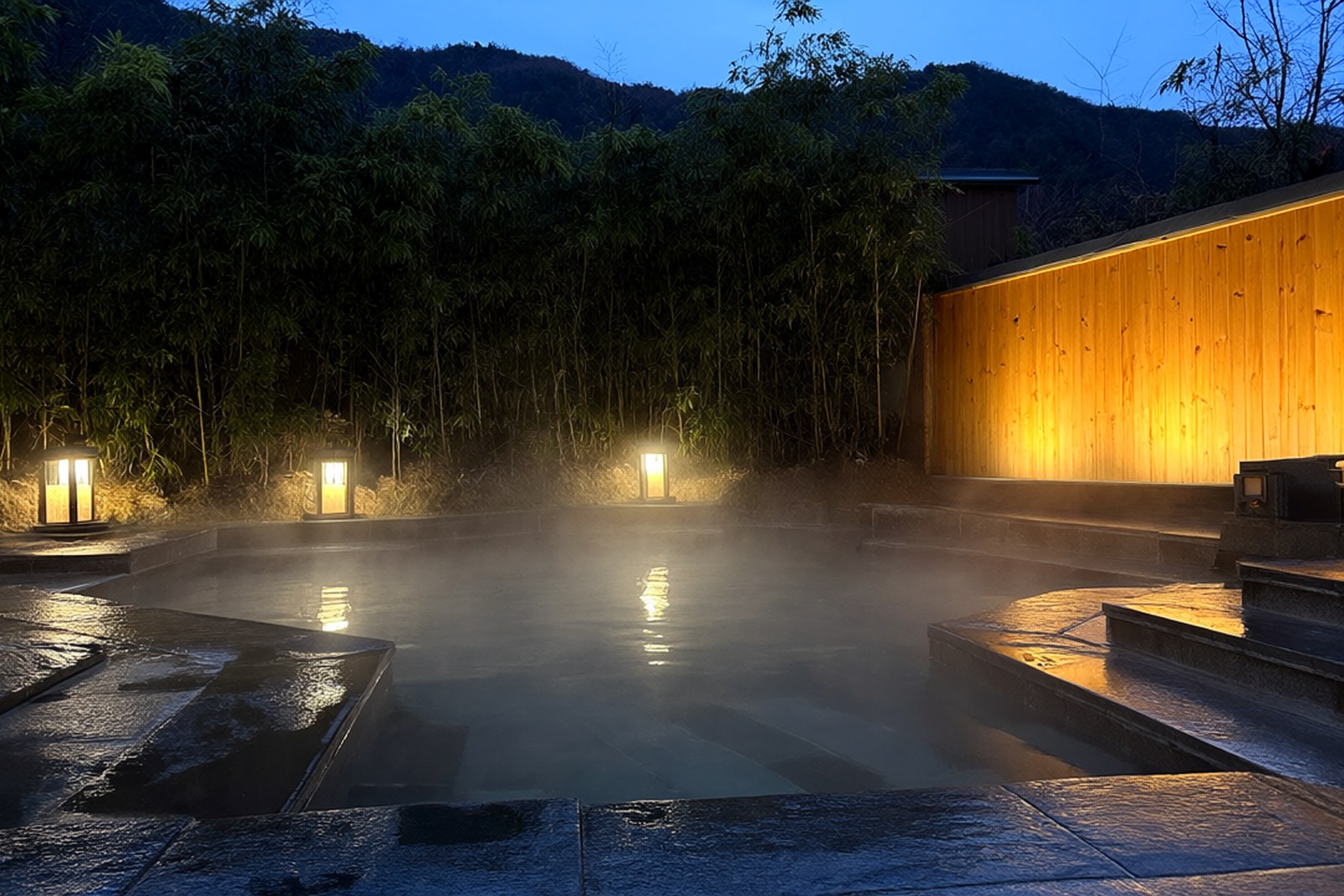
The figures on the other side of that are the older comparison the county still quotes – the 2019 Spring Festival week, when 新兴县 as a whole recorded 2.0213 million visitor trips and 462 million yuan – and they are worth knowing because they show how much of this prefecture’s tourist trade is concentrated in one week of the year and one square kilometre of ground. The county around the belt is worth a paragraph rather than an article, and the two things in it that a guest should know about are food and the rest of the springs. 新兴 grows and preserves fruit on an industrial scale, and the local table runs on 话梅 huà méi and the rest of the preserved-fruit trade, plus farm cooking from the villages around 龙山塘村 Lóng shān táng cūn, which won a global award at the International Awards for Liveable Communities in 2013. 禾泰农场 Hé tài nóng chǎng, on the 六祖大道 side, is the county’s own showcase farm and has grown from eighty 亩 to more than a thousand, which makes it a half day for anyone travelling with children. On the spring side, the county has two more properties that pull day traffic and are worth knowing about when the belt is full: 金水台温泉度假村 Jīn shuǐ tái wēn quán dù jià cūn at 水台镇 Shuǐ tái zhèn, a national AAAA resort opened in 2006 and refitted in 2021 with 781 rooms, a self-flowing geothermal well 280 metres deep at 72 degrees and a spring the trade describes as a three-ingredient water, plus a 300,000-square-metre water park and a six-kilometre rafting river with 93 bends; and 天露山旅游度假区 Tiān lù shān lǚ yóu dù jià qū, also national AAAA, on a 1,251-metre peak that is the highest in the 珠三角 and carries a negative-ion reading the park quotes at a hundred thousand per cubic centimetre. Both are day trips from the 龙山 belt rather than alternatives to it, because neither of them is a walk from the temple. The county’s claim to be the warm-spring county of the province rests on the number of separate springs inside one boundary rather than on any single one of them, and a visitor with two nights can reasonably do the belt on the first day and one of the others on the second. What that means for the booking is that a room in the belt is not the only spring room in the county and is not always the cheapest one, but it is the only one with a temple at the end of the walk, and that single fact settles the choice for most of the people who come here.
What the Rooms Are Like
This is resort stock rather than guesthouse stock and it varies more by building than by brand, which matters here because the belt contains a rebuilt four-star resort, a set of newer luxury towers and a row of small independent hotels all within a few hundred metres of each other. A room in the middle of the market is twenty-five to thirty-five square metres with a firm mattress, a seating corner, split air conditioning, a kettle or a water boiler, a shower with a glass panel or a full bathroom, and in the newer buildings a floor-to-ceiling window onto the hill rather than the car park. The categories worth asking for by name are two: 温泉房 wēn quán fáng, a room with its own spring pool on a private terrace or balcony, which is the difference between the belt’s two price tiers and is not always clear on a booking page; and 别墅 bié shù, a villa, which the older resort sells in the 荔苑, 桂苑 and 竹苑 groups and the luxury properties sell with a pool. Several places also sell access to a shared pool complex rather than a private bath, so it is worth knowing which of the two your rate includes before you arrive, and worth asking what the pool hours are, because they are drained and cleaned in the mornings and the schedule moves with the season. Family rooms with a second bed platform are common in the middle tier and are the right buy for a household with children, since the alternative is two rooms in a building where the corridor smells of sulphur by nine in the evening.
Practicalities
Price. A room in the 龙山 Lóng shān belt runs about ¥330 to ¥1,200 a night, with the luxury properties at the top – 云浮新兴禅泉度假酒店 from about ¥1,163 and 云浮新兴尘宵蔚景温德姆酒店 from about ¥892 – the two resort hotels most guests book at about ¥444 and ¥452, a middle band of smaller spring hotels from about ¥338 to ¥573, and 禅泉温泉 sold separately at about ¥138 to ¥158 an adult and ¥276 for two. Weekend rates, the 五一 wǔ yī and 国庆 guó qìng holidays and the winter months when the springs are at their best are all peak, and the 春节 Chūn jié week empties the belt. Treat every number as a range and check the live rate for your dates.
Address. The belt is at 六祖镇 Liù zǔ zhèn in 新兴县 Xīn xīng xiàn, in the 龙山温泉度假区 Lóng shān wēn quán dù jià qū on provincial road 276, twelve kilometres from the county town and immediately beside 国恩寺 Guó ēn sì; the named addresses run along 正见路 Zhèng jiàn lù, 正觉路 Zhèng jué lù, 觉光路 Jué guāng lù and 六祖大道 Liù zǔ dà dào, with 藏佛坑 Cáng fó kēng four kilometres out on 285 乡道 and 金水台 at 水台镇 Shuǐ tái zhèn and 天露山 further away again inside the same county.
Rooms. Ask whether the rate includes the spring water or only the bed, and ask whether what you have bought is a private pool in the room or access to a shared pool complex, because that single question separates the belt’s price tiers. Ask for a room on the hill side rather than the car park and an upper floor, since the belt fills with day visitors at weekends and the ground-floor rooms hear the coach park from six. Ask the pool hours for the day you arrive, ask whether the hotel runs a shuttle to 国恩寺 and to 藏佛坑, and ask about the opening times of the temple, which official sources list as free but with a midday break, since the numbers on the booking platforms disagree with one another. If you want the vegetarian refectory at 龙潭寺 or a table at a village farmhouse, arrange it a day ahead rather than at the door.
Getting there. 新兴县 Xīn xīng xiàn is the county in 云浮市 that faces 珠三角 Zhū sān jiǎo, and the resort area is on provincial road 276 at 六祖镇, about twelve kilometres from the county town. By road the county sits within roughly an hour of much of the 珠三角 and about ninety minutes to two hours from 广州 Guǎng zhōu, with the 汕湛 Shàn zhàn and 广昆 Guǎng kūn expressways the usual approach and a bus connection from 云浮市 Yún fú shì of about an hour. 新兴县 also has a station on the 广茂 Guǎng mào railway, and the fast rail arrival for the prefecture is 云浮东站 Yún fú dōng zhàn on the 南广 Nán guǎng line, after which the last leg to the belt is a car or a county bus. Most guests arrive by car, and the honest reason is that the belt’s attractions – the temple, the gully, the two other springs, the mountain – are spread across the county rather than lined up on one road.
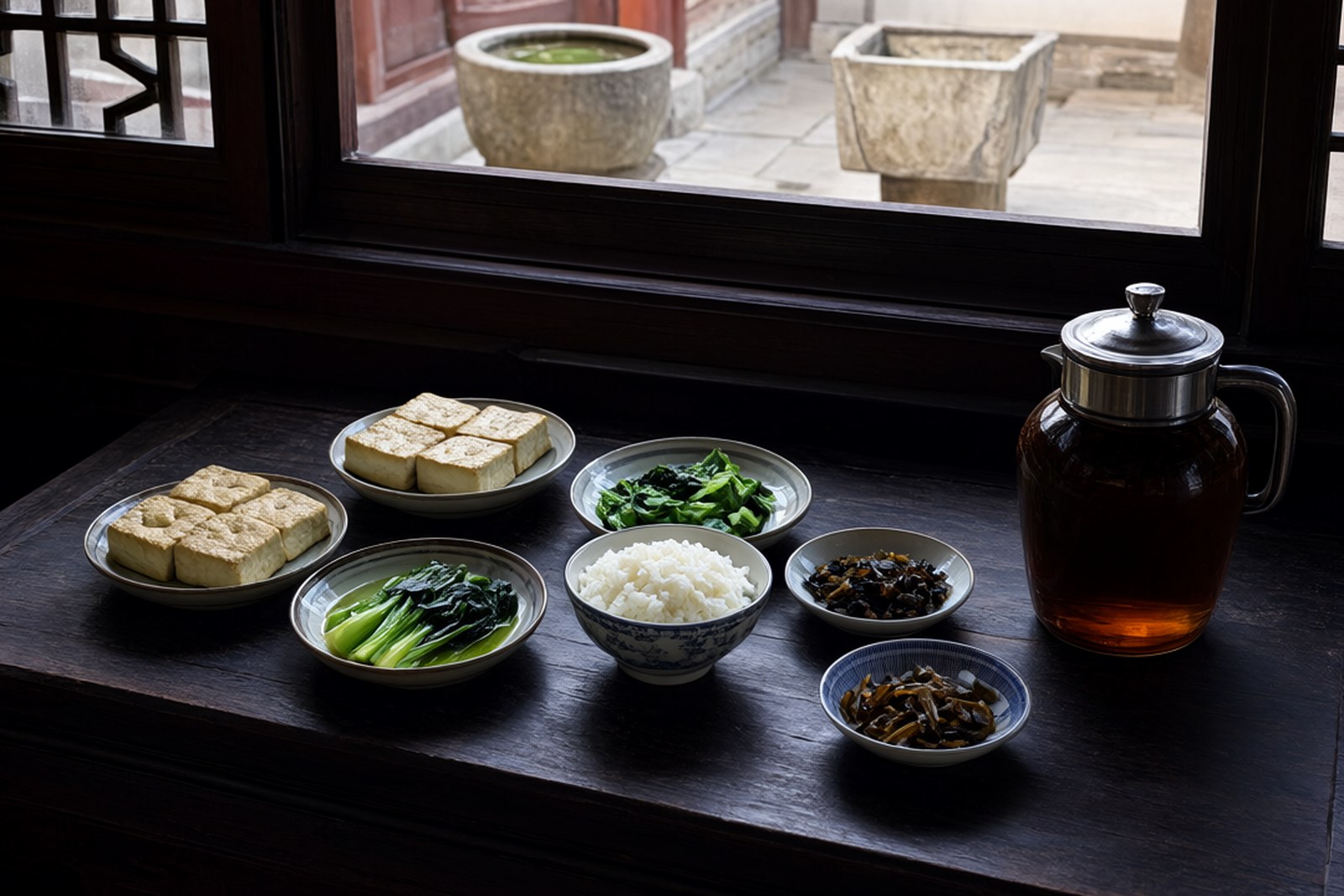
Where to stay: a hill-facing room at one of the spring lodges in the 龙山温泉度假区 Lóng shān wēn quán dù jià qū at 六祖镇 in 新兴县, close enough to 国恩寺 Guó ēn sì that the walk is the point. Take a room with its own spring pool rather than a shared bath, walk to the temple before the coaches arrive, keep an hour for 藏佛坑, and say yes to a vegetarian lunch at the 龙潭寺 斋堂 if it is being served.
flowcloud would say that a spring at 72.8 degrees four kilometres from the gully where a man’s followers hid his body is not a coincidence but a piece of luck, and that the only mistake a guest can make here is to book a room twenty minutes down the road – because the whole reason to sleep at 龙山 is that the walk to the temple and the soak afterwards are the same evening, and driving to them one at a time ruins both.