
石巷云深,一枕旧梦。Shí xiàng yún shēn, yī zhěn jiù mèng – Deep stone lanes beneath the cloud; one pillow, one old dream.
The stay in 和顺古镇 Héshùn Gǔzhèn Heshun Old Town is a 火山石 huǒshānshí volcanic-stone 客栈 kèzhàn guesthouse inside a 600-year-old 侨乡 qiáoxiāng overseas-Chinese hometown, 3-4 km northwest of 腾冲 Téngchōng Tengchong city in western Yunnan. The town’s houses are built from grey volcanic stone quarried out of the surrounding 火山群 huǒshānqún volcano field — the same geology as the 腾冲火山地质公园 Téngchōng Huǒshān Dìzhì Gōngyuán Tengchong Volcano Geological Park — and the best inns are converted old compounds: stone walls, a 天井 tiānjǐng courtyard, and timber rooms upstairs. The October 2026 snapshot runs three bands: budget courtyard rooms about 150-300 yuan, mid-range designed inns about 300-600, and upscale village resorts 600-1,500 yuan and up (worth confirming — the market swings hard with 春节 Chūnjié Spring Festival and the hot-spring winter season). Stock is 大床 dàchuáng king and 双床 shuāngchuáng twin rooms plus a few 家庭房 jiātíngfáng family rooms; what you do not get is standardisation. The rooms are small, stone-floored and mostly stair-only, which is the charm and the risk.
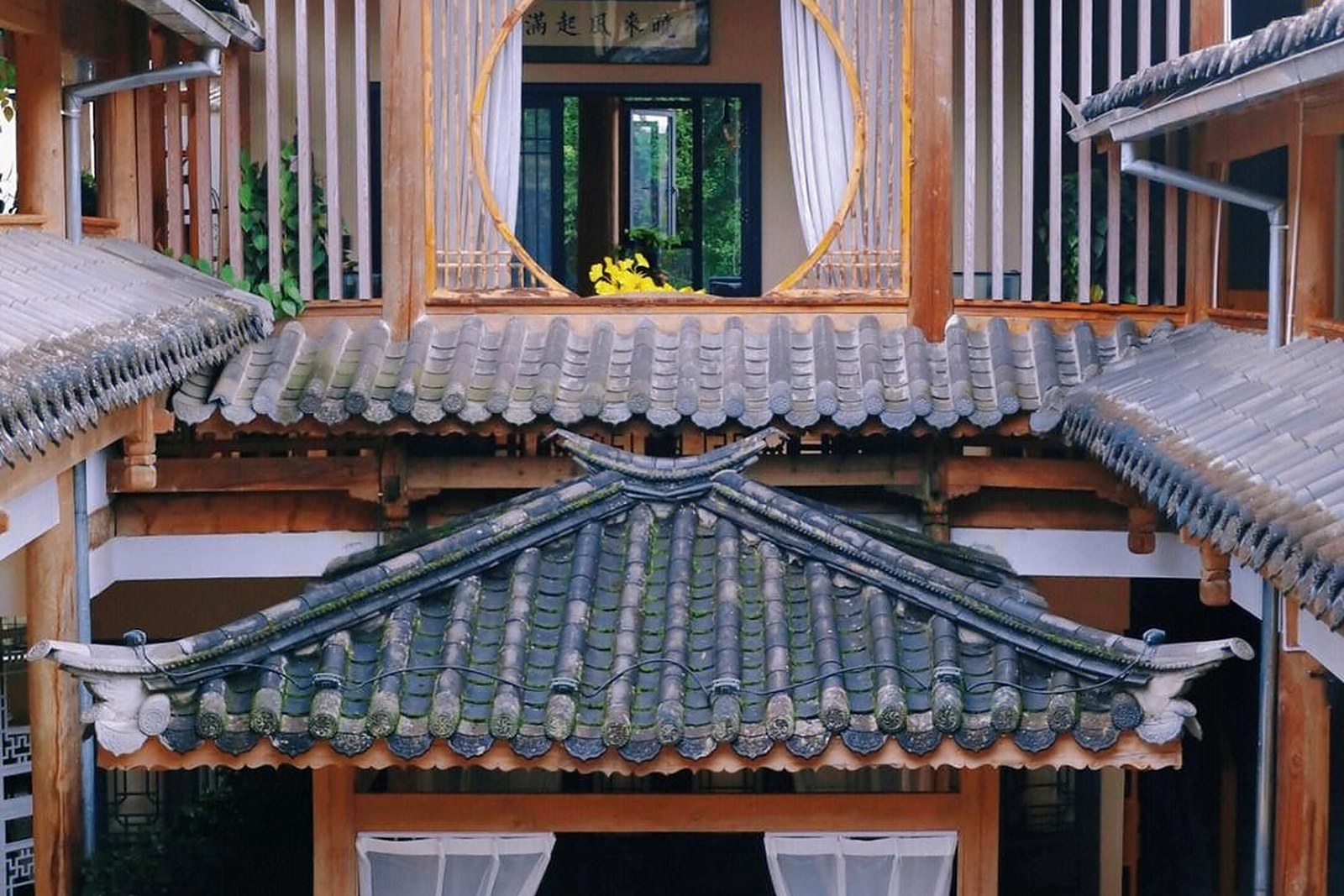
The lane is the decision, as in any old town. Heshun’s tourist spine runs from the south gate to 和顺图书馆 Héshùn Túshūguǎn — the 1928 rural library built with overseas-Chinese money — and the 野鸭湖 Yěyā Hú wetland pond; rooms on or beside that spine mean a five-minute walk to the 洗衣亭 Xǐyī Tíng river pavilions where villagers still do the washing. The deep residential lanes behind 艾思奇故居 Àisīqí Gùjū the philosopher’s former home and 寸氏宗祠 Cùnshì Zōngcí the Cun clan hall are the quiet end, and the honest recommendation is to book one or two lanes deep: close enough to walk to the library, far enough that the coach groups never find you. Morning is the town’s real luxury — mist on the wetland and the 千手观音古树群 qiānshǒu Guānyīn gǔshùqún old banyans before the day-trippers arrive at nine; evening is the 荷塘 hétáng lotus pond and stars, because Heshun’s lanes are dark and low-lit by design. Who it suits: slow travellers, photographers, and anyone who wants the 6 a.m. town to themselves. Who it does not suit: anyone with heavy luggage, because cars stop at the gate and the last 300 m is cobble.
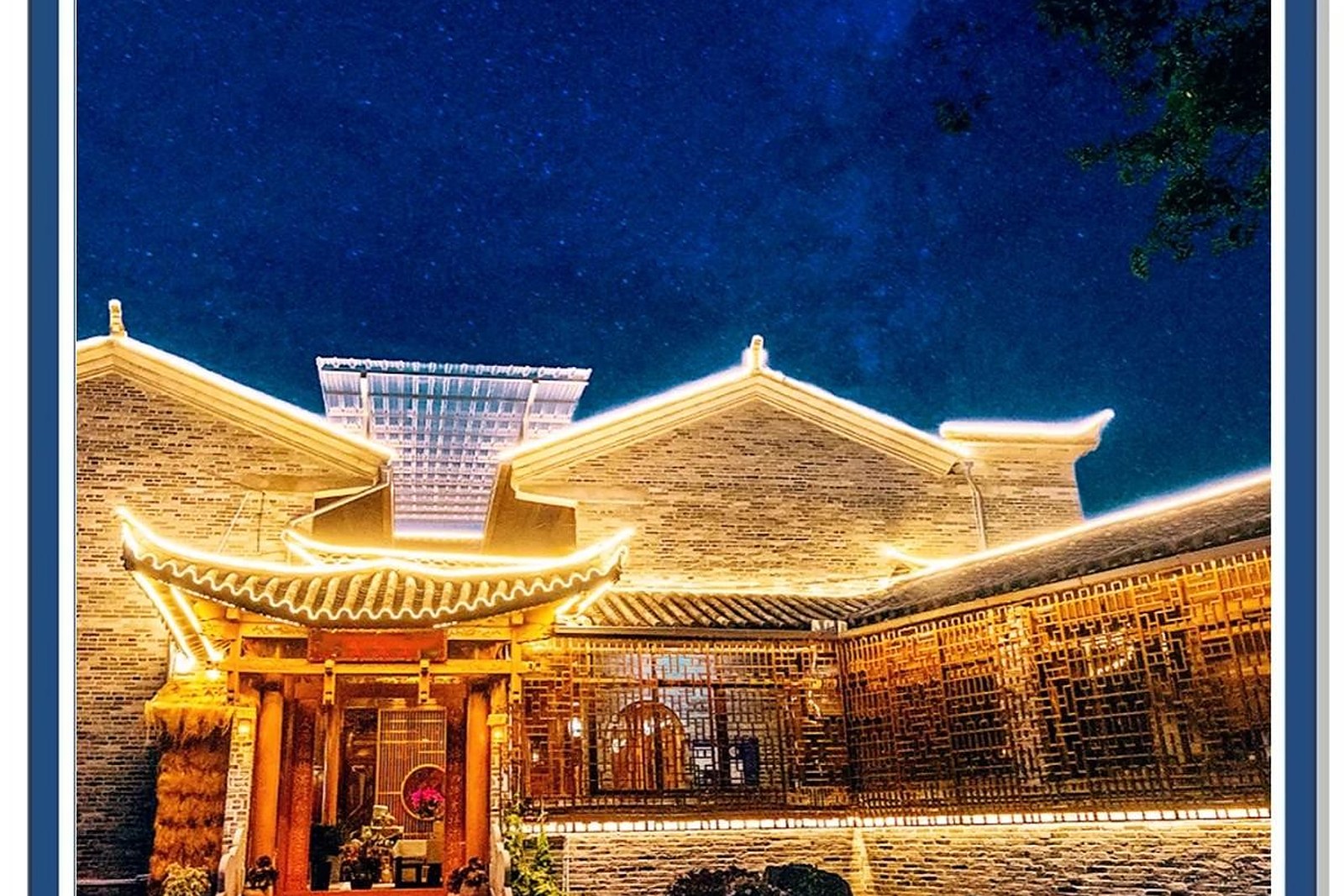
Practical shape: book two nights minimum, because Heshun is a morning-and-evening town and one night is all transfer. Cars cannot enter the cobbled core, so the plan is park at the gate lot and wheel in, or phone the inn for a porter — pack light. Check the three things converted stone houses get wrong: 24小时热水 èrshísì xiǎoshí rèshuǐ hot water (the old ones run solar tanks that fail on cloudy winter days), heating (stone floors, no insulation; ask for a 电热毯 diànrètǎn electric blanket or 空调 kōngtiáo), and soundproofing (stone is thin and the lanes echo). Arrive by air at 腾冲驼峰机场 Téngchōng Tuófēng Jīchǎng Tengchong Tuofeng Airport, about 15-20 km and 30 minutes by taxi, or by road on the 保腾高速 Bǎoténg Gāosù Baoteng Expressway, roughly two hours from 保山 Bǎoshān Baoshan city; rail access via the 大瑞铁路 Dà-Ruì Tiělù Dali-Ruili line is worth confirming before you rely on it. The morning walk before the coaches is the reason to sleep inside rather than beside the town. Check band prices in the week you book. All checked October 2026.
The Stays
The inns here are the old town itself. Most are 火山石 huǒshān shí volcanic-stone courtyard houses converted over the past decade: two storeys around a small yard, timber joinery, tiled roofs that shed the rain into the lane, and rooms that face either the stone wall next door or, if you pay for the upper floor, the pond and the roofs beyond. The honest range is about 200-500 yuan a night for a standard room in the golden ginkgo weeks and 150-300 outside them (worth confirming current rates), breakfast usually included and simple – 饵丝 ěr sī rice-noodle soup, eggs, pickles.
The trade-off is location versus condition. Inside the lanes, the lanes win: you can walk to the 和顺图书馆 Héshùn Túshūguǎn in two minutes and hear nothing at night but the 野鸭湖 Yěyā Hú frogs; the buildings are protected, so the plumbing and the soundproofing are honest-old rather than hotel-new, and the stairs are steep and stone. Rooms with a courtyard view cost more than rooms facing the wall, and the difference is real. Book ahead for November and December, when the ginkgo season fills the old town and the price of a courtyard room doubles (worth confirming the seasonal rates).
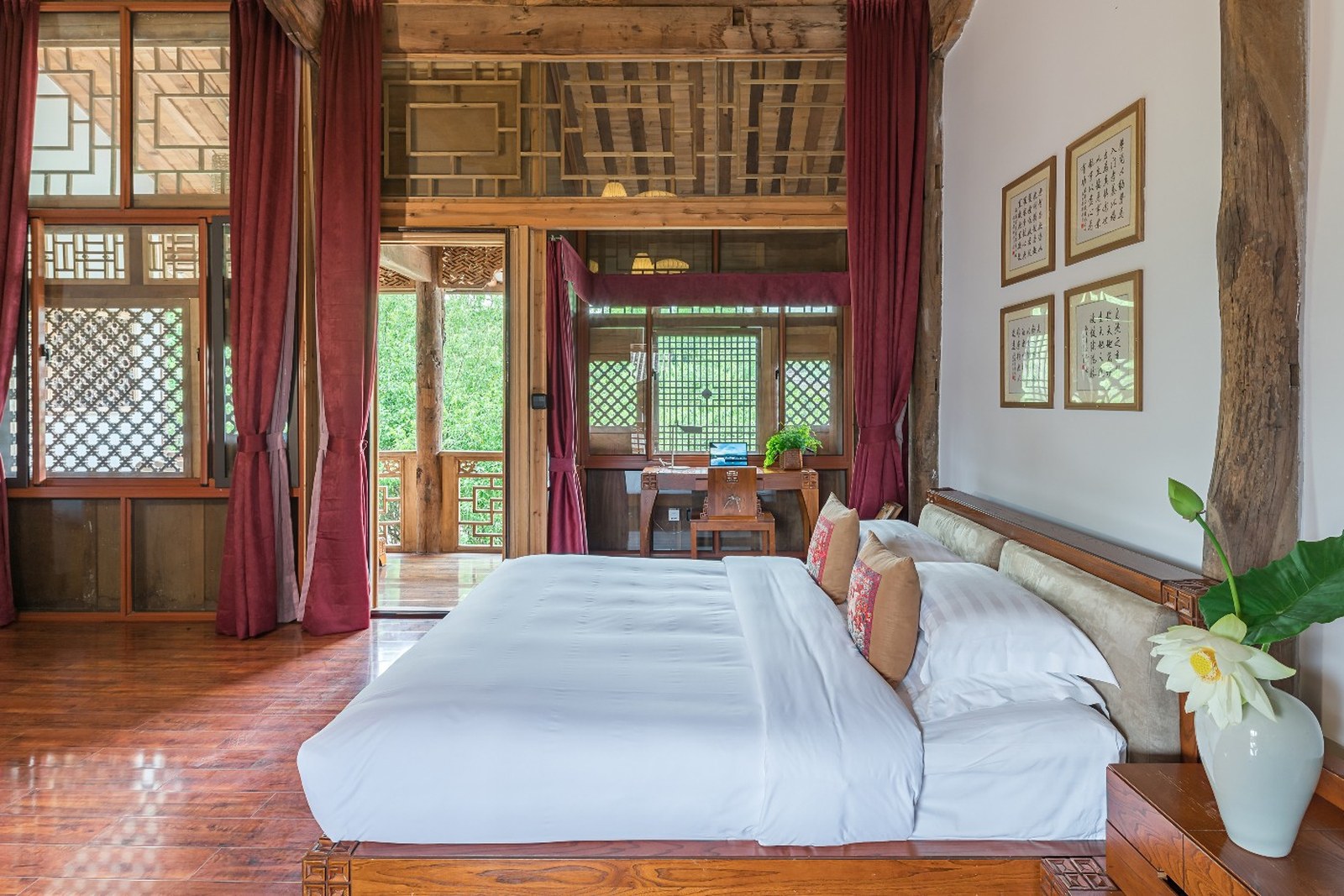
Where to stay: the volcanic-stone courtyard inns inside 和顺古镇 Héshùn Gǔzhèn in 腾冲 Téngchōng Tengchong – about 150-500 yuan a night depending on the season and the view (worth confirming current rates), breakfast included and the lanes silent after dark. All checked October 2026.