
化州市 Huà zhōu shì sits on the middle reach of the 鉴江 Jiàn jiāng, the river that drains most of this corner of western 广东, and a minsu here is a small family house in a county town that has been a 州 zhōu, a prefecture, since the Song. The older part of the town is on the west bank, around 宝山公园 Bǎo shān gōng yuán and the 中山路 Zhōng shān lù arcade street, with the 学宫 xué gōng, the Confucian temple, a few streets away; the newer city spreads east. There is water on both sides, the 罗江 Luó jiāng joining the 鉴江 west of the centre, and the county’s whole identity is wrapped around the citrus that grows in its soil.
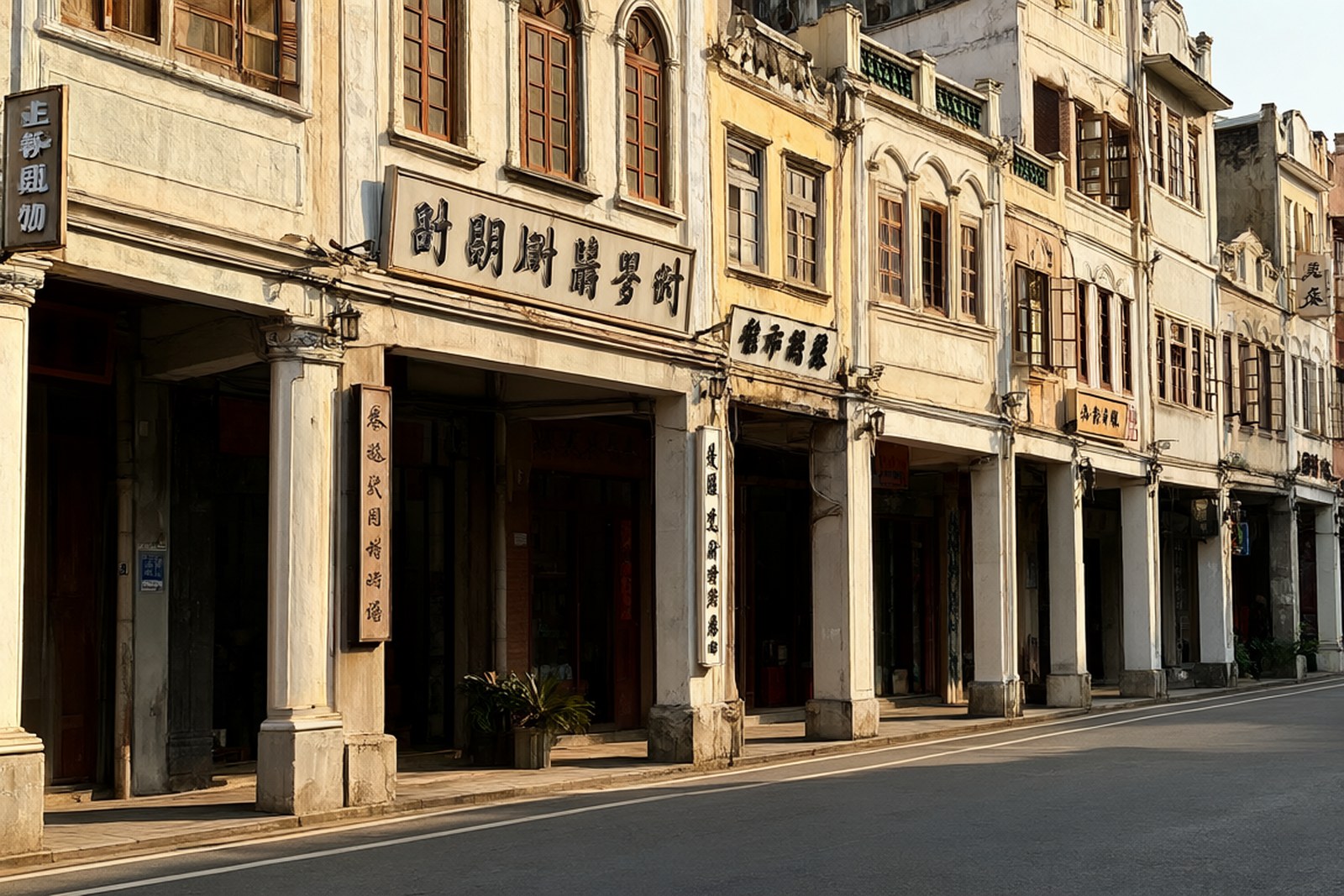
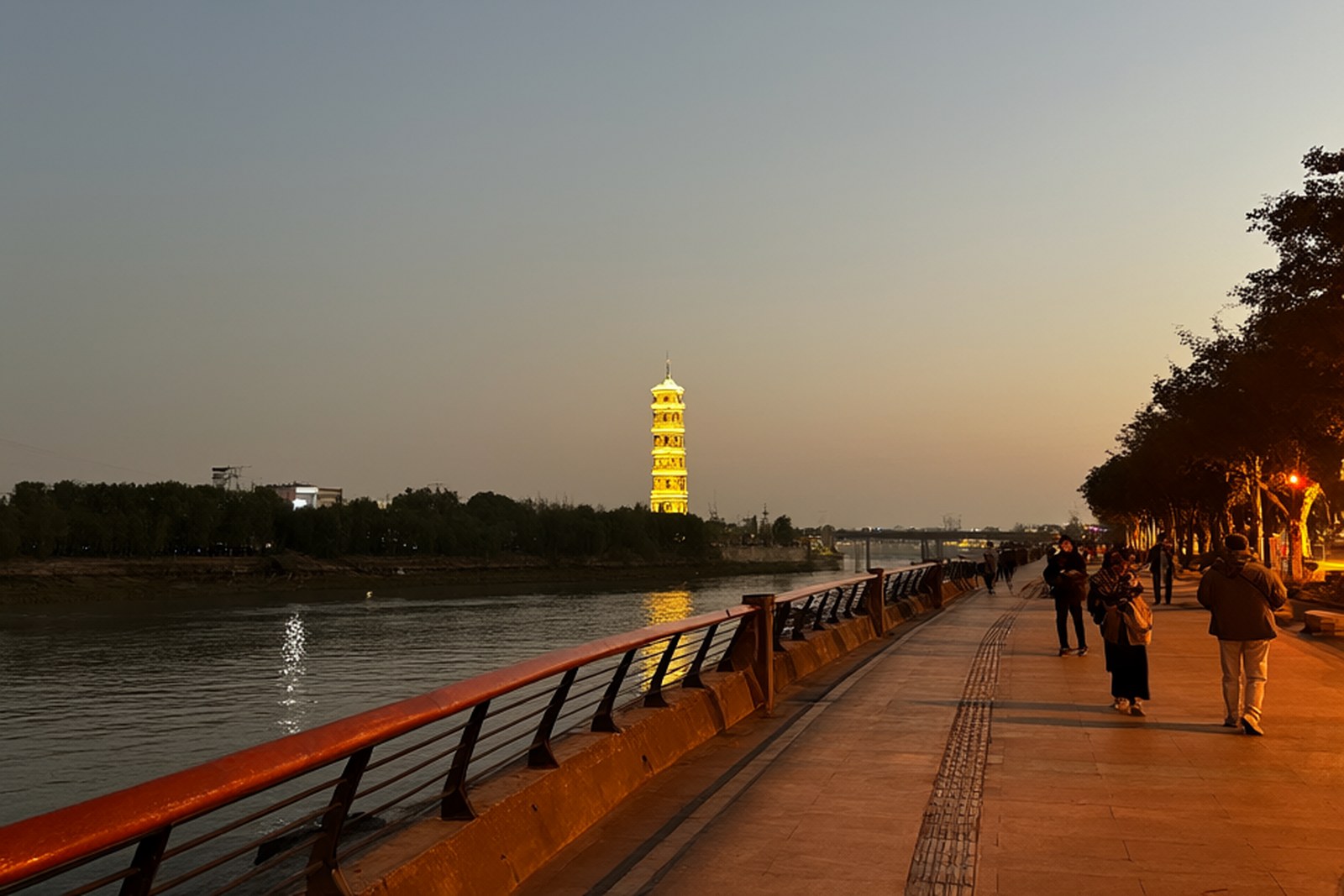
The town is small and old and pleasant to walk, and the two things to do in it are both on the west bank. 宝山公园 is the hill in the middle of the old town, one of the eight classic views of the prefecture under the name 宝山积翠 Bǎo shān jī cuì, and the top of it looks down on the roofs and the river. The 化州学宫 Huà zhōu xué gōng is the Confucian temple, the largest and best-preserved in western 广东, with red walls and grey tiles and a courtyard, free to enter and closed on Mondays. Between them are the arcades of 中山路, a food street, the county museum, and a pagoda on the river, the 文光塔 Wén guāng tǎ, that is lit at night. 南山寺 Nán shān sì, founded in the Tang and rebuilt in a Ming and Qing palace style, is out at 丽岗镇 Lì gǎng zhèn; the 广垦 national tropical agriculture park and the 化橘红 museum are on the 石湾 side of town.
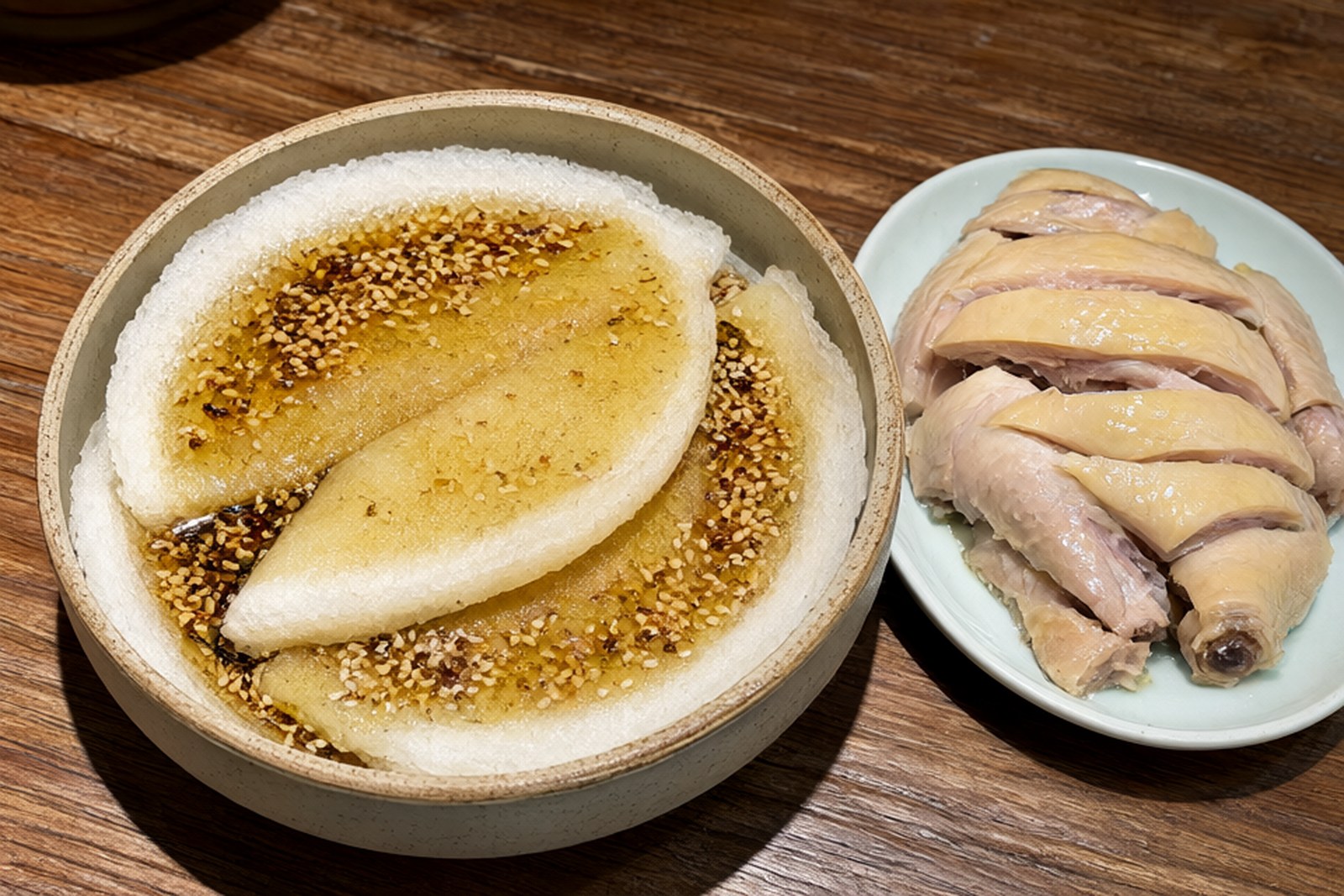
The county eats well and cheaply, which is the other argument for staying in the town rather than passing through it. 化州香油鸡 huà zhōu xiāng yóu jī is the local signature – a poached chicken dressed with a sesame-and-peanut oil infused with sand ginger, tangerine peel and a dozen other aromatics, served with the skin crisp and the meat cool. 簸箕炊 bò ji chuī, steamed rice-milk sheets cut and dressed with garlic oil, is the street snack; the 拖罗饼 tuō luó bǐng, a thin-crust pastry with a sweet filling that the county dates to the Song and lists as provincial intangible heritage, is the thing to take away, along with the juhong tea. The 糖水 táng shuǐ shops run all evening: mung bean, taro and sago, 槐花凉粉. And the county’s own festivals are worth timing a visit around – the 年例 nián lì banquets, when every household cooks for anyone who turns up, are the local expression of the habit and the local saying is that the more guests come the better the year will be.
The reason this is a minsu rather than a hotel listing is that the county has almost no large hotels and the accommodation that exists is family-run rooms, small guesthouses and a handful of newer business hotels in the town centre. What the family places offer instead is location and food: a room in a house on a lane off 中山路, drying trays on the roof in the juhong season, the smell of the peel in the yard, and a host who will tell you which 香油鸡 shop is the right one. Expect the price of a provincial Chinese guesthouse rather than of a city hotel, and expect a correspondingly small amount of English. The compensations are that the town is genuinely untouristed, that the river walk at dusk is beautiful, and that the whole of the old town is walkable in an afternoon.
What the Rooms Are Like
Expect fifteen to thirty square metres in a converted family house or a small guesthouse, with a firm bed, air conditioning, a kettle and an attached bathroom with a wet-room shower; the better ones have been refurbished and the older ones have not. Ask for an upper floor with a window over the street or the roof, because the ground floor rooms are darker and noisier; ask whether the hot water is a boiler or a heater, because a heater means waiting. Wifi is usually present and usually slow. The newer business hotels in the town centre are the fallback if a hard bed and a thin wall are a problem, and they cost more for less character.
Practicalities
Price. A room in a 化州 minsu or guesthouse runs ¥100 to ¥260 a night, and the newer town hotels ¥180 to ¥380; this is one of the cheapest places to sleep in the whole of western 广东, and the food is priced accordingly.
Address. The minsus are in 化州市 Huà zhōu shì, mostly in the old town on the west bank of the 鉴江 around 宝山公园 Bǎo shān gōng yuán and 中山路 Zhōng shān lù, with the newer hotels east of the river; 南山寺 is out at 丽岗镇 and the agriculture park at 石湾街道, both a short drive away.
Rooms. Ask for an upper floor with a street window, for a written Chinese address to hand a driver, and for a recommendation on 香油鸡 rather than a list of restaurants. In the juhong season ask whether there is a roof you can see the drying on. Ask about the 年例 dates if you are travelling in the first months of the year, because the town shuts for its own party and a guest may well be invited.
Getting there. 化州 is on the corridor west of 茂名市, about forty minutes by road from 茂名站 Mào míng zhàn on the 深湛 railway, with 广州 roughly two and a half to three hours away by train. The 沈海 expressway passes to the south and the 茂湛 corridor runs through the county. There is no airport; arrivals come through 湛江 or 广州. Inside the town everything worth seeing is within walking distance of the river.
Where to stay: a minsu or small guesthouse in the old town of 化州市, on the west bank of the 鉴江 near 宝山公园 and 中山路. Eat the poached chicken and the steamed rice sheets, walk the arcades and the river in the evening, and buy the peel and the pastry on the way out.
flowcloud would say that a county which named its soil after a mineral, made the fruit that grows on it into a tribute, a tea and an industry, and still sells its best dinner for the price of a coffee, has been comprehensively overlooked by everybody in a hurry.