
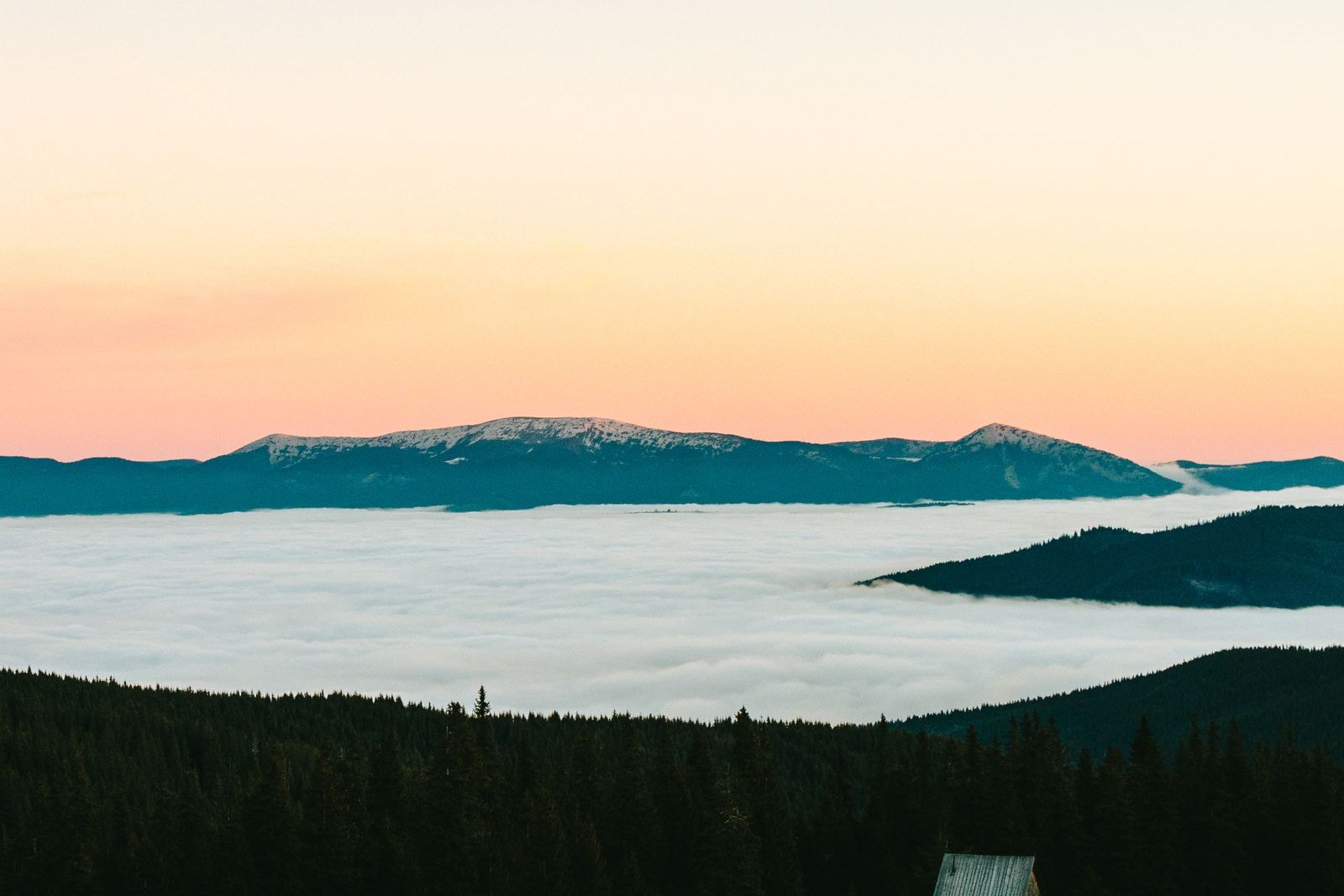
The fog arrives at about four in the afternoon and does not leave until nine the next morning, and the lodge is above most of it. From the terrace at 1,500 metres you watch it fill the valleys below like something being poured, and then the peaks come out of it one by one in the morning — the highest is 壶瓶山 Húpíng Shān itself at 2,098.7 metres, the mountain every county sign calls the Roof of Hunan. At night, with no town for thirty kilometres in any direction, the sky is the sort that makes people from cities stand outside in silence. The lodge rooms are simple, timber, with a wood-burning stove in the common room and hot water that depends on the season; ¥200–420 a night including two meals is the normal arrangement.
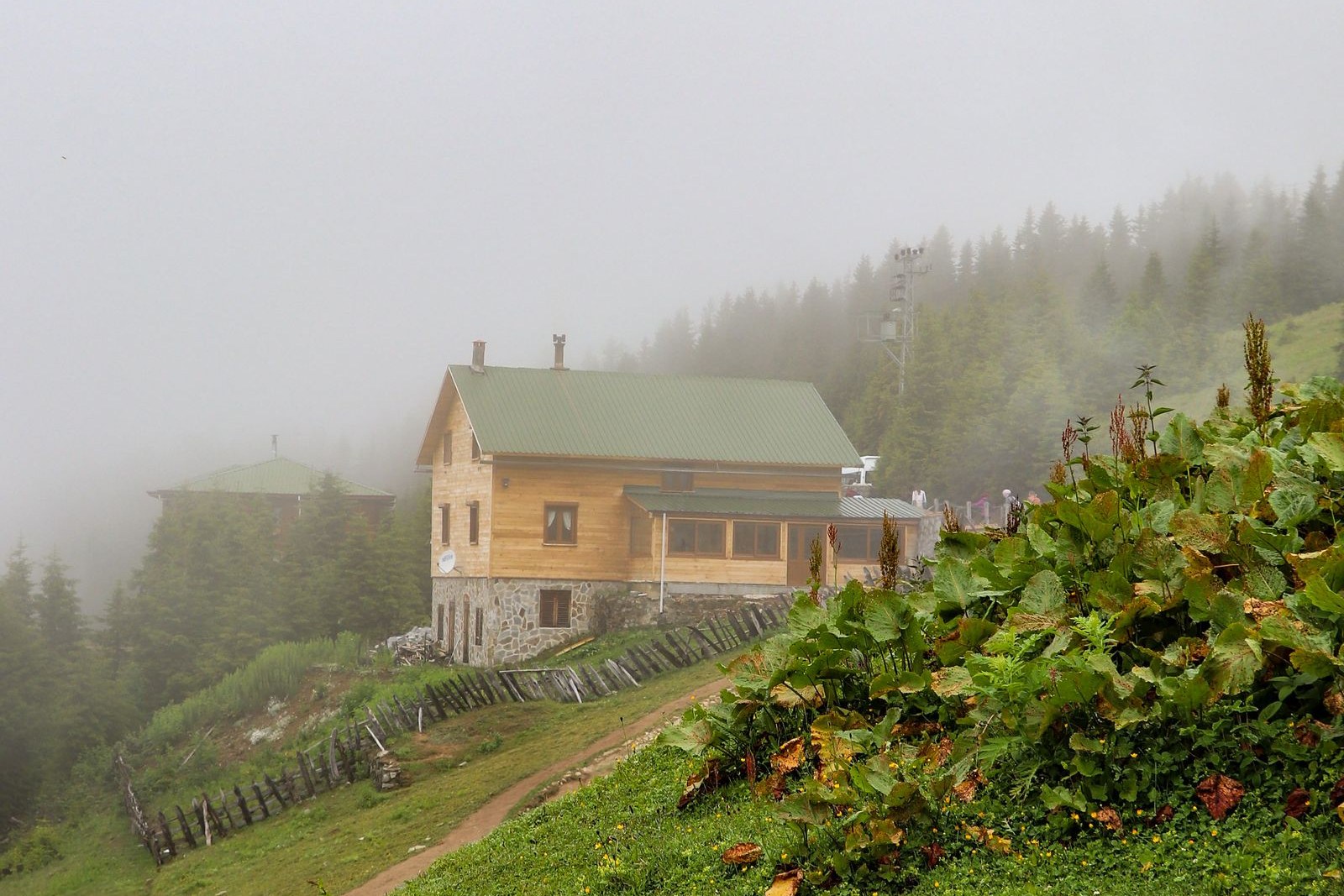
壶瓶山 Húpíng Shān is the highest mountain in northern Hunan and the reason it is not famous is access. It sits in 石门县 Shímén Xiàn, in the far north-west of Changde, on the Hubei border, and the drive up from the county town takes two hours on a road that is narrow, steep and frequently fogged. The massif is a national nature reserve — provincial from 1982, national from 1994 — protecting one of the richest temperate forests in central China: more than three thousand species of vascular plants recorded, five hundred and sixty-odd terrestrial vertebrates, and a list of rare animals including clouded leopard, golden cat and, officially at least, the South China tiger, which has not been photographed here in decades but whose habitat the reserve is still managed for. In 2023 it was placed on the IUCN Green List of protected and conserved areas. It is not a theme park; it is a mountain that is mostly left alone.
The name comes from the summit’s shape: high at the edges and hollow in the middle, like the neck of a jar. The climb is not technical but it is long — the standard route takes five to seven hours up and back — and the upper section is steep, with 70-degree slopes on three sides and a gentler approach from the south-east. What you get at the top, on a clear day, is a sea of cloud with the Wuling range poking out of it. What you get most days is cloud. The mountain’s other attractions are lower down: the 象鼻子沟 Xiàngbízi Gōu gorge with its waterfalls, the rafting run on the river in summer, and the old tea country around 壶瓶山镇 Húpíngshān Zhèn, a market town that grew up in the Ming on the back of the tea trade.
What You Are Paying For
Price. ¥200–420 for a lodge room with meals. At the gate and in the town below, ¥100–200 without. This is inexpensive mountain accommodation, not luxury, and the price is genuinely a function of altitude and how far the vehicle had to go.
Address. 壶瓶山国家级自然保护区 Húpíng Shān Guójiājì Zìrán Bǎohùqū, 石门县 Shímén Xiàn, 常德市 Chángdéshì. The lodges cluster around 江坪河村 Jiāngpínghé Cūn and the gorge entrance.
Rooms. Ten to forty; some are converted farmhouses with private bathrooms, some are bunk-style for hikers. Ask about the stove and about hot water, and ask whether the road to the lodge is passable, because after heavy rain it sometimes is not.
Getting there. About 130 kilometres and three hours by car from 常德 Chángdé city; two hours from 石门 Shímén county town. There is no practical public transport to the upper mountain. Hire a car with a driver locally for ¥400–600 a day, or come as part of a hiking group, which is how most people do it.
What the Locals Know
The park closes early. Gates are around 08:00–16:30 in much of the reserve and the summit road is not lit. Do not plan to drive up after three in the afternoon.
Rain changes everything. The trails turn into streams and the leeches come out. Bring proper boots and check the forecast twice.
The mountain runs cold. Two thousand metres in Hunan is not high, but it is ten degrees below the valley and wet; a summer visit needs a jacket, and October needs a coat.
Eat at the lodge. There is nowhere else. The farm kitchens do mountain chicken, smoked pork from the rafters, wild vegetables and bamboo shoot, and it is the best food within thirty kilometres by a wide margin — ¥40–70 a head.
Where to Stay
Stay inside the reserve if you want the summit and the dawn; stay in 壶瓶山镇 Húpíngshān Zhèn if you want a bed with a heater and a shop, and drive in. The serious version is two nights: one to arrive and walk the gorge, one to climb. In winter the upper lodges close and the road may be closed with them.
flowcloud would say that the highest mountain in the north of a province of seventy million people is also one of its least visited, purely because the road is bad — and that this is probably the best thing that ever happened to it.
Where to stay: 壶瓶山 (Húpíng Shān) national nature reserve, 石门县 (Shímén Xiàn), 常德市 (Chángdéshì), 湖南 (Húnán). Lodge rooms ¥200–420 with meals, gate guesthouses ¥100–200. Three hours by car from 常德 (Chángdé), two from 石门 (Shímén); hire a car ¥400–600 per day. Park gates around 08:00–16:30, no night driving. Bring boots and a coat, and eat at the lodge.