
Rooms on the Planned Grid: Where to Sleep in Downtown Huyanghe
新城灯如昼,客枕一湖凉 Xīnchéng dēng rú zhòu, kè zhěn yī hú liáng – The new city’s lamps shine like day; a guest’s pillow keeps the lake’s cool
正文:胡杨河市 Húyáng hé Shì Huyanghe City keeps compact hotel stock along its planned avenues – new business rooms, corps guesthouses and a pair of branded mid-rises, all within ten minutes of the wetland park, the history hall and the food lanes. This is a working city’s lodging: clean, modern, fairly priced, and built for the farm-belt travelers and survey crews who fill the weekdays. For a visitor the arithmetic is simple – every downtown bed puts the whole city inside a short walk or a shorter taxi.
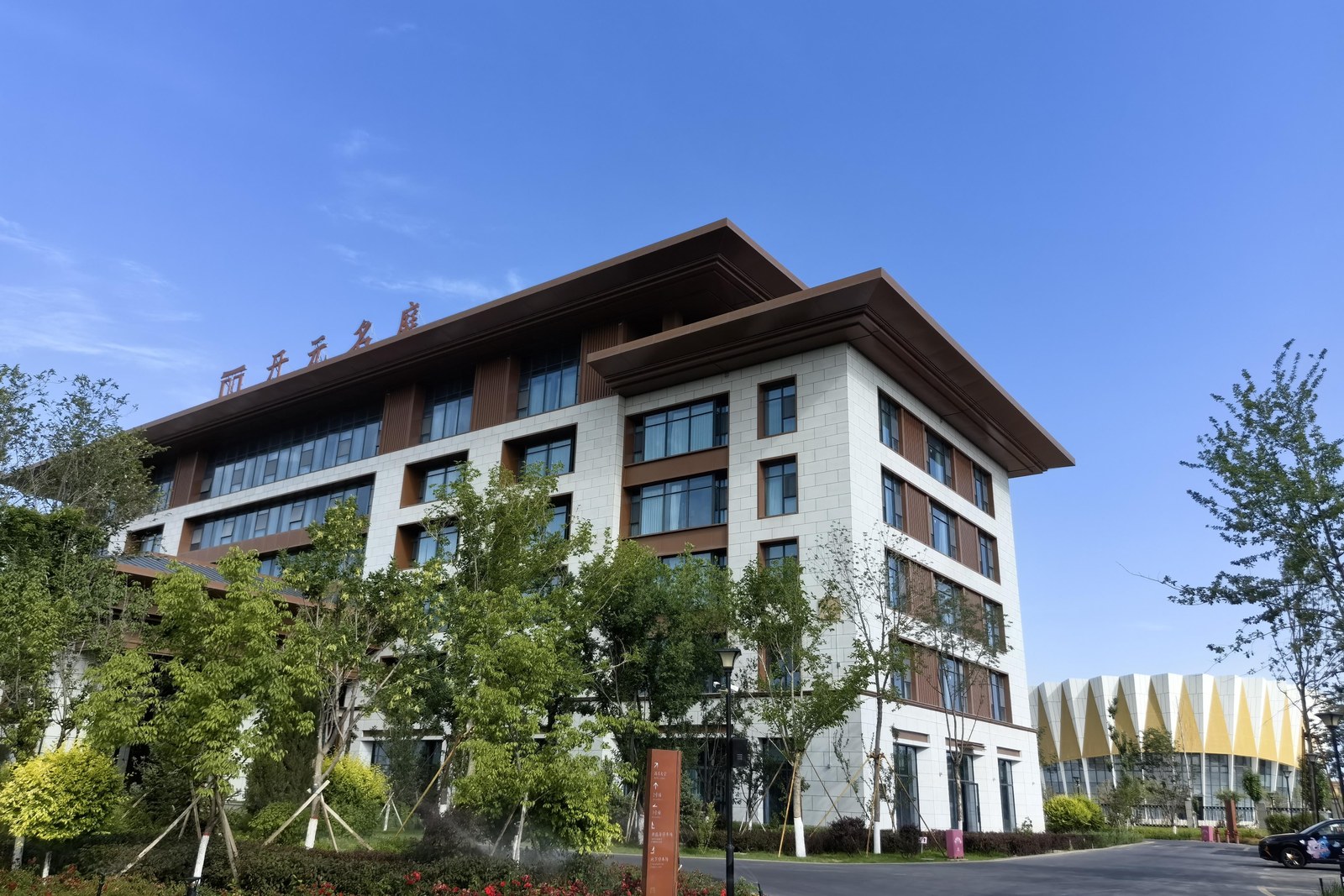
The room tiers sort cleanly. The branded mid-rises near the civic quarter run full business standard – big beds, blackout curtains, breakfast buffets sized for delegations – while the family-run hotels along the side avenues offer simpler rooms at friendlier rates, often with the owner’s second job (print shop, farm supply, estate agency) visible through the lobby door. What none of them charge for, and all of them deliver, is quiet: a young city with wide streets sleeps like a suburb, and the loudest thing past ten at night is the park’s fountain program winding down.
Booking logic follows the seasons. October’s gold weeks fill the city from the poplar stands outward – book a fortnight out or accept the overflow inns – while winter runs half-empty and negotiable. Business travelers have already discovered that Huyanghe’s rooms undercut the neighboring big cities for the same standard; leisure travelers are still catching up, which keeps the breakfast rooms local and the advice at the front desk honest.
The morning geometry seals the choice. Step out of any downtown hotel and the planned grid does the orientation: the civic square one way, the wetland’s reed line the other, the food lanes diagonal between, and the poplar avenues running like ruled lines toward every gate. Coffee culture has not arrived in force – the breakfast counters are noodle bowls and tea – but the rooms run hot water at farm-town pressure and the wifi holds a video call without complaint, which is the real luxury of a city built this recently.
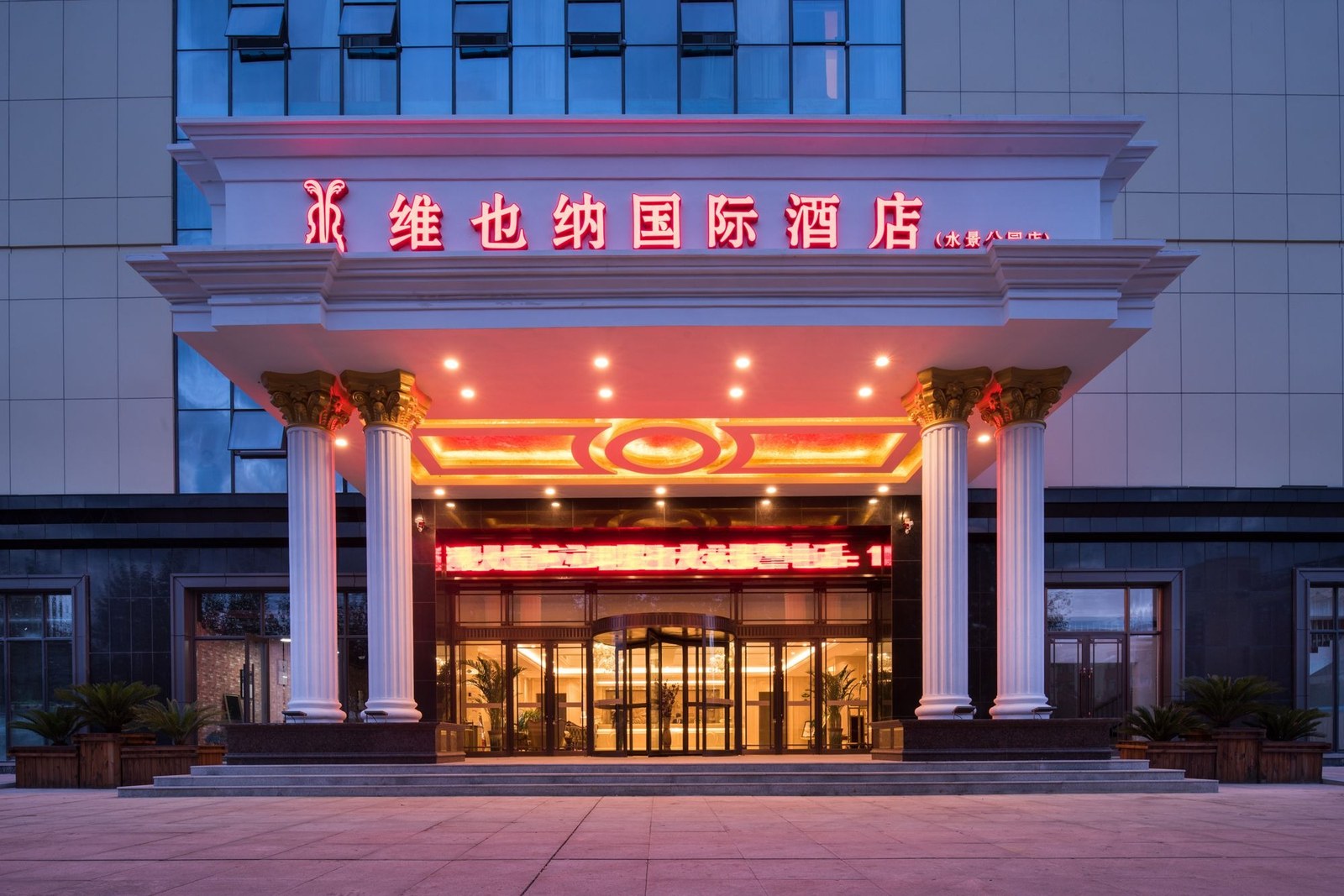
Practicalities first: the hotels cluster along the central avenues within walking distance of the park and the food lanes; confirm heating from October since winters run sharp on this stretch of the northern oasis belt, and book the gold weeks early. Everything else – taxi ranks, the evening square, the market lanes – arranges itself around a downtown bed.
The Stays
The branded mid-rises near the civic quarter suit the business standard and the delegation breakfast; the family hotels on the side avenues trade stars for rates and local advice, and both tiers put the wetland, the history hall and the food lanes inside ten minutes. Doors: the same 胡杨河市 Húyáng hé Shì Huyanghe City keeps wetland-side rooms for dawn birding, farm-town lodging by the Gobi Mother residence, inn rooms at the poplar stands, and courtyard farmstays on the regiment farms – four more doors into the same 胡杨河市 Húyáng hé Shì Huyanghe City. Once the city base is set, our Huyanghe food map fills the day.
The Stays
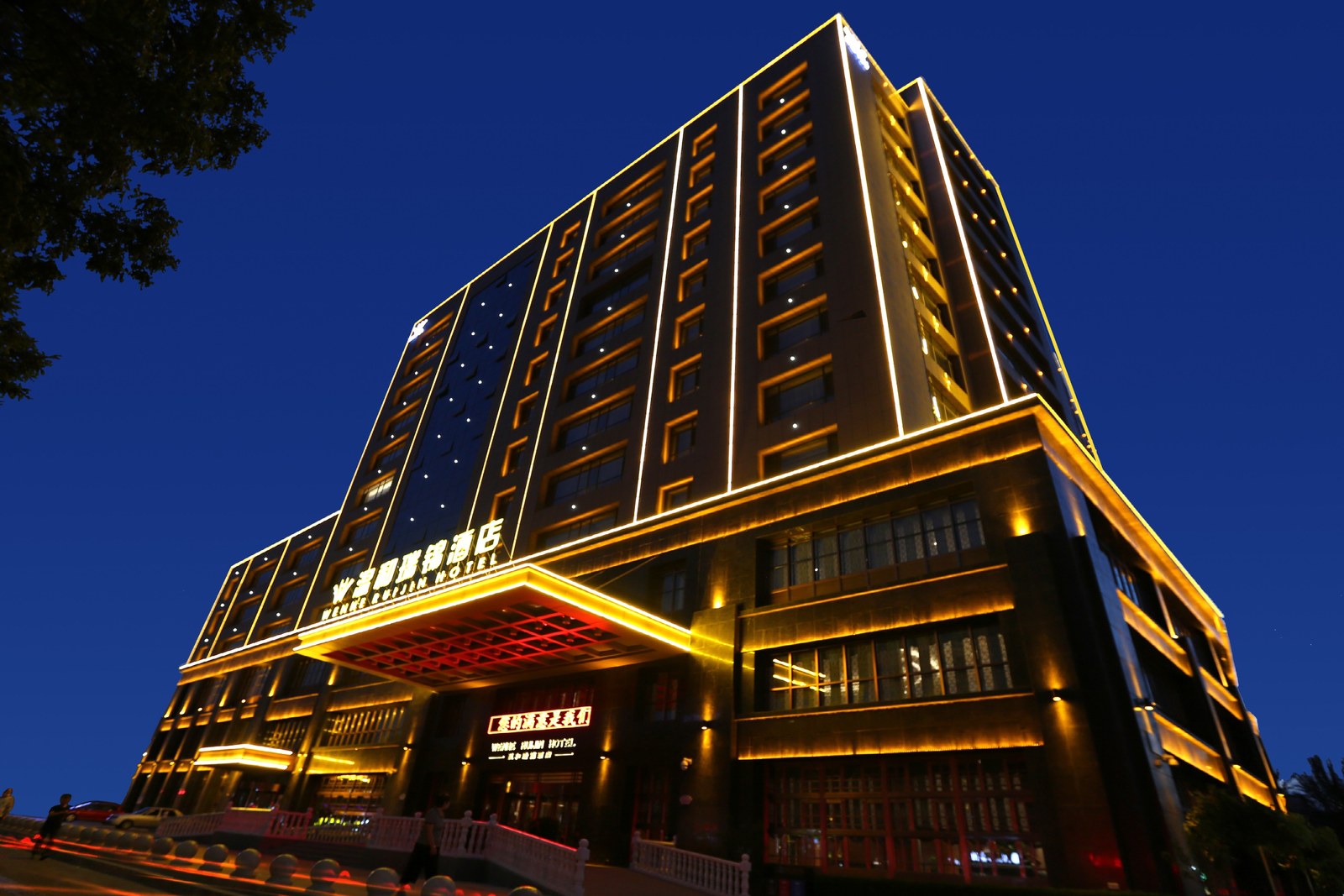
flowcloud would say downtown Huyanghe sleeps the way the city was drawn: straight lines, wide margins, and everything within reach – hotel stock young enough to be spotless and local enough to tell you which grill row lights first. All checked November 2026.
Where to stay: Book along the central avenues for walking distance to the park and food lanes, confirm heating from October since winters run sharp, and use the city as the base for both the wetland and the farm runs. All checked November 2026.