
嘉积镇 Jiā jī zhèn is the seat of 琼海市 Qiónghǎi shì and the town the county actually uses, and a city hotel here is a tall block on the 万泉河 Wàn quán hé or a few streets back from it. The river runs along the western side of the town on its way down to the sea at 博鳌, and the promenade above it is where 嘉积 walks in the evening; the commercial centre, and the part a visitor wants, is a couple of kilometres inland, because that is where the food is. The county’s own slogan for itself is 食在海南、味在琼海 – eat in Hainan, taste in Qionghai – and the proof of it is within a twenty-minute walk of any hotel in this town.
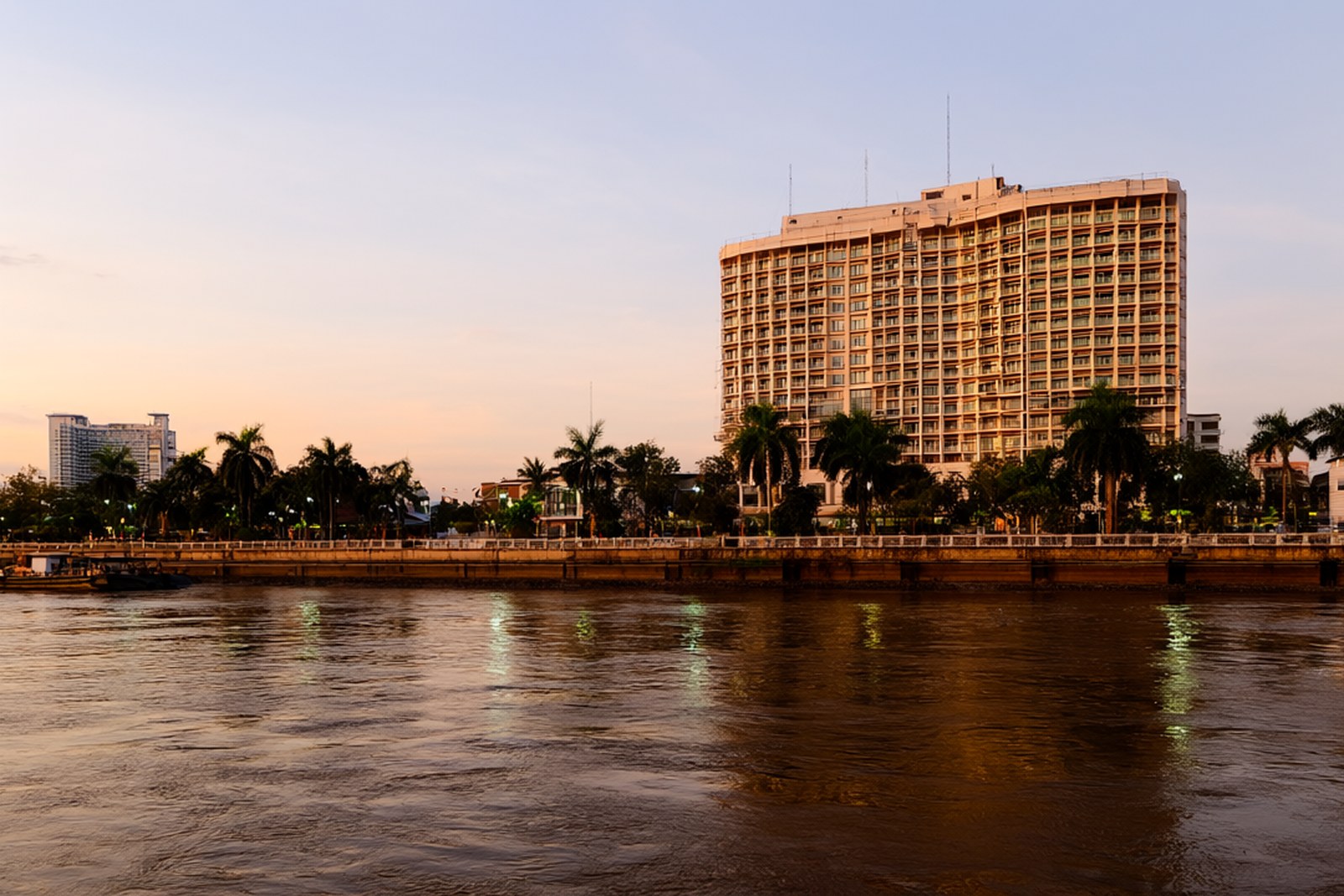
The town is a river port that grew fat on two things at once, and both of them are still on the menu. The first is the 万泉河 itself, which gave it the crossing, the trade and the fish. The second is emigration: for a century and a half the families of 琼海 sent their sons abroad, to Malaya, Singapore, Indonesia and Thailand, and the money they sent home built the shophouses and brought back the recipes and the ingredients. 嘉积鸭 Jiā jī yā, one of the four famous dishes of Hainan, is the clearest example, a duck the county’s own record says came back from Malaya with a 嘉积 emigrant in the Guangxu years of the Qing and was bred here until it became a local bird; the 温泉鹅 wēn quán é is the county’s other famous animal, poached whole and eaten with a dip of garlic, 沙姜 and small green lime.
The evening is the part of the town with a reputation and it belongs to the 杂粮 zá liáng shops. 杂粮 means mixed grains, but in 琼海 it is the name of a whole repertory of cold sweet bowls and small rice cakes, and 嘉积 has a street’s worth of long-established houses selling them: 清补凉 qīng bǔ liáng, the island’s bowl of beans, jelly, fruit and coconut milk; 鸡屎藤粿仔 jī shǐ téng guǒ zǎi, rice-flour balls kneaded with the crushed leaf of a wild vine and served in ginger syrup or iced coconut milk; 芒果肠粉 máng guǒ cháng fěn, the cold coconut roll round ripe mango; 薏粑 yì bā, the coconut and peanut sticky-rice cake steamed in a banana leaf. The shops open around eleven and trade until ten or later, and the streets around 金海路 Jīn hǎi lù and 银海南二横街 Yín hǎi nán èr héng jiē hold most of the old ones, along with the goose and duck restaurants that the town eats in from mid-morning.
The excursions from a 嘉积 base are short and cover the whole city. 官塘 and its hot springs are fifteen minutes west, with the 白石岭 ridge above them; 博鳌 and the river mouth are thirty minutes south, and 玉带滩 beyond that by boat; 潭门 and its fishing harbour and the 南海博物馆 are twenty kilometres east; the Nanyang arcades of 中原镇 Zhōng yuán zhèn are fifteen kilometres south-east; and the upper 万泉河, where the river comes down out of the hills, is an hour upstream. Two nights here is enough to eat properly and see most of it, and a third costs almost nothing because the town is cheap.
What the Rooms Are Like
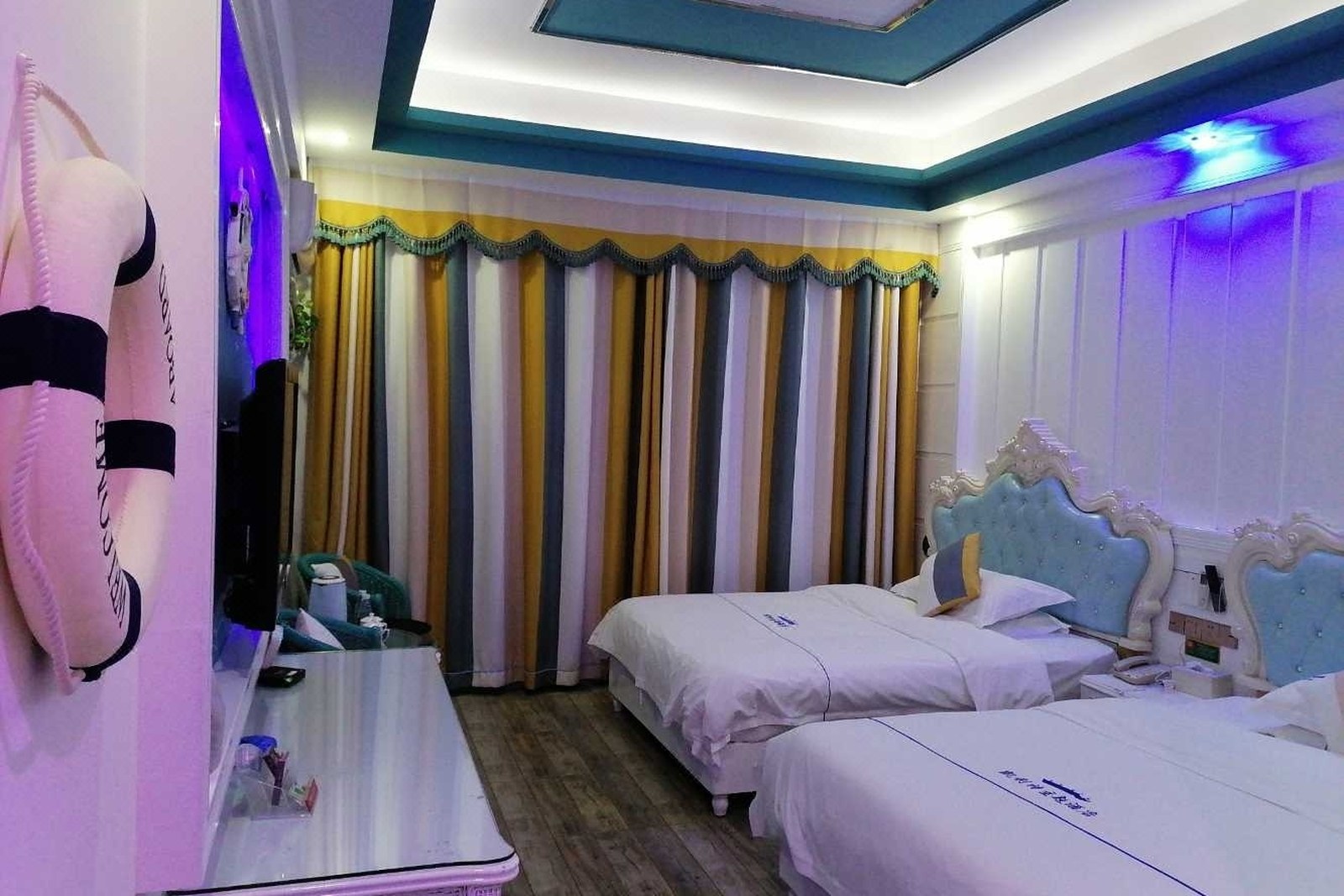
Expect a room of twenty-five to thirty-five square metres with a firm bed, strong air conditioning, a clean bathroom with a shower and a desk, and a window over the river or over the street. The finish is plain and well kept rather than designed, and the value is good. River-facing rooms on a high floor are worth the small premium, and the inland side is quieter. Check that the hotel registers foreign guests, which the larger ones do, and ask whether breakfast is in the rate, because the better breakfast is a bowl of 嘉积 粉汤 or a plate of goose at a shop five minutes away.
Practicalities
Price. A double in a 嘉积 city hotel runs ¥180 to ¥420 a night in the shoulder season, and more over the October week and the Spring Festival. River-facing rooms and high floors cost a little more and breakfast is often included.
Address. The hotel is in 嘉积镇 Jiā jī zhèn, 琼海市, Hainan, on or within a few minutes of 万泉河路 Wàn quán hé lù and the riverfront, with 金海路 and the 杂粮 and restaurant streets about ten minutes inland by taxi. 琼海站 Qiónghǎi zhàn on the 东环 high-speed line is a few kilometres from the town centre, and 琼海博鳌机场 Qiónghǎi Bó’áo jī chǎng is about thirty minutes by road.
Rooms. Ask for a high floor facing the 万泉河 and for a room away from the main road if you sleep lightly. Ask the desk for a written Chinese address to hand to a driver, for the name of the nearest 杂粮 shop that opens late, and for the earliest goose restaurant in the morning; and confirm the registration position on foreign passports before you book.
Getting there. From 琼海站 a taxi to the town centre takes about ten minutes, and the airport is about thirty. 琼海 is on the 东环 high-speed line, so 海口 is an hour and 三亚 about an hour and a half, with 博鳌站 Bó’áo zhàn twenty minutes south for anyone going straight to the river mouth; by car the 东线 expressway runs just inland of the town. The centre is walkable, and a car or a taxi is needed for 官塘, 潭门, 博鳌 and the valley.
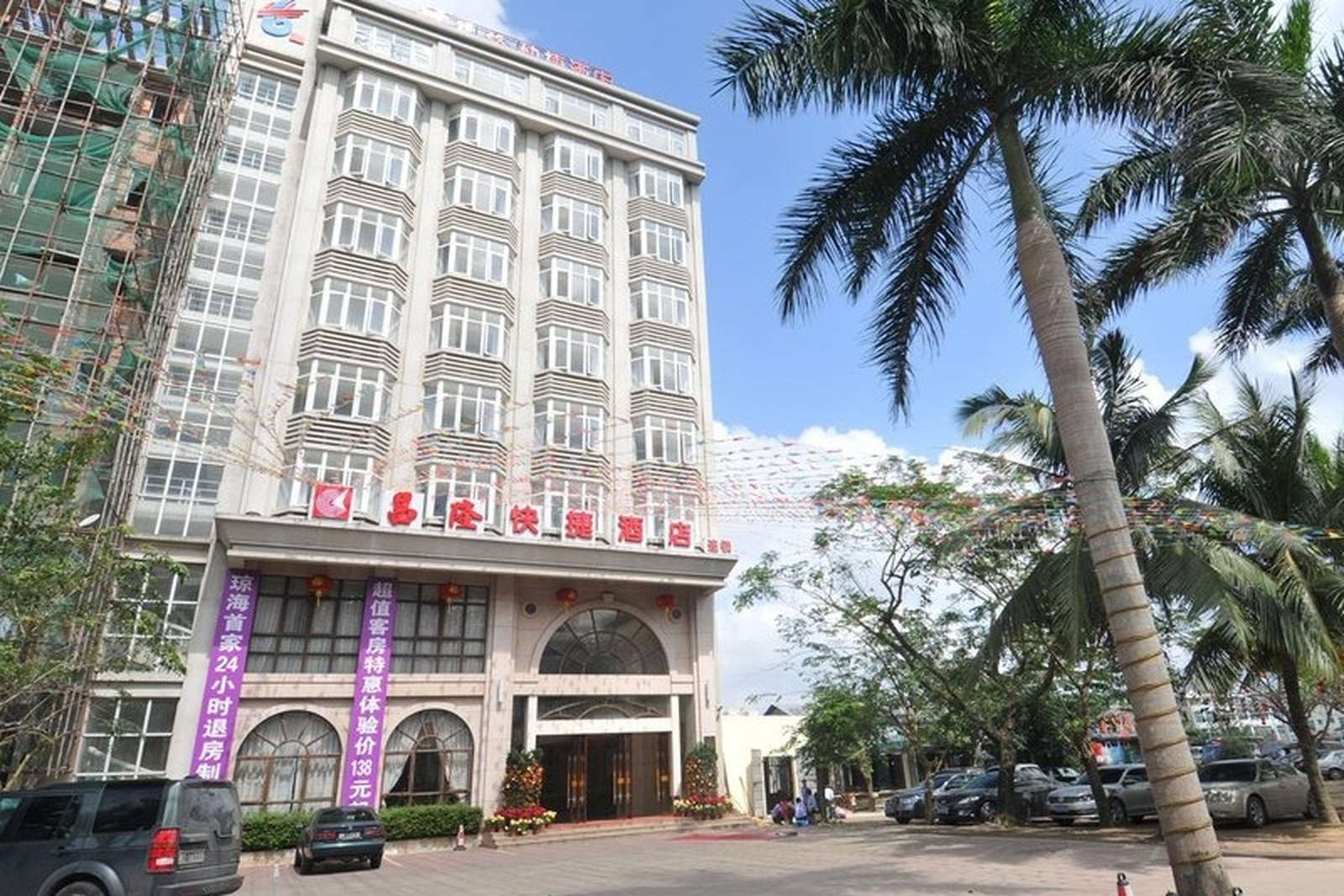
Where to stay: the city hotels of 嘉积镇, 琼海市, on or near the 万泉河 riverfront and within a taxi ride of 金海路 and the 杂粮 and goose streets. Take a high floor facing the river, eat breakfast on the street rather than in the hotel, and run the five county trips from here.
flowcloud would say that a river port which sent its sons away for a century and a half, spent what they sent back on shophouses and recipes, and now answers the question of what it is for with a street of dessert shops and a poached goose, has put its remittances in the one account that does not lose value.