
陆丰市 Lù fēng shì is the county-level city at the eastern end of 汕尾市 Shàn wěi shì, with 190 kilometres of coastline. Two towns do the work of this article. 碣石镇 Jié shí zhèn is an old garrison town, the seat of the Ming-dynasty 碣石卫 jié shí wèi coastal defence command, grown around the temple complex on its northern edge; 金厢镇 Jīn xiāng zhèn is ten or eleven kilometres south-west along the bay, a fishing coast with a Red Army history. 汕尾 is old 海陆丰 Hǎi lù fēng, and 陆丰 sits entirely on the coastal side of the line where the 福佬话 fú lǎo huà shore meets the Hakka hills of 陆河县 Lù hé xiàn.
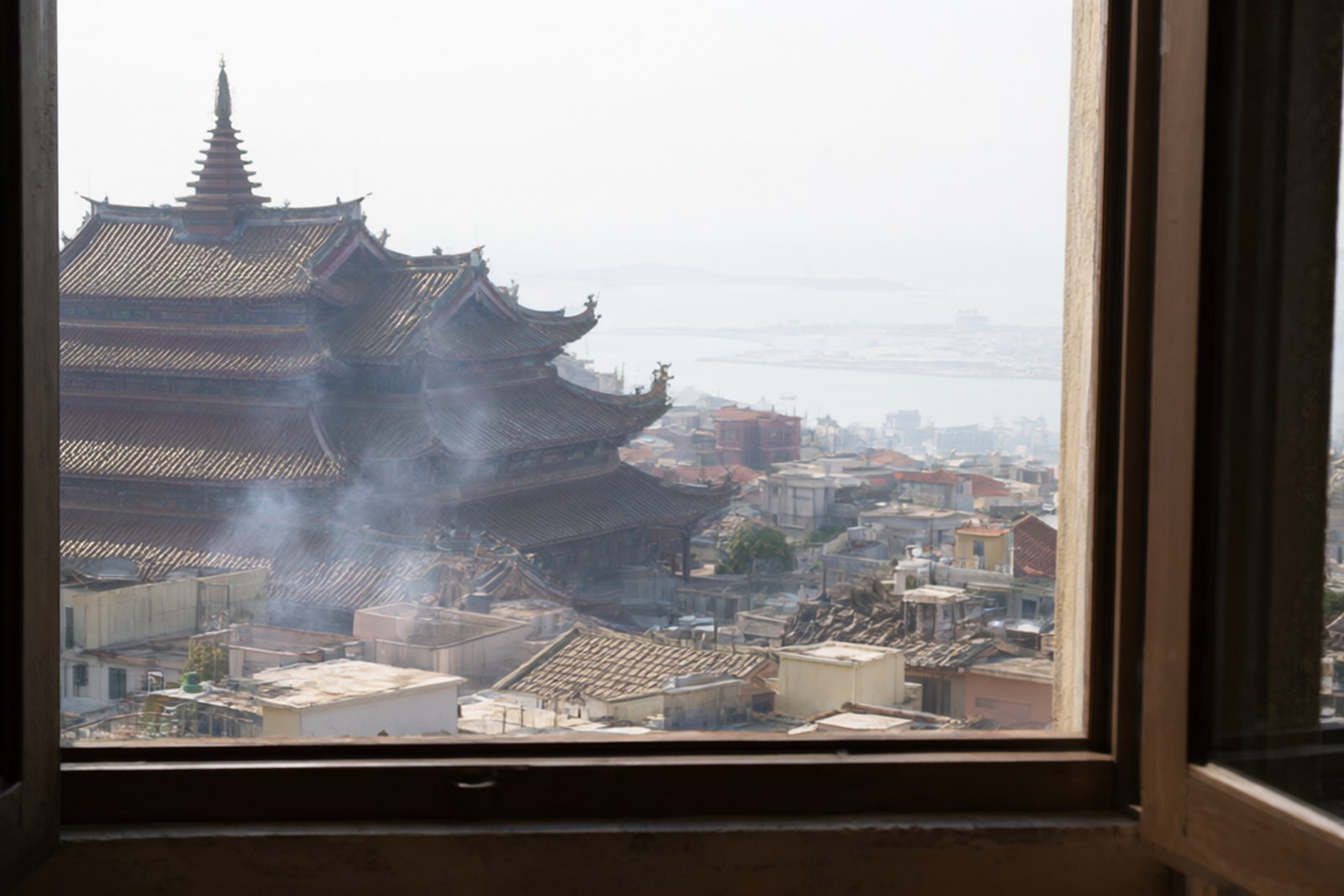
玄武山 Xuán wǔ shān and its 元山寺 Yuán shān sì are the reason the town has a hotel trade at all. Villagers built a small shrine on the hill called 圭山 guī shān in 1127, a garrison commander rebuilt it when the 碣石卫 town was walled in 1394, and it was enlarged in 1577 and rebuilt in 1880 by the Guangdong naval commander 方耀 Fāng Yào. The complex covers 150,000 square metres and a working temple that is both Buddhist and Taoist, a rarity in Guangdong. It is the centre of the 北帝 běi dì cult and carries the nickname 保外乡 bǎo wài xiāng, the protector of those far from home. Tickets are 25 yuan, 20 for a group and 5 to climb the pagoda, and the gate is open from 8:30 to 17:00.
The consequence of all that incense is the densest and least expensive hotel district in the prefecture, arranged in a ring around the temple. Within a kilometre of 元山寺 there are at least six properties you can walk from: 好遇酒店 on 玄武路 Xuán wǔ lù, 120 metres from the gate, listed from about 322 yuan on 29 September 2026 and about 205 on a second platform; 维也纳酒店 on the same road from about 369; 陆丰玄武山大酒店 390 metres away with a massage room and foot baths from about 227; and 玄季酒店 just under a kilometre out, from about 285. The band across the town is about 145 to 370 yuan, most of it between 170 and 290, and the rooms advertise zero-pressure mattresses, projectors and smart toilets.
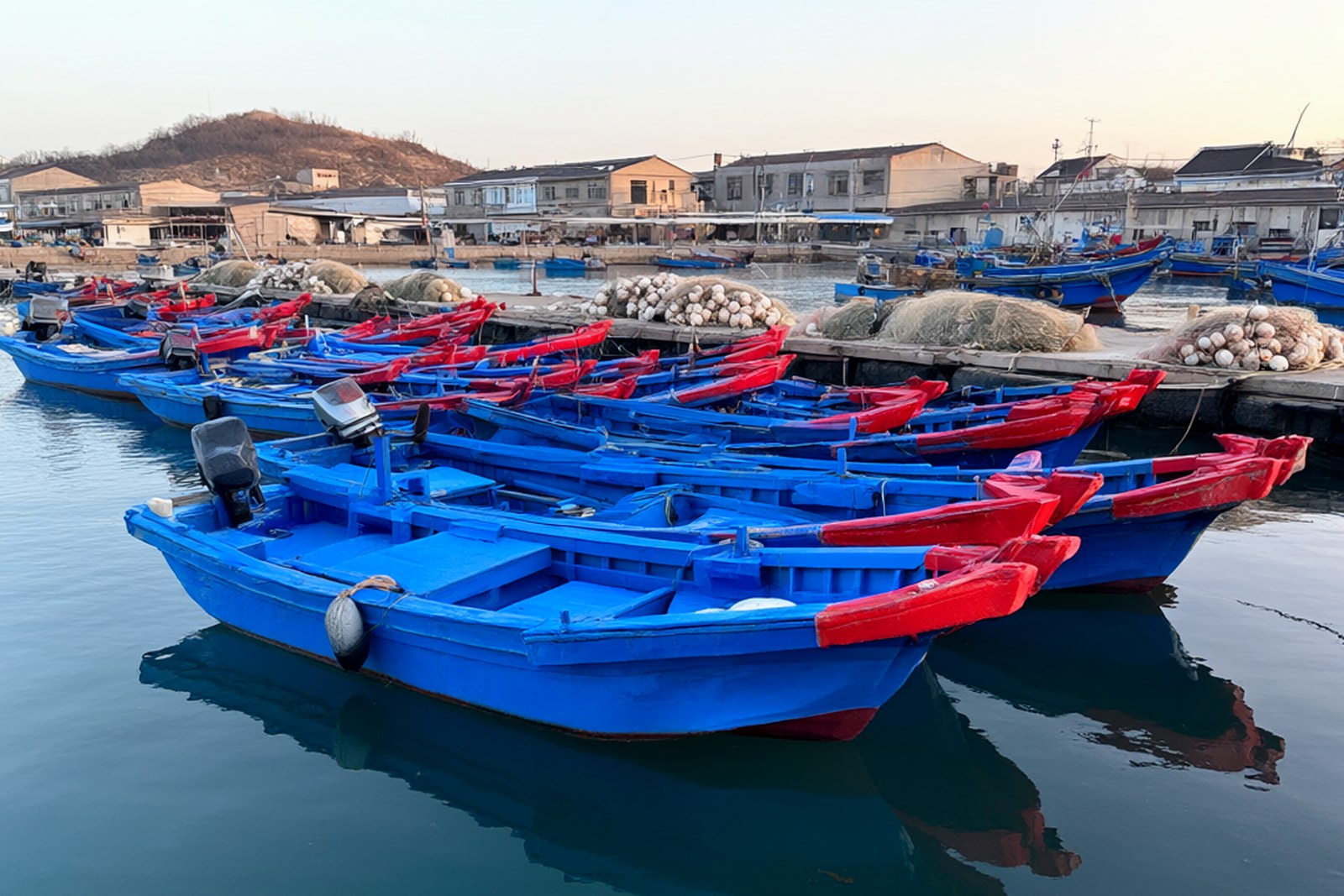
金厢镇 is the other half of the trip and it is a different kind of bed, because the property here is a fishing village house rather than a hotel block. 金轩民宿 at the 金厢银滩 Jīn xiāng yín tān end is listed from about 125 yuan and rated 4.7, and 陆丰海景民宿 is the best reviewed of the group at 4.9 and from about 187. 海纳金滩民宿小镇 at 城美村 Chéng měi cūn was announced in 2022 as a hundred-mu scheme with sixteen rooms and rates above 1,300 yuan, and by 2025 the county described the same site as about 300 mu with 46 courtyard rooms, three of them with private outdoor hot-spring pools; no 2026 rate for it is published anywhere. Several guesthouses in the villages have no booking page and no price, so this bay is a scatter of family-run sea-view houses at 120 to 300 yuan.
What the Rooms Are Like
The two towns give two different rooms and choosing between them is the main decision in 陆丰. In 碣石镇 you get a standard county business hotel: a lift, a firm bed, a smart toilet, a window onto the street or the roofs, and often a mahjong room. In 金厢镇 you get a village house converted to guests, fewer floors, no lift, a family at the door and a balcony or a courtyard in front. Three conditions apply to both. This coast is one of Guangdong’s three rainstorm centres, with 94 per cent of the year’s rain falling between April and September and the typhoon window from May to September. And the rocks and currents are dangerous, with official advice not to swim where there is no supervision.
Practicalities
Price. The pilgrim ring around 玄武山 Xuán wǔ shān runs about 145 to 370 yuan a night on OTA pages checked on 29 September 2026, most of the stock at 170 to 290. 金厢镇’s village guesthouses run about 120 to 300, 甲子镇 Jiǎ zǐ zhèn about 93 to 210, and the courtyard project at 海纳金滩 has no published 2026 rate. The temple itself is cheap: 25 yuan for an individual ticket, 20 for a group, 5 to climb the pagoda. Every figure is a snapshot and floats.
Address. The rooms are around 玄武路 Xuán wǔ lù and the streets off it in 碣石镇 Jié shí zhèn in 陆丰市 Lù fēng shì, 汕尾市 Shàn wěi shì, within a kilometre of 元山寺 Yuán shān sì; and along the coast road in 金厢镇 Jīn xiāng zhèn at the 金厢银滩 Jīn xiāng yín tān end, about ten or eleven kilometres south-west of the temple.
Rooms. Ask how far the walk to the temple gate really is, because several houses advertise themselves as being at 玄武山 and are a kilometre out, which in a hot afternoon is a taxi. Ask whether the window faces the street or an internal light well, since the town-centre blocks are dense. Ask whether the hotel has parking, because the ones on the ring mostly do and the ones inside the old lanes do not. And in 金厢 Jīn xiāng, ask by telephone whether the guesthouse is open and what it charges.
Getting there. 陆丰站 Lù fēng zhàn is the rail gate, on the Xiamen-Shenzhen line, and the town has a shuttle bus to it: it leaves from the waiting point beside the hotel on 北新大道 Běi xīn dà dào in 碣石镇, runs the 16-yuan route in about 45 minutes and calls at 玄武山大酒店 and the east gate of 玄武山 before going on through 桥冲镇 and 博美镇. From Guangzhou or Shenzhen the high-speed run takes about an hour and a half for roughly 100 to 150 yuan, and a shared car from the station to 碣石 is about 40 minutes at 30 to 50 yuan a head.
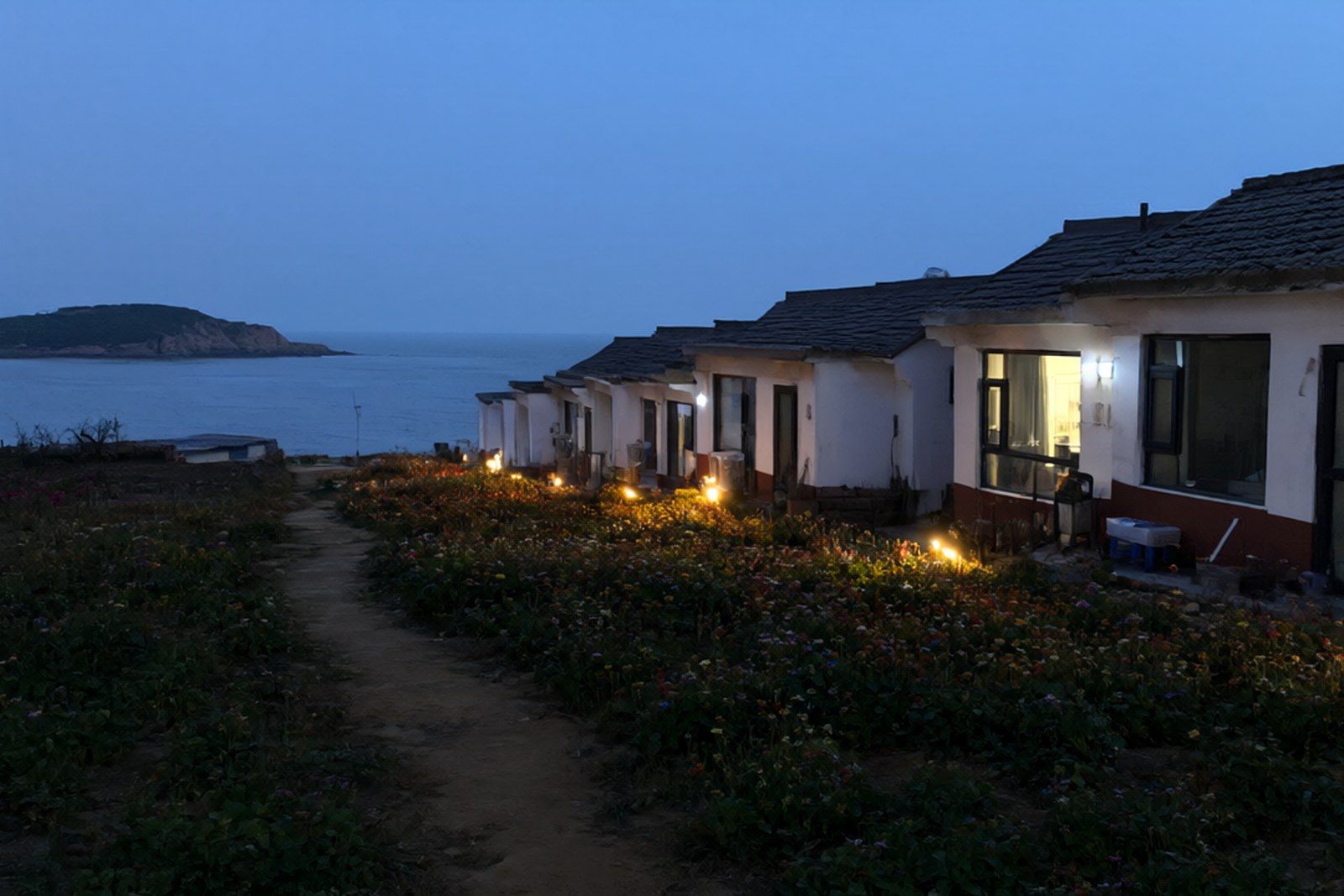
Where to stay: a room inside the kilometre ring around 元山寺 Yuán shān sì in 碣石镇 Jié shí zhèn if the temple is the reason for the trip, and a village guesthouse on the bay at 金厢镇 Jīn xiāng zhèn if the water is, both in 陆丰市 Lù fēng shì, 汕尾市 Shàn wěi shì, fifteen minutes apart by car. Come between October and April, when the typhoon months are behind you.
flowcloud would say that a town which has been selling beds to pilgrims since a temple went up in 1127 has quietly ended up with the cheapest and best-organised lodging in the whole prefecture, and that the correct way to sleep here is to take a room you can walk to the gate from, spend the morning with the incense and the afternoon ten kilometres down the coast with the boats.