
大渡口区 Dàdùkǒu Qū, Dadukou District, reaches west to 金鳌山 Jīn’áo Shān, Jin’ao Mountain, a reclaimed hill above the 跳磴镇 Tiàodēng Zhèn Tiaodeng Town terraced fields, and on its slope sits a rural-homestay cluster of a dozen-odd courtyard stays. The named ones – 长江石居 Chángjiāng Shíjū, 山屿汐·雲 Shānyǔxī Yún, 金鳌别院 Jīn’áo Biéyuàn and 多多小院 Duōduō Xiǎoyuàn among them – are low-rise courtyard houses with a mountain or a field view, run as family guesthouses rather than hotels, and the cluster is the reason the mountain reads as a place to stay rather than only a place to hike. None publishes a standard tariff; rates are quoted by the platforms season by season.
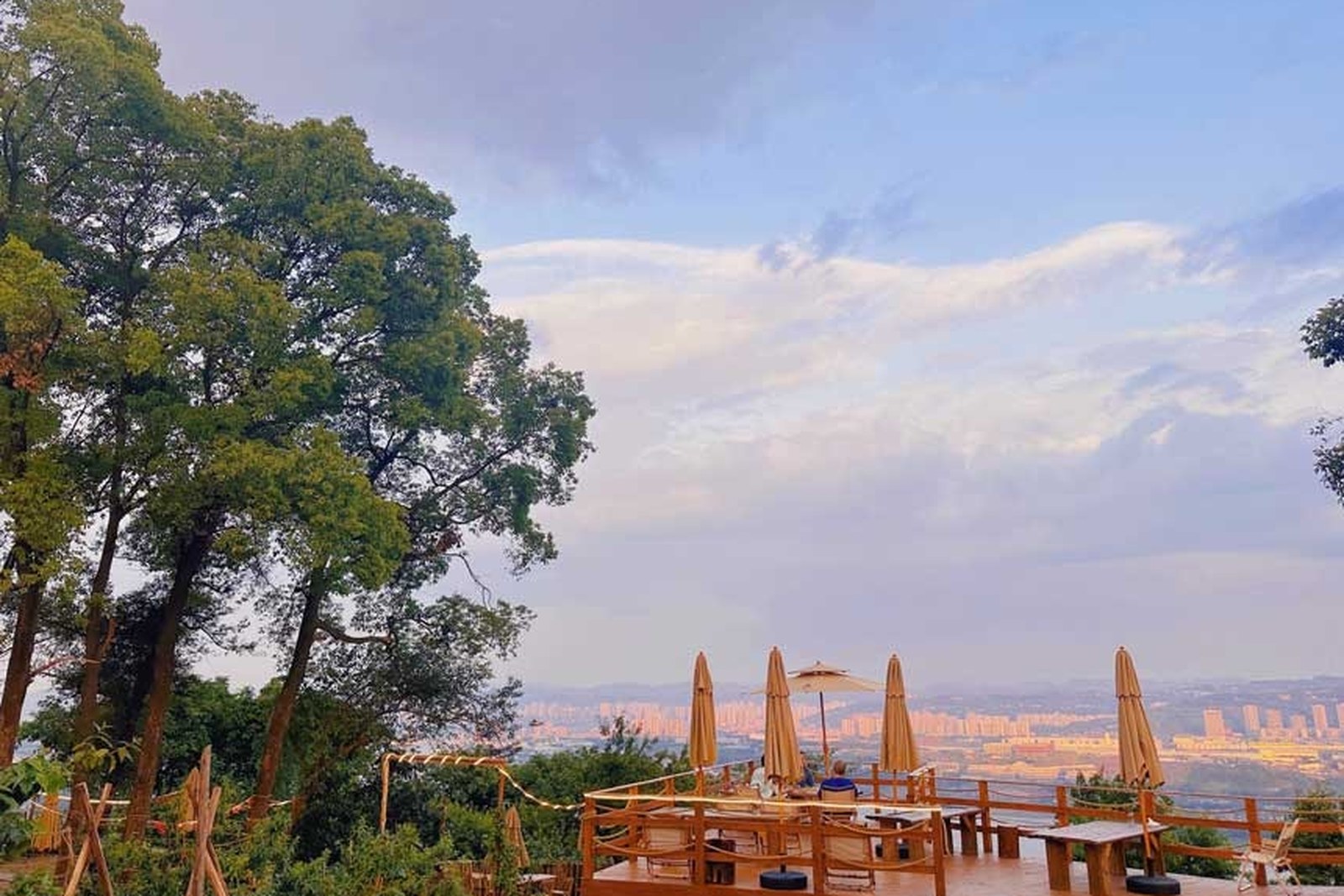
What the visitor actually sleeps in is a courtyard house rather than a room in a block. The Jin’ao cluster is a dozen-odd stays spread across the mountain’s terraced fields, and the named ones – 长江石居, 山屿汐·雲, 金鳌别院, 多多小院 – are low-rise timber-and-tile courtyard houses with a mountain or a field outlook, run by families rather than managed as a hotel chain. The mountain is a reclaimed one: the terraced flower fields are the district’s rural-tourism face, about 200 mu of five-colour terraced flower sea in season, and the guesthouses sit above those fields rather than beside a road, which is the honest distinction from a roadside inn. The 金鳌寺 Jīn’áo Sì Jinao Temple and its 状元井 Zhuàngyuán Jǐng Zhuangyuan well are the cultural anchor, and the “ten Jinao, nine jinshi” county-exam legend is the story the cluster tells.
The pricing is seasonal and unposted, and that is the finding rather than a gap. None of the dozen courtyards publishes a standard tariff, and the rates are quoted by the booking platforms season by season, so the practical answer is a platform quote checked against the flower season rather than a posted number. The useful comparison is with the district’s other lodging: the ancient town is unpriced and outlook-driven, the Jiugongmiao belt is a posted band, the museum base is the mid-range band, and the Tiaodeng west is the hot-spring edge – the Jin’ao cluster is the rural one, quoted by season and reached by car rather than by line. A reader who wants a number should expect to check the platform for the flowering months, because no tariff is posted and none is invented here.
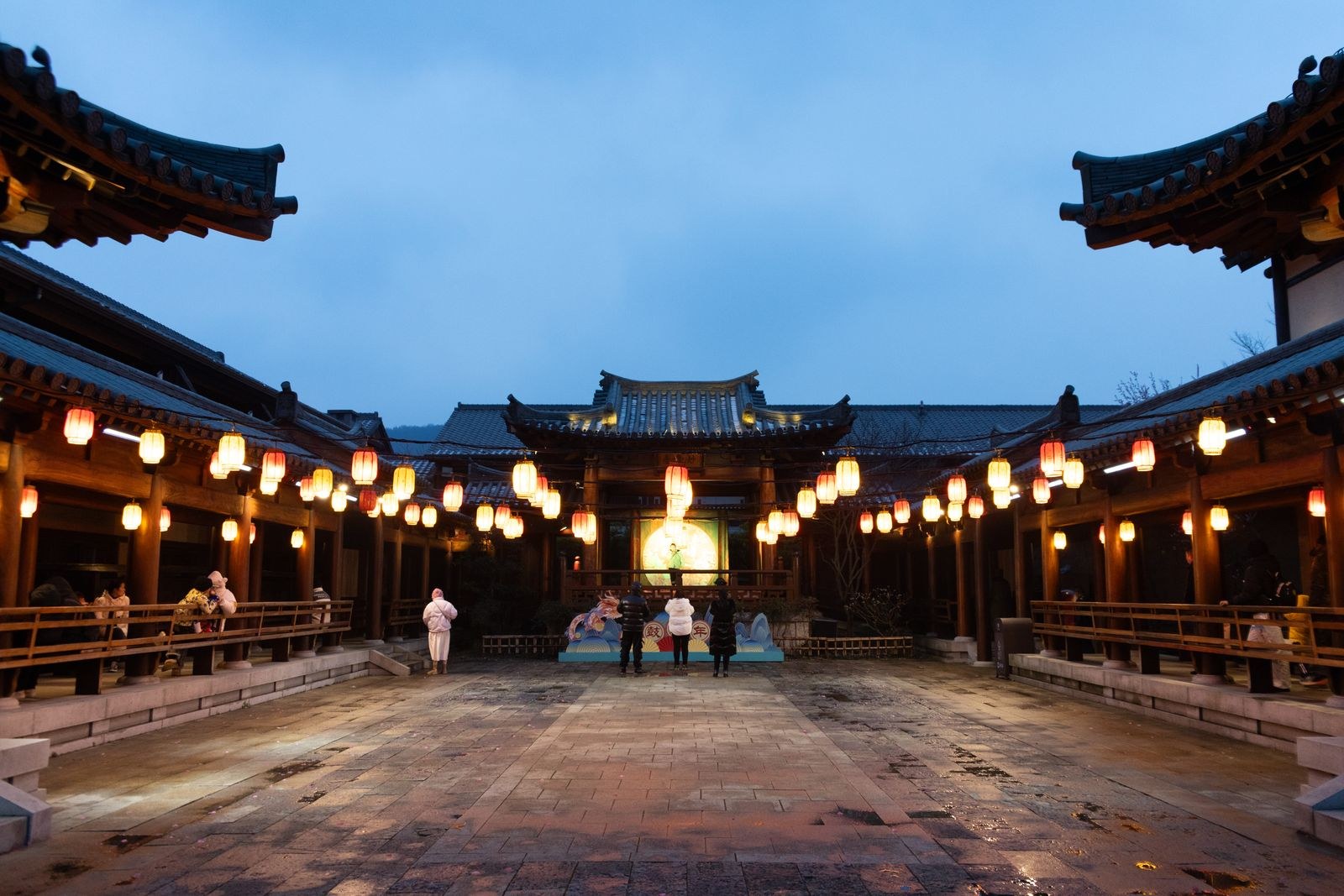
The location is the whole argument for the cluster, and it is specific to the 1995 land transfer. 跳磴镇 Tiaodeng Town came to Dadukou from 巴县 Bāxiàn Ba County in March 1995, and the 金鳌山 Jin’ao Mountain and its terraced fields are part of that western ground, which is why a rural-homestay cluster exists here at all rather than in the older riverside core. The 石盘村 Shípán Cūn Shipan Village terraces are the setting, the 金鳌寺 Jinao Temple and its 状元井 Zhuangyuan well the cultural anchor, and the “ten Jinao, nine jinshi” legend the story, so the stay is bought for the hill and the fields rather than for a town. The mountain is a road destination off the core, so the last leg is a car or a bus rather than a metro, which is the trade a rural cluster is supposed to carry.
One further warning, and it is a level problem rather than a contradiction. The cluster’s scores and rates move with the flower season, so a courtyard quoted in May may be a different number in October, and the platform is the only surface that tracks the swing. The district’s own rural-tourism naming – the AAAA grade of April 2024 for the 金鳌山·金鳌田园综合体 Jīn’áo Shān · Jīn’áo Tiányuán Zōnghétǐ Jin’ao Mountain rural complex – is the status that puts the cluster on the map, but the grade is the complex’s, not the individual courtyards’, and no courtyard posts a tariff against it.
Practicalities
Price. Seasonal and unposted, and that is the article’s main fact rather than a gap. None of the dozen-odd courtyards – 长江石居, 山屿汐·雲, 金鳌别院, 多多小院 among them – publishes a standard tariff, and the rates are quoted by the booking platforms season by season, so every number is a quote to check against the flower season rather than a posted rate. The useful comparison is the district’s other lodging: the ancient town is unpriced, the Jiugongmiao belt is a posted 100-to-160 band, the museum base is the mid-range band, and the Tiaodeng west is the hot-spring edge, while the Jin’ao cluster is the rural one, quoted by season and reached by car. No tariff is posted and none is invented here.
Address. 金鳌山 Jīn’áo Shān Jin’ao Mountain, above the terraced fields of 石盘村 Shípán Cūn Shipan Village in 跳磴镇 Tiàodēng Zhèn Tiaodeng Town, 大渡口区 Dadukou District, reached by road from the core rather than by metro. The mountain came to the district from 巴县 Ba County in the March 1995 transfer, which is why the western rural cluster exists at all. The 金鳌寺 Jinao Temple and its 状元井 Zhuangyuan well are the cultural anchor, and the “ten Jinao, nine jinshi” legend the story the courtyards tell; the 金鳌山·金鳌田园综合体 rural complex was graded AAAA in April 2024, a status of the complex rather than of the individual stays.
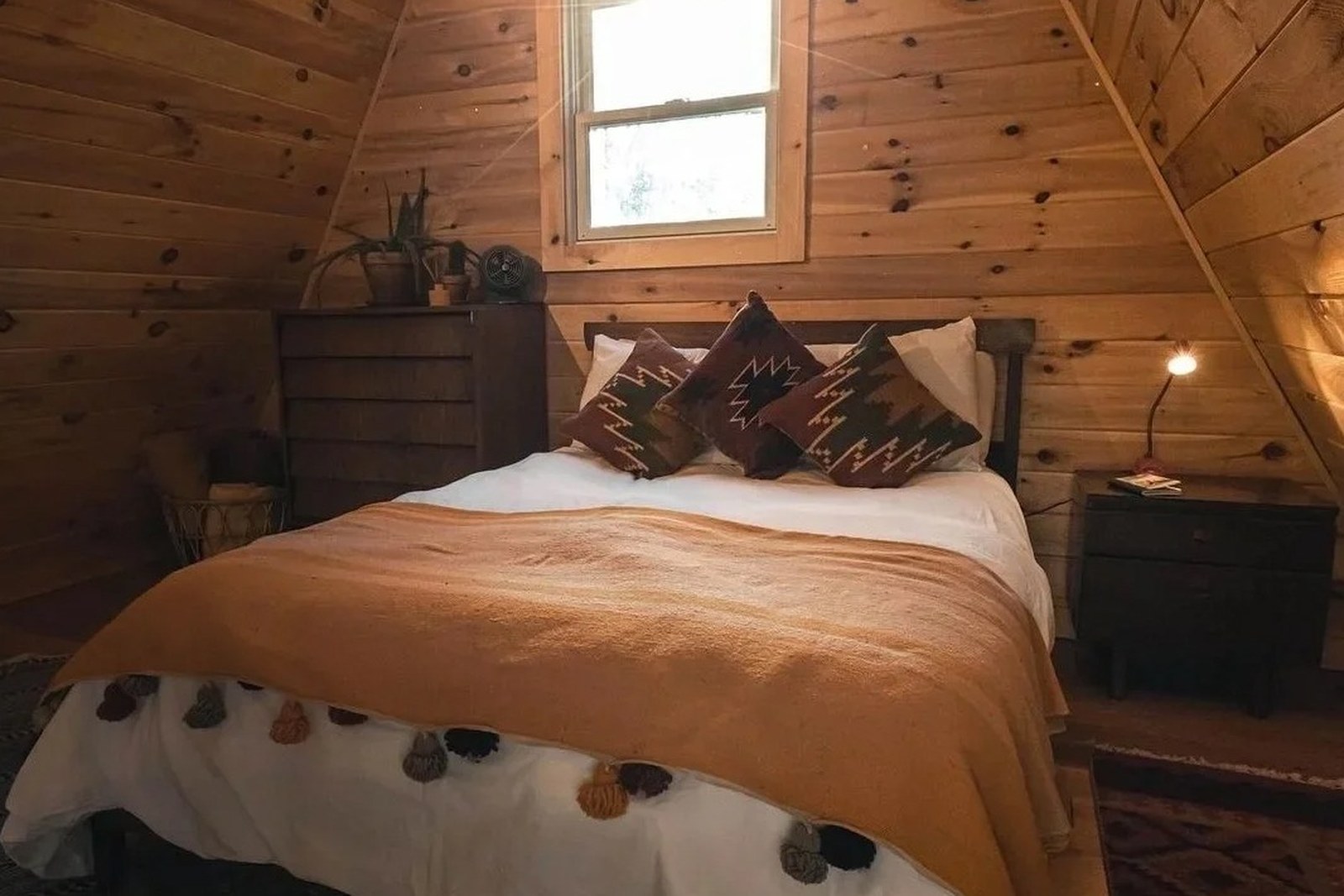
Rooms. Low-rise courtyard houses with a mountain or a field outlook, run as family guesthouses rather than hotels, which is the form the cluster takes. The named stays – 长江石居, 山屿汐·雲, 金鳌别院, 多多小院 – are timber-and-tile courtyards above the terraces rather than rooms in a block, and none publishes an inventory or a standard class. Ask two things in writing before you pay: which courtyard the rate buys, because the named ones differ in view and in fit-out, and whether the room is a courtyard wing or a separate cottage, because the cluster’s two forms sit at different seasonal points. The flower season sets the number, and the platform tracks the swing.
Getting there. Jin’ao Mountain is a road destination off the district core, so the last leg is a car or a bus rather than a metro, which is the trade a rural cluster carries. The terraced fields of Shipan Village are the setting and the Jinao Temple the anchor, and the drive up from the core is the reason a late arrival is a worse idea than an early one. Allow for the climb and for the season: the courtyards sit above the fields, the views are the product, and a visit timed to the five-colour terraced flower sea is the one the rates reflect, so plan the mountain for the flowering months rather than for the core’s clock.
A day on the mountain runs on the fields and on the light, in that order. Morning belongs to the terraces before the coaches, when the five-colour flower sea is dew-heavy and the city behind is a haze rather than a skyline. Late morning is the walk up to the 金鳌寺 Jinao Temple and its 状元井 Zhuangyuan well, which is the cultural anchor and the reason the “ten Jinao, nine jinshi” legend is worth telling. Midday is a courtyard lunch and the wait for the afternoon light on the fields. Afternoon is the second good window across the terraces and the one families skip while taking pictures. Evening is when the courtyards light up among the fields and the mountain reads as a place to stay rather than only a place to hike, and it is the only hour the cluster is one thing. Then the room, where the field and the temple are the same purchase.
flowcloud would say that the Jin’ao cluster is the one Dadukou address where the stay is bought for a reclaimed hill and its terraced flower fields rather than for a town, and that the correct way to book it is to check the platform for the flowering months because no courtyard posts a tariff, to pick a named courtyard – 长江石居, 山屿汐·雲, 金鳌别院, 多多小院 – by view, and to come by car because the mountain is a road destination, not a metro stop.
Where to stay: a named courtyard – 长江石居, 山屿汐·雲, 金鳌别院 or 多多小院 – if the terraced fields and the Jinao Temple are why you came, because the view is the product and the unposted rate is the trade; a field-facing wing rather than a cottage if the budget is the point, since the cluster’s two forms sit at different seasonal numbers; and one of the core or riverside options if the metro and a posted price matter more than the hill. And check the platform for the flower season before paying, because no Jin’ao courtyard posts a tariff and the AAAA grade of April 2024 is the complex’s, not the stay’s.