
雾锁景迈,云海为家。Wù suǒ Jǐngmài, yúnhǎi wéi jiā – Mist locks Jingmai; the cloud sea is home.
The stay at 景迈山 Jǐngmài Shān Jingmai Mountain – the old-tea-forest ridge in 惠民镇 Huìmín Zhèn Huimin township, 澜沧拉祜族自治县 Láncāng Lāhùzú Zìzhìxiàn Lancang county, southern 普洱 Pǔ’ěr – is the 民宿 mínsù village guesthouse, and nothing else. This is the 景迈山古茶林文化景观 Jǐngmài Shān gǔchálín wénhuà jǐngguān cultural landscape that UNESCO listed in September 2023 as the world’s first tea-themed World Heritage site, and the beds sit inside the living villages the listing protects: 翁基 Wēngjī (布朗族 Bùlǎngzú Blang, about 1,700 m, the most complete 干栏式 gānlánshì stilt wooden houses and the best sunset), 糯干 Nuògān (傣族 Dǎizú Dai, about 1,450 m, a ring of lanes running 向心式 xiàngxīnshì inwards to the village heart), and 芒洪 Mánghóng and 芒景 Mǎngjǐng higher up, where the 云海 yúnhǎi sea of clouds comes in at dawn. The form is the 山房民宿 shānfáng mínsù mountain guesthouse – old houses rebuilt 修旧如旧 xiūjiù-rújiù “repair the old as old” with modern bathrooms bolted on, plus newer designed houses with 火塘 huǒtáng fire-pit tea rooms; the honest shape is a village of wooden houses, not a hotel street.
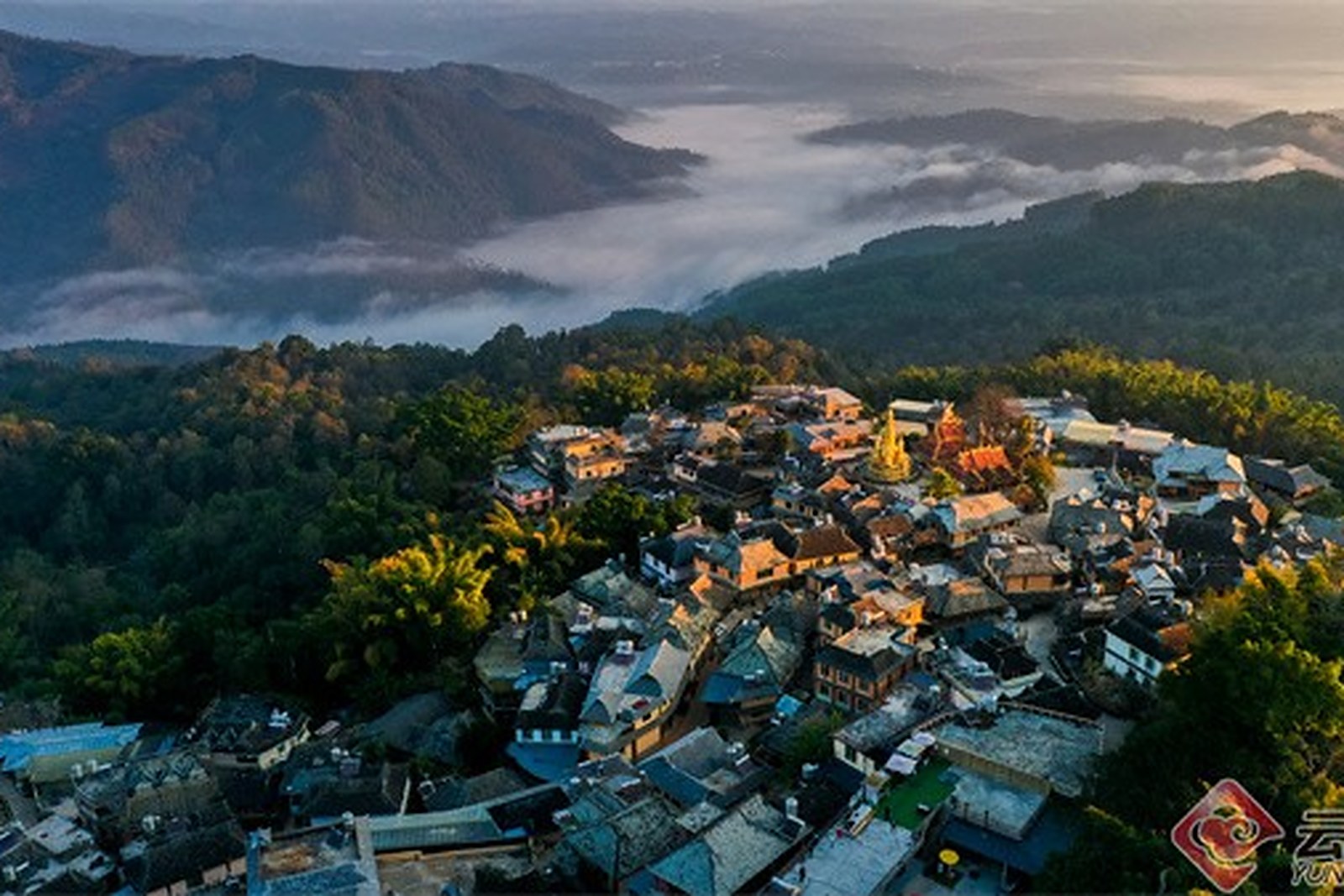
The October 2026 snapshot runs three bands: budget village rooms about 120-200 yuan, mid-range designed guesthouses about 250-500, and upscale boutique mountain houses about 600-1,200 yuan (worth confirming – the mountain is a thin market where 五一 Wǔyī, 国庆 Guóqìng and the spring tea season move every band, and the 暑期 shǔqī summer weeks are the second peak). The cheap end is a plain room in a converted wooden house, clean but thin-walled, often with a basic bathroom; the middle band buys a private bathroom, a view room and a 茶室 cháshì tea room; the top end buys design, space and the sunset window, not a pool. What every band buys is the same two things: the 古茶林 gǔchálín old tea forest at the door and the morning cloud sea. Who it suits: tea travellers, slow walkers and photographers who will sleep two nights and walk the 大平掌 Dàpíngzhǎng tea forest at opening; who it does not suit: anyone who needs a lift, a gym or dinner after 9 p.m. – the village kitchens close early and the mountain is dark.
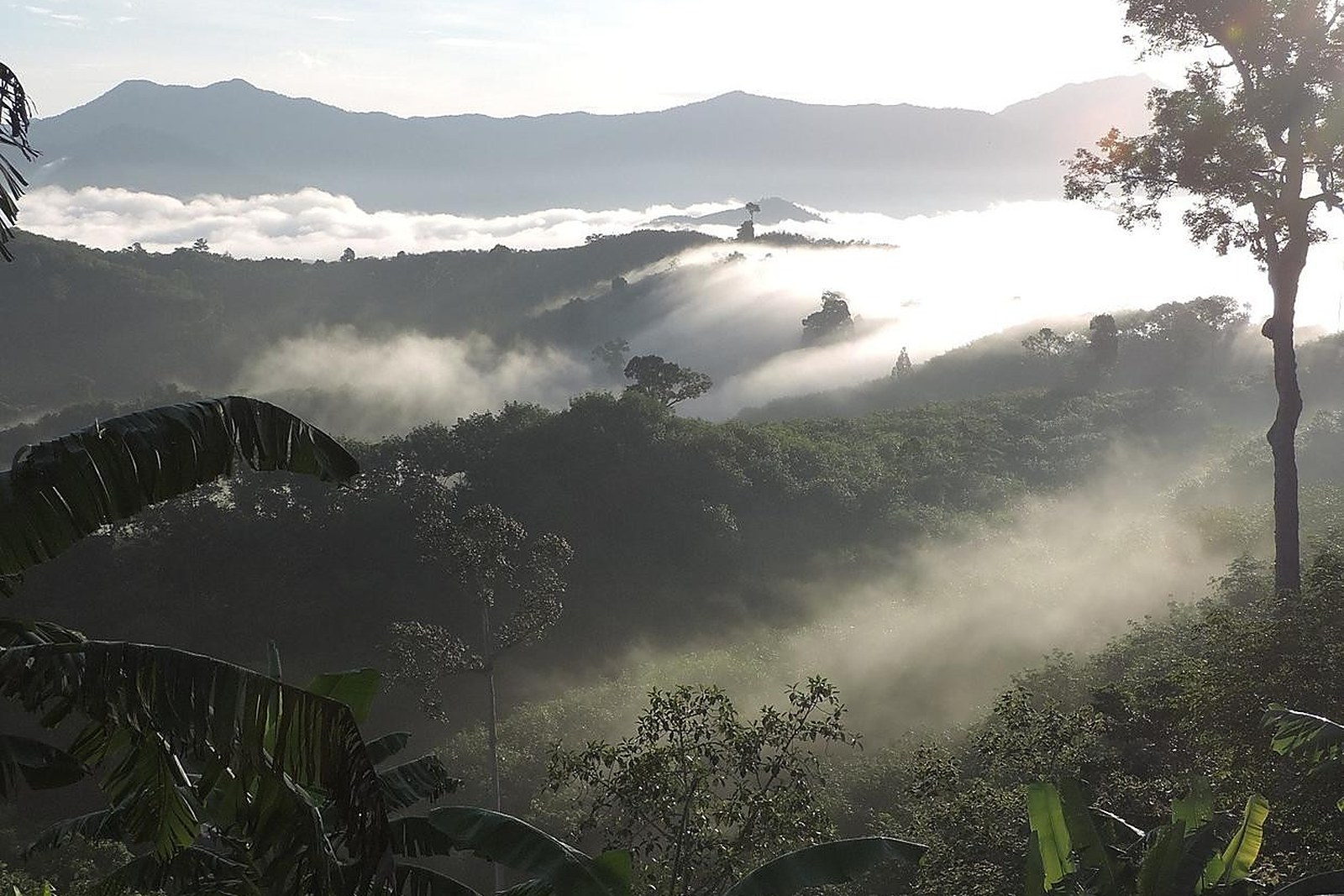
Practical shape: the season is the honest decision. 云海 yúnhǎi is a dry-season phenomenon – November to April, and the honest test is rain the night before and a clear morning, with the 芒洪 Mánghóng viewpoint full by 5:20 a.m. and gone by 6:00; the spring tea season (March to April) brings picking, 杀青 shāqīng kill-green smoke and full houses, and summer is the cool 22°C escape with afternoon fog instead of cloud sea. Getting here: 景迈山 Jǐngmài Shān is about three hours from 普洱市区 Pǔ’ěr Shìqū Simao and about 50 minutes from 澜沧景迈机场 Láncāng Jǐngmài Jīchǎng (open since 2017, worth confirming current routes), with the last leg a winding mountain road – take 晕车药 yùnchēyào motion-sickness tablets. The heritage zone has no gate ticket but needs advance real-name booking, and private cars park at 惠民镇 Huìmín Zhèn for the shuttle up (worth confirming the current fee and rules). Check the three things wooden-house rooms get wrong: 24小时热水 èrshísì xiǎoshí rèshuǐ hot water at peak hours, 隔音 géyīn soundproofing, and whether the bathroom is 独立 dúlì private. There is no ATM in the villages, so bring cash; mornings run 14-18°C, so pack a jacket; and take your shoes off at the door of any 傣家 Dǎijiā or 布朗 Bùlǎng house. worth confirming band prices in the week you book. All checked October 2026.
The Stays
- 布朗族木楼民宿 bùlǎngzú mùlóu mínsù Blang stilt-house guesthouses (翁基 Wēngjī): about 120-250 yuan (worth confirming the details) for king and twin rooms in converted wooden houses, with 火塘烤茶 huǒtáng kǎochá fire-pit roasted tea and the most mature village services – hot water, restaurants, a shop. Who it suits: first-time tea travellers who want the fire-pit and the sunset without a car; who it does not suit: anyone who needs an elevator, a quiet night or a modern bathroom – the walls are wooden and the lanes are stone.
- 傣族古寨客房 dǎizú gǔzhài kèfáng Dai village rooms (糯干 Nuògān): about 200-400 yuan (worth confirming the details), smaller and quieter, with fewer beds inside the protected core – most 民宿 mínsù sit in the 新寨 xīnzhài new lanes a short walk out. Who it suits: quiet seekers and 傣楼 dǎilóu architecture readers who want the dawn lanes to themselves; who it does not suit: travellers who want restaurants and coffee at the door – the village is a film location (《一点就到家》Yīdiǎn Jiù Dàojiā), not a strip.
- 云海观景山房 yúnhǎi guānjǐng shānfáng cloud-view mountain houses (芒洪 Mánghóng/芒景 Mǎngjǐng): about 400-900 yuan (worth confirming the details), newer hardware on the high ground, built for the 5:20 a.m. cloud sea and the sunrise from the 八角塔 Bājiǎo Tǎ. Who it suits: photographers and self-drivers who will chase the light; who it does not suit: budget travellers and anyone on foot – the high villages are the farthest walk from the tea-forest trails.
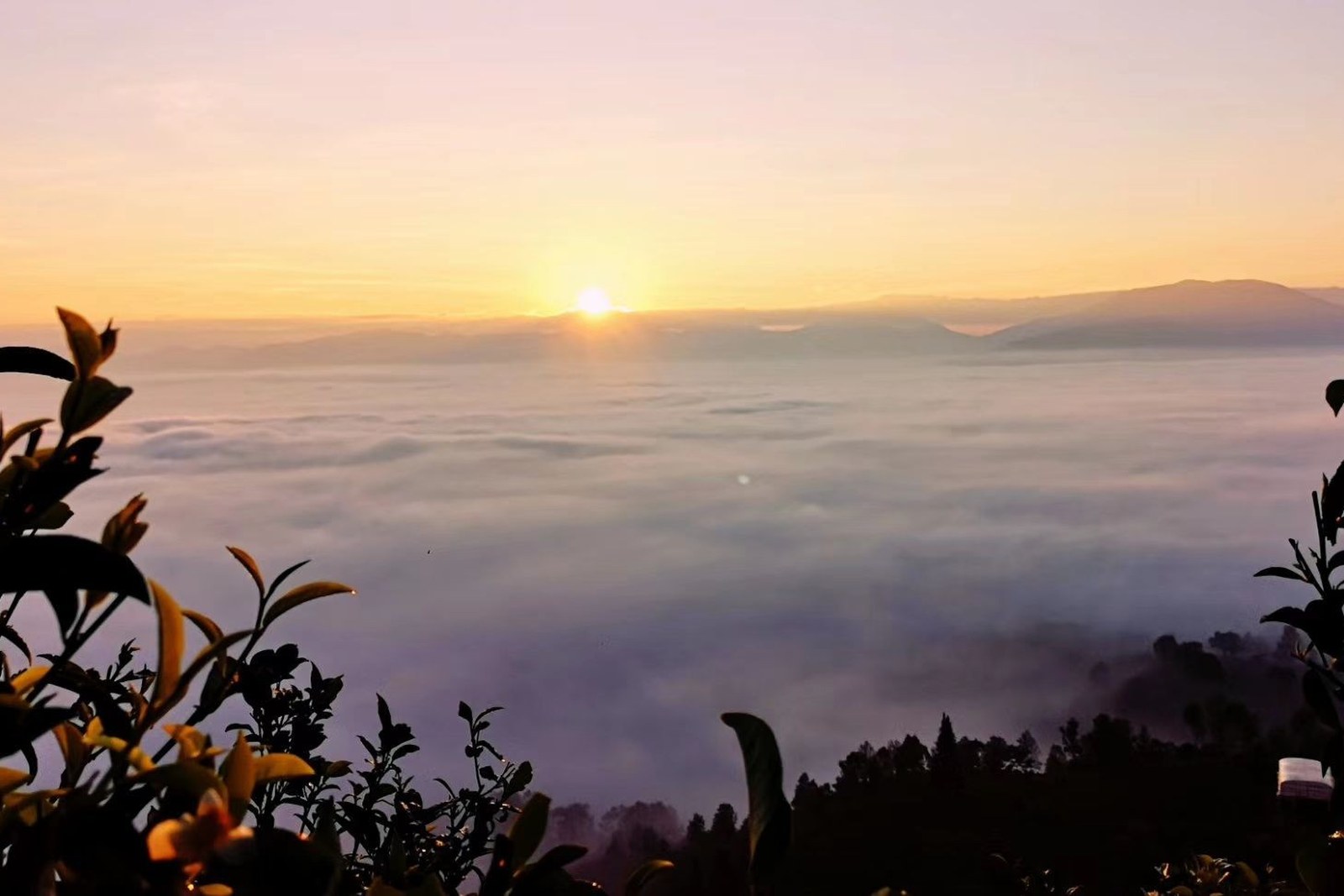
flowcloud would say that the Jingmai Mountain stay is a wooden house in a tea village – 120 yuan village room to 900 for the cloud-view 山房 shānfáng in the October 2026 snapshot – and that the honest move is to sleep two nights inside the villages and walk the 大平掌 Dàpíngzhǎng old tea forest at dawn, because the 古茶林 gǔchálín is the amenity and the 云海 yúnhǎi is the alarm clock. All checked October 2026.
Where to stay: 翁基 Wēngjī for the Blang stilt-house 民宿 mínsù with the most mature services, 糯干 Nuògān for the quieter Dai village rooms, and the 芒洪 Mánghóng/芒景 Mǎngjǐng high ground for the 5:20 a.m. cloud sea (worth confirming the details); a car or a chartered vehicle from 澜沧 Láncāng county town is the standard move. All checked October 2026.