
Jinze Stays: Ancient-Bridge Village Rooms, Morning Mist and Slow-Country Quiet in Qingpu District, Shanghai
七桥卧波连古渡,一枕晨雾宿桥乡。Qī qiáo wò bō lián gǔdù, yī zhěn chén wù sù qiáo xiāng – Seven bridges lie on the water joining the old ferries; a pillow of morning mist lodges you in the bridge country.
The stay around 金泽古镇 Jīnzé gǔzhèn Jinze Ancient Town – the stone-bridge village on the far southwestern edge of 青浦区 Qīngpǔ Qū Qingpu District, 上海 Shànghǎi Shanghai, where seven ancient bridges spanning the Song, Yuan, Ming and Qing dynasties cross the temple river within a few hundred metres, where the Song-dynasty 普济桥 Pǔjì Qiáo Puji Bridge remains the town’s quiet centrepiece, and where village lanes and farm fields run out to the lake country beyond – is the district’s quietest bed. The map is barely a map: village guesthouses and farm-stay rooms scatter along the river banks and the village edges, the old bridges set the walking routes, and the loudest thing most days is the water under the stone.
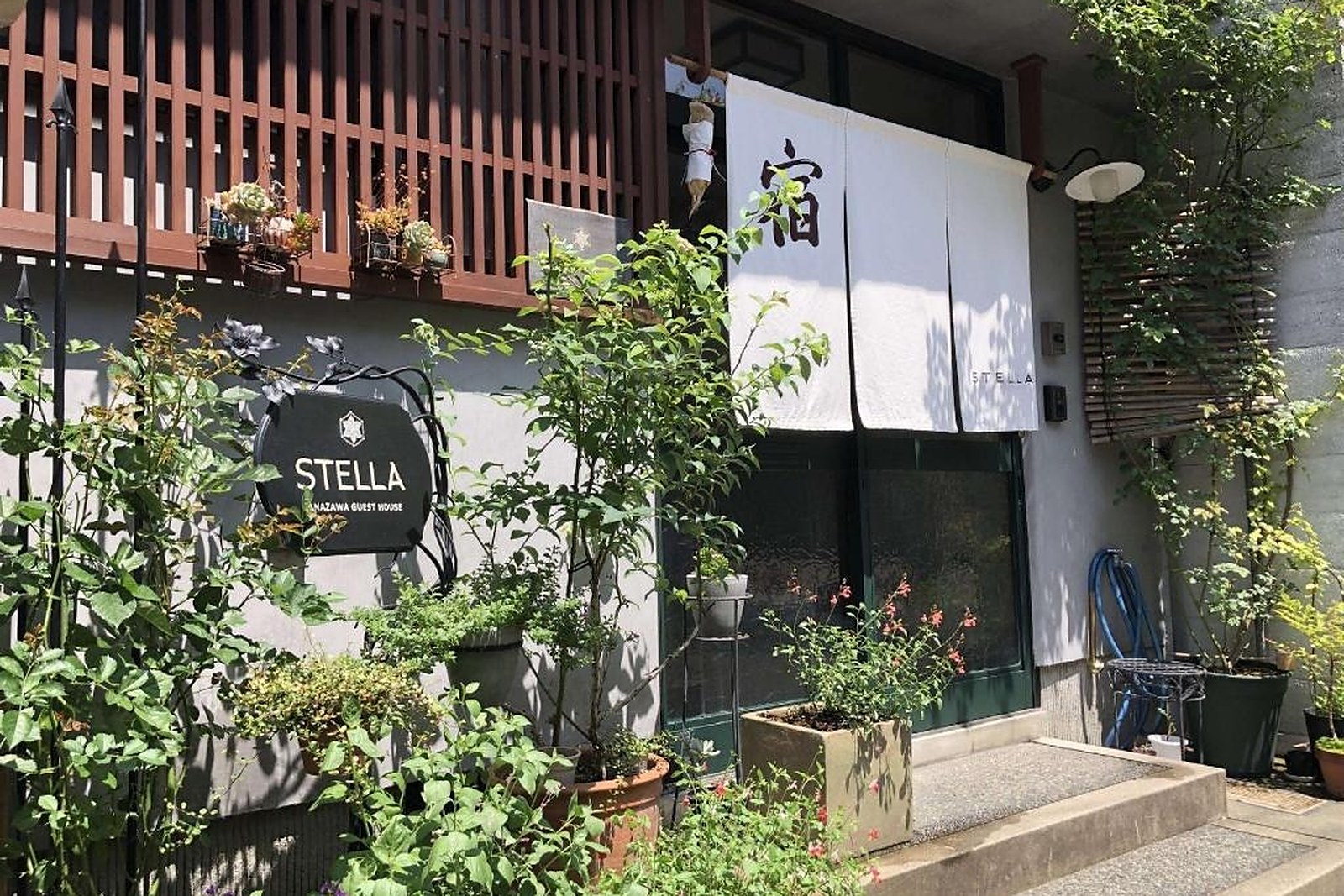
Two guest books keep these beds full: slow-travel travellers – photographers, sketchers, cyclists – who price the un-crowded bridges and the morning mist above any restaurant strip, and country-weekend families from the city who want a farm garden, a dog, and a night where the sky still does the lighting. The stock answers in kind: old-house rooms restored beside the temple-river bridges, farmhouse guesthouses with gardens on the village edge, and small courtyard stays converted from village homes (worth confirming the details for which houses actually face the temple river, the best bridge-side rooms being a handful that book out on mist-season mornings).
Call it honestly: Jinze is quiet because almost nothing is here. There is no food street, the village restaurants can be counted without taking off your shoes, and the connecting buses run sparser than the metro that stops short of the lanes (worth confirming your transport and supper plan before booking, an evening in the village meaning whatever the guesthouse kitchen or the one local table is serving). The bridges are free and the old town is walked through in an hour; everything after that is fields, water and your own schedule. What the map repays is exactly that emptiness: dawn fog standing on the river while the Song-dynasty arches emerge from it, stone steps warming by mid-morning, and a day measured in bridges rather than tickets. Against that: rates sit below every resort on the district’s map, the hosts cook, the gardens are real, and the coaches that pack 朱家角 Zhūjiājiǎo Zhujiajiao twenty minutes east almost never turn down here (worth confirming the details for festival days at the temple, which briefly bring tour buses and are worth knowing before a light sleeper books). The mist is the amenity; book the room that wakes into it.
The Stays
The bridge pick is the 桥畔老宅房 qiáo pàn lǎo zhái fáng old-house rooms beside the temple-river bridges – restored beams and courtyard walls a stone’s throw from 普济桥 Pǔjì Qiáo, where the mist season fills the window at dawn and the stone arches are the garden view; autumn mornings price the bridge-side rooms first.
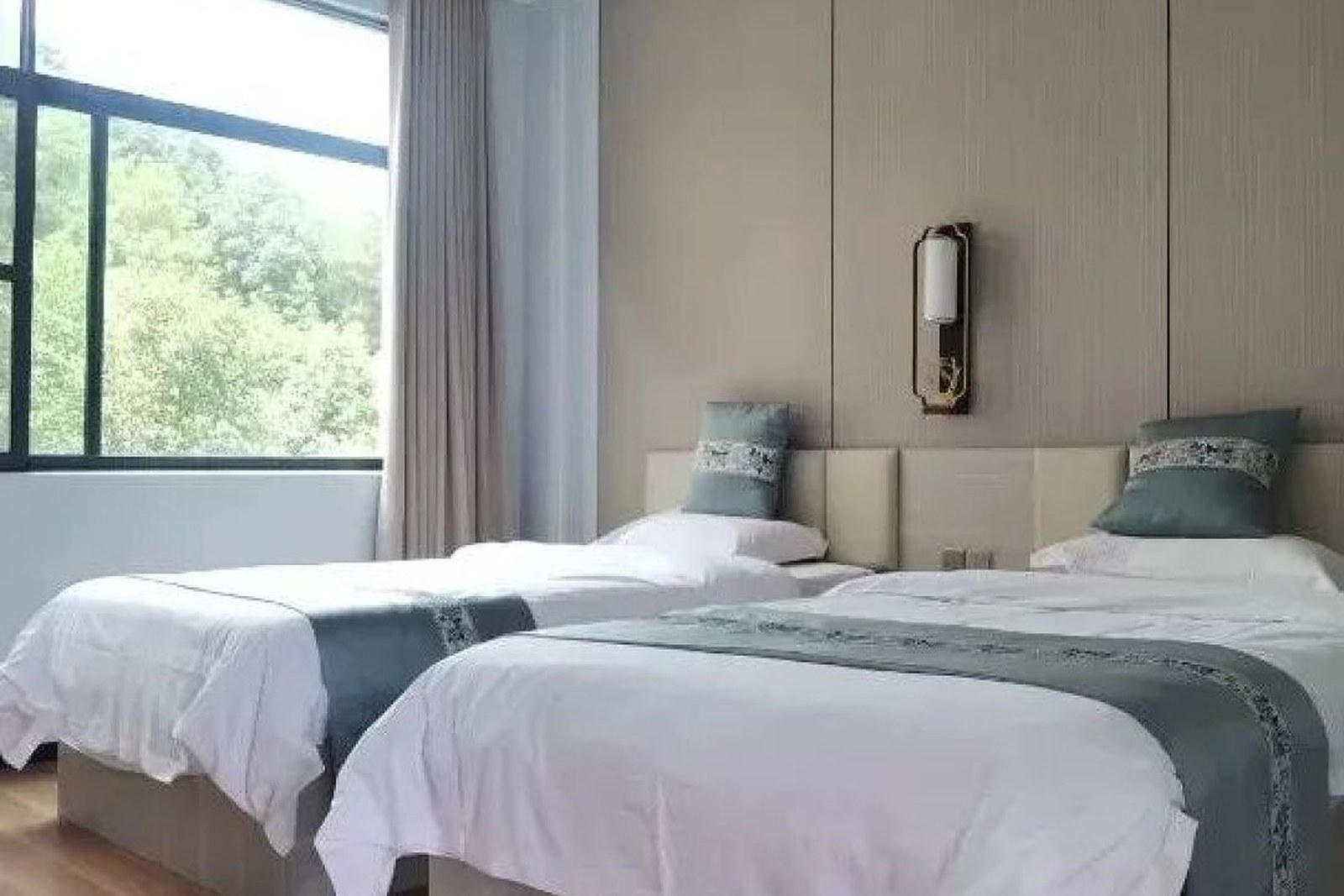
The farm default is the 田园农家房 tiányuán nóngjiā fáng farmhouse guest rooms on the village edge – garden beds with the fields starting at the fence, trading the river view for space, cooking smells and a slower breakfast, with the bridges a ten-minute stroll off.
The simple sleep is the 静巷小客栈 jìng xiàng xiǎo kèzhàn small inns on the quiet lanes away from the day-trip coach stops – plain honest beds in the village interior, where the evenings belong to the locals and the morning begins with roosters rather than tour flags.
Nearly everything else on this Qingpu list trades a different mood on the same map: choose 朱家角古镇民宿 Zhūjiājiǎo gǔzhèn mínsù Zhujiajiao old-town guesthouses for the lantern-evening canals, 淀山湖度假酒店 Diànshānhú dùjià jiǔdiàn Dianshan Lake resort hotels for the open-water weekends, 青浦新城酒店 Qīngpǔ Xīnchéng jiǔdiàn Qingpu New City hotels for the metro convenience and 东方绿舟周边住宿 Dōngfāng Lǜzhōu zhōubiān zhùsù Oriental Land-area stays for the camp and lake shore – four more doors into the same 青浦区 Qīngpǔ Qū Qingpu District. Once the bed is booked, our Qingpu travel guides and the district’s food map fill the daylight hours.
The Stays
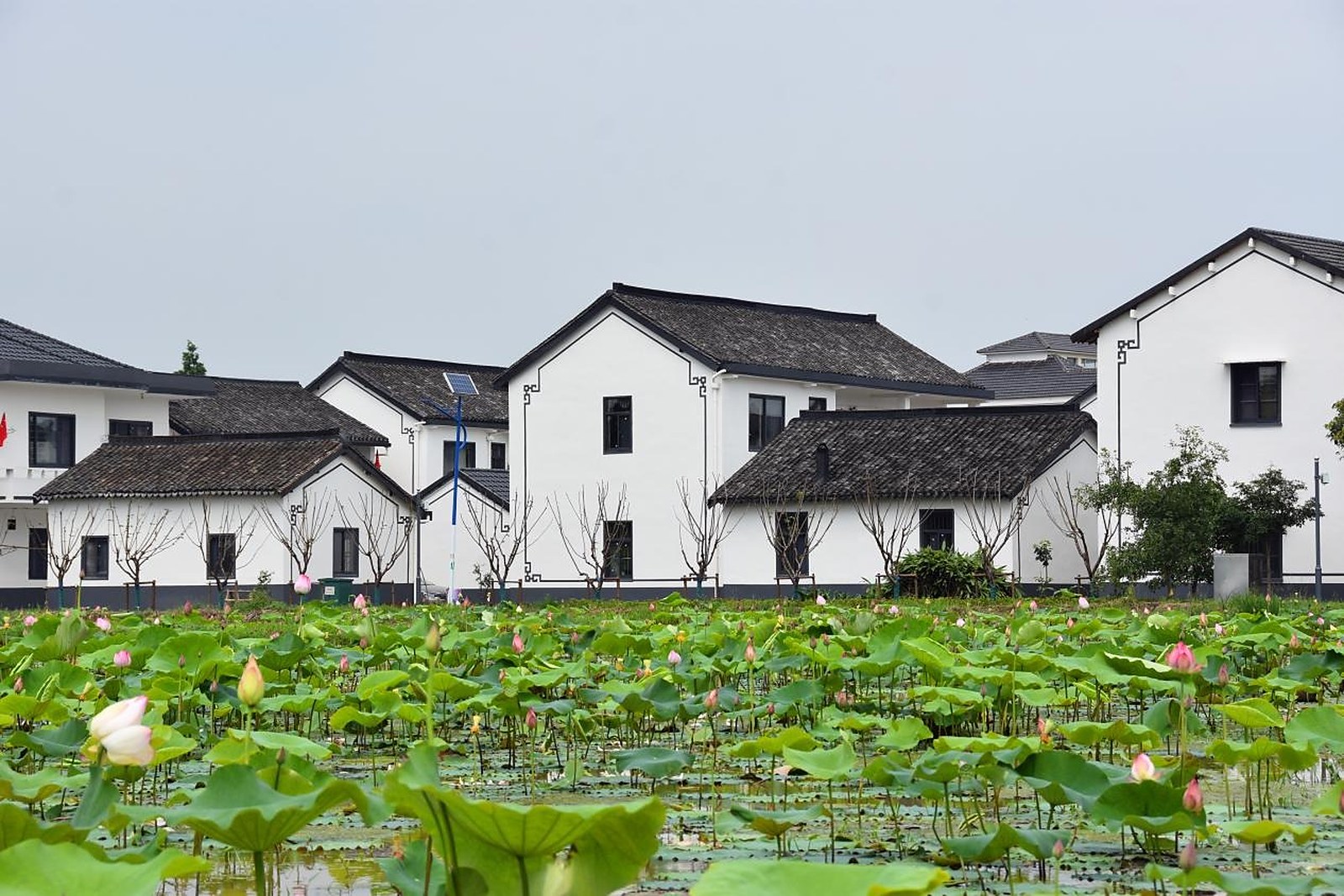
flowcloud would say that a Jinze bed is bought for the bridge-country morning – riverside old house to farm-garden room in the October 2026 snapshot, all worth confirming the details – and that the honest move is to book the mist, not the map pin, because the seven bridges cost nothing at dawn and the village that empties by four is the whole point, keep the bridge walk and the farmhouse supper as the plan, and let the coaches keep their distance. All checked October 2026.
Where to stay: Base yourself near the temple-river bridges for the ancient-stone mornings, or on the village edge for the farm garden, favouring rooms on the quiet side away from the day-trip coaches. All checked October 2026.