
大渡口区 Dàdùkǒu Qū, Dadukou District, is the smallest of Chongqing’s central districts by area, about 103 square kilometres, and its old commercial core is 九宫庙 Jiǔgōngmiào, the Nine-Palace-Temple subdistrict, where the district’s first shopping street and its metro line meet. The accommodation there is the apartment-hotel belt – self-contained rooms with a kitchenette, scored in the high nines on the booking platforms and priced as a band from budget apartment hotels to mid-range chains – and it works as a base rather than a destination. The belt is the practical answer to where to sleep in Dadukou if the reason you came is the core rather than the river or the hill.
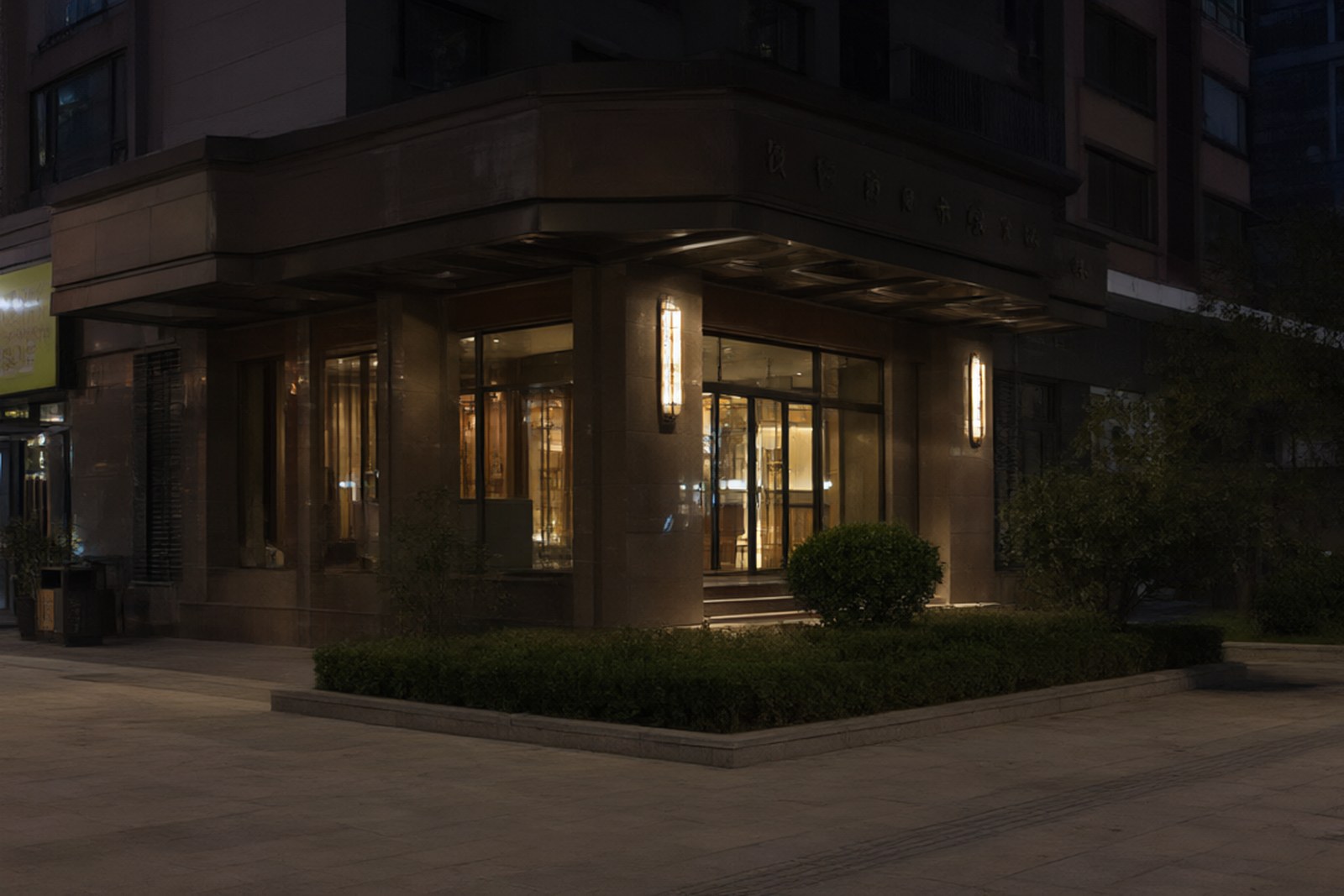
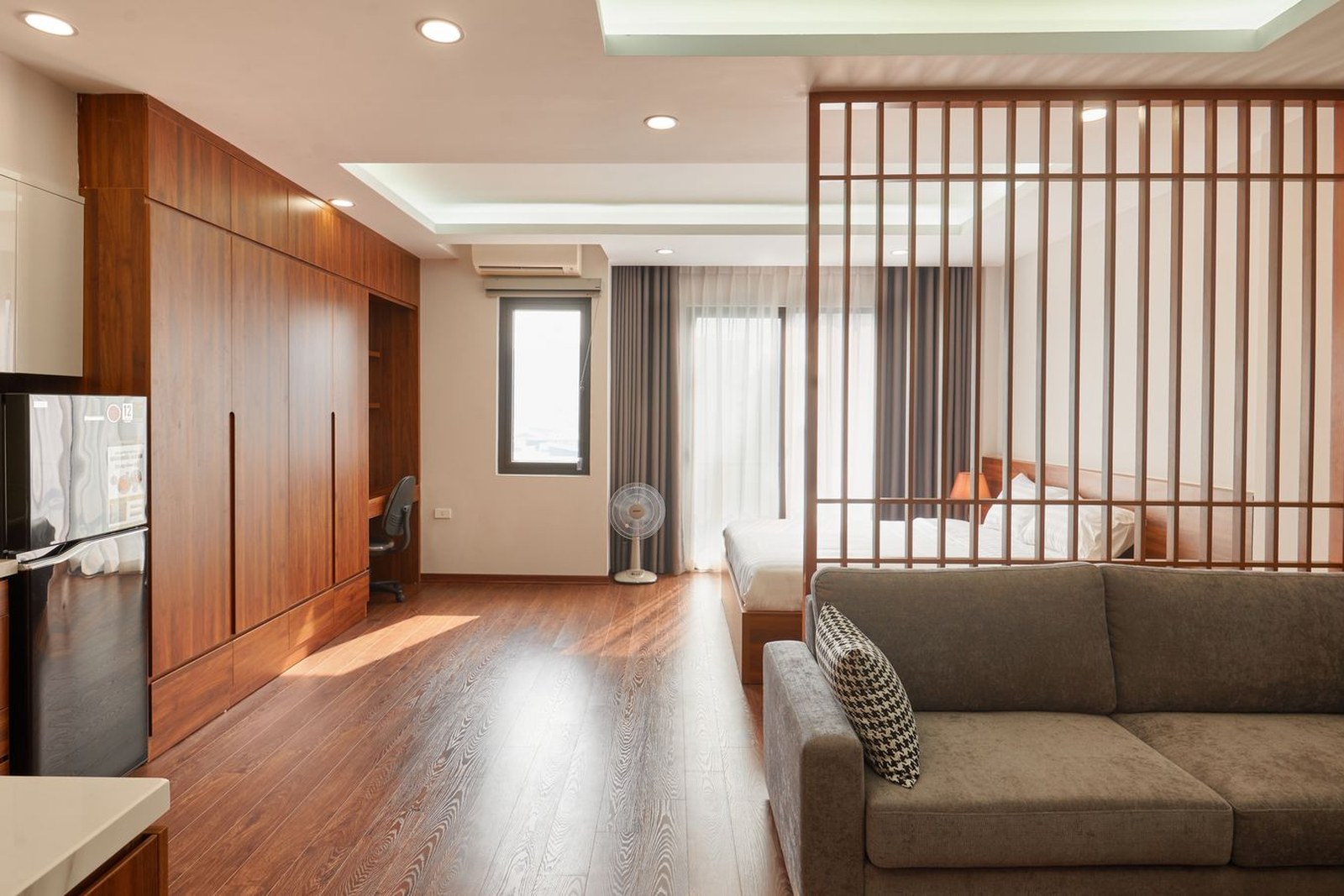
What the visitor actually gets is a room with a kitchenette rather than a hotel suite. The apartment-hotel form – a self-contained unit with a small kitchen and a living corner – is the district’s answer to the business and transit visitor, and the platforms score the belt in the high nines, which is the kind of rating a chain-product district produces rather than a character-district one. The first shopping street of Dadukou and the metro converge in Jiugongmiao, which is why the belt works as a base: you are where the district shops and where the line runs, and the room is the thing you sleep in between rather than the thing you came for. The distinction from a resort could not be sharper, and the batch says so on purpose.
The price is a band rather than a floor, and the figures are platform quotes rather than posted tariffs. The belt runs from about one hundred to one hundred sixty yuan a night on the platforms, from budget apartment hotels at the low end to mid-range chains at the high end, and every figure is a platform quote to check rather than a rate the houses publish. The district’s own commercial story – the first shopping street and the metro meeting in Jiugongmiao – is the reason the band is tight and the scores are high, because a transit-and-retail core produces predictable, reviewable rooms rather than surprising ones. What the record does not give is a single headline address with a telephone for the belt as a whole, so the practical move is to pick a scored property on the platform and confirm the rate on the day.
The comparison that matters is against the district’s other lodging, and the belt sits in the middle of it. The ancient town is unpriced and outlook-driven, the Jin’ao cluster is seasonal and rural, the industrial-museum base is the mid-range band by the steel works, and the Tiaodeng west is the hot-spring-and-village edge – the Jiugongmiao belt is the one with a posted platform band and a metro at the door, which is exactly why it is the base rather than the destination. A reader who wants a number and a train should start here, because the core is where the district’s priced and scored accommodation lives, and the other four are arrangements rather than listings.
The one thing the belt does not offer is a view worth the name, and that is the honest trade. The rooms face a shopping street and a transit line rather than a river or a hill, and the score reflects the room and the location rather than the scenery, which is the difference between a base and a resort stated plainly. The district’s commercial core is where you sleep to be in the district, not to look at it, and the belt is the clearest expression of that.
Practicalities
Price. A band, not a floor, and the figures are platform quotes rather than posted tariffs. The belt runs from about 100 to 160 yuan a night on the booking platforms, from budget apartment hotels at the low end to mid-range chains at the high end, and every number is a quote to check on the day. The high-nine platform scores are the reason the band is tight: a transit-and-retail core produces reviewable, predictable rooms, and a reader should pick a scored property and confirm the rate rather than trust a single headline. No single headline address with a telephone for the belt as a whole is on any source consulted, so the practical move is the platform rather than the page.
Address. 九宫庙 Jiǔgōngmiào Jiugongmiao Subdistrict, the old commercial core of 大渡口区 Dadukou District, where the district’s first shopping street and its metro line meet; the belt is the apartment-hotel row along that core rather than a single building, so the address to give is the subdistrict and the property you picked on the platform. The convergence of the shopping street and the metro is the reason the belt works as a base, and the rooms face the street and the line rather than a river or a hill.
Rooms. Self-contained apartment-hotel units with a kitchenette and a living corner rather than hotel suites, which is the form the district’s business and transit visitor gets. The platforms score the belt in the high nines, which is a chain-product rating rather than a character-district one, and the rooms are the thing you sleep in between the core’s shopping and the line rather than the thing you came for. Confirm one thing before paying: whether the rate includes the kitchenette unit or a plain room, because the belt’s two forms sit at different points in the same 100-to-160 band.
Getting there. Jiugongmiao is the district’s transit-and-retail core, so the metro is at the door and the first shopping street is at the threshold, which is the whole reason the belt is the base rather than the destination. The last leg from the station is a short walk rather than a taxi, which separates this belt from the ancient town, the Jin’ao cluster and the Tiaodeng west, all of which are road or bus destinations. Driving is easy but unnecessary here, because the point of the core is that you arrive by line and walk to the room, and the belt’s scores reflect exactly that convenience.
A day in the core runs on arrivals and errands rather than on sightseeing, and planning it that way is what makes the band look reasonable. Morning is checkout and the short walk to the metro or the car park, which is the hour the whole belt is busiest. Midday is the first shopping street, where the district’s retail life sits a step from the room, and the lunch is a core canteen rather than a scenic one. Afternoon is either the line out to something worth an hour – the industrial museum on 义渡路 Yidu Road, or the ancient town by the river – or a second core errand, because the belt’s location is its product. Evening is the thing this core does adequately, which is eating and a walk, and the room is the comfortable base the number paid for and no more.
flowcloud would say that Jiugongmiao is the one Dadukou address with a posted platform band and a metro at the door, and that the correct way to book it is to pick a high-nine-scored property on the platform and confirm the 100-to-160 rate on the day, because the belt is the district’s base rather than its destination and the room faces a shopping street rather than a river.
Where to stay: a high-nine-scored apartment-hotel on the Jiugongmiao core if the metro and a posted price matter more than the view, because the belt is where the district’s priced and scored lodging lives; a kitchenette unit rather than a plain room if you are here for more than one night, since the band covers both forms; and one of the other four – the ancient town, the Jin’ao cluster, the museum base, the Tiaodeng west – only if the river, the hill, the steel works or the spring is the reason you came. And confirm the rate on the platform before paying, because the belt’s tight band is a quote, not a posted tariff.