
Chongqing is a municipality of southwest China, and 九龙坡区 Jiǔlóngpō Qū Jiulongpo is its south-west district, and it does the thing no other district in this city does openly: it counts its beds. In the work report it published for the five years of the 14th Five-Year Plan, the district reported raising 13,700 units of affordable rental housing and 5,560 units of talent apartments – housing policy numbers, not hospitality ones, published in the same paragraph as road tunnels and parkland. That is the register this piece is about. A lease here is signed by the year, priced for people who work in the district, placed along the light-rail lines, and counted by the district rather than marketed by it.
The district’s own figures are not all the same figure, and the difference is worth respecting rather than smoothing. The 13,700 units and 5,560 talent apartments are the five-year totals in the district work report. A separate district page on post-completion management gives a different count for a shorter window: between 2021 and 2024 the district raised 14,680 units and rooms across 36 projects that obtained recognition certificates, by new-build and by conversion of non-residential stock. A third figure, from the municipal housing authority writing about the district in 2026, covers 2025 alone and reports 43 affordable-rental projects with more than 13,000 units. These are three accountings over three windows with three different units, none of them a count of hotel rooms, and all of them drift.
What the mechanism is, is more useful than the totals. The district’s policy line, published in 2021, is that affordable rental housing is raised by multi-party investment and multi-channel supply, and the channels are named: activating idle public-rental, talent, resettlement and public housing and employers’ own housing; converting non-residential stock – and the list is specific, commercial offices, hostels, factories, warehouses, and research and education premises; and new-build or allocation on employers’ idle land.
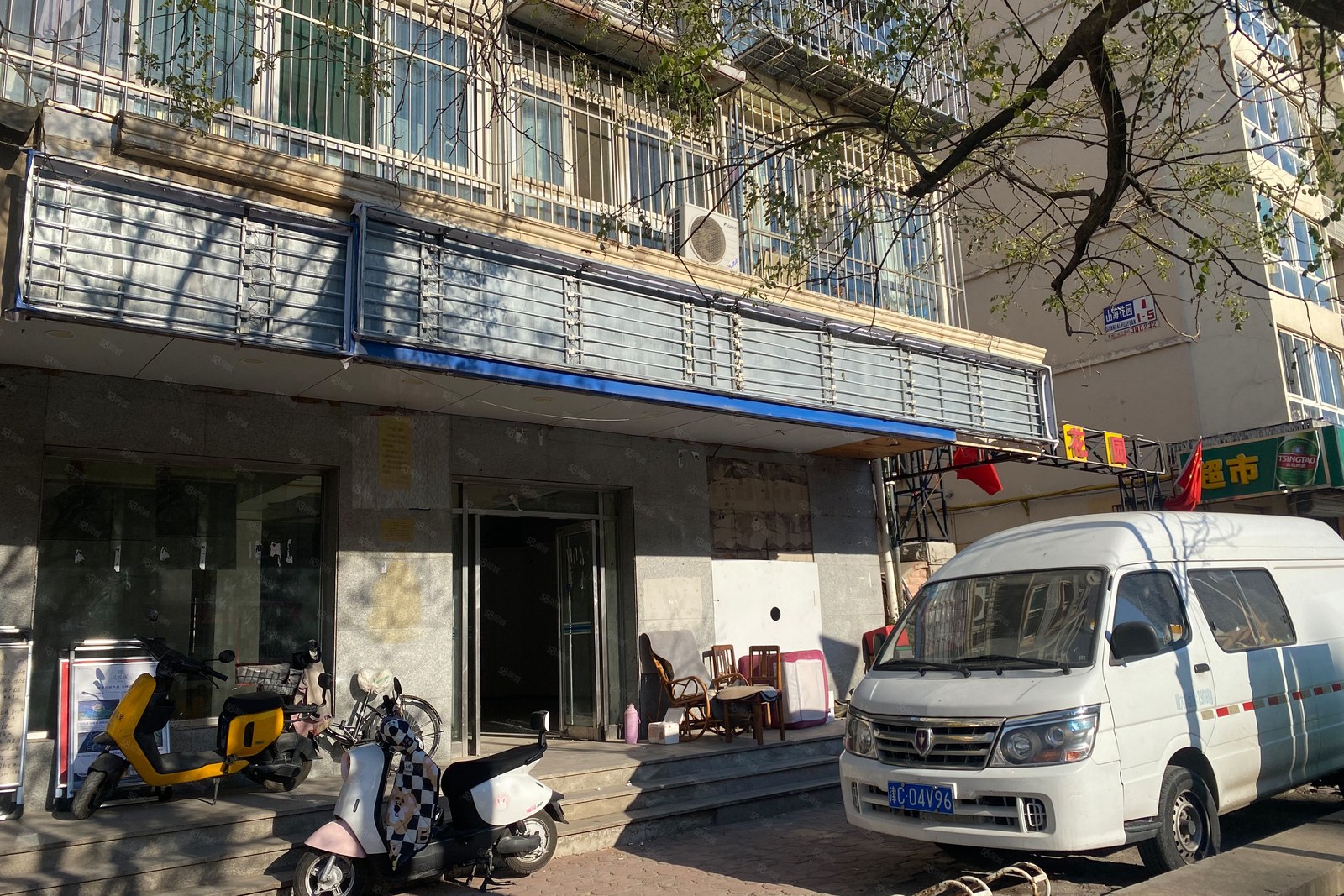
The physical products are specific and locally placed. The nearest of them to the digital-mall end of the district is a cluster of three towers some of whose storeys were brought into the municipal policy rental-housing pilot in 2020, in about 33,000 square metres and 746 units, set within a short walk of Metro Line 5’s 巴山 Bāshān station and thirteen bus routes, with six medical institutions, seven schools and four parks inside three kilometres, and a resident supermarket of some 3,500 square metres with a book bar, a coffee bar and a gym. At the other end of the district, in the western science-city area, a talent-apartment programme has taken a stock of existing housing and put 826 units through improvement works funded by a 50-million-yuan bank loan. The register is plainly residential: housing in converted buildings, on rail-adjacent parcels, with a lease rather than a night.
Three boundaries keep this piece in its lane. Against this district’s hotel registers, written separately: those sell a night and this sells a lease, and a guest who buys a night’s sleep where the counted stock stands is buying a different product in a different building under different terms. Against the renewed-estate register: the renewal projects put shops and walkways back on the ground and residents back in their flats, and the counted stock is a separate mechanism that uses the same kind of buildings.
Practicalities
Price. No figure is printed here, and for this register the reason is stronger than volatility: affordable rental housing is not priced on a nightly schedule at all. It is a residential lease, set by the operator under district guidance, with the district having separately required operators to assess rents, regulate the collection and drop unreasonable charges. Anything quoted for a month on a listing platform here is a private letting, not the counted stock. If the requirement is a month or more, ask an operator whether a lease can be taken and on what terms.
Address. There is no single address for this register: the stock is spread by policy across the district’s thirteen subdistricts and towns, not concentrated on one street. The corridors to know are the ones on Metro Line 5 near 石桥铺 Shíqiáopù, Shiqiaopu, and around 西彭 Xīpéng, Xipeng.
Rooms. The product is a housing unit, not a hotel room: usually a self-contained flat of one or two bedrooms, in a building that was housing, an office, a hostel, a factory or a warehouse before it was counted stock. Expect a shared entrance rather than a staffed desk.
Getting there. The register is defined by rail, and that is the whole transport plan. Metro Line 5 serves the digital-mall end at 石桥铺 Shíqiáopù and the 巴山 Bāshān corridor; Metro Line 2 runs the district’s spine through 谢家湾 Xièjiāwān, 杨家坪 Yángjiāpíng and on toward 袁家岗 Yuánjiāgǎng, so most of the counted stock is within walking distance of a station. The western end is the long one – the science-city area is a bus ride rather than a metro ride.
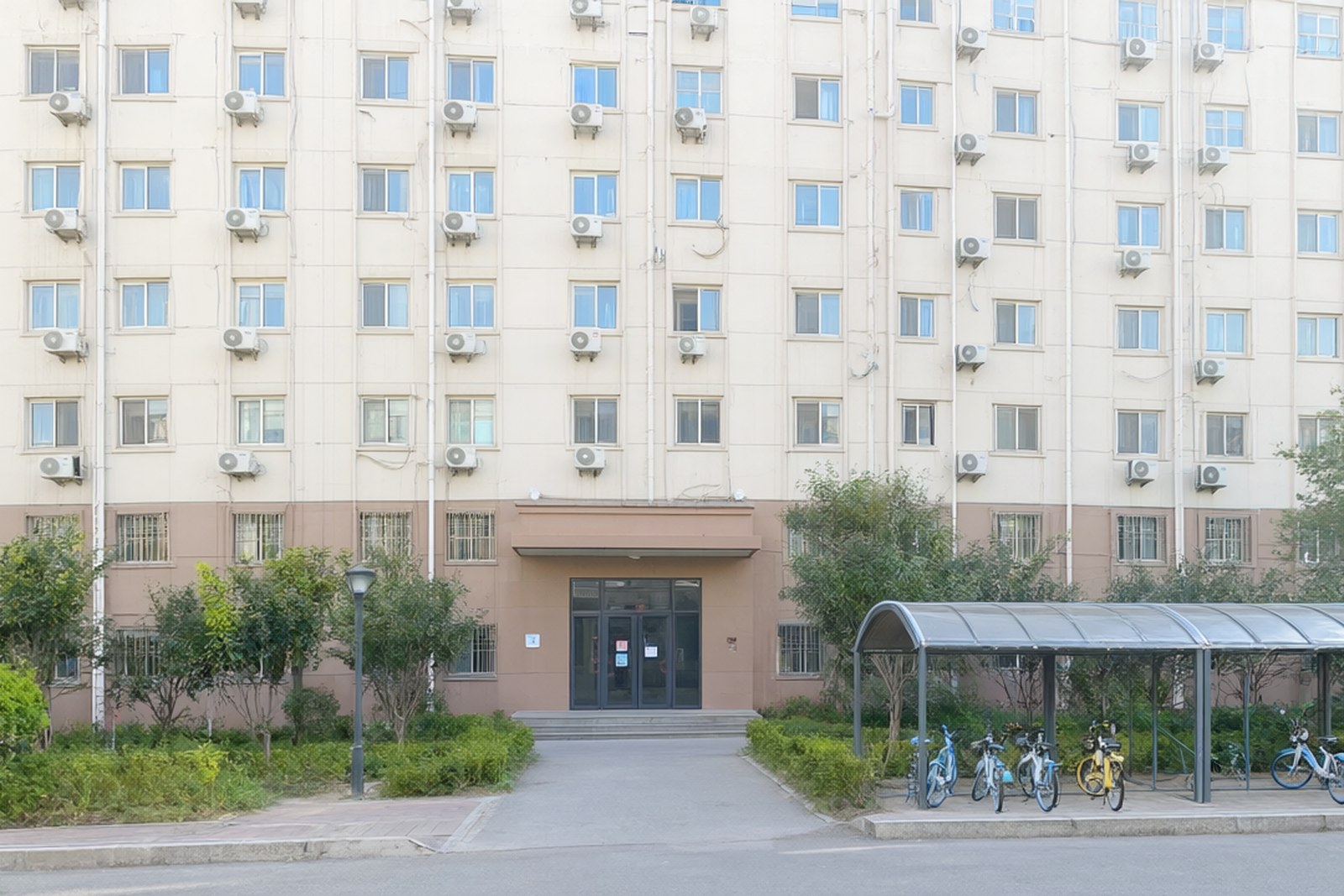
A month in this register is not a hotel month. It starts with an operator’s office rather than a reception desk, and a term sheet instead of a booking confirmation. It continues with a building that belongs to the street: a shared entrance, a stair with a working light switch, and a landlord relationship that is a lease rather than a front-desk request. The district’s management page for the stock says what a guest would otherwise assume: that it coordinated utility and tariff concessions, and that up to the time of writing it had received no complaint.
flowcloud would say that Jiulongpo is the only district in Chongqing that publishes a count of its beds the way cities publish a count of their roads, and that the way to look for a room here is not a platform search but a lease enquiry, because the answer to how much of its sleeping stock exists is thirteen thousand seven hundred units, none of them on a booking site.
Where to stay: the counted stock on a lease if the stay is a month or more and the eligibility questions can be answered; an ordinary private letting in the same corridors if they cannot; and one of this district’s short-stay registers if it is only a night – because at 九龙坡区 Jiǔlóngpō Qū, Jiulongpo, the sequence is to ask who the building was built for, and book the room that answers it.