
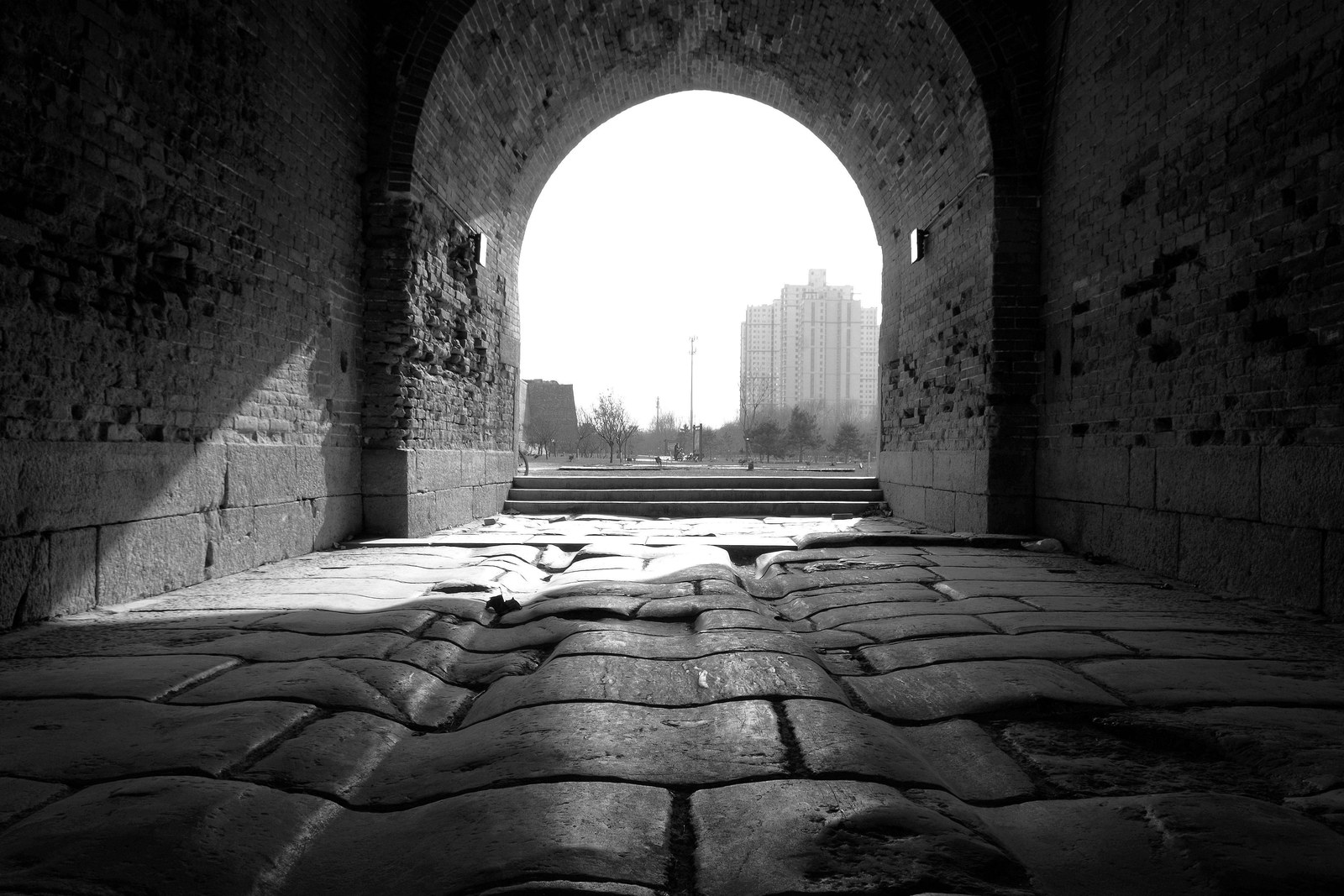
涞滩古镇 Làitān Gǔzhèn, Laitan old town above the 渠江 Qú Jiāng Qu River in northeastern 合川区 Héchuān Qū, Hechuan District, keeps a handful of courtyard guesthouses inside its Qing-dynasty walls, and staying overnight is the difference between seeing the town and having it. The day coaches leave by mid-afternoon; after that the 瓮城 wèngchéng urn city belongs to whoever slept in it – the gate tunnel empty, the stone lanes lamp-lit, the Rock Shrine of the Second Buddha a short stair below the walls and quiet enough to hear the river. The inns are converted courtyard houses: wood-framed rooms around a small yard, breakfast cooked in the family kitchen, and the better houses feed dinner from the town’s own smoked and salted larder. This page is written on the class, because the class – a room inside the walls – is what the town sells and nothing else.
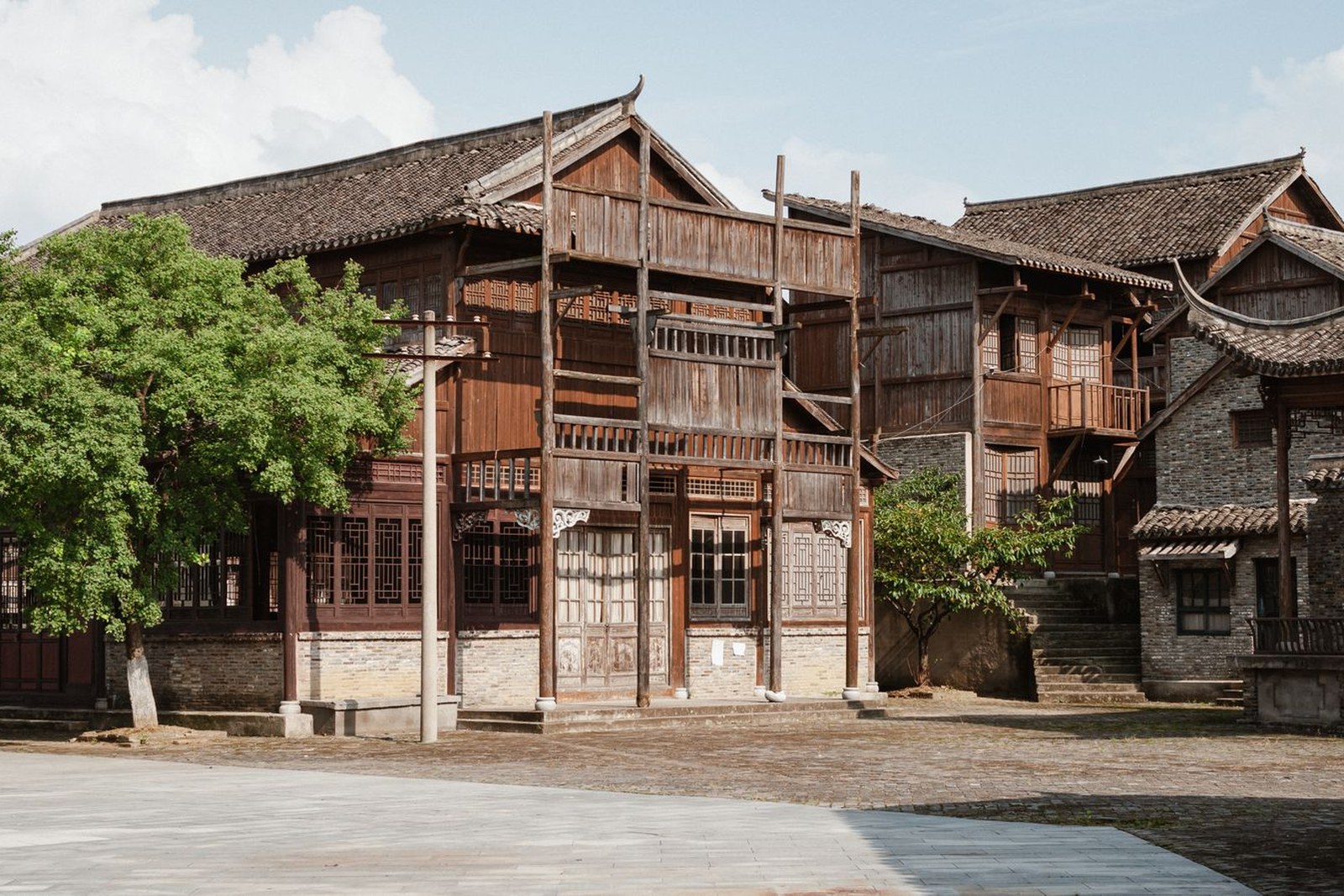
The format is the content. A courtyard inn here is a Qing town house that kept its bones: the timber frames, the small stone yard, the eaves over the lane, with beds and plumbing fitted where the family rooms were. The rooms are simple and the walls are thin, and the town runs on handshake terms – cash, a phone call, a family that meets the arrival – so the booking is part of the experience rather than a transaction before it. What the conversion buys is proportion: the lanes still run at the height and width the walled town was built at, and a room inside that fabric costs little more than a meal.
The trade is the overnight trade, and the overnight is the product. Chongqing weekenders and shrine visitors fill the yards on Fridays; the photographers book the dawn, when the mist stands over the river below the walls and the shrine terraces are empty. Dinner is the larder – the smoked and salted pork the town has cured for its own winters – and breakfast is the family kitchen’s, eaten in the yard before the coaches arrive. What the record supports is the inns as a class – small, family-run, inside the walls – and the town’s two treasures, the urn-city gate and the cliff shrine; what it does not support is any named house, any posted rate or any ranking, and none is invented here.
The booking advice the record does carry is about the ask and the channel: a room on the yard rather than the lane, and dinner said ahead, because the larder is a family’s winter store and not a menu. Book through the platforms where the inns are listed and through the families’ own phone channels where they are not – the village keeps no booking office of its own beyond the kitchens, and that is the honest shape of the trade here.
The town’s own argument closes the district’s. Laitan is the deepest half-day in the district, and the courtyard beds are what turn it into the rarest thing the district sells – a walled town with a thousand carved figures on its doorstep, the urn-city gate tunnel empty after the coaches leave, and nobody else in the frame at dawn. All checked October 2026.
Words and Names
涞滩古镇 Làitān Gǔzhèn, Laitan old town, above the 渠江 Qú Jiāng Qu River in northeastern 合川区 Héchuān Qū, Hechuan District: courtyard guesthouses converted from Qing town houses inside the walls, wood-framed rooms around small yards, family kitchens, and dinners from the town’s smoked and salted larder. The town’s two treasures are the 瓮城 wèngchéng urn-city gate – the basin’s rare trap-courtyard arrangement – and the Rock Shrine of the Second Buddha, the Tang-and-Song cliff complex of carved figures below the walls. No named house, posted rate or founding date is on the record consulted, and none is invented here.
What the Locals Know
The local knowledge is the ask and the hour. The ask is the yard room: the conversions that open onto the stone court are the town’s quiet best, and a booking that takes the first lane-front listing gets the day coaches’ noise instead. The hour is dawn – the shrine terraces belong to whoever slept inside the walls, and the mist over the river below is the photograph the town is famous for – and the second hour is mid-afternoon, when the coaches leave and the lanes empty. Bring cash: the village runs on handshake terms, and the better dinners are arranged ahead from the smoked and salted larder. What the record does not carry is any house ranking or posted rate, and the page declines both.
Practicalities
Price. The bottom of the district’s range, quoted as a band and not a rate: the plain yard rooms sit at a few dozen yuan a night, and the better conversions ask a little more without approaching the district seat’s hotel floors. No posted tariff for any house is on the record consulted, and the page quotes none – the platforms carry the listings that are listed, and the families’ own phone channels carry the rest.
Address. The inns stand inside the walls of 涞滩古镇 Làitān Gǔzhèn, Laitan old town, above the 渠江 Qú Jiāng in northeastern 合川区 Héchuān Qū, Hechuan District. The town is a single walled village, no street numbers are on the record consulted, and the only address question that matters is which side of the house opens to the yard.
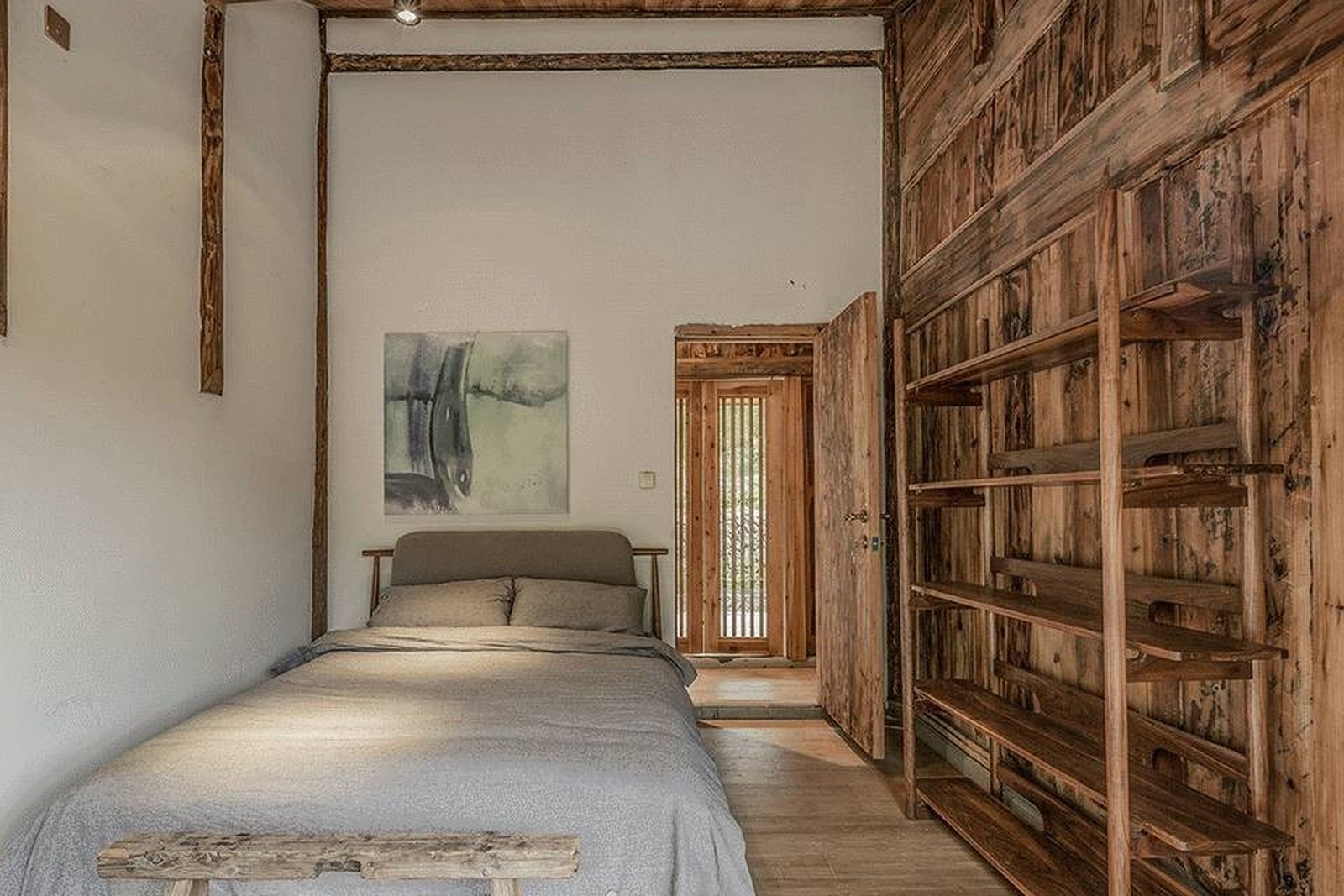
Rooms. Wood-framed rooms around a small stone yard: simple baths, family quilts, thin doors and the lane’s sounds beyond them. Breakfast comes from the family kitchen, and the better houses cook dinner from the smoked and salted larder when it is asked for ahead. Ask for the room on the yard, not the street – the difference in kind is the whole stay.
Getting there. Coach and bus services run from the district seat in about an hour, the last of them away before evening, and self-drive covers the same road with parking at the village edge. The lanes are the road: luggage goes in by hand, the families meet the arrival, and a late-afternoon landing – after the coaches leave – is the timing the overnight is built around.
flowcloud would say that Laitan’s lodging is the courtyard class – converted Qing town houses inside the walls, wood-framed rooms around stone yards, family kitchens and the smoked-and-salted larder for dinner – and that the correct way to book it in 合川区 Hechuan District is a yard room through platform or family channel for the dawn the coaches miss, because no named house or posted rate survives in the record consulted and none is invented. All checked October 2026.
Where to stay: the inns stand inside the walls of 涞滩古镇 Làitān Gǔzhèn, Laitan old town, northeastern 合川区 Héchuān Qū, Hechuan District, bookable on the platforms where listed and through the families’ own channels; named properties, posted rates and founding dates are not on the record consulted and none is invented here. Pair this page with the ancient-town page for the urn city and the cliff shrine outside the door, and the peach-slices page for the boxed sweet on the drive home.