
Liangping’s urban centre gathers around the People’s Square (人民广场, rénmín guǎngchǎng) and the commercial street (商业街, shāngyè jiē) that runs off it, and that is where the district’s broadest spread of rooms and restaurants lives. If you are using Liangping as a launch pad for the Temple, the Bamboo Sea, and the old Fort in a single day, the city is the obvious base — you trade scenery for convenience, and most travellers find the trade worth making.
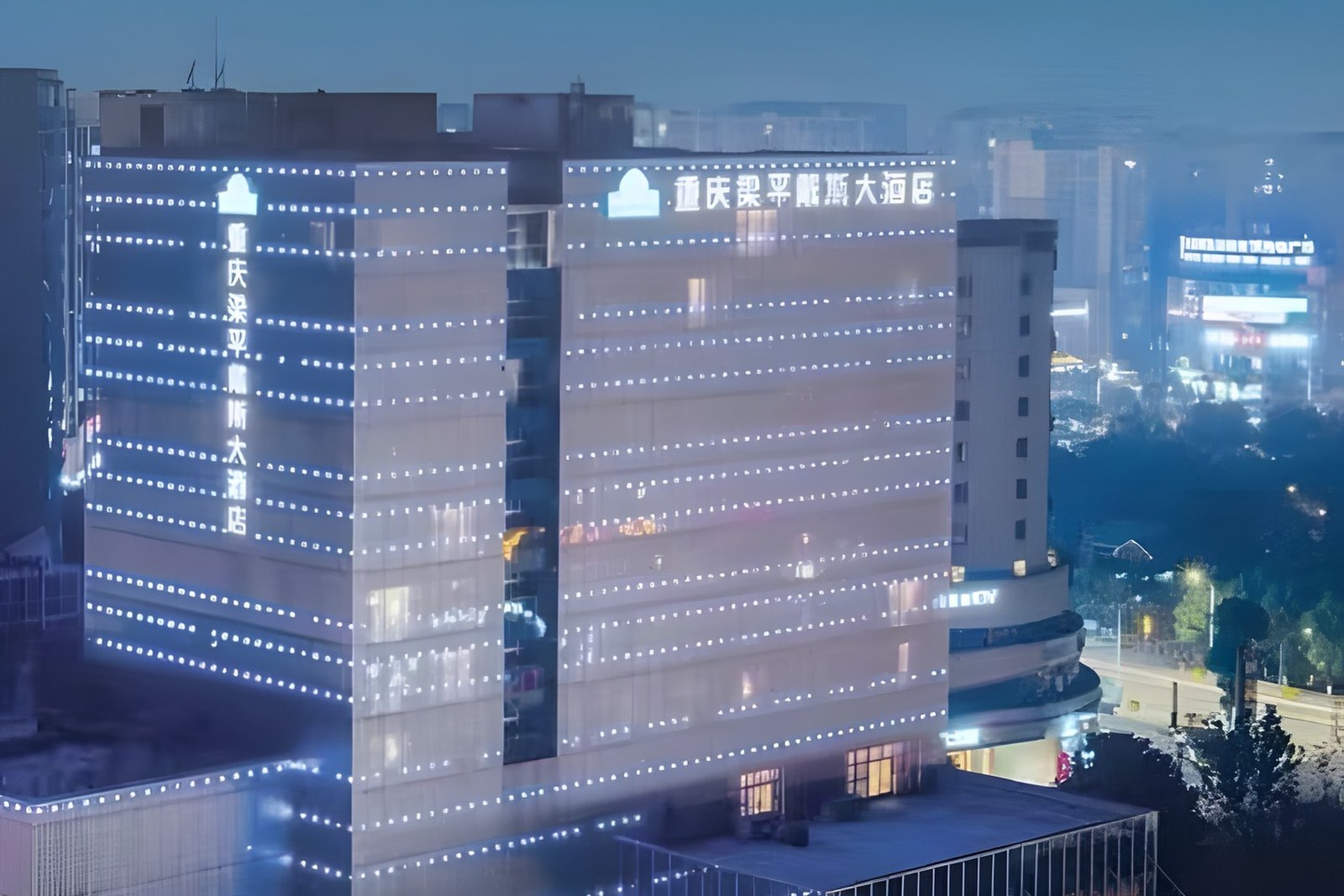
The hotels here range from no-frills business blocks to the occasional four-star tower, and because they sit above the bus station and the taxi ranks, an early departure to the bamboo groves or the temple is a five-minute ride rather than a half-day transfer. Room types and dining options outnumber everywhere else in the district, which is the whole point: a family with three budgets and two food moods can usually be satisfied under one roof, and the night market that opens along the commercial street means dinner is never a planning problem.
Treat the city as the hub, not the highlight. From a central room you can chase the morning mist at Baili Bamboo, be back for a hot lunch, and still reach Shuanggui Temple or Huashi Fort before the light goes, changing the plan by the weather without ever repacking a bag. Rooms typically run from a modest economy rate to a comfortable mid-range figure depending on the season, and booking ahead during holidays is wise because the whole district fills. For planners, families, and anyone who likes the logistics solved before the sightseeing starts, the square-and-street belt is where you actually sleep well.
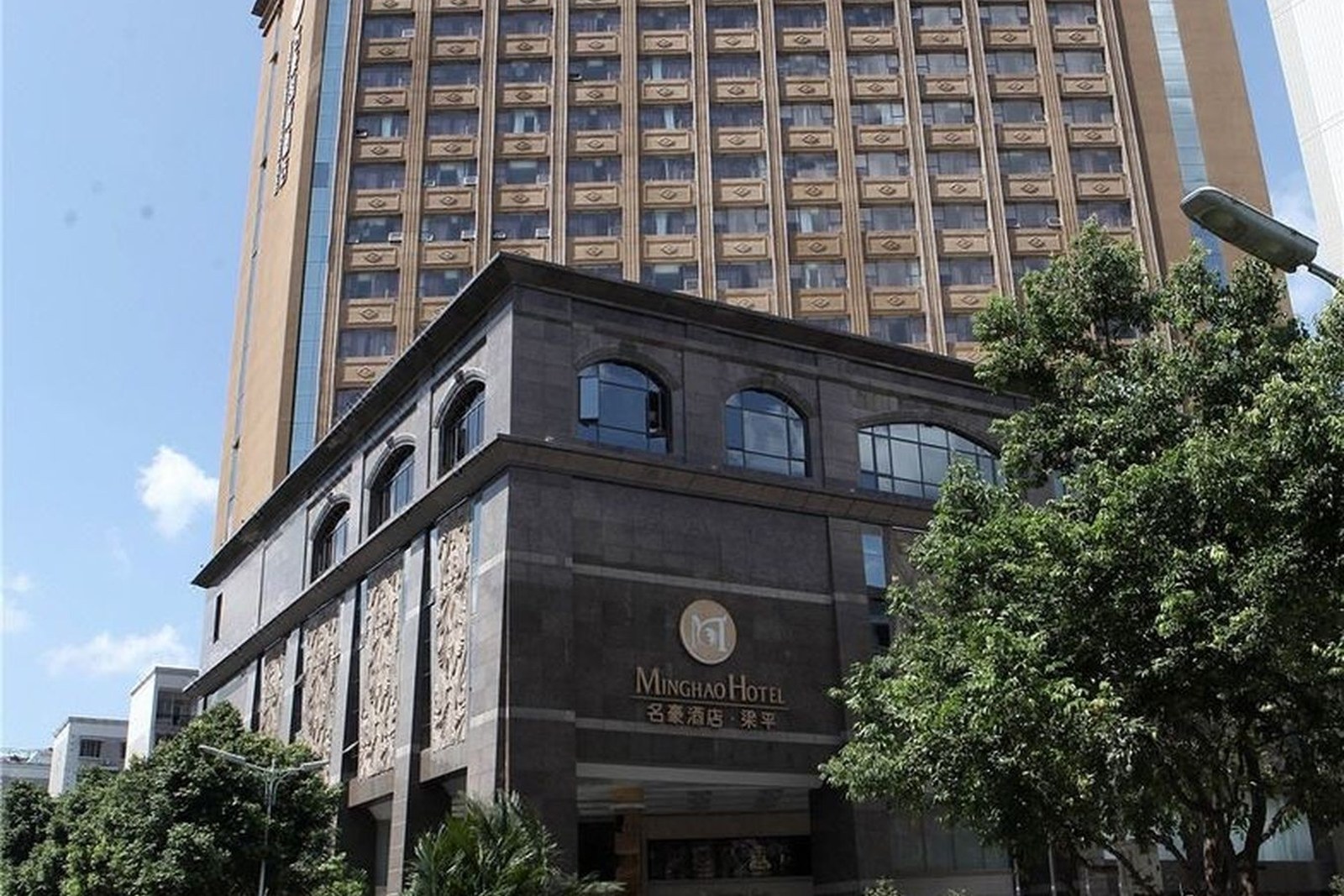
Words and Names
人民广场 rénmín guǎngchǎng — People’s Square, the central civic plaza 商业街 shāngyè jiē — commercial street, the main shopping and dining belt 城区 chéngqū — urban district, Liangping’s city centre 大本营 dàběnyíng — base camp, the practical staging point 客运站 kèyùn zhàn — passenger bus station, the transport hub 夜市 yèshì — night market, where the street feeds late