
Shuanggui Temple (双桂堂, shuāngguì táng) is known across Sichuan-Chongqing Buddhism as the “First Zen Court Under Heaven” (天下第一禅院, tiānxià dìyī chányuàn), and the quiet guest courtyard beside it was built for precisely the people who come to stay close to it — pilgrims, long-term chanters, and travellers who simply want their mornings to begin with incense rather than a phone screen. The lodgings are plain by design: clean rooms, shared baths, and a courtyard of stone where the temple’s bells set the hour.
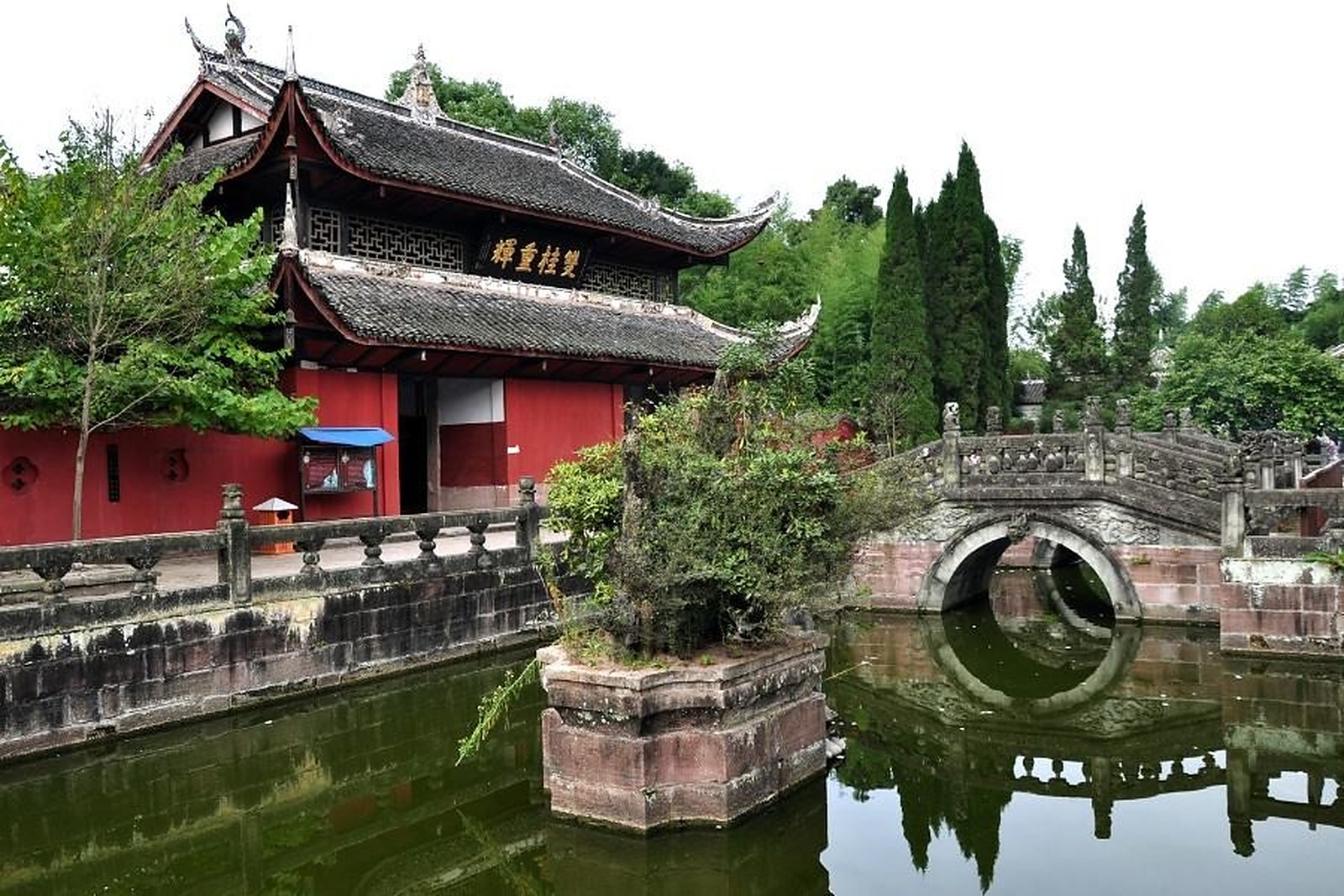
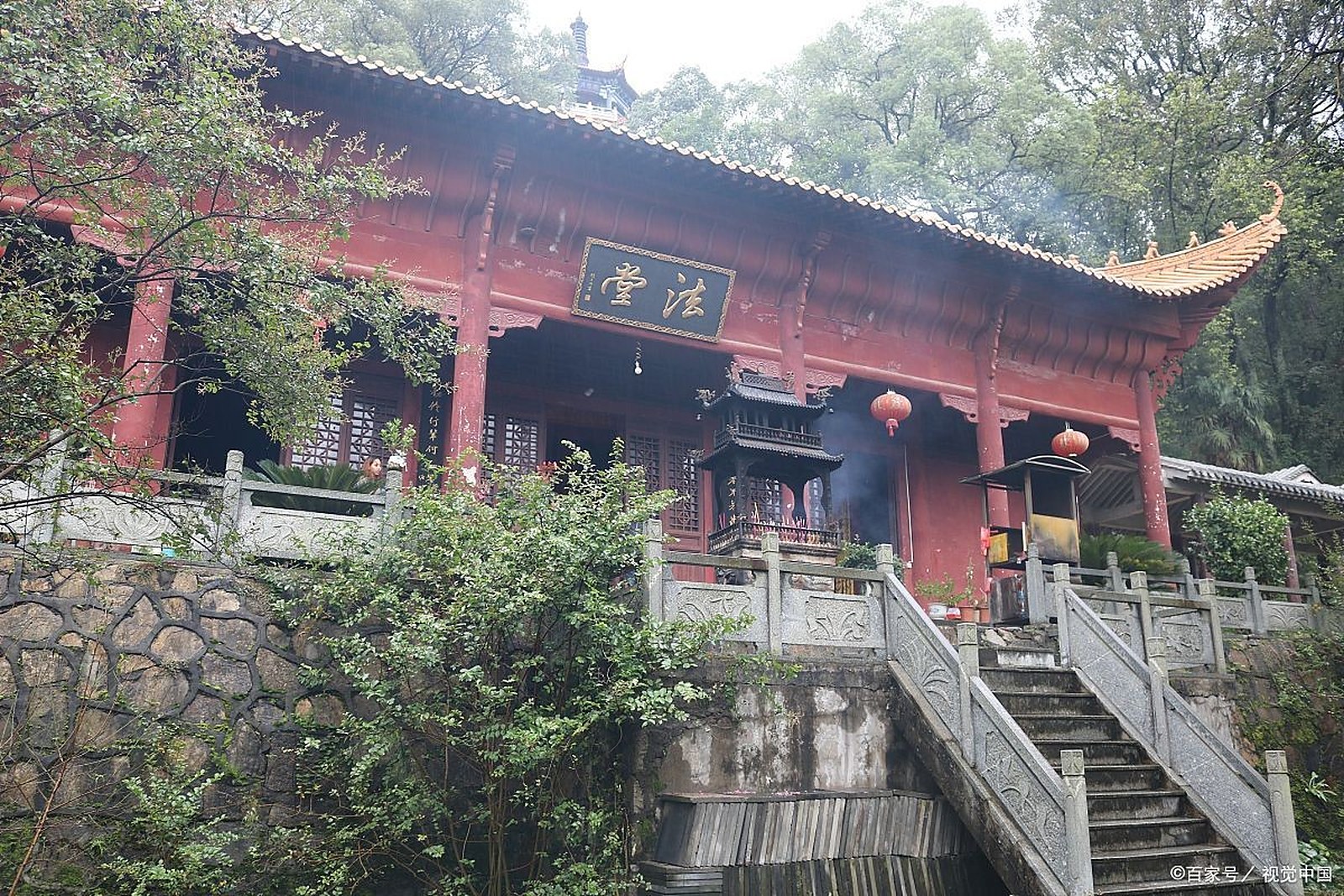
The walk to the main hall is short enough to make before the first light. Residents of the courtyard join the morning offering (早课, zǎokè) when they wish, standing at the back of the hall as the monks chant and the smell of sandalwood fills the rafters, and there is no pressure to do more than listen. Vegetarian meals are taken in the temple refectory at set times, plain and filling, and the rest of the day opens up for slow walks along the temple’s outer walls or sitting in the courtyard with a book.
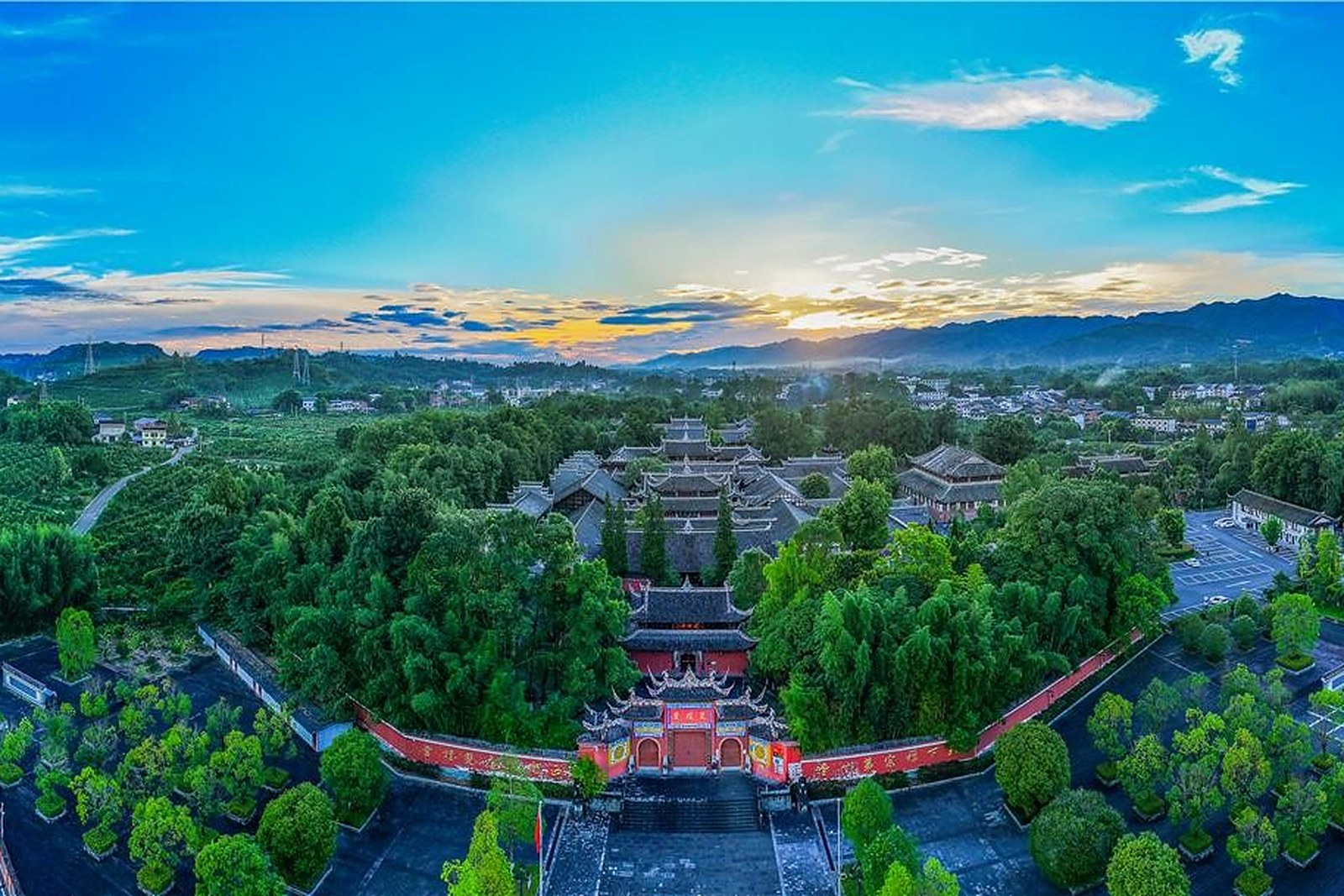
This is not a hotel and the hosts will tell you so without apology — it is a jushi (居士, jūshì) lay-resident’s yard, and the deal is silence, simplicity, and proximity to the practice. Rooms are typically offered at a very low cost, sometimes little more than a donation, and the courteous guest keeps the courtyard quiet after the evening bell. For seekers who have spent the day in the city’s noise, the temple’s stillness arrives like a hand on the shoulder. The famous twin osmanthus trees that gave the temple its name drop their scent across the yard in autumn, and on those evenings the whole place smells of honey and old wood.
Words and Names
双桂堂 shuāngguì táng — Shuanggui (Twin Osmanthus) Temple, a major Zen monastery 天下第一禅院 tiānxià dìyī chányuàn — “First Zen Court Under Heaven,” the temple’s honorific 早课 zǎokè — morning chanting service at first light 居士 jūshì — lay Buddhist resident, the kind of guest the courtyard hosts 上香 shàngxiāng — offering incense, the dawn ritual 禅院 chányuàn — Zen courtyard or monastery