
莲花山 Lián huā shān, Lotus Mountain, is the highest ground on the eastern Guangdong coast, standing in the north-west of 海丰县 Hǎi fēng xiàn, about 14 kilometres from the county town of 海城镇 Hǎi chéng zhèn. The range is why this part of 汕尾市 Shàn wěi shì differs from the coast an hour south. The prefecture the old maps call 海陆丰 Hǎi lù fēng holds both the 福佬话 fú lǎo huà lowlands, whose speech runs close to Teochew, and the Hakka hill country of 陆河县 Lù hé xiàn further north, and 莲花山 is where the flat land ends. The old 莲花山镇 lián huā shān zhèn has been absorbed into 海城镇, so a navigation app should be given the mountain’s name and not the town’s.
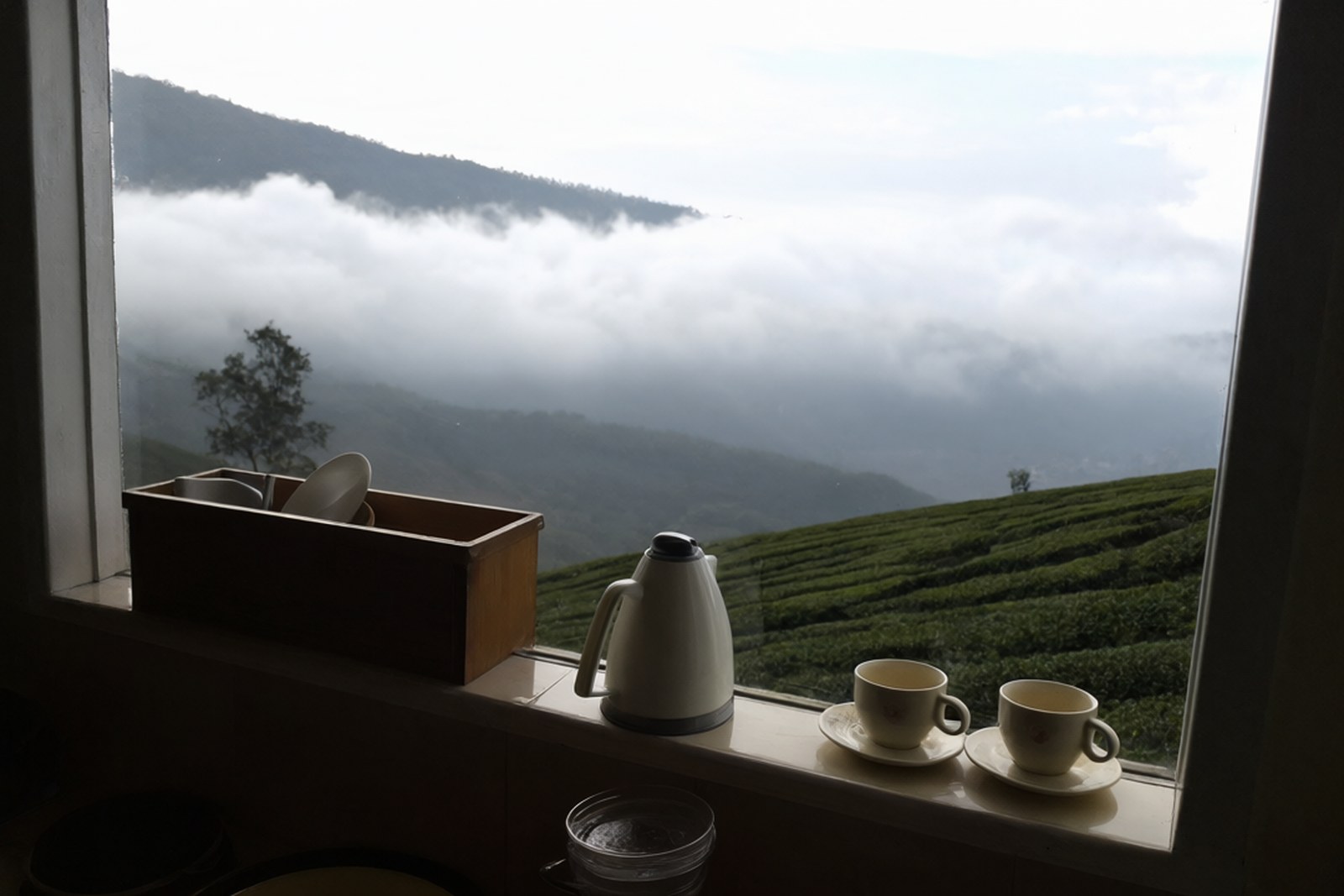
The mountain itself is stone and water rather than a resort hill. Its main peak reaches 1,337.3 metres, the highest point on the coast of eastern Guangdong, and the provincial forest park around it covers about 5,000 hectares. The water is the part visitors remember: 莲花十八瀑 lián huā shí bā pù, the Eighteen Falls, runs through the massif with a boardwalk and cliff walkway along the 龙须胜景 lóng xū shèng jǐng path. Seven temples were founded here in the Ming and Qing dynasties, which is why the mountain is called 莲花佛国 lián huā fó guó: 鸡鸣寺 Jī míng sì was built in 1633, and 云莲寺 Yún lián sì sits at 800 metres on the east side of the peak.
For a bed, this is a mountain with one serious property and a long tail. 莲花山度假村 Lián huā shān dù jià cūn is the one hotel on the mountain in the province’s official register, a four-star, and the only entry for 海丰县 there which is not marked as suspended. Its opening year and official room count are in no government source, though a third-party review puts it at about 300 rooms and 40 hot-spring pools. The seasonality is easy to get wrong: a package page for autumn 2026 states that the hot spring opens from 1 October and that the hotel does not run it in September. Rates on 29 September 2026 ran from about 442 yuan at one booking site and the equivalent of 300 to 320 at another.
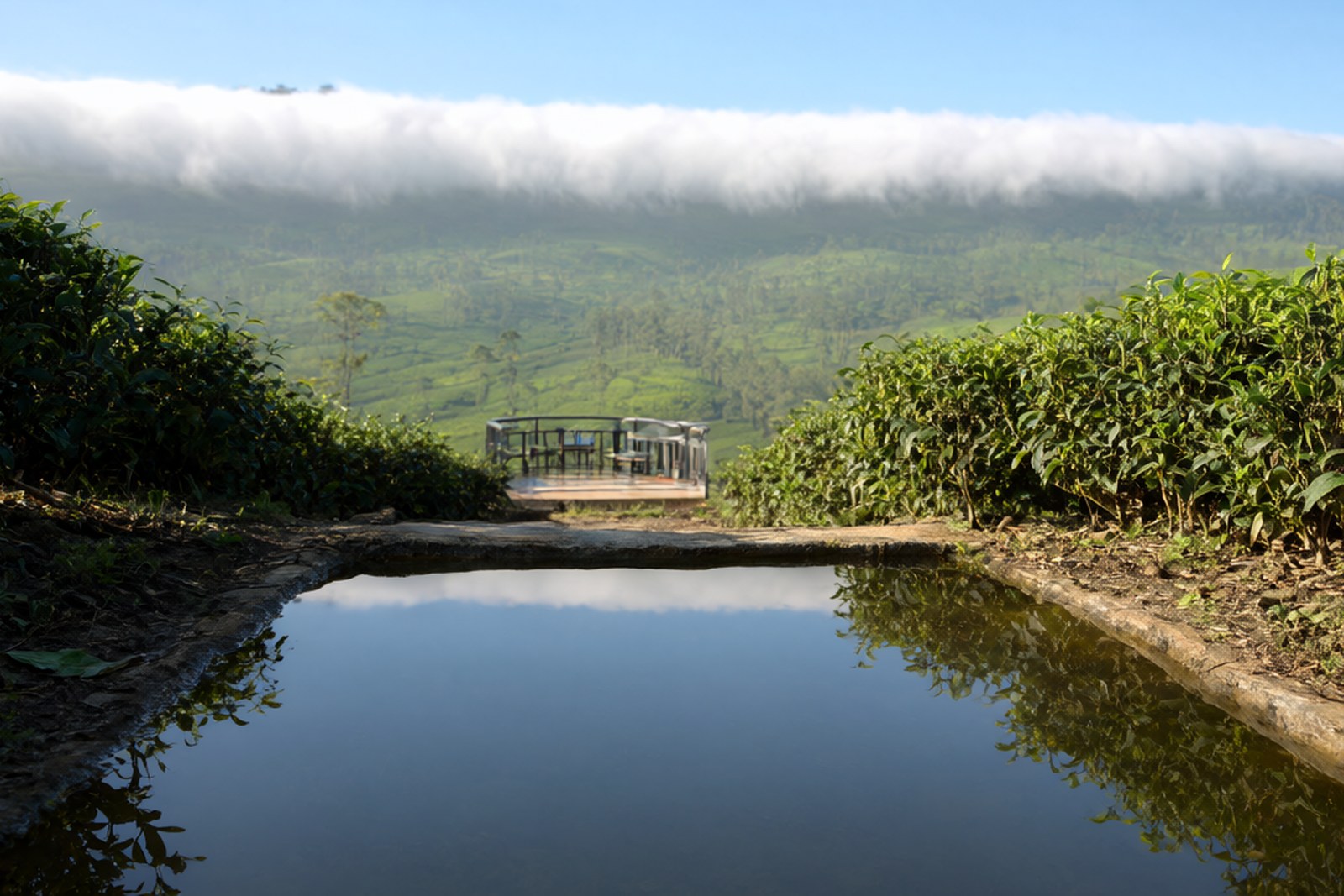
The rest of the market is a foot-of-the-mountain trade and its spread is wide enough that price is no guide. 海丰莲花山银泉度假民宿, about 4.7 kilometres from the park gate, is listed at 8.6 out of 10 from 26 reviews on one platform and 3.4 from 48 on another, from about 171 yuan on the first and the equivalent of 135 on the second. 满有意思民宿, barely a kilometre from the entrance, is the most expensive bed on the mountain at the equivalent of about 920 to 2,439 yuan a night, but from three reviews, with no operator, opening year or room count published. Below that the county town’s chains run from about 107 to 369 yuan.
What the Rooms Are Like
Every bed on this mountain is at the foot of it or halfway up, because nothing is built on the summit ridge, and the rooms come in three grades. The resort’s own stock is a main block plus wooden cabins and villas in a garden layout; reviewers are candid that the main-block rooms are dated. The village guesthouses below are converted farmhouses, plainer and sometimes with a courtyard. The mountain runs several degrees cooler than the town, so pack for a hill, and a car is essential. The reservoirs and streams mean mosquitoes, and the April-to-September wet season is when they are worst and when 94 per cent of the year’s rain falls.
Practicalities
Price. The mountain’s one four-star was listed at about 442 yuan a night on 29 September 2026 on one site and the equivalent of 300 to 320 on another, with autumn packages including breakfast and unlimited hot-spring bathing at 818 to 1,088; the village guesthouse below it starts from about 171, and its most expensive neighbour ranges up to the equivalent of 2,439. The county-town chains run from about 107 to 370. October onwards is the season for the water and the summer is for the falls and the tea. Every figure is a snapshot and floats.
Address. The rooms are on and below 莲花山 Lián huā shān in 海城镇 Hǎi chéng zhèn, 海丰县 Hǎi fēng xiàn, in 汕尾市 Shàn wěi shì, 14 kilometres north-west of the county town along the 海银公路 hǎi yín gōng lù and the X128 county road, with the four-star resort at 龙喷须 lóng pēn xū, the 龙须胜景 falls walk deeper in and the temples along the same approach.
Rooms. Ask first whether the hot-spring water is running during your dates, because the property’s own package pages distinguish between the season when it is and the season when it is not. Ask whether the room is in the main block or a cabin or a villa, since the three are priced and maintained differently. And ask about a packed lunch, since the walk up to the falls is a half-day.
Getting there. 海丰县 Hǎi fēng xiàn has no high-speed rail station at all, so there is no train to take to Haifeng and none should be looked for. The nearest gates are 汕尾站 Shàn wěi zhàn in the city’s 城区 chéng qū, about 40 minutes by car from the county town, and 鲘门站 Hòu mén zhàn, also called 汕尾南站, though 鲘门镇 hòu mén zhèn was moved into the 深汕特别合作区 shēn shàn tè bié hé zuò qū under Shenzhen’s administration in 2017, so it is no longer a Haifeng station. By road the route is the Shenhai expressway with its 汕尾东 and 梅陇 méi lǒng exits, then the X128 to the foot of the mountain.
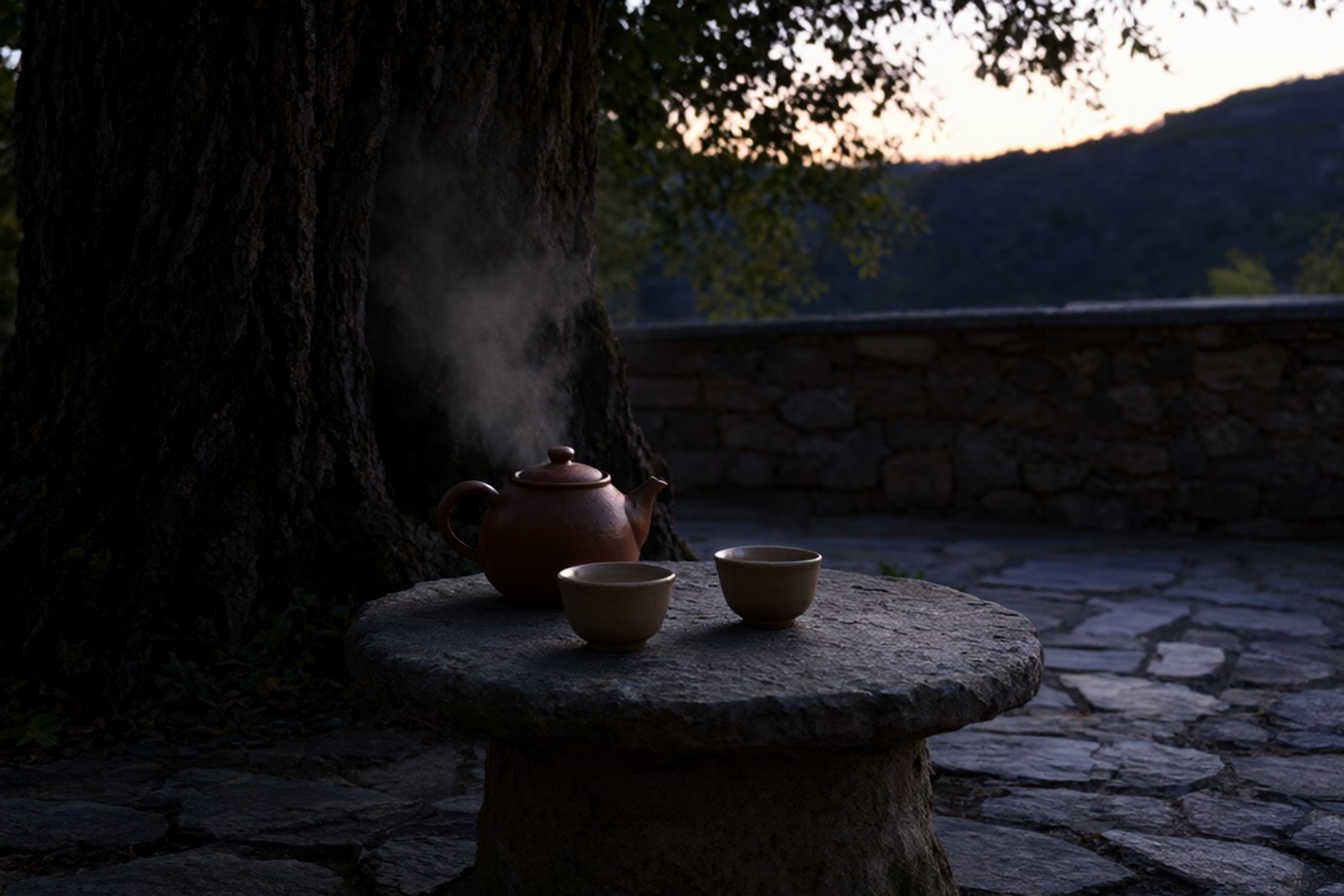
Where to stay: a cabin or a room at 莲花山度假村 Lián huā shān dù jià cūn at 龙喷须 lóng pēn xū on 莲花山 Lián huā shān in 海城镇 Hǎi chéng zhèn, 海丰县 Hǎi fēng xiàn, if the water is running and the bath is the point of the trip, and otherwise a guesthouse in the villages below the park or a chain room in the county town fifteen minutes away. Either way the mountain is the day trip, the tea is best in April and the falls are best after rain.
flowcloud would say that a mountain which has been a place of pilgrimage since seven temples were built on it in the Ming dynasty has kept its priorities right by putting the hotel at the bottom and the gods at the top – and that the correct way to sleep here is to take the water when the season allows it, walk the falls when it does not, and accept that the room was never the reason.