
Liugou Village Stays: Kang-Heated Rooms, Tofu-Banquet Tables and Ming Fortress Lanes of Yanqing District, Beijing
火炕三更犹觉暖,豆腐一锅抵岁寒。Huǒkàng sān gēng yóu jué nuǎn, dòufu yī guō dǐ suì hán – At the third watch the kang still feels warm; one pot of tofu holds off the year’s cold.
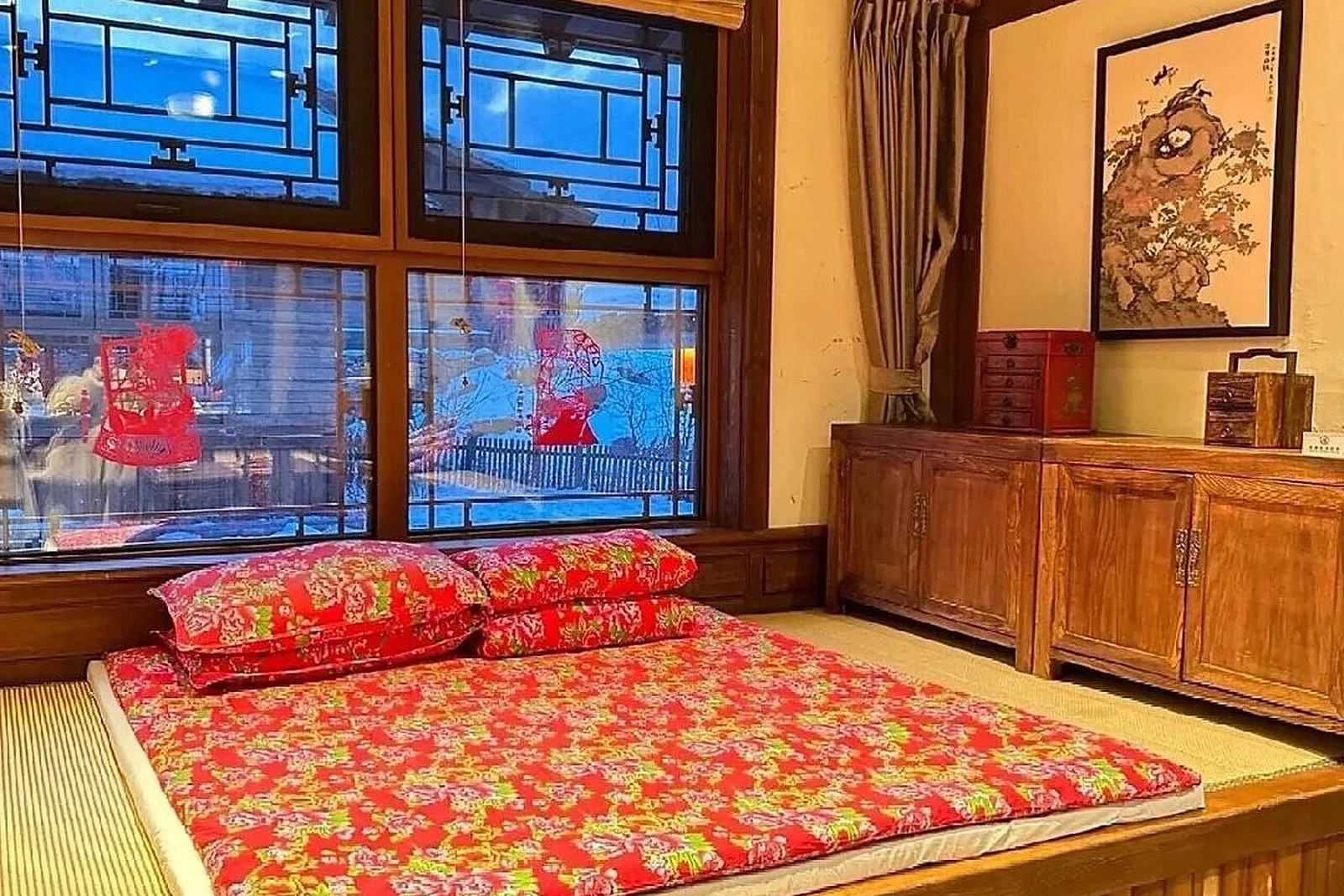
The stay at 柳沟 Liǔgōu Liugou is not a homestay trend and not a boutique conversion – it is, plainly put, a working village that turned its own houses into beds: the 民俗接待户 mínsú jiēdàihù registered farmstay households of 柳沟村 Liǔgōu cūn Liugou village in 井庄镇 Jǐngzhuāng Zhèn Jingzhuang township, on the southern skirt of 延庆区 Yánqìng Qū Yanqing District, 北京 Běijīng Beijing, where the Ming fortress of 柳沟城 Liǔgōu Chéng was raised in the 1550s to guard the road south to the capital, where a gate arch and stretches of earthen wall survive between the new houses, and where the village made its name on 豆腐宴 dòufuyàn – the tofu banquet, a 火盆锅 huǒpén guō brazier pot of three-coloured bean curd and cured pork, served at long tables in the yards. Three bands hold the beds: the 火炕 huǒkàng kang rooms in the old fortress lanes, closest to the banquet tables; the newer 标间 biāojiān doubles in rebuilt yards on the village edge, with private bathrooms; and a few courtyard guesthouses of a dozen rooms each, built for coach parties. Heating is the point of the place: a properly fired kang holds its warmth until morning.
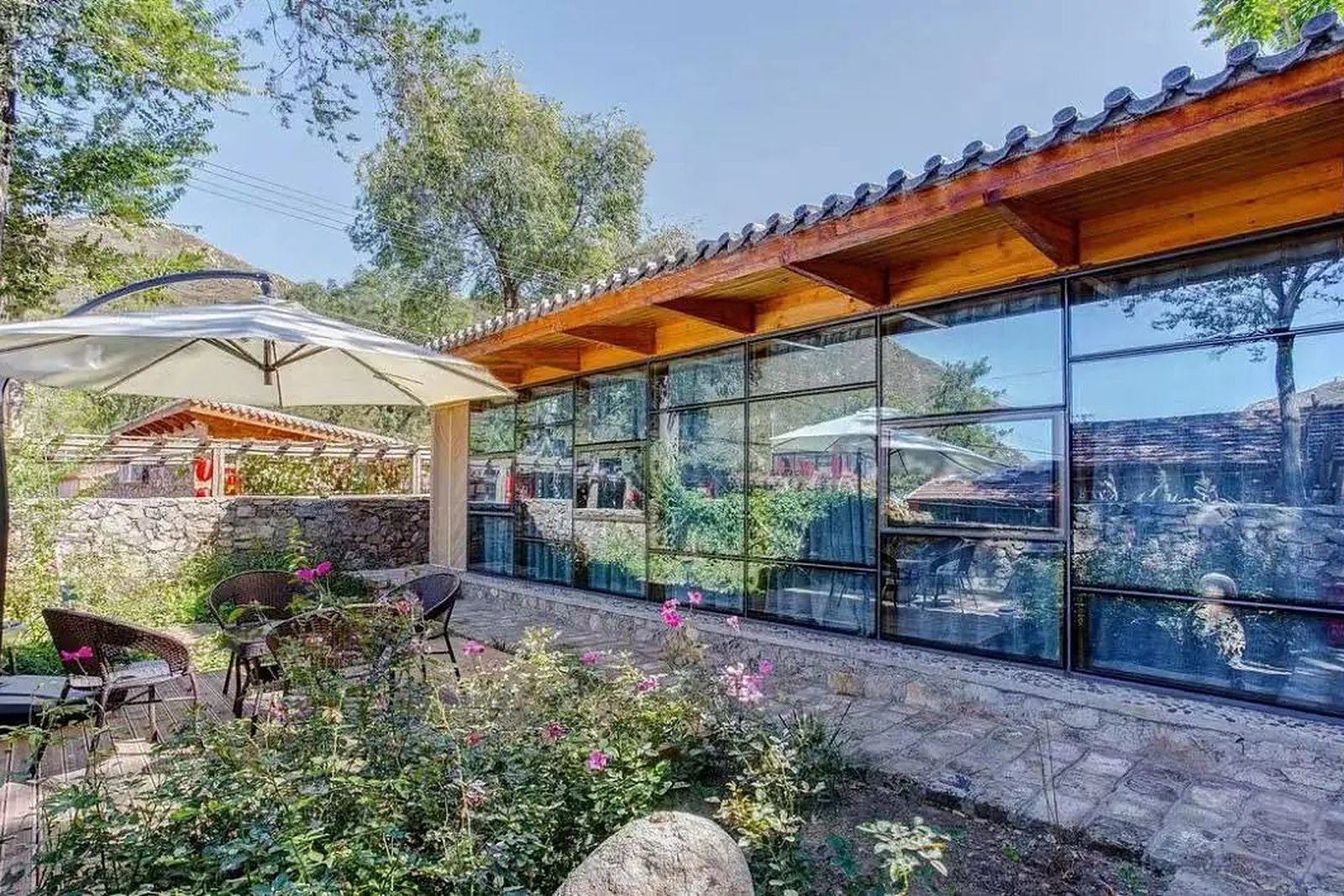
Call it honestly: ¥150–350 a night room-only in the October 2026 snapshot, or ¥300–500 when the room comes bundled with the 豆腐宴 dòufuyàn banquet and breakfast, which is how most households prefer to sell it and how you should probably buy it. A basic kang room in the old lanes is ¥150–220; a rebuilt double with a private bathroom and underfloor heating ¥250–350; the courtyard guesthouses that take coach groups run ¥300–400 a room and will deal for a full house. The dinner itself, bought separately, is ¥50–80 a head and effectively unlimited, since the pot is refilled until you stop. Rates barely move with the foliage – this is not a view village – but they double in the 春节 Chūnjié holiday week and rise 1.5x on winter weekends, when half of Yanqing drives down for tofu and a hot bed. November to March midweek is the quietest, cheapest and arguably best time to come, because the kang then earns its keep (worth confirming whether your household fires it in the afternoon or at dusk).
The honest star is the dinner; the bed is the second act. The banquet is genuinely good – three colours of tofu, dried, fried and fresh, layered over pork belly and cabbage in a charcoal brazier, with pickles, millet cakes and a jug of hot 豆浆 dòujiāng soy milk – and it is served in a farmhouse yard at a price no city restaurant can match. What gets oversold is the “ancient village” framing: the fortress is real, the walls are mostly earth and mostly gone, and the rebuilt lanes read as tidy rather than old. The rooms themselves are simple; sound carries between courtyard units, the shared bathrooms in the cheapest band are exactly that, and the village empties completely by nine in winter (worth confirming whether your household has a private bathroom and whether the kang is fired for the night). Judge it as a dinner with a warm bed attached and it is one of the best-value nights in Beijing’s rural districts; judge it as a design hotel and the plastic slippers will disappoint you.
The self-aware postscript: a friend who grew up in 延庆 Yánqìng takes visiting colleagues to 柳沟 Liǔgōu every January and insists on the same household, third lane past the gate arch, because the grandmother there dams the flue at ten and the bricks are still warm at seven. They eat until ten, walk the earthen wall in the dark with a torch, and are asleep before eleven; the colleague says the same thing at breakfast every year, that he has never slept like that in a hotel. Yanqing holds four other kinds of bed and they are not interchangeable: the town chains at 延庆城区 Yánqìng chéngqū for the errands and the river, the wall-foot courtyards at 岔道 Chàdào for the dawn climb, the farmyards under 龙庆峡 Lóngqìng Xiá for the gorge and the ice lanterns, and the high cool valley at 海坨 Hǎituó for July. 柳沟 Liǔgōu is the warmest door, and the only one that comes with dinner.
The Stays
- 柳沟火炕农家院 Liǔgōu huǒkàng nóngjiāyuàn kang-heated farmyards in the old lanes: ¥150–250 a night room-only, ¥300–400 with the banquet folded in. Who it suits: winter visitors and dinner-first travellers; who it does not suit: anyone needing a private bathroom at the low end.
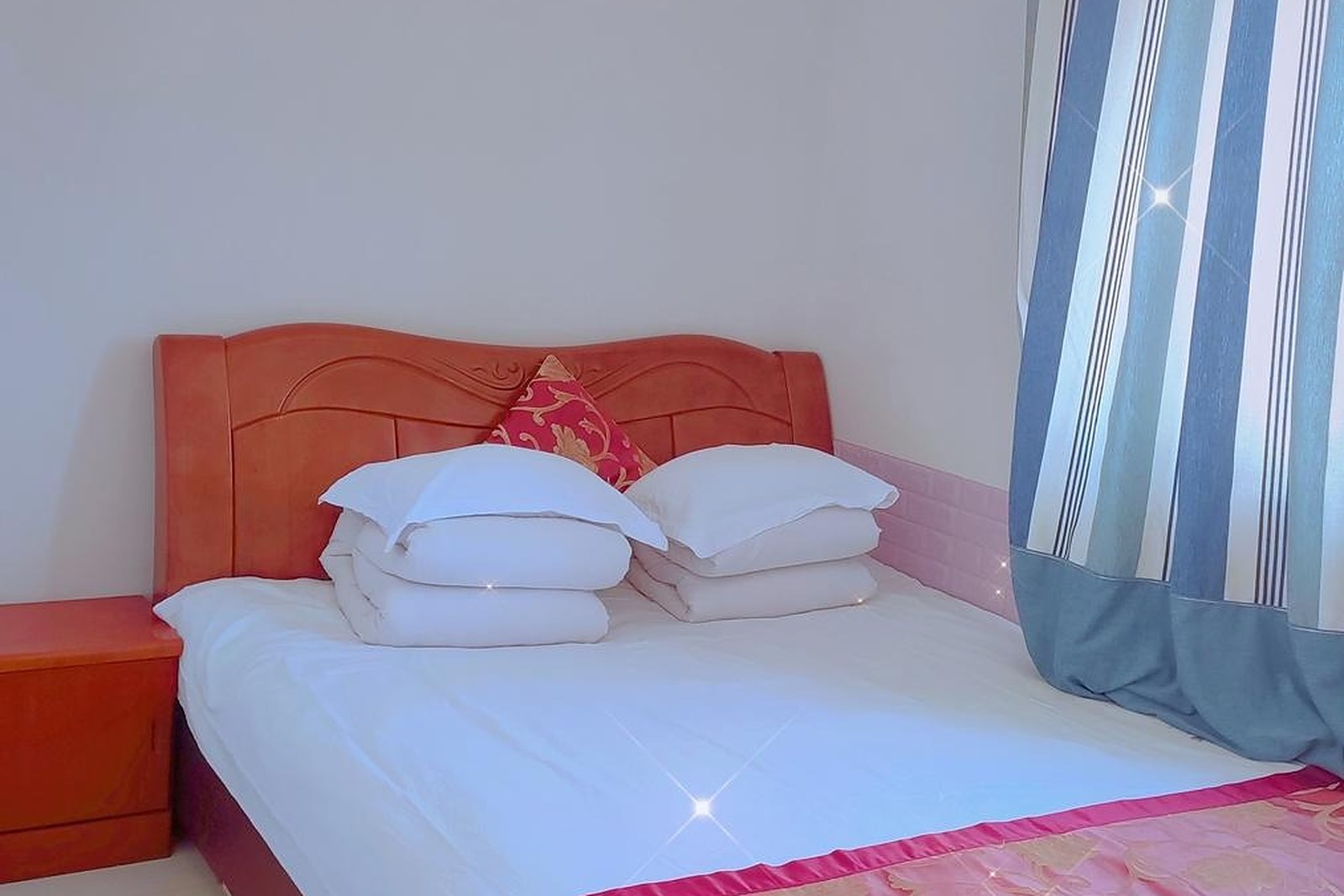
- 新村标间接待户 xīncūn biāojiān jiēdàihù rebuilt twin rooms on the village edge: ¥250–350 a night, private bathrooms and underfloor heating. Who it suits: couples and older visitors; who it does not suit: purists who came for a real kang.
- 豆腐宴包院客栈 dòufuyàn bāoyuàn kèzhàn whole-courtyard guesthouses: ¥300–500 a night including three meals, built for parties of eight to twenty. Who it suits: families and coach groups; who it does not suit: solo travellers.
- 井庄镇周边民宿 Jǐngzhuāng Zhèn zhōubiān mínsù guesthouses around Jingzhuang township: ¥180–300 a night, quiet rooms five minutes from the village. Who it suits: drivers and light sleepers; who it does not suit: anyone who wants to walk to dinner.
flowcloud would say that the Liugou stay is a bed bought for the table – fortress-lane kang room to whole-courtyard guesthouse in the October 2026 snapshot, ¥150–350 room-only and ¥300–500 with the banquet – and that the honest move is to book the package, arrive hungry and go to bed early on hot bricks, because the dinner is the amenity and the cold outside is the price – the fortress keeps the only lanes. All checked October 2026.
Where to stay: Stay inside 柳沟村 Liǔgōu cūn proper, within the old fortress lanes, rather than on the approach road – the whole point is walking to the 豆腐宴 dòufuyàn tables and back to a fired 火炕 huǒkàng without a car. Ask whether the quoted rate includes the banquet, because a room-and-three-meals package is the honest comparison. Winter weekends and 春节 Chūnjié week fill first. All checked October 2026.