
The inn is a courtyard house three lanes back from the river, and the room I had was off the courtyard on the ground floor, with a wooden door that closed with a bar rather than a lock and a window looking at a stone water jar and a persimmon tree. It cost less than lunch in 长沙 Chángshā. What it did not have was any indication that three hundred metres away, under the floor of a well, was the single most important archaeological discovery made in China this century.
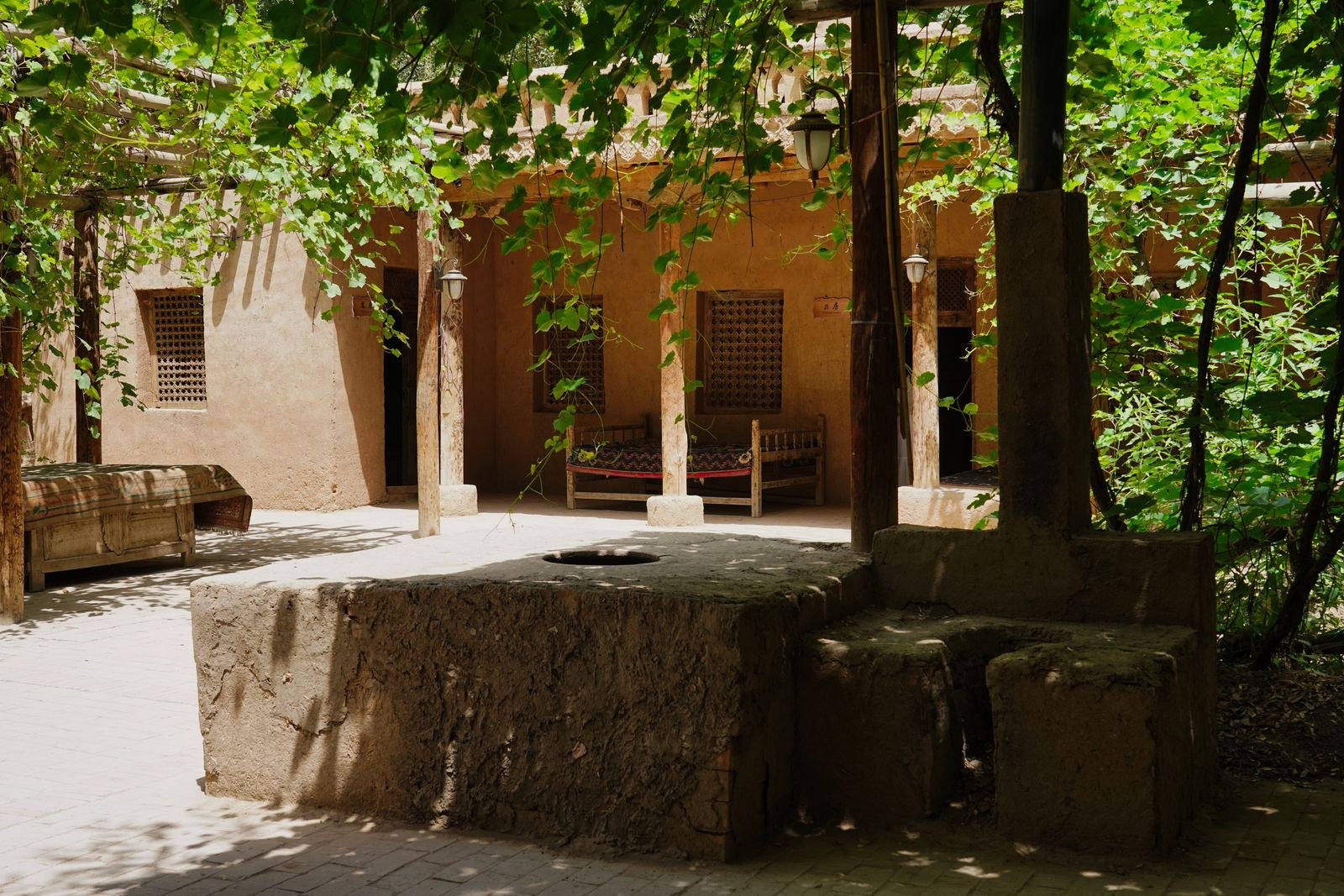
里耶 Lǐyē is a river town in 龙山县 Lóngshān Xiàn, in 湘西土家族苗族自治州 Xiāngxī, western 湖南 Húnán, sitting on the 酉水 Yǒushuǐ — the You River — which for centuries was the trade route between the mountains of western Hunan and the 沅江 Yuán Jiāng and the world beyond. It was a 码头 mǎtóu, a wharf town, and a busy one: salt, timber, oil, cloth and opium moved through here, and the merchants who made money on it built the courtyards and the stone lanes that are still standing.
Thirty-Seven Thousand Slips
In 2002, archaeologists working on the site of the old town wall opened 一号井 Yīhào Jǐng, Well Number One, and pulled out a sequence of waterlogged mud that turned out to contain more than thirty-seven thousand Qin-dynasty bamboo and wooden slips — administrative records, receipts, inventories, letters, the daily paperwork of a frontier county office in the third century BC. It is the largest single cache of Qin documents ever found, and it rewrote what historians knew about how the first Chinese empire actually ran its provinces.
The slips are kept in the 里耶秦简博物馆 Lǐyē Qínjiǎn Bówùguǎn, the Liye Qin Slips Museum, a low grey building at the edge of the old town, and it is genuinely worth the trip on its own. The 古城遗址 gǔchéng yízhǐ, the excavated town site with the well itself, is a short walk from the museum under a protective roof. Between the two you can spend a very good morning.
The odd and wonderful thing is the contrast. You eat a bowl of noodles in a lane where a man is repairing a bicycle, you walk three minutes, you look at a piece of wood with a clerk’s handwriting on it from 220 BC, and you walk back and have another bowl of noodles. There is no crowd. There is no queue. On the day I went, the museum’s other visitors were one school group from the county town and two men in suits who appeared to be inspecting something.
The Inn, and the Town After Dark
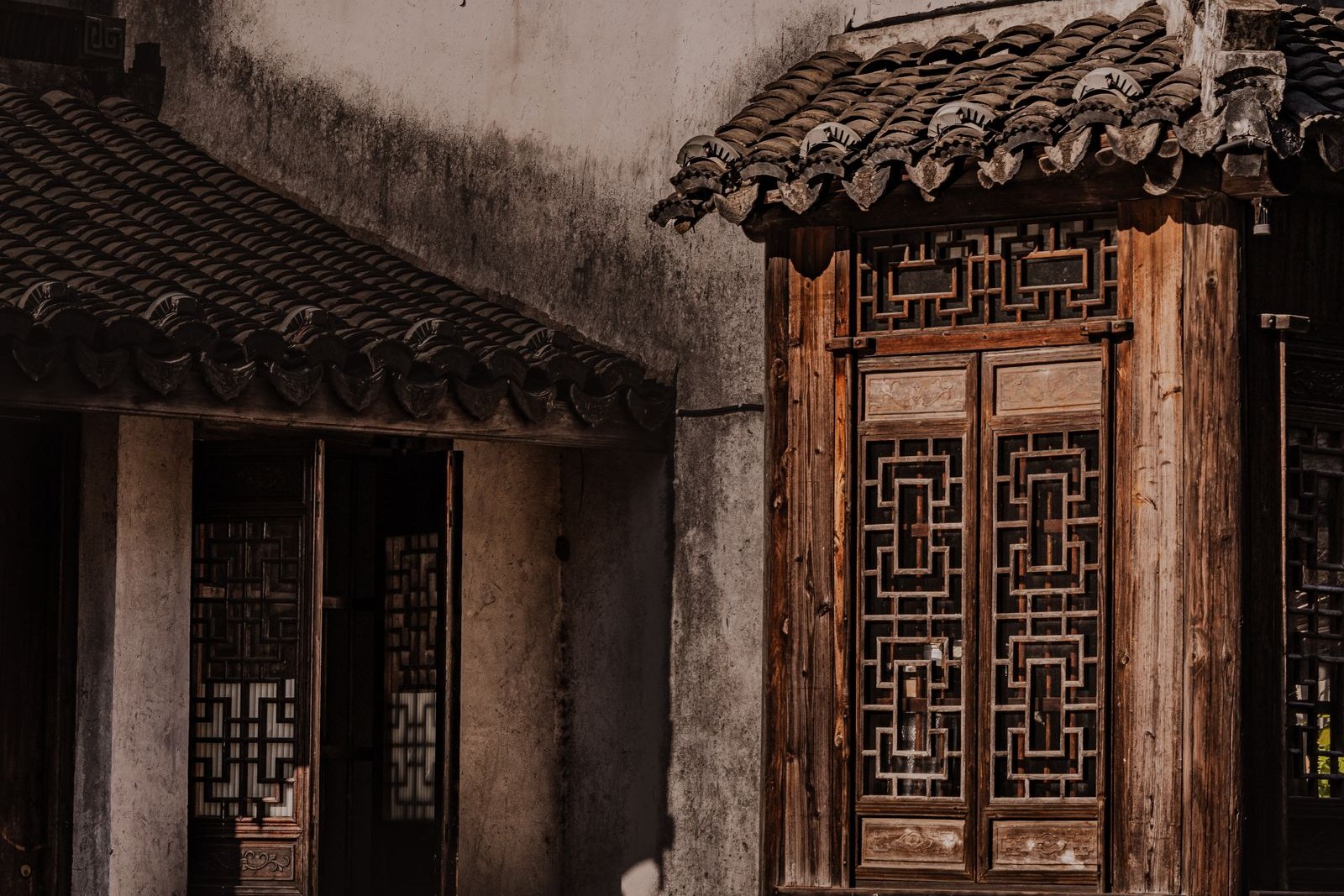
The guesthouses here are converted courtyard houses, and the standard of the conversion varies enormously. Mine was on the simple end: a bed, a fan, a shared bathroom on the other side of the courtyard, and hot water that arrived in a thermos. Others on the same lane have been properly rebuilt with en-suite rooms and air conditioning at ¥220–300. The best ones have rooms off the courtyard on the first floor, looking down into the yard, which is the arrangement the buildings were designed for and the reason they are pleasant to sit in.
The old town is best in the evening, after the museum shuts. The 石板街 shíbǎnjiē, the stone-flagged lane, runs between timber shopfronts down to the river, and at dusk it fills with people eating, children on bicycles and somebody’s speaker. The 酉水 Yǒushuǐ itself is wide and quiet, and the opposite bank goes up into hills with no lights on it at all, which is a rare thing to be able to see from a Chinese town.
Practicalities
Price. Courtyard guesthouse rooms run ¥100–180 for the simple version with a shared bathroom, and ¥220–300 for a rebuilt en-suite double with air conditioning. There is very little seasonal movement and almost no foreign tourism, so booking a day ahead is generally enough, and walking up and asking is usually fine.
Address. 里耶镇 (Lǐyēzhèn), 龙山县 (Lóngshān Xiàn), 湘西土家族苗族自治州 (Xiāngxī), western Hunan, on the east bank of the 酉水 (Yǒushuǐ). The guesthouses are in the lanes between the 石板街 (shíbǎnjiē) and the river; the 里耶秦简博物馆 (Lǐyē Qínjiǎn Bówùguǎn) and the 古城遗址 (gǔchéng yízhǐ) are both within a five-minute walk.
Rooms. Doubles and twins in converted timber courtyard houses, some en-suite and some sharing a bathroom across the yard. Ask for a first-floor room off the courtyard: ground-floor rooms are damper and get the comings and goings. Ask about hot water specifically, because in several houses it is still a thermos and a bucket, which is fine and worth knowing in advance.
Getting there. 龙山 (Lóngshān) is the far north-west corner of Hunan, and 里耶 Lǐyē is two hours or so by bus from the county town, along a road that follows the river and is beautiful and slow in equal measure. From 吉首 (Jíshǒu), the prefecture capital, expect five hours by road; there are direct coaches in the morning. Most people come from 张家界 Zhāngjiājiè or from 重庆 (Chóngqìng) side, and the nearest practical railhead is 龙山北 (Lóngshān Běi) on the 黔张常 line. Bring cash — some of the smaller guesthouses and noodle shops still do not take cards or code payments.
flowcloud would say that a town which spent two thousand years being important and then quietly handed the proof of it to a museum, while continuing to boil noodles and mend bicycles, has a healthier relationship with history than most places that charge admission for theirs.
Where to stay: Courtyard guesthouses in the old town of 里耶 (Lǐyē), 龙山县 (Lóngshān Xiàn), 湘西 (Xiāngxī), western Hunan, a few minutes’ walk from the 里耶秦简博物馆 (Lǐyē Qínjiǎn Bówùguǎn) and the 古城遗址 (gǔchéng yízhǐ). Simple rooms with a shared bathroom ¥100–180, rebuilt en-suite doubles ¥220–300. Two hours by bus from 龙山 (Lóngshān) county town, around five hours by road from 吉首 (Jíshǒu). Ask for a first-floor courtyard room, go to the museum in the morning and the river in the evening, and carry cash.