
Thirty-six kilometres from the city centre on Highway 210, in the southeastern part of what was the former 渝北区 Yúběi Qū, Yubei District – abolished on 7 November 2025 and folded, with 江北区 Jiāngběi Qū, Jiangbei, into the new 两江新区 Liǎngjiāng Xīnqū, Liangjiang New Area – lies 龙兴 Lóngxīng, Longxing, a town on the 御临河 Yùlín Hé, Yulin River listed as a National Historical and Cultural Town since September 2005. The protected core is some 50,000 square metres of Ming-and-later housing, timber frames with grey tiles and whitewashed walls. The guesthouses have moved into that stock, and what matters is not the age of the buildings but that the town is still lived in, with rooms priced off which side of a wall you end up on.
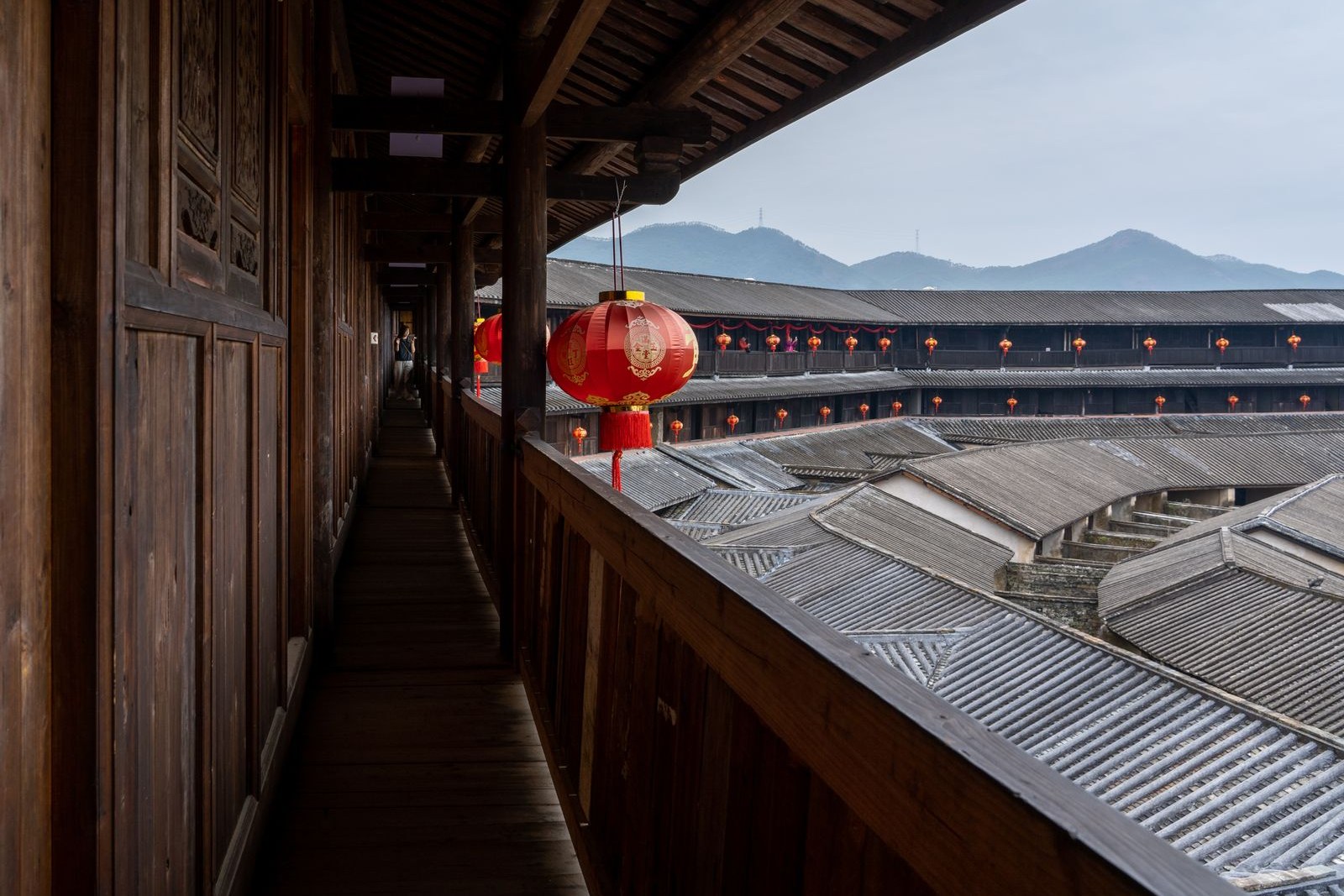
The town is named for a hiding place. It took the name Longxing market in 1844, when Longcang Temple was renamed, and the temple was renamed for the legend of the Ming Jianwen Emperor, who is said to have hidden on his way into Sichuan in a cave beneath the shrine’s altar and got away. The river was renamed in the same story: the Yulin was the Taihong. That matters because it is why the town’s craft list is long rather than decorative, with twelve intangible-heritage trades registered, among them Longxing brown sugar, long-jin dried tofu, yinmi, Li’s sugar painting and Tan’s dough modelling, several still made in the open on the street. Entry is free and the town stays open all day. In the district’s own description it is the only national historical town in the area.
The name also explains the street plan, which decides where you sleep. The three sections of business positioning are published: from the covered walkway to Longcang Palace is the traditional zone of handcrafts and clan halls; from there to Huilong Bridge the tea-house and workshop zone; and 半边街 Bànbiān Jiē, Banbian Street, with 马号街 Mǎhào Jiē, Mahan Street, the newer zone for quality lodging and night trade. That came late, because the town was already a filming location for a decade, which is why the guesthouses are infill rather than restoration.
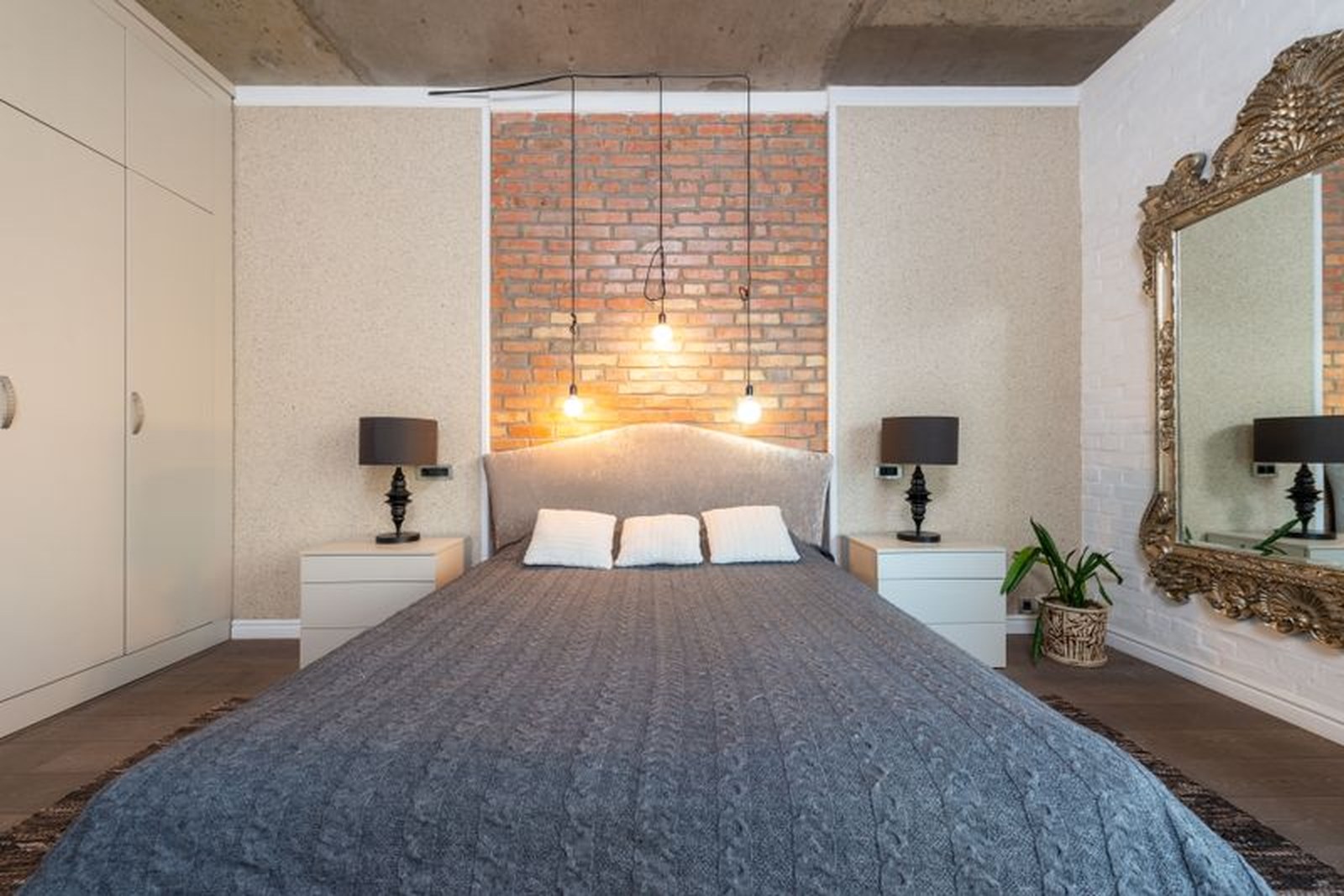
The lodging is newer than the town, and the price spread proves it. Read off the October 2026 booking pages, the range across the town’s guesthouses and small hotels runs from about 80 to 720 yuan, with one property’s own published range reaching past 5,000. That spread is not a quality ladder. It is a location ladder: whether your window is over the old street, onto a planted courtyard, or onto the car park behind it. Three kinds of property. The designer garden house, built around a planted courtyard inside the film-set quarter. The courtyard conversion, a timber-frame town house taken apart and put back with plumbing run inside it, which is what the market wants and the most expensive thing to do well. And the plain small hotel on the main road, some inside the film city, which is what most guests book, because it has a car park and a bed.
The film city itself – a national AAAA site, a reconstruction of the wartime capital’s street inside the town’s eastern quarter, used for a decade of period drama – is a daytime thing. It closes its own street at night rather than the town shutting up, so sleeping on one side of the wall and walking to the other in the evening is the normal shape of an evening here. One boundary keeps this piece straight: this is not a heritage conversion sold as a monument. The old stock was kept for the town’s own reasons, and the guesthouses are new infill inside it.
Practicalities
Price. The town’s range, read off booking pages in October 2026 as a spread across the listed guesthouses and small hotels rather than as any single property’s rate, since the beds are re-let constantly and the number moves with the filming calendar. The floor sits around 80 yuan and the top of the ordinary range is about 720, with one property’s own range reaching past 5,000. Read that spread as a location ladder – street-facing, courtyard-facing or set-facing – and pay for the first, because the second is a small hotel with a nicer window and the third is a car park.
Address. 重庆市渝北区龙兴镇 Zhòngqìng Shì Yúběi Qū Lóngxīng Zhèn, Longxing Town – the old district name, which every listing still prints; since 7 November 2025 the town has been administered by 两江新区 Liǎngjiāng Xīnqū, Liangjiang New Area. The guesthouses sit inside the town off 藏龙街 Cánglóng Jiē, Canglong Street.
Rooms. Three shapes, all small, all in buildings not built as hotels. A courtyard guesthouse room, the one the town is known for: timber frame, low ceiling, a bed and a bathroom opening onto planted paving. A garden house room with a shared planted courtyard. And a plain hotel room on the main road, with a reception and a car park. Ask which side of the wall the room faces.
Getting there. The town is a bus-and-car destination, not a rail one. 984 arrives at the culture-square stop about 683 metres from the entrance, 980 stops at the film city about 779 metres out, and tourist coaches come from the university town, Beibei, Hechuan, Lianglu, Longtou Temple, Fuling and Qijiang. Driving is 36 kilometres on the 210 highway or the newer expressway. There is no metro station here, which is why the beds are guesthouses.
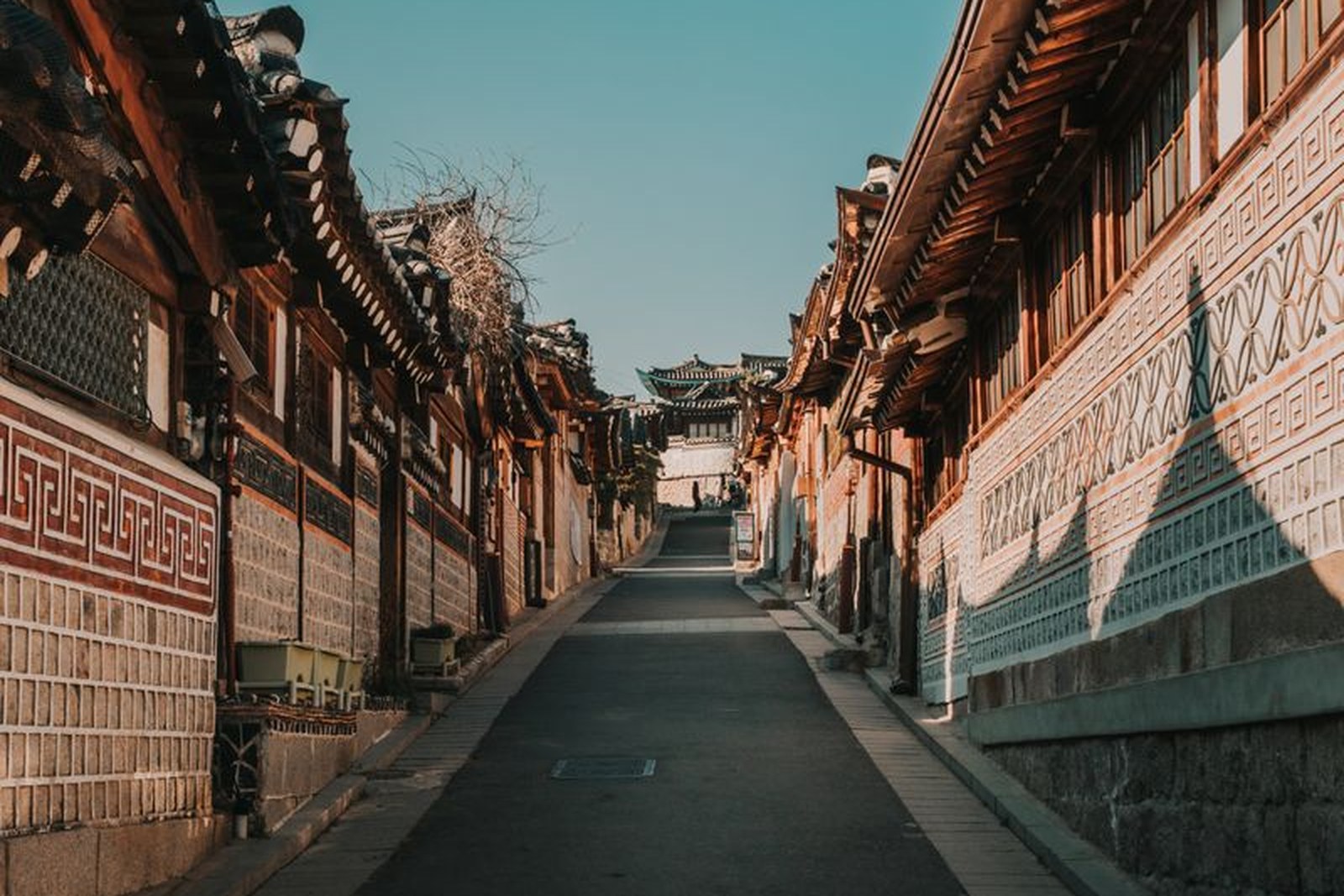
A day in Longxing is not a day in a scenic zone. Morning belongs to the trades: brown sugar pressed somewhere in the lane, yinmi drying on a tray, a tofu shop that has fed travellers for 38 years. Midday is the old street, where the craft, the tea houses and the clan halls are doing the same business they were doing before the film sets arrived. Afternoon belongs to the film city, which shuts its street down when the shooting day ends. Evening is the part that makes sleeping here worth the distance: the night economy runs on the two streets designated for it, the guesthouses fill, and the town is not empty once the day-trippers have gone. Then it is the river, and the ceiling in your room is lower than in any chain room in the city.
flowcloud would say that Longxing is the only protected river town here whose guesthouses are all new infill inside old walls, not restorations pretending to be old, and that the correct way to book here is to pay for a street-facing room off Canglong Street and spend the evening outside, because the town shuts at midnight while the guesthouse stays open.
Where to stay: a courtyard guesthouse room if what you came for is the architecture and you accept a shared passage and a low ceiling; a garden house room if you want a planted courtyard and a slower street; and the plain hotel on the main road if a reception, a car park and a level floor matter more than a timber frame – because at 龙兴 Lóngxīng, Longxing, the price is set by the side of the wall.