
罗定市 Luó dìng shì is the county-level city in the west of 云浮市 Yún fú shì, and the reason it makes sense as a place to sleep rather than pass through is that its history is still in the middle of the town. Most county seats in 广东 Guǎng dōng keep their old buildings on a list and a bus route; 罗定 keeps them on the walk. The 罗城街道 Luó chéng jiē dào grid holds 罗定学宫 Luó dìng xué gōng and 罗定文塔 Luó dìng wén tǎ and 菁莪书院 Jīng é shū yuàn inside a radius a hotel guest can cross on foot, which is unusual in a prefecture where the sights are normally out along a county road. A city hotel here is not a compromise between the sights and the bed; on this ground the bed is inside the sights.
The county is also large enough to be a place rather than a stop. 罗定 covers 2,334.7 square kilometres across four sub-districts and seventeen towns, which makes it one of the bigger administrative units in the prefecture, and it is laid out inside what the sources call the largest red-earth basin in the province – some eight hundred square kilometres of it, ground that was famous enough in the Qing to be called the granary of 岭南 Lǐng nán. That basin is why the town has a market street as well as a scholar’s hall, and it is why the roads out of the town are flat and fast in a prefecture that is otherwise mostly hill: a guest can be in the countryside ten minutes from the hotel front door without having climbed anything. The town has been a seat for a very long time and the sequence is worth having in hand, because it explains why a place this size has a Confucian hall and a pagoda. The 唐 Táng dynasty set up 泷州 Lóng zhōu here and then 南建州 Nán jiàn zhōu and 药州 Yào zhōu, three names in succession with the seat in the same place; 宋开宝六年 Sòng Kāi bǎo liù nián, 973, abolished 泷州 and folded its three counties into 泷水县 Lóng shuǐ xiàn; 元大德八年 Yuán Dà dé bā nián, 1304, the county town moved to where 罗定城区 stands now; and 明万历五年 Míng Wàn lì wǔ nián, 1577, 泷水县 was raised to 罗定直隶州 Luó dìng zhí lì zhōu, a prefecture reporting directly to the province, which is the promotion that paid for the academy. The 民国 Mín guó turned the prefecture into a county in 1912, the county became a city on 8 April 1993 and was placed under 云浮市 on 5 April 1994. A guest who has that sequence will recognise the town’s shape immediately: an administrative centre that got its grand buildings in the seventeenth century and then stopped growing in the same direction, which is why the old axis is still walkable rather than buried in a modern grid.
What the town kept from all that is the part that matters to a booking, and it is concentrated. 罗定文塔 Luó dìng wén tǎ, also called 三元宝塔 Sān yuán bǎo tǎ, was built from 1611 in three years and is the tallest thing in the old town at 47 metres, octagonal in plan and seven storeys outside against thirteen inside, with walls 3.28 metres thick at the base and a width of 9.62 metres, green glazed tiles along the eaves, sixty-four bronze bells at the corners, and an iron cap, finial and pearl weighing seven tonnes together, which the province’s records call the heaviest iron pagoda top in 广东. Its iron core column is the best-preserved dated one of its kind found in the province, and the tower was repaired at the top in 1800 and had its base built up in 1848, which is the sort of maintenance record that tells a visitor the town has been looking after it for two hundred years. 罗定学宫 Luó dìng xué gōng, the prefectural Confucian hall that began in 1647 and was finished off with a 奎星阁 Kuí xīng gé in 1877, occupies 8,300 square metres on the 北关里 Běi guān lǐ side of 罗城街道, and 菁莪书院 Jīng é shū yuàn, an 1886 institution of a kind the province has few of left, sits on 道前街 Dào qián jiē on 1,120 square metres. The official historical walking line from the city runs 罗定文塔, 罗定学宫, 菁莪书院, the 三罗民众抗日指挥部旧址, 国宝黄公祠 and 梁家庄园; the first three are in the town and the last three are a short ride out. None of that is described here – the travel column does that – but the fact that it is a walk from a hotel room is the fact this article is about. Then there is the water, which is the other reason to sleep here rather than in the countryside. The 泷江 Lóng jiāng runs through the basin, and its lower course is better known to the rest of the province as the 南江 Nán jiāng, the river that gives the whole 南江文化 Nán jiāng wén huà belt its name and which connects 罗定 to 郁南 and out to the 西江 Xī jiāng. The early history of the ground is on the same river: a 1984 survey found a Palaeolithic human radius in 苹塘下山洞 Píng táng xià shān dòng, the 背夫山 Bèi fū shān and 南门垌 Nán mén dòng Warring States tombs show a society here twenty-four centuries ago, and a 南朝 Nán cháo tomb at 罗镜镇鹤咀山 Luó jìng zhèn Hè zuǐ shān produced ceramics and a gold bracelet with West and Central Asian ornament on them, which is a long way of saying that this basin was trading before it was a county. What that means for a room is that the town’s hotel belt sits on the ordinary streets – 罗城街道 Luó chéng jiē dào generally, the 泷江 embankment, and the walking street the locals call 罗定步行街 Luó dìng bù xíng jiē, which is where the town eats in the evening.
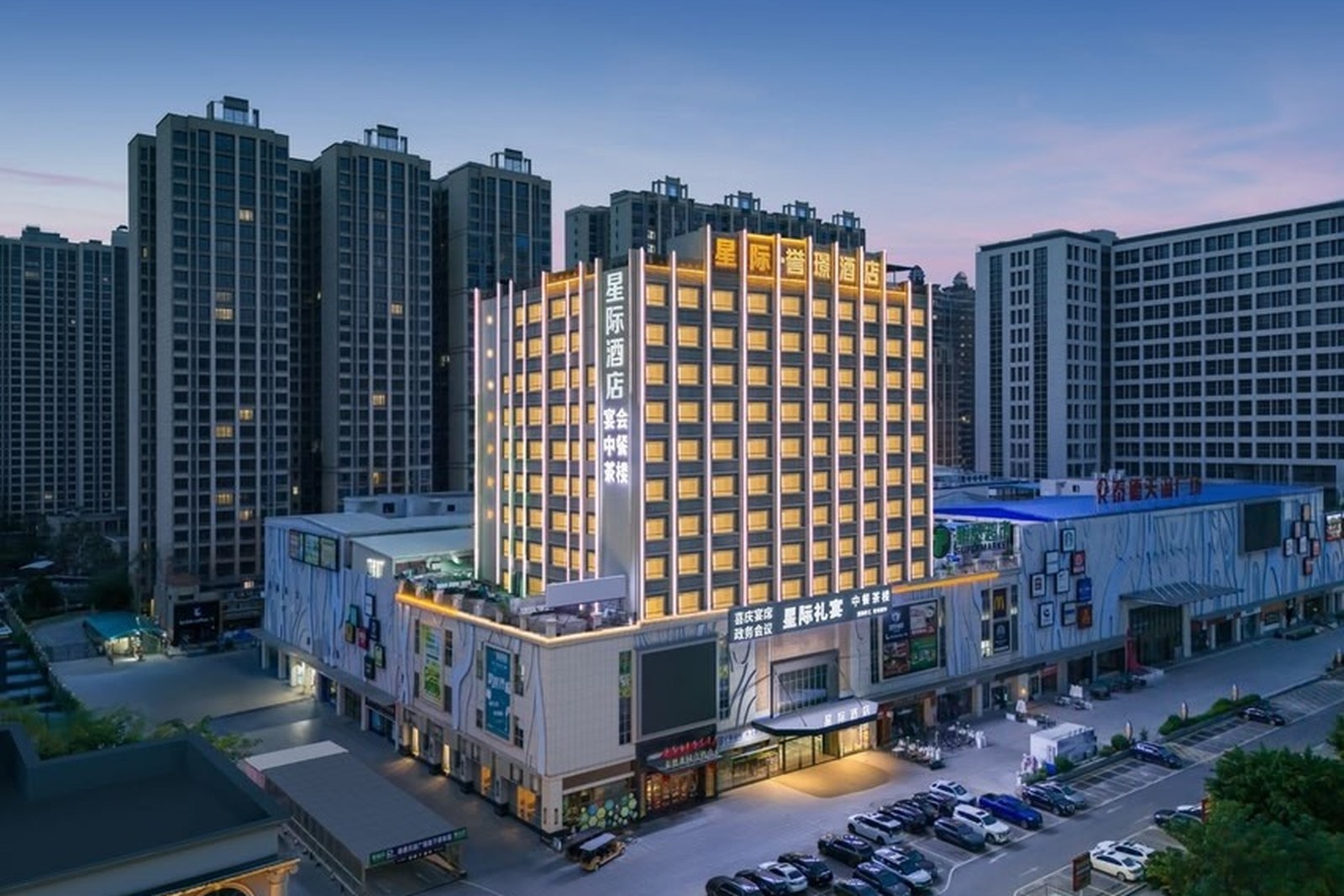
The properties the sources name are few and they are what they are: 罗定维也纳国际酒店 in the town centre at roughly ¥200 to ¥300 a night, and 龙湾宾馆 Lóng wān bīn guǎn at 龙泉西路 20 号, a two-star address. Hotels are concentrated in 罗城街道 and the point of staying there rather than out of town is the walk – the academy, the pagoda and the old lanes are all inside the same few streets, and a guest who books a room on the ring road instead spends the whole stay in taxis. The county outside the town is the part a guest plans around rather than walks to, and the two hours of driving it costs are the price of a different county. 龙湾生态旅游区 Lóng wān shēng tài lǚ yóu qū at 龙湾镇南充村 Lóng wān zhèn Nán chōng cūn, about forty kilometres out, is a sixteen-square-kilometre valley inside the 云开大山 Yún kāi dà shān, with a waterfall group that the local materials call the highest and most numerous in 华南 Huá nán – the 云开大瀑布 Yún kāi dà pù bù dropping over six hundred metres and the 龙湾高瀑 Lóng wān gāo pù over three hundred – plus tree ferns from the age of the dinosaurs, salamanders the trade calls the mountain’s treasure, a negative-ion figure quoted at 108,000 per cubic centimetre, and the remains of a Ming-Qing 过山瑶 guò shān Yáo village with an indigo-dyeing pit and old farm sites. Two things about it need saying rather than repeating: it lost its national AAA rating in December 2021 and is now free, and the sources flag both a report of a drowning and a claim that the site has fallen into disuse, so a guest should treat it as rough ground and ask locally before setting out. 罗定风车山 Luó dìng fēng chē shān can be driven to the top for the grass and the white turbine line; 长岗坡渡槽 Cháng gāng pō dù cáo, a national protected aqueduct 5,200 metres long and known as the 南方红旗渠 Nán fāng hóng qí qú, the southern Red Flag Canal, is the one piece of mid-century engineering in the county that everybody stops for; and 聚龙洞 Jù lóng dòng at 苹塘镇墩仔村 Píng táng zhèn Dūn zǎi cūn is the cave the prefecture pairs with the one at 云浮. 罗镜古镇 Luó jìng gǔ zhèn and 罗平九龙湖 Luó píng Jiǔ lóng hú fill the same day out, and 梁家庄园 Liáng jiā zhuāng yuán at 黎少镇榃濮村 Lí shào zhèn Tán pǔ cūn, a merchant’s compound built across three generations of a family from the 咸丰 years to 1914 with nine houses, a granary, a threshing floor, a watchtower, a school and a wharf, is the one piece of the walking line that is genuinely out of town. A guest should also know what the county does not have, because it shapes how the days are planned. There is no high-speed station and no airport; the rail arrival is a drive away, and the roads that matter are the expressway and the county roads off it. That is why the ordinary local habit is to hire a car and a driver rather than wait for a county bus, and why a two-night stay in the town works better than a one-night one: the old town is a morning and a half day, and everything else is a drive that costs you the whole of the rest. A guest who books three nights and uses the town as a base for 长岗坡 and the basin roads will come away knowing what the 岭南 granary actually looks like, which is more than the walking line can show.
What the Rooms Are Like
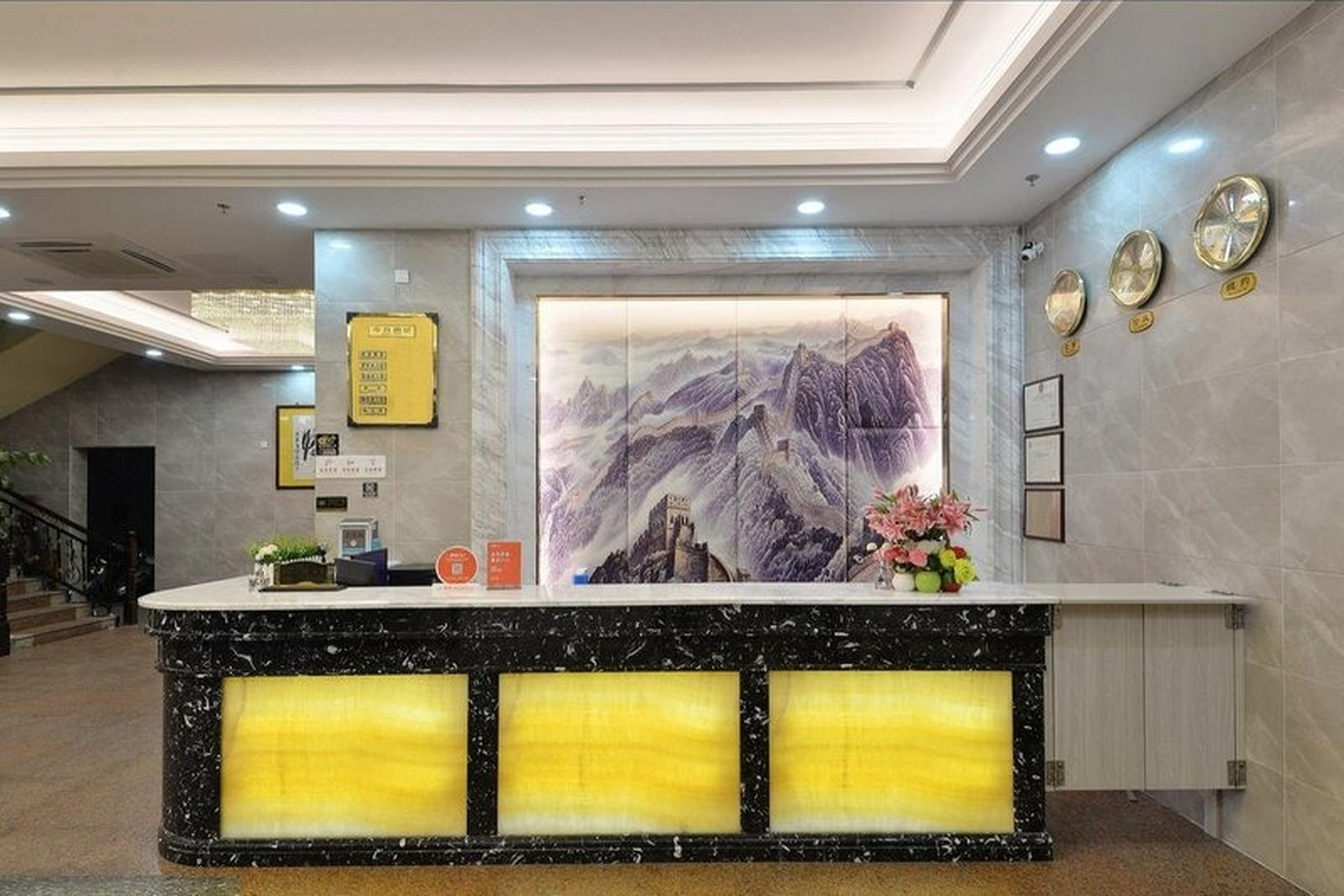
The honest description of 罗定 hotel stock is that it is small-city stock with a narrow top: a chain tower in the town centre doing most of the volume, a handful of older independent hotels, and a two-star address with a long name, and the differences between them are mostly about the floor and the view. The chain building means a lift with a card key, a room of eighteen to twenty-eight square metres, a tiled floor, a firm bed or two singles, split air conditioning that in winter is the heater, an electric kettle, a small desk, a shower over a tray, and a window that in the upper floors of the front side looks over the old town and, if you are lucky with the angle, the pagoda. The older hotels run cheaper, smaller and warmer in the sense of having a bigger dining room and staff who know the bus times; the two-star address is a bed and a shower and nothing else, and is priced accordingly. Two local notes. Ask for a room above the fourth floor on the river or old-town side rather than the road side, because the town is compact and the traffic on the main street is audible at ground level all night. And ask about heating rather than cooling between November and March: 罗定 sits in a basin, the cold pools in it, and a hotel that has only summer equipment is a cold room in January even at this latitude.
Practicalities
Price. A double in 罗定市 runs about ¥150 to ¥300 a night, which is the range the town’s stock occupies – the chain tower in the centre sits at the top of it, the older independent hotels in the middle, and the plain two-star addresses at the bottom. The 春节 Chūn jié week and the first week of October are the times the town fills, along with the days around the lunar festivals when families come back to the basin. Treat every figure as a range rather than a quotation and check the live rate for the nights you want, because a town this size reprices by the day and by the channel.
Address. The hotels are in 罗城街道 Luó chéng jiē dào, the town centre of 罗定市 Luó dìng shì – the 泷江 Lóng jiāng embankment, the walking street, and the streets around 北关里 Běi guān lǐ, with 罗定文塔 Luó dìng wén tǎ, 罗定学宫 Luó dìng xué gōng and 菁莪书院 Jīng é shū yuàn inside the town; 龙湾生态旅游区 Lóng wān shēng tài lǚ yóu qū is about forty kilometres out at 龙湾镇南充村 Lóng wān zhèn Nán chōng cūn, 长岗坡渡槽 Cháng gāng pō dù cáo is on the road south-west, and 云浮市 Yún fú shì is about ninety minutes away by road.
Rooms. Ask for a room above the fourth floor and on the old-town side rather than the main-road side, because the town is small enough that the street noise reaches every low room and the pagoda is only visible from the front. Ask whether the room is heated, not merely air-conditioned, if you are coming between November and March. Ask whether the hotel can hold luggage after check-out, since the walking line through the academy and the pagoda is a half day done better without a bag. And ask the desk to write 罗定学宫, 罗定文塔, 龙湾 and 长岗坡 in Chinese for a driver, because the two historic buildings are five minutes apart and a driver who has been given the wrong one will drop you at the wrong end of the same street.
Getting there. 罗定市 Luó dìng shì is in the west of 云浮市 Yún fú shì and is reached by road from the prefecture in about ninety minutes, and from 广州 Guǎng zhōu in roughly three hours by expressway. There are inter-county buses from the 云浮 coach stations and from the neighbouring counties, and the town’s own bus station takes the long-distance services; there is no high-speed station in the town, and the fast rail arrival for the whole prefecture is 云浮东站 Yún fú dōng zhàn on the 南广 Nán guǎng line, which means the last leg is a car or a bus. 长岗坡渡槽 and 龙湾 are both reached by county road and are not walkable from the town, so a car or a hired one is the ordinary way to see more than the old town in a day.
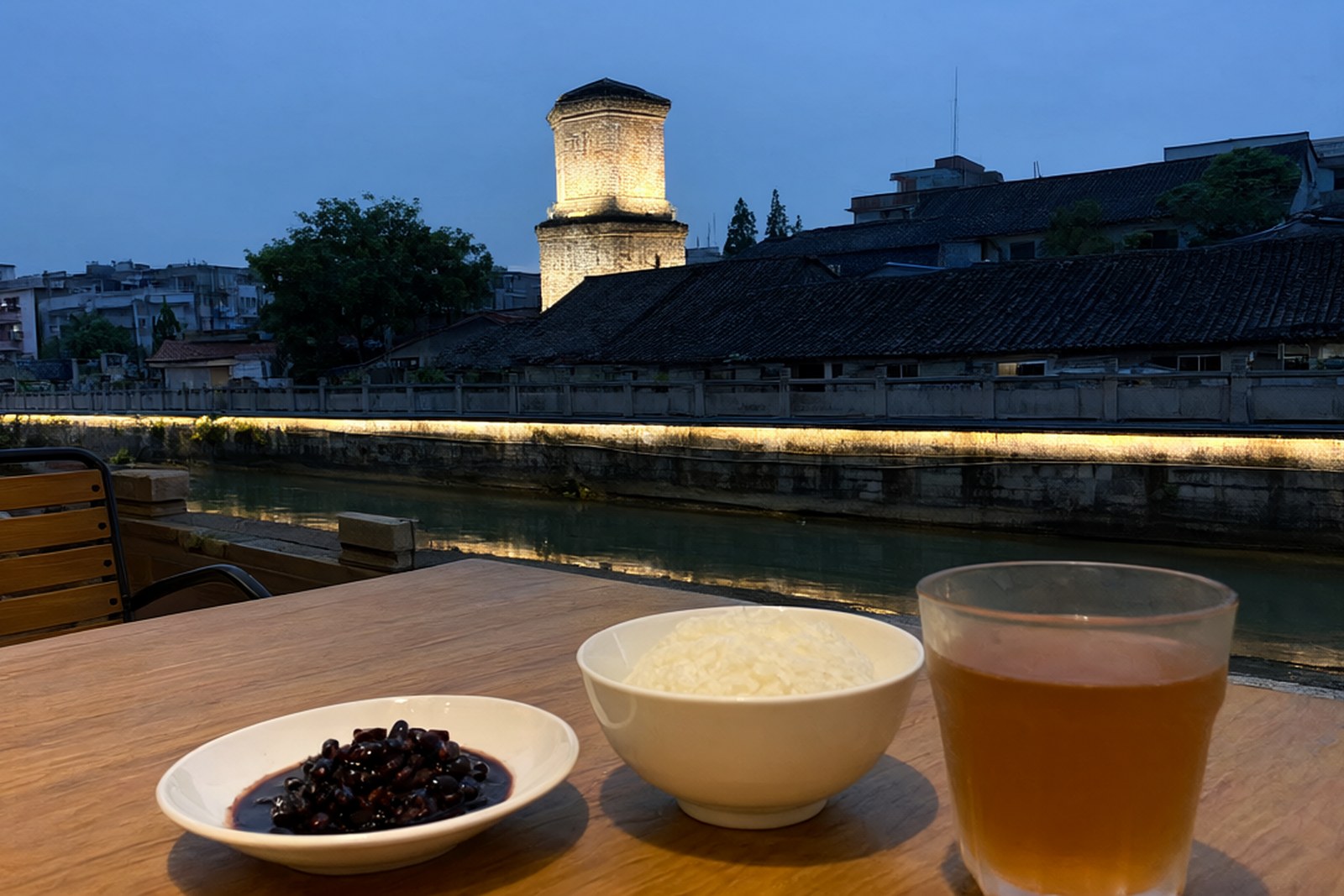
Where to stay: a room on an upper floor of a hotel in 罗城街道 Luó chéng jiē dào, the old town of 罗定市 Luó dìng shì, on the 泷江 Lóng jiāng side where the academy, the pagoda and the walking street are all on foot. Take a room above the fourth floor, walk the historical line before breakfast rather than in the middle of the day, and give a separate half day to 长岗坡渡槽 or to 龙湾 if you want to see what the county does outside its own walls.
flowcloud would say that a town which was three states and then a county and then a prefecture and then a county again has kept the one thing that does not change hands, which is the water and the building on the bank of it – and that the correct way to sleep in 罗定 is to ask for the room from which you can see the pagoda you are going to walk to in the morning.