
Rooms Above the Renovated Workers’ Estate
Chongqing is a municipality of southwest China, and 九龙坡区 Jiǔlóngpō Qū Jiulongpo is its south-west district; inside it, between two of the district’s big shopping complexes, sits 民主村 Mínzhúcūn, Minzhu Village, the flat red-brick workers’ estate whose rooms are the strangest beds in Chongqing. It was built in stages from the 1950s to the 1990s as the staff housing of the state 建设机床厂 Jiànshè jīchuángchǎng, the Construction Machine Tool Plant: founded in 1957, renamed a construction-industrial group in 1995, and gone from its riverside site for the Huaxi industrial park in 2009, leaving several thousand households of housing behind with nobody maintaining it. Then the district decided not to demolish it.
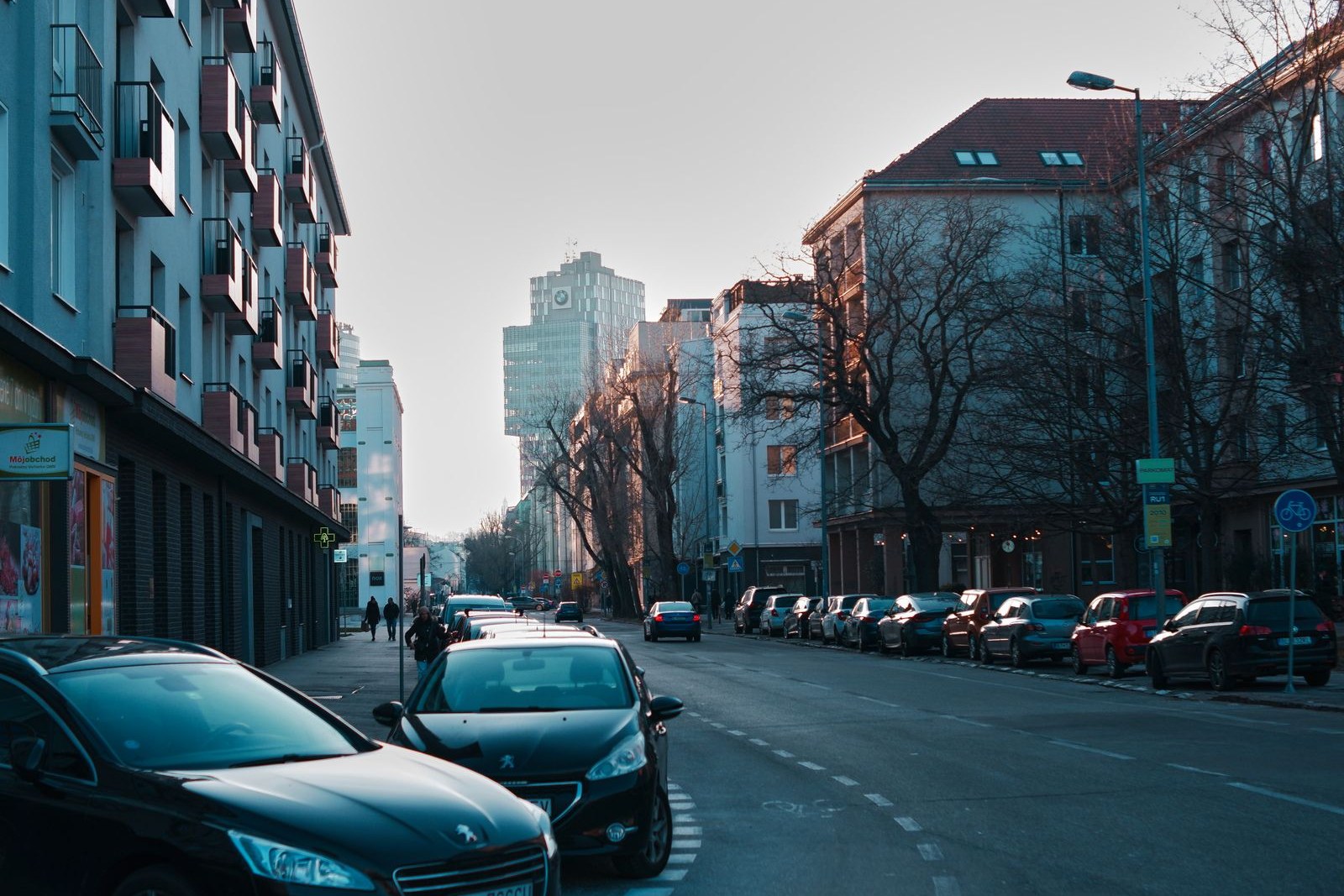
The dates are public and mostly agree, with one wrinkle worth naming. A district account of the project’s own commemoration of the plant dates the district’s launch of the renewal to November 2021, when the district was named one of the country’s first urban-renewal pilot areas; other reporting dates the start of the renewal project itself to early 2022. Both are printed here rather than reconciled. What is not in dispute is the method: the district’s own design institute has said the first proposal on the table was to clear the site and rebuild, and that it was dropped on two grounds – the cost, and the fact that a wholesale rebuild would erase a document of the city’s industrial history. The published accounting is large: about 0.43 square kilometres, 55 buildings, some 430,000 square metres of floor.
Phase one opened on 28 April 2023, and the headline change was structural: the high retaining wall that had cut the estate off from the shopping district to the north was taken down and replaced with a twelve-metre-wide avenue, which is what turned a walled-in compound into a link between two malls. Phase two started in October 2023 and opened at the turn of 2025, covering 242 mu with 3,879 households, and brought the first lifts onto four of the old blocks in September 2024. In July 2023 seven agencies named the estate one of 106 pilot complete communities.
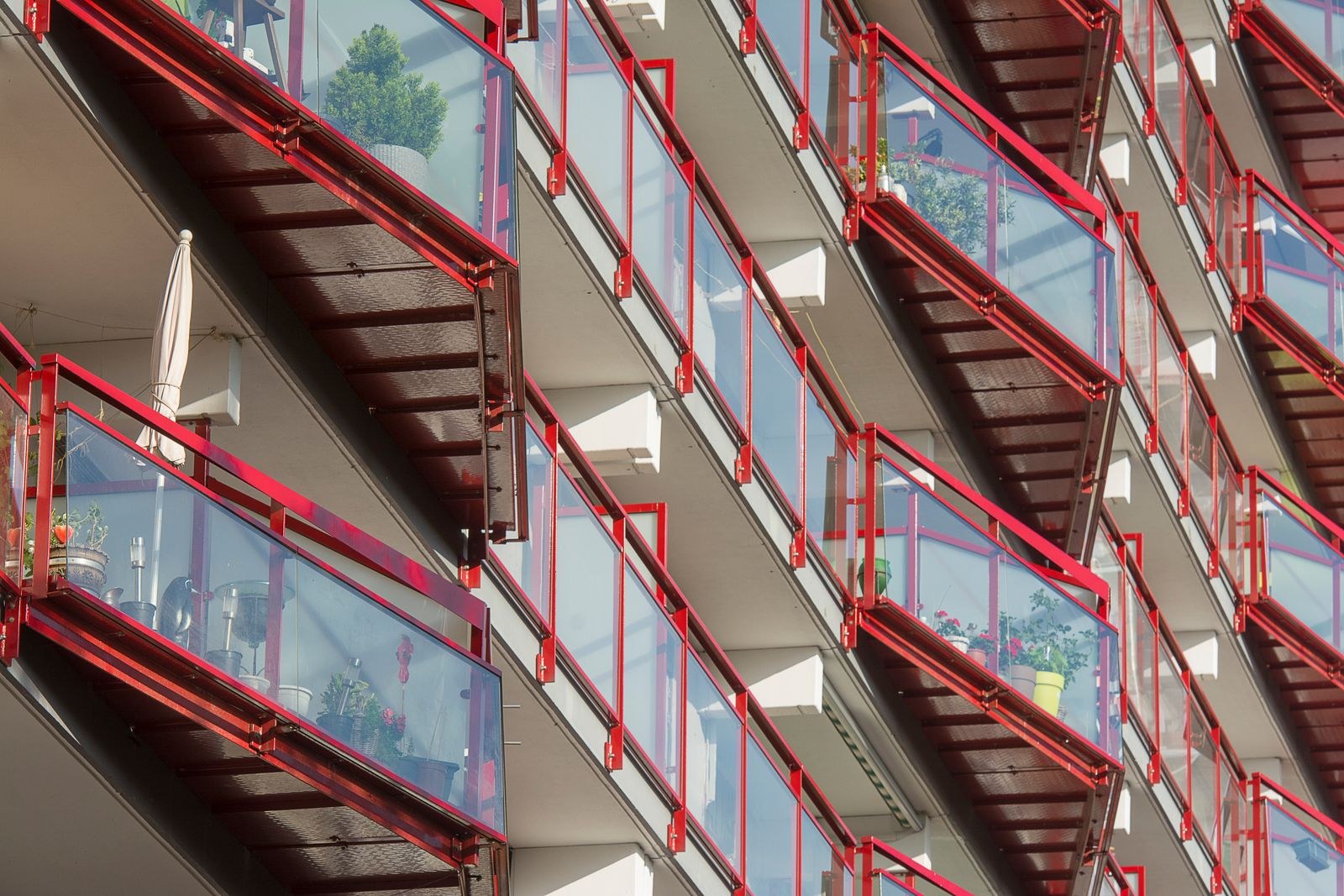
The commercial row is what a visitor walks out into, and it is genuinely unusual stock. A district-authored account of the operating model has residents’ own idle assets – self-held shopfronts, the old wet market, residential buildings, the estate’s grain shop, the plant gate frontage – handed to professional operators to let, with the residents taking equity rather than rent, and it counts more than a hundred tenants at the time of writing, from new-style coffee and Thai places to old hotpot and zongzi names. A working account published in 2024 describes a hotpot shop that expanded from fifteen tables to thirty-three with over half its staff among residents who had moved back. That leaves the beds: short-let and by-the-month apartments in the reworked upper floors.
Three boundaries keep the piece honest. Against this district’s own old commercial register: the old walking street sells continuity of trade, Minzhu Village sells renewal, and the two are different products at different prices. Against the heritage-conversion register: nothing here is a conserved building sold as a monument – the old stock was kept on functional grounds, the facades were reworked, and the demolition of dangerous housing is part of the same project.
Practicalities
Price. No rate is printed here, and the reason is structural rather than cautious: the holiday-let stock above this estate is small, irregular and re-let constantly, so any figure printed today would describe a different room tomorrow. The shape of the ladder is what can be said. The bottom rung is the by-the-month or by-the-season apartment in a reworked block, where the price is a residential lease divided by its length. The middle rung is the newer second-phase block, where the buildings are later and the lets longer. There is no chain floor here.
Address. 重庆市九龙坡区谢家湾街道民主村 Zhòngqìng Shì Jiǔlóngpō Qū Xièjiāwān Jiēdào Mínzhúcūn, Minzhu Village, Xiejiawan Subdistrict, Jiulongpo District, Chongqing – a 0.43-square-kilometre estate running south to north between the shopping district along 珠江路 Zhūjiāng Lù, Zhujiang Road, and the older commercial ground.
Rooms. The stock is residential and reads as such. Expect apartments in reworked upper floors of the older blocks, reached by stairs on some and by a new lift on a handful, with the walkways and the canal outside the door; apartments in the newer second-phase blocks, with better fittings and longer minimum stays; and a few short lets in buildings still in works.
Getting there. The estate is walked, not driven. Metro Line 2 stops at 谢家湾 Xièjiāwān, the district’s big interchange, where the Line 2 elevated station and the ring-line station have been connected in-station since 17 June 2023 by a 137-metre paid corridor, so the two lines change without leaving the system. From there it is a short walk north to the estate’s twelve-metre avenue. From 江北国际机场 Jiāngběi Guójì Jīchǎng, Jiangbei International Airport, allow a long taxi ride.
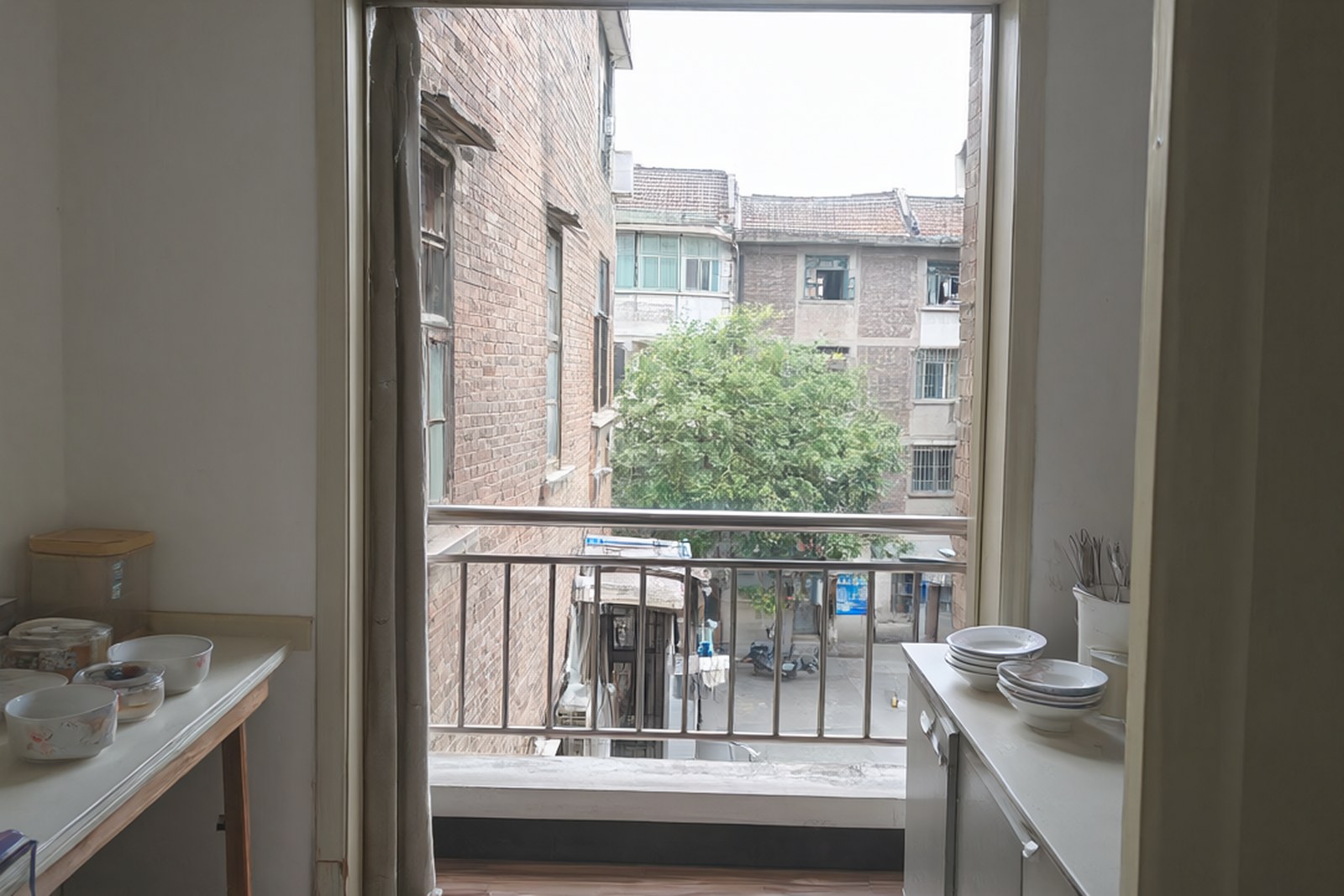
A day here is a day inside somebody’s neighbourhood, and the etiquette matters as much as the itinerary. Morning is the estate’s own: residents out with the dogs, the market and the canteen, the first lift queue. Late morning is the canal plaza, where the water that used to run as an open drain is now a planted linear park. Afternoon belongs to the art studios and the coffee row. Evening belongs to the paving: a retired workers’ rehearsal group, a hotpot shop that fills by seven, and the ordinary churn of a compound that has been here for seventy years. Then the door, the walkway, and the fact that the ceiling in this room is lower than in any chain room in the district, because the floor was laid for workers.
flowcloud would say that Minzhu Village is the only reworked housing estate in Chongqing where the ground floor sells coffee and the residents set the rents, and that the correct way to sleep here is an upper-floor flat in one of the second-phase blocks, because the point of the place is not that it was preserved but that it was inhabited.
Where to stay: a by-the-month apartment in a reworked block with a lift if you want the canal outside the window and the coffee row below; a short let in a building still in works if the budget is the point and you can accept the uncertainty; and if neither is available, the district’s counted long-let housing rather than a hotel across the avenue, because at 民主村 Mínzhúcūn the beds are the last floor of a real estate, and you are borrowing somebody’s home.