
Miyun Business Hotels: Expressway-Exit Chains, New-Town Errands and Value Beds of Miyun District, Beijing
新城灯火催人早,高速桥头一枕安。Xīnchéng dēnghuǒ cuī rén zǎo, gāosù qiáotóu yī zhěn ān – The new town’s lamps hurry people on early; by the expressway bridgehead, one pillow of peace.
The stay across the working corridors of 密云区 Mìyún Qū Miyun District – the large mountain-and-water district northeast of 北京 Běijīng Beijing, where the new-town blocks of the district seat rise along the main arterials, where the 密云经济开发区 Mìyún Jīngjì Kāifāqū Miyun development zone sets the weekday rhythm with its factories, logistics yards and research floors, and where the 京承高速 Jīngchéng Gāosù Jingcheng expressway and its interchanges stitch the seat, the exits and the mountain roads together – is the 商务酒店 shāngwù jiǔdiàn business-hotel market: mature chain flags on the arterial crossings and expressway corners, double-bed 大床房 dàchuáng fáng rooms for solo and couple travellers, and a ring of newer mid-scale builds by the development zone and the interchange mouths, rooms opening onto breakfast streets below and the reservoir country’s mountain line above. The first band stands tight by the expressway interchanges, drive-in rooms for road travellers; the second lines the new-town arterials toward the development zone, where the work calendars set the weekday rhythm; the third scatters along the service roads and estate corners, budget guesthouses and apartment-style rooms for project teams and long-stay crews. The honest product is practicality: one clean double-bed room minutes from the interchanges, the zone offices and a hundred family dinner tables. Call it honestly: nobody books Miyun for skyline – the trade is logistics, and the logistics are real.
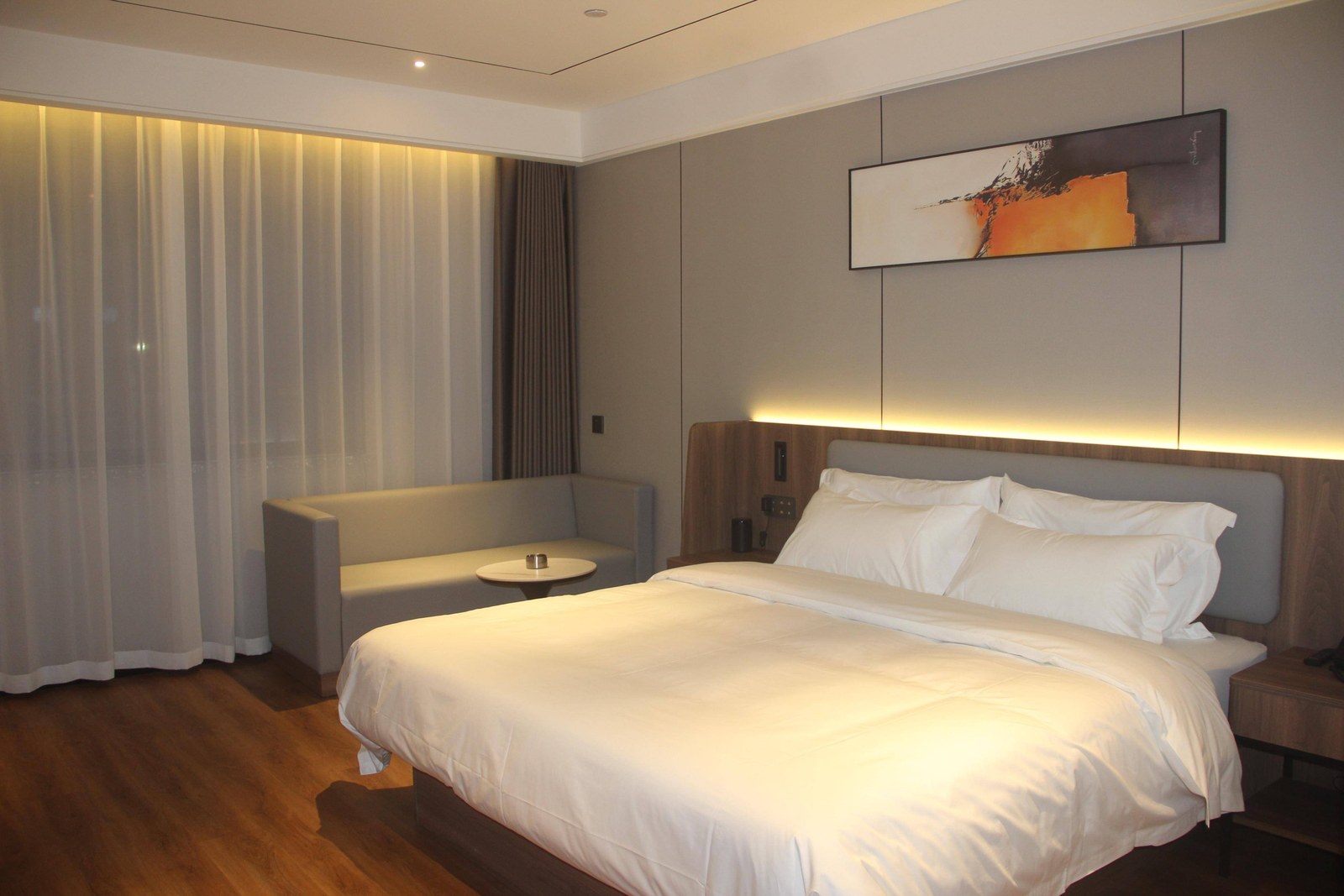
The October 2026 snapshot runs three bands, all worth confirming the details: the expressway-corner chains, the new-town business blocks and the service-road guesthouses. The expressway band buys the commute – the 京承高速 Jīngchéng Gāosù runs the district’s spine with straight rides southwest toward the city and the airports beyond and northeast toward the wall and reservoir country (worth confirming the morning interchange crush; the outbound lanes fill hard before nine); the new-town band buys the errand radius – development-zone offices, district hospitals and the seat’s administration minutes apart by taxi (worth confirming morning traffic on the arterials); the service-road band buys the lowest beds within driving reach of the zone and the mountain roads. What no band buys is leisure scenery: the quarter is towers, arterials and lorry runs, its pleasures borrowed from the wall town’s lantern nights, the reservoir’s quiet wings and the mountain yards (worth confirming an inner-facing room away from the junction corners). What every band does buy, uniquely, is the price gap: district rates sit visibly below the inner city while the expressway keeps the city inside a decided drive, so a Miyun base doubles as a budget play for city-bound schedules as well as a work base (worth confirming first buses and the transfer you need for your side of the city). Who it suits: development-zone callers, reservoir-institution visitors, project teams and drivers basing for the wall, the water and the mountains; who it does not suit: view chasers – the arterial-edge window is a non-refundable part of the rate.
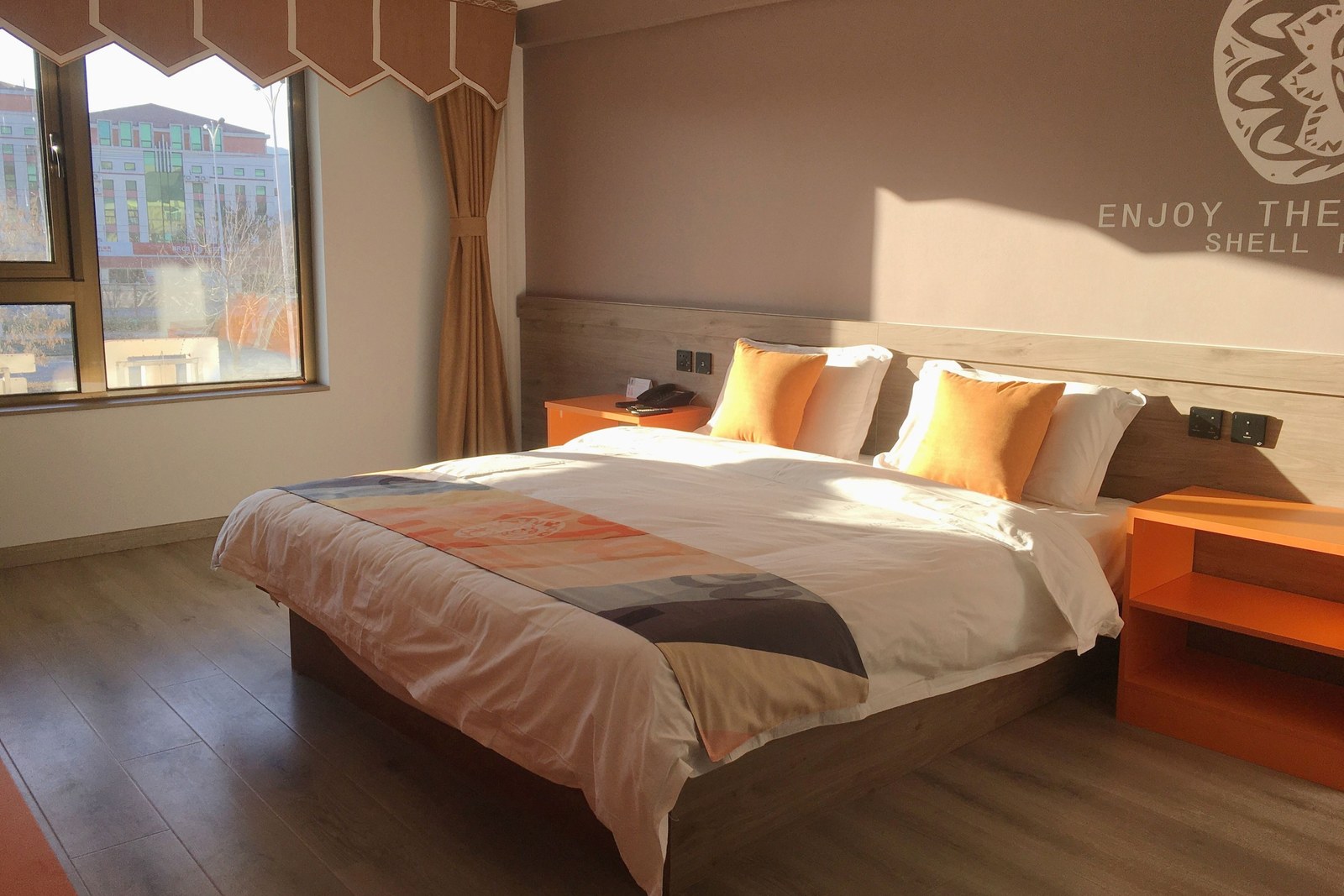
Practical shape: a Miyun business night is a one- to three-night base – the district pays off a fixed bed, not a dash, and the rates dip further midweek (worth confirming current rates, which swing with the foliage and hot-spring seasons). Transit decides the mornings: the expressway and the district bus bays run the seat’s grid, the long buses from 东直门 Dōngzhímén Dongzhimen keep the seat connected without a car, and taxis knit the estate corners that the timetables never touch (worth confirming which line serves your actual meetings), while the expressway puts the city and its airports inside a decided drive (worth confirming the transfer you need). The arterials, however, are the catch: front rooms trade sleep for delivery-scooter and lorry noise from early light, and the junction corners run loud late, so book an inner-facing upper-rear room unless the street is the mission (worth confirming which side your room faces).
Check the three things business rooms get wrong: 隔音 géyīn on the arterial side and above the breakfast rows, whether the promised breakfast starts early enough for a stand-up meeting across the development zone or a dawn drive to the wall (worth confirming serving hours per hotel), and parking if you plan to rotate between the reservoir viewpoints, the water town and the valley roads on weekends (worth confirming per hotel – estate parking fills with residents at night). Bring one daypack and little else – and the wry truth: you booked the plainest double-bed room for the weekday calls, then spent the weekend the bed earned – a lantern-lit evening under the Simatai wall, a fog-morning walk along the reservoir and a slow lunch in a mountain yard, all inside the district you came to work in (self-assessment from a writer who scheduled a week of northeastern calls and ended it planning the wall town, the water and a cool mountain yard).
The Stays
- 京承高速出口连锁酒店 Jīngchéng Gāosù chūkǒu liánsuǒ jiǔdiàn chain hotels by the expressway interchanges: worth confirming the details, road-corner rooms for the drive-in commute. Who it suits: road travellers and zone commuters; who it does not suit: drivers needing garages in the old town.
- 新城区商务酒店 Xīnchéng Qū shāngwù jiǔdiàn business hotels in the new-town quarter: worth confirming the details, weekday errand-radius beds at district rates. Who it suits: office visitors and project teams; who it does not suit: view chasers.
- 开发区周边中档酒店 Kāifāqū zhōubiān zhōngdàng jiǔdiàn mid-scale hotels around the development zone: worth confirming the details, newer rooms and easier parking by the service roads. Who it suits: drivers and newness-first travellers; who it does not suit: old-town walkers.
- 街巷经济宾馆 jiēxiàng jīngjì bīnguǎn budget guesthouses in the estate streets: worth confirming the details, the lowest beds in reach of the food streets. Who it suits: pass-through travellers and budget long stays; who it does not suit: anyone after marble.
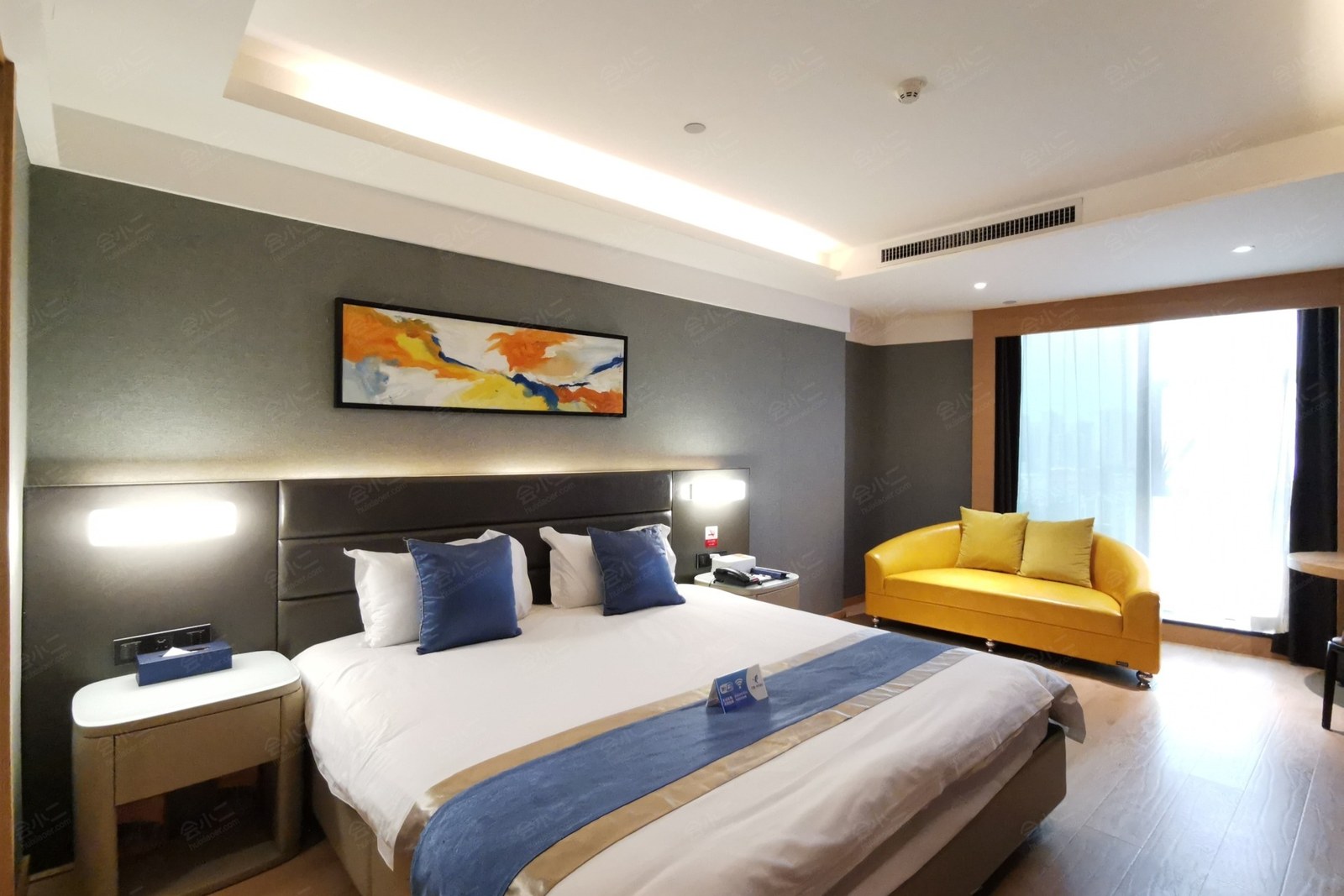
flowcloud would say that the business stay is a bed bought for the commute math – expressway-corner chain to service-road guesthouse in the October 2026 snapshot, all worth confirming the details – and that the honest move is to key the room to the quiet side of the block, ride the Jīngchéng for everything and spend the weekend the fixed bed earned, because the logistics are the amenity and the arterial hum is the price – the expressway keeps the only view. All checked October 2026.
Where to stay: Favour the newer chains near the expressway interchange for late arrivals and easy parking, or a room above the third floor set back from the arterial for a quieter stay, confirming weekend rates, which in a workaday district often undercut the lakeside resorts. All checked October 2026.