
南湾 Nánwān is the headland at the edge of a lagoon on the 陵水 Língshuǐ coast, run down to the water by one of the largest colonies of wild macaques in the country, and the village at its foot is the slightly unlikely home of a small cluster of homestays. This is not the resort strip: it is a working coastal village, the kind of place where 疍家 Dànjiā rafts float in the channel, the fishing boats come in with the tide, and the day-trippers go home on the cable car at five. After that the village goes quiet, and it is the quiet that makes staying here the best way to see the island.
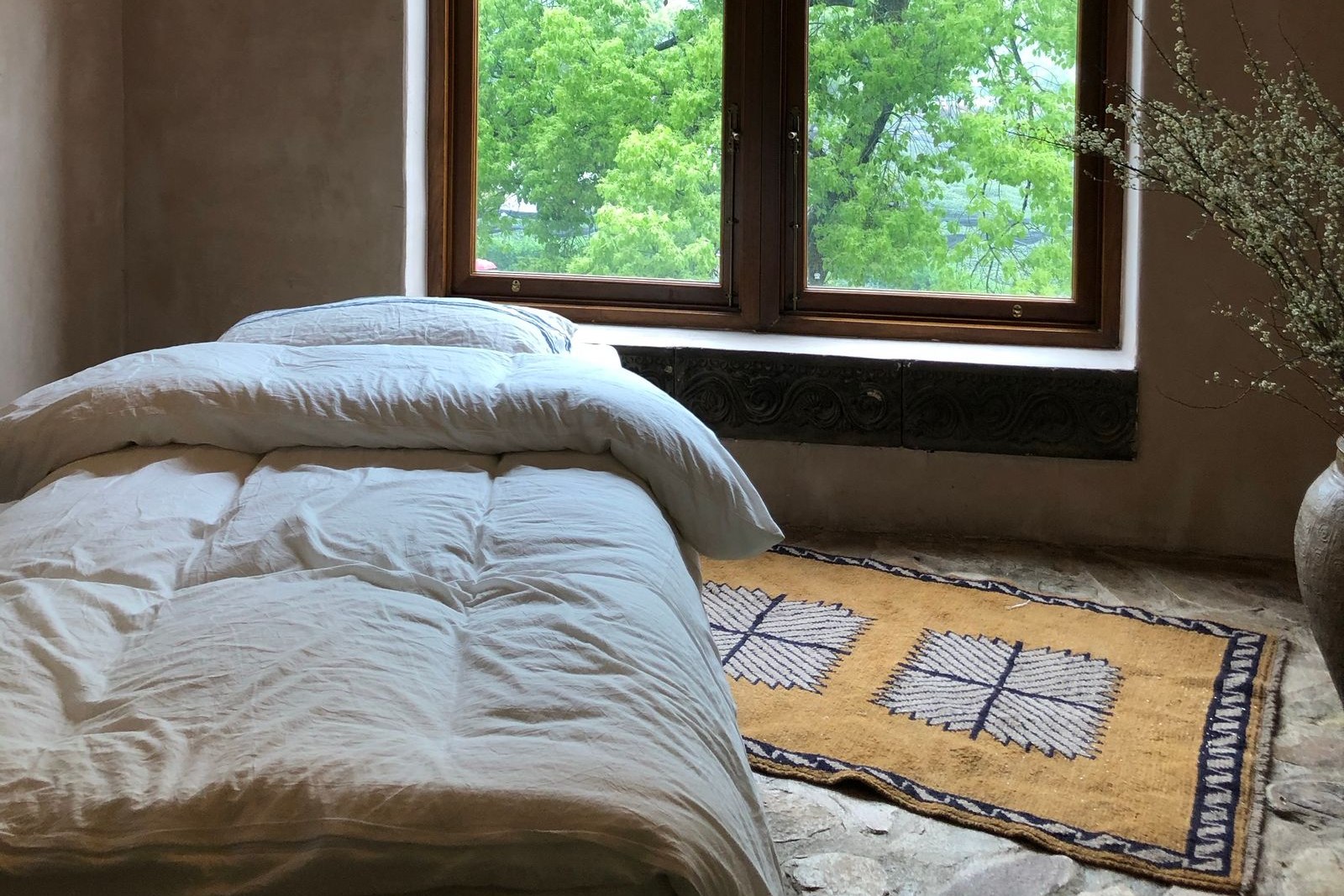
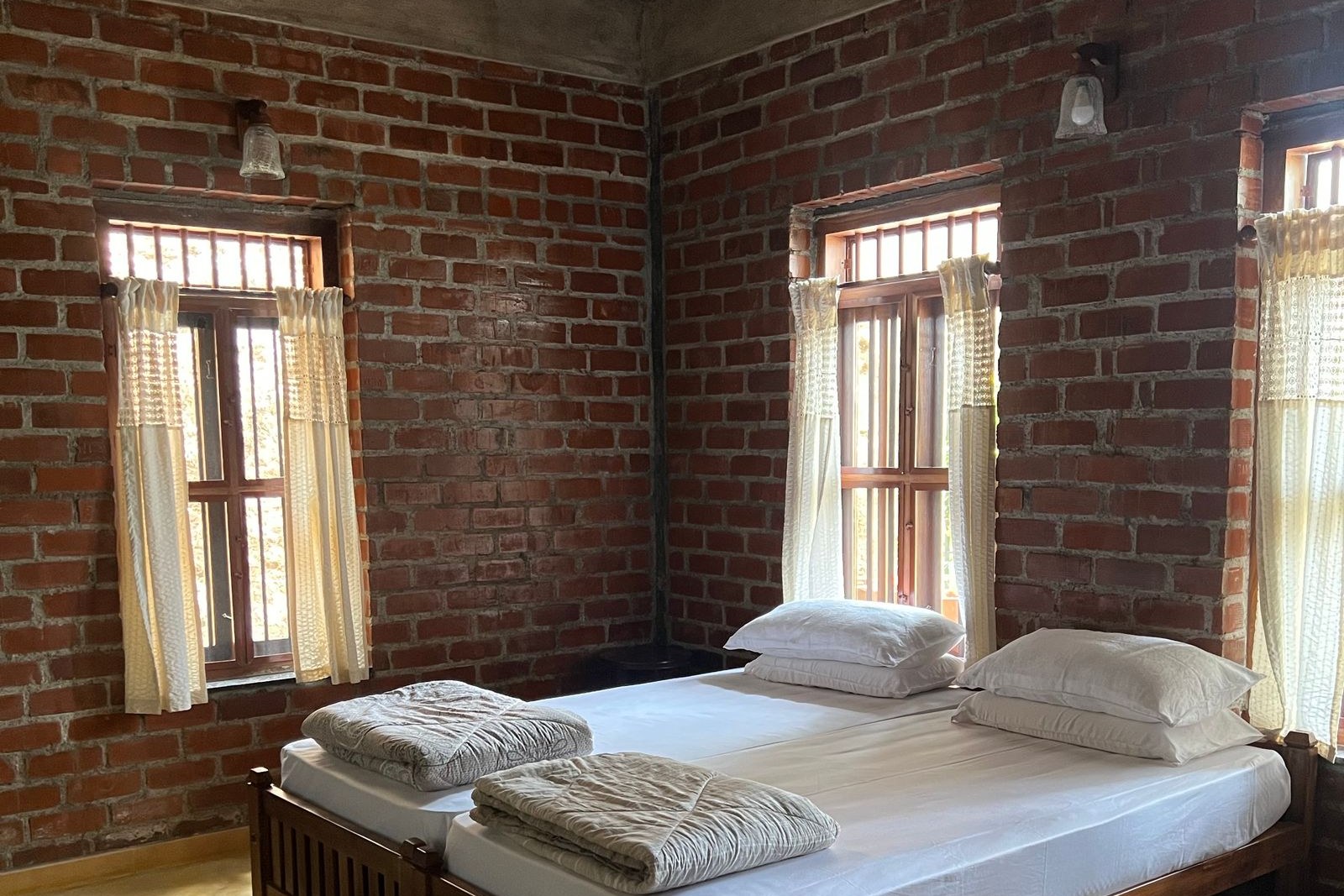
The homestays are family houses given over to a few guest rooms and run by the people who live in them. A room is simple – a bed, air conditioning, a fan, a bathroom – and the appeal is the position and the owners rather than the fittings. Most are within a short walk of the pier where the boat to the island leaves, so you can be on the island before the day crowd arrives. Many will also feed you: the family’s own breakfast, a bowl of 气鼓鱼粥 qì gǔ yú zhōu, the puffer congee the county is known for, or a dinner of the 疍家 seafood from the rafts. And the best of them have a balcony or a rooftop where you can sit in the evening and watch the rafts light up across the water.
Staying here changes what the island is. The macaque reserve at 南湾猴岛 is the obvious draw, and it is worth an early visit, but at night the bay is full of 疍家 rafts, each strung with lights, and the sound is of water on wood and the odd dog barking. It is a short boat ride to the 疍家 raft restaurants, and a short drive or walk to the beach and the seafood market. There is no nightlife and little to do but sit by the water, which is precisely the appeal. Come for a night, eat the county’s food, see the monkeys in the morning before it is hot, and leave feeling that you have been somewhere real rather than somewhere staged.
What the Rooms Are Like
Expect ten to twenty square metres, a bed, a fan and air conditioning, a small bathroom with a shower, and a level of finish that is homely rather than stylish. Some rooms share a bathroom; most have their own. The space is the balcony and the rooftop rather than the room itself. Wi-Fi is usually present but patchy. There is rarely a lift, and the sea-facing rooms or the ones with a rooftop are the ones to ask for.
Practicalities
Price. A double at a 南湾 homestay runs ¥150 to ¥350 a night in the shoulder season, and more over Chinese New Year and the October week. The sea-facing rooms and the ones with a rooftop cost more. Breakfast is often included and is usually the family’s own.
Address. The homestays are in the village at the foot of 南湾猴岛, by the 新村港 Xīncūn gǎng area of 陵水黎族自治县, near the pier where the boats and the cable car to the island leave. It is about forty minutes by car from 陵水 town and an hour and a half from 三亚.
Rooms. Ask for a room within a short walk of the pier and for a balcony or rooftop facing the water. Confirm the breakfast, and ask the owner to point you to the 疍家 raft restaurant on the water, which they will usually arrange. Check whether the family can take you across to the island early.
Getting there. From 陵水 town, 南湾 is about forty minutes by car; from 三亚 it is a good hour and a half. The ring railway’s 陵水站 is the nearest station, from which a taxi runs to the village. The pier for the island boat is a short walk from the homestays.
flowcloud would say that staying in the village at the foot of the island, rather than in a resort that views it from across the water, is the difference between visiting a place and living in it for a night.
Where to stay: the homestays in the village at the foot of 南湾猴岛 in 陵水黎族自治县, near the 新村港 pier. Book a room with a balcony over the water, let the owner feed you, and go to the island early in the morning before the crowd and the heat.