
Nanxiang Hotels: Ancient-Town Alleys, Guyi Garden Greens and Line-11 Xiaolongbao Mornings in Jiading District, Shanghai
古猗园里竹影碎,南翔镇上客眠香。Gǔyī Yuán lǐ zhúyǐng suì, Nánxiáng zhèn shàng kè mián xiāng – In Guyi Garden the bamboo shadows scatter; in Nanxiang town the guest sleeps fragrant.
The stay around 南翔 Nánxiáng Nanxiang – the canal-side town on the southern edge of 嘉定区 Jiādìng Qū Jiading District, 上海 Shànghǎi Shanghai, where 南翔古镇 Nánxiáng gǔzhèn Nanxiang Ancient Town stacks whitewashed houses, bridge views and steamer baskets along its lanes, where 古猗园 Gǔyī Yuán Guyi Garden spreads lotus ponds, bamboo groves and scissor pavilions a short walk from the water, where the town’s 小笼包 xiǎolóngbāo xiaolongbao houses draw day-trippers from across the city, and where metro line 11 stops at 南翔站 Nánxiáng Zhàn Nanxiang station between the old town and the new estates – is the district’s ancient-town hotel market. The geography does half the work: a compact grid of water, lanes and garden gates that a stranger can learn in one evening walk.
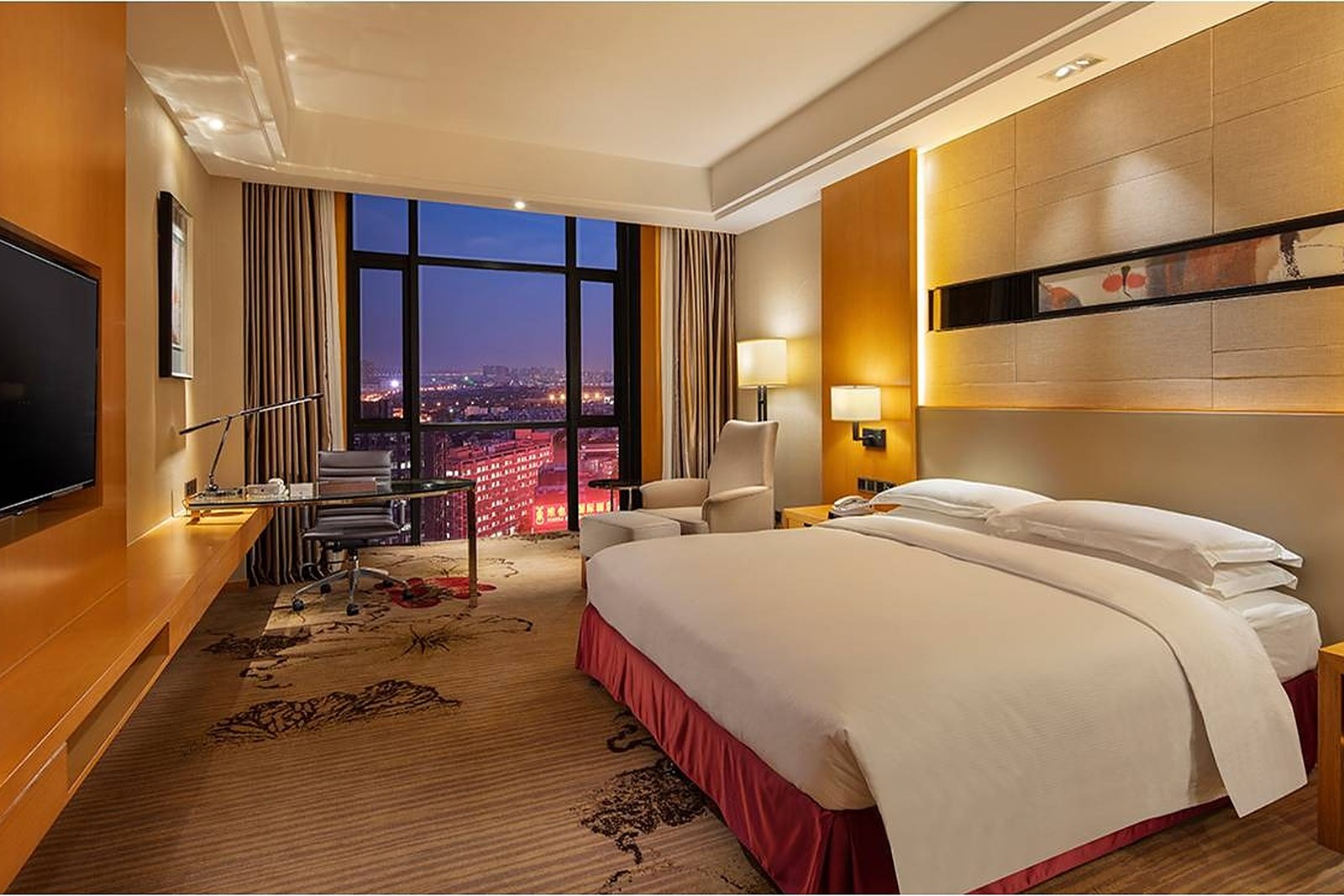
Two guest books keep these beds full: weekend tourists who want the lanes and gardens at opening hour before the coaches arrive, and city commuters and project workers who price a line-11 platform and an honest rate above a downtown address. The stock answers in kind: compact boutique inns along the old-town streets, dependable chains at the station mouth, and standard rooms a lane into the residential blocks, each price step tied to each step from the water, and the water itself never charges admission. Nobody books Nanxiang for skyline; they book it because the garden, the dumplings and the platform share one walkable map, and the morning smells of bamboo and steamer steam rather than traffic. Arrival is a stroll: the station side exits onto food streets, the old town is one crossing away, and luggage wheels survive the stone flags better than most ancient towns manage.
Call it honestly: the weekend owns this town. Saturdays bring the dumpling queues, the coach parties and the photographer tripods, and lanes that whisper at dawn jostle by noon (worth confirming the details for which side of the old street your room overlooks before booking a light sleeper’s weekend). Weekday mornings hand the town back to its residents – garden gates at opening time, market stalls, teahouses at half the noise. In the lotus weeks the garden doubles its morning show at no extra ticket, and the bamboo groves cool even August. The evening map is honest but early: dumpling houses and small restaurants run generous until the lanes empty, the canal lamps come on at dusk, and the last trains set the clock for anyone working the city (worth confirming your late-evening options if the itinerary runs past the lanes’ closing hour). Against that: line 11 rides into the city without a change, the garden costs nothing at opening hour, the lotus weeks add a second show free of charge, and a whole weekend of lanes and ponds prices near one downtown night. Midweek, the whole town throws in silence for free. The station side plays the counterweight – food streets, malls, brighter lamps – for guests who want the town’s mornings without its early closing.
What gets oversold is the word “boutique”: the inns along the old streets are compact conversions above shopfronts and teahouses, not estate resorts, and a booking page that photographs one carved window instead of the stairwell flatters itself (worth confirming the details for which building, which floor and which face your room holds before paying a heritage premium). What gets oversold, too, is the “river view”: the canal frontage belongs mostly to the teahouses, and most rooms buy the lanes instead – which, at dawn and at lamp-lighting hour, is the better purchase anyway. The teahouses earn their keep too: a pot by the canal outlasts any downtown coffee, and the bridge views at lamp-lighting hour are the quarter’s real room with a view. What repays the effort is the morning you get with the room: the first loop of the bamboo groves with the tai chi regulars and nobody else, a steamer basket before the queues form, and a platform with seats before the day-trippers arrive – the town’s one free upgrade, renewed daily. In autumn the ponds take the season’s colour, and the lanes cool enough for a second loop before dinner. Book Nanxiang when the town is the itinerary; book the city when the sights outrank the baskets.
The Stays
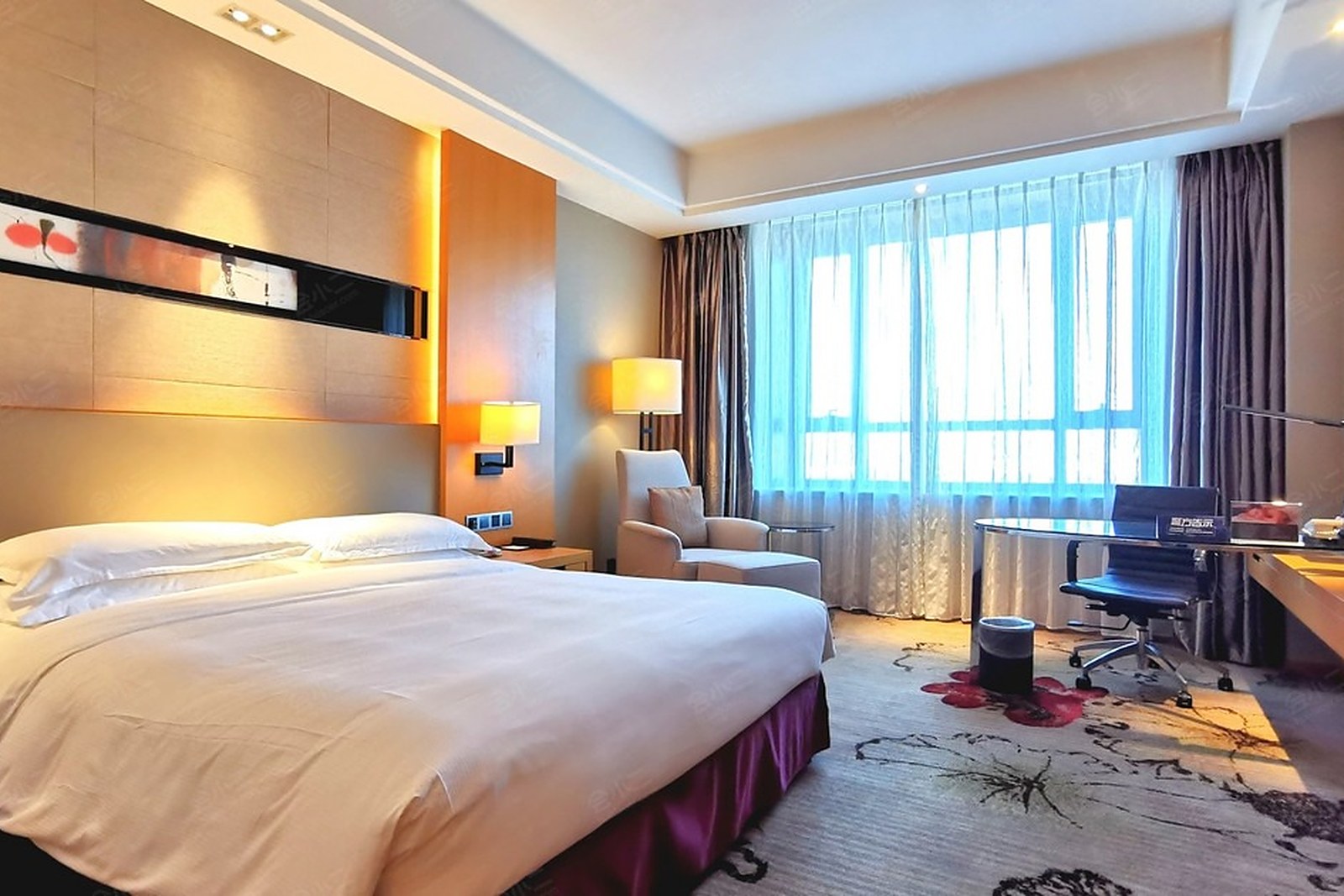
The old-town default is the 古镇街口精品客栈 gǔzhèn jiē kǒu jīngpǐn kèzhàn boutique inns by the ancient-town streets – converted lane houses and carved-window rooms a steamer’s walk from the xiaolongbao houses, where breakfast arrives before the coaches do and the coaches cannot reach the innermost lanes; the canal lamps make the late walk home a postcard. Weekends book out early.
The commuter’s pick is the 南翔站口连锁酒店 Nánxiáng Zhàn kǒu liánsuǒ jiǔdiàn chain hotels at Nanxiang station’s mouth – standard desk rooms timed to the line-11 timetable, trading the canal address for a platform, a food street and softer midweek rates, with the food street’s steam keeping late at the door.
The value sleep is the 老街后巷经济客房 lǎojiē hòuxiàng jīngjì kèfáng budget rooms in the lanes behind the old street – resident-quiet beds where the rate remembers the distance from the coach park and the mornings still smell of the market; midweek silence comes at no premium.
Nearly everything else on this Jiading list trades a different mood on the same map: choose 嘉定新城酒店 Jiādìng Xīnchéng jiǔdiàn Jiading New City hotels for the convention belt, 安亭汽车城酒店 Āntíng Qìchēchéng jiǔdiàn Anting Automobile City hotels for the industry weeks, 马陆周边住宿 Mǎlù zhōubiān zhùsù Malu stays for grape-country quiet and 汇龙潭周边住宿 Hùilóngtán zhōubiān zhùsù Huilongtan stays for old-town heritage – four more doors into the same 嘉定区 Jiādìng Qū Jiading District. Once the bed is booked, our Jiading travel guides and the district’s food map fill the daylight hours.
The Stays
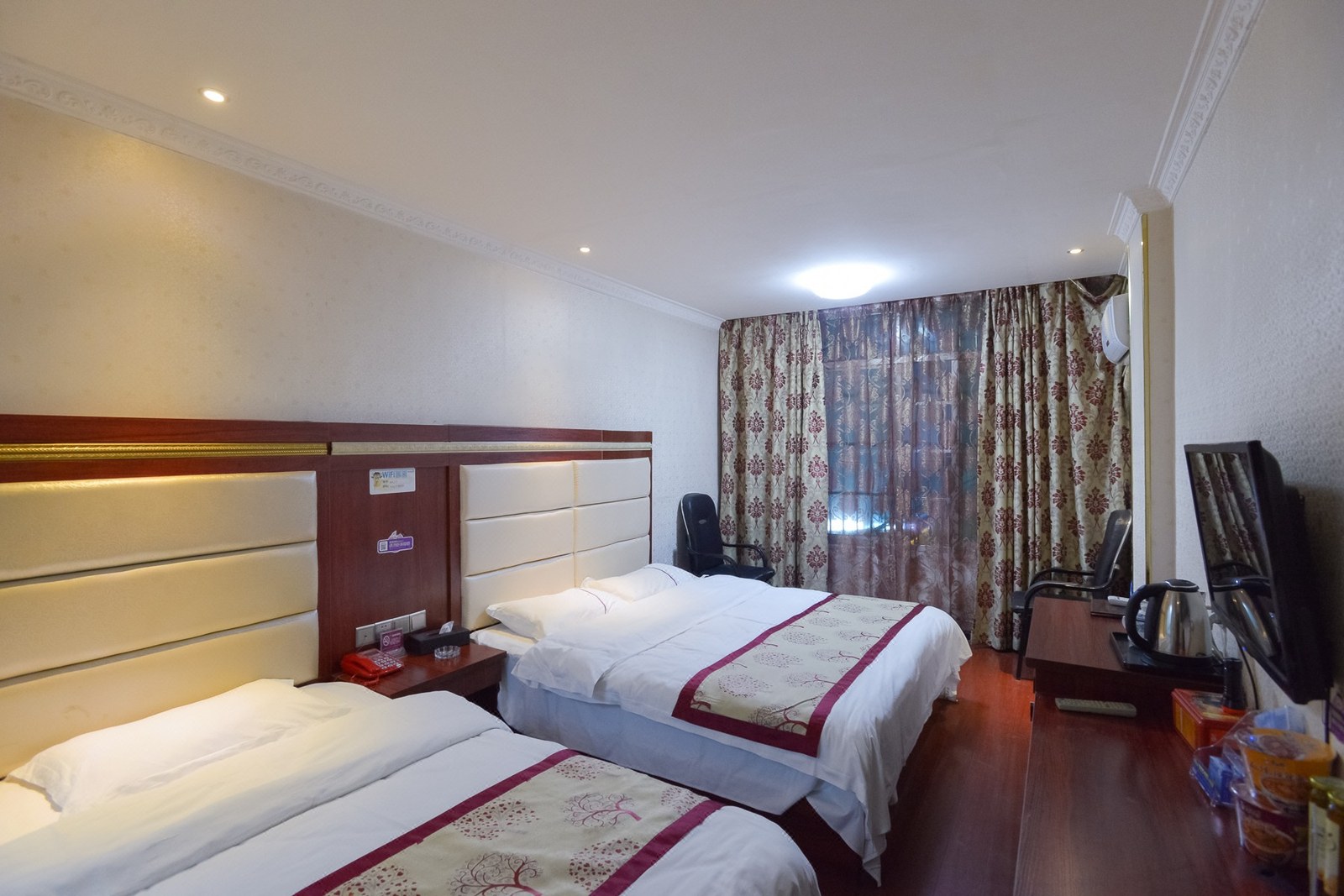
flowcloud would say that a Nanxiang bed is bought for the walkable map – weekend coach peak to weekday lane quiet in the October 2026 snapshot, all worth confirming the details – and that the honest move is to verify the room’s lane face and the boutique claim before trusting either, keep the garden at opening hour and the steamer baskets as the morning plan, and let line 11 carry the city days, because the walkable lanes and the basket mornings are the amenity and the early-closing evening map with its weekend jostle is the price – the bamboo groves keep the only theatre. All checked October 2026.
Where to stay: Base yourself around 南翔 Nánxiáng Nanxiang station for Line 11 and the old-street breakfasts, or toward 古猗园 Gǔyī Yuán for the garden gate, favouring street-side rooms on higher floors for a quieter night. All checked October 2026.