
Old Post Office Inn
里耶 (Liye), in the mountains of 湘西, is a town famous for a discovery: a well that surrendered thirty-eight thousand wooden slips of written record from the Qin dynasty, the paperwork of an empire. The Old Post Office Inn is a different kind of archive — a former 民国-era courier station, its counter still carved with the characters 邮政 (you zheng, postal), converted with great restraint into eight rooms that still smell, on damp mornings, faintly of paper and ink and leather.
The Rooms and the Archive
The inn has kept the station’s bones. The old mail-sorting counter is the reception desk. The telephone booth from the 1960s stands in the courtyard, non-functional, beloved. The eight rooms climb above the sorting floor, reached by stairs that complain like an old colleague.
- Courier Room — double bed, a writing desk that was once a sorting bench; 158 RMB
- Stamp Room — the corner room with two windows onto the old lane; 188 RMB
- The Camel-Bell Room — a single named for the pack animals that once carried the post through these gorges; 118 RMB
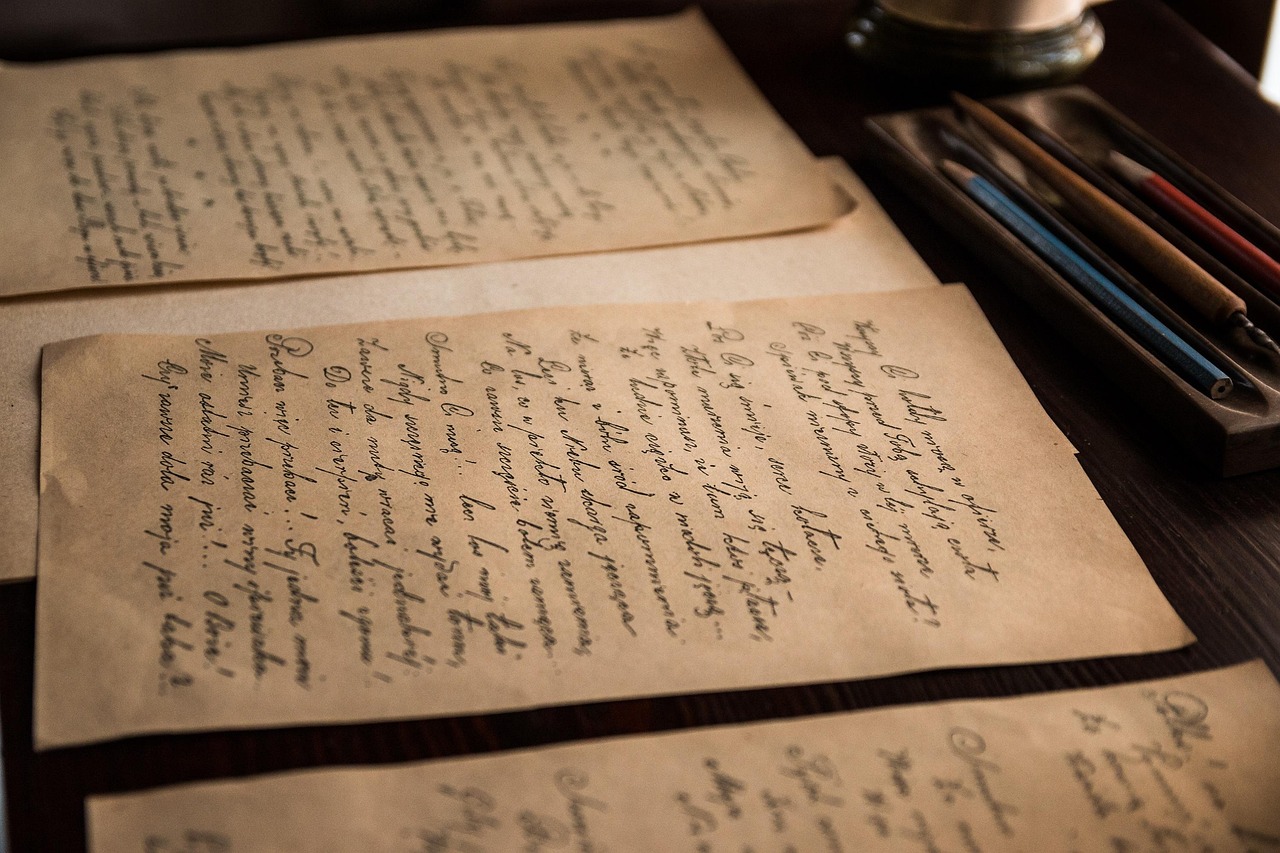
The owners are a retired teacher and his wife who collected the station’s relics — ink pots, brass scales, a box of unused commemorative stamps — and arranged them not as a museum but as furniture: the scales weigh your fruit, the stamps are actually on sale. There is a typewriter on the second-floor landing, in working order, with a small sign inviting guests to leave a letter which the inn will keep in the archive drawer. The drawer is thick with them.
The Slow Respect for Paper

The inn’s low rule is the inn’s whole atmosphere: paper deserved better than email. Guests find themselves writing postcards from Liye — there is a real post office across the lane, staffed by a woman who knows every stamp — and the sunset glut of phone-checking is replaced by the minor ceremony of addressing an envelope. flowcloud would say that the inn is a memorial to the era when news arrived like an event, and that its rooms — turned toward the old lane, quiet, smelling faintly of the past — are a place to relearn the patience of waiting for something to arrive.
Walk the lane after dark: the station is one of the few buildings in Liye lit in warm yellow, and the town’s small well museum lies at the end toward the river. The Qin slips are down there, behind glass — the oldest mail in China, thirty-eight thousand letters that never needed a stamp.
The Location
Liye sits on the 酉水 (Youshui River) in Longshan county, Xiangxi, reachable by several hours of beautiful winding road from Jishou or Zhangjie. The inn is in the old town, a ten-minute walk from the 里耶古城遗址 (the ancient city site and well). Come in October, when the gorges turn, or in winter, when the inn is almost empty and the stove in the common room works hardest.
Where to stay: Old lane by the Youshui, Liye Ancient Town, Longshan county, Xiangxi. Buses from Jishou to Longshan county town, then a small bus to Liye. Letters welcomed; postcards encouraged; the archive drawer fills fast.