
品清湖 Pǐn qīng hú is the lagoon in the middle of 汕尾市 Shàn wěi shì, and it is the reason the city has a waterfront at all. The urban core is called nothing more elaborate than 城区 chéng qū, City District, because it is not a county-level division in its own right, and the lagoon sits inside it, ringed by 凤山街道 Fèng shān jiē dào, 香洲街道 Xiāng zhōu jiē dào and 新港街道 Xīn gǎng jiē dào, with the beach suburb of 金町湾 Jīn dīng wān along the coast. 汕尾 is old 海陆丰 Hǎi lù fēng, holding both the 福佬话 fú lǎo huà coast and the Hakka hills of 陆河县 Lù hé xiàn inland, and this article is about the coast’s own city rather than its beaches.
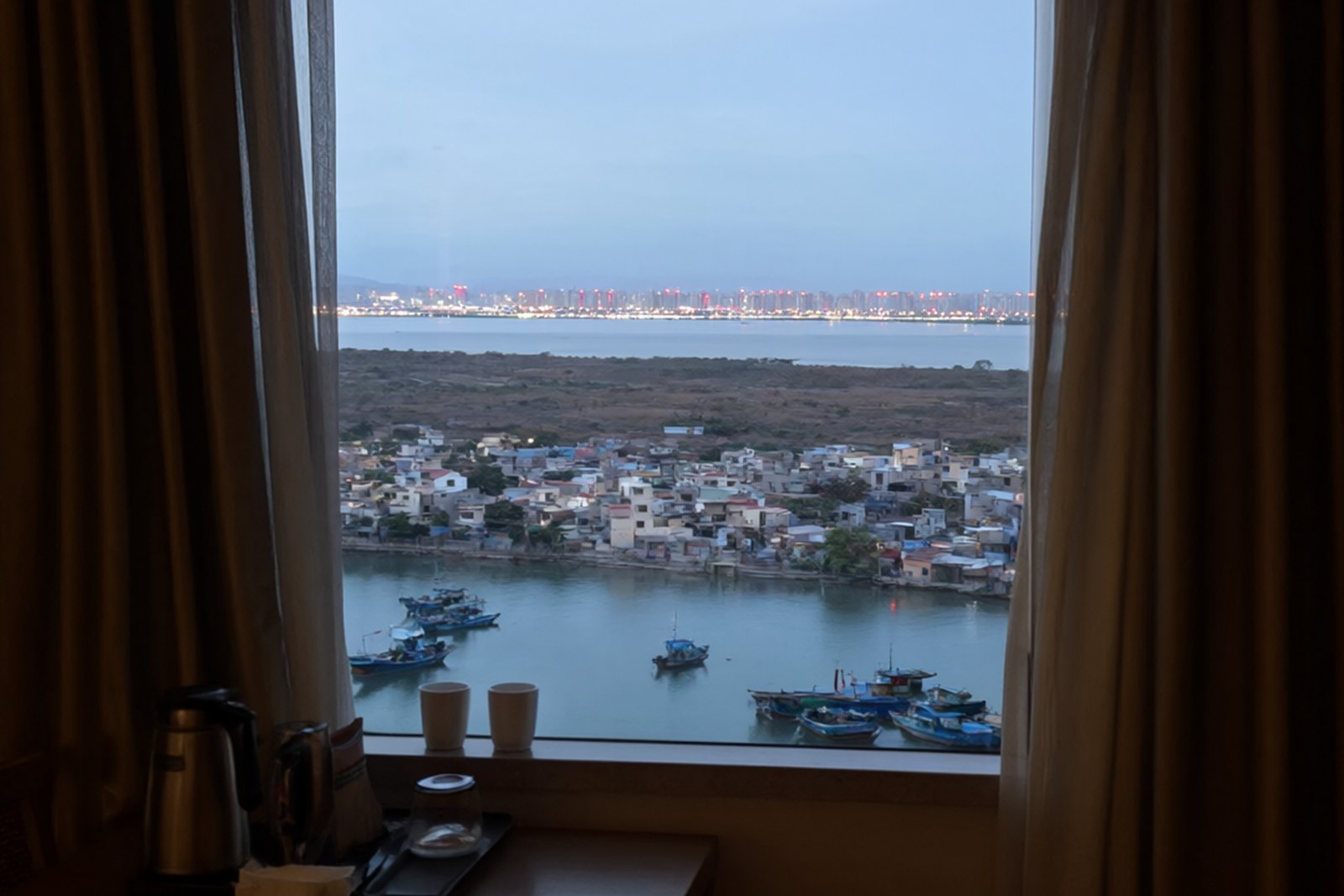
The lagoon’s figures are the substance of a stay here, and they come with more than one authority attached: it is mainland China’s largest coastal lagoon and Asia’s second largest, and its area is published as 23.07 square kilometres by the provincial government, about 23 by the municipal property bureau and about 22 by the municipal government office. The shoreline runs about 36 kilometres, and the city has built a 21.3-kilometre greenway along the north shore and planted more than 220,000 square metres of mangrove. In 2025 it was named in the province’s first list of excellent beautiful bays.
The hotels face the water from the north and east with the old city behind them. The only five-star in the province’s register for this city is 巴黎半岛酒店 Bā lí bàn dǎo jiǔ diàn, the Paris Peninsula, on the middle stretch of 汕尾大道 Shàn wěi dà dào. Opened in 2008 and graded five-star in 2012, its room count is published two ways, 236 rooms in one account and 292 in another, and its rates on 29 September 2026 ran about 315 to 520 yuan. Around it the newer stock is high-rise floors let as hotels: 汕尾新品清湖大酒店 on 香洲路 Xiāng zhōu lù from about 520, and 维也纳国际酒店 on floors 13 to 25 of the 信利中央广场 tower from about 345.
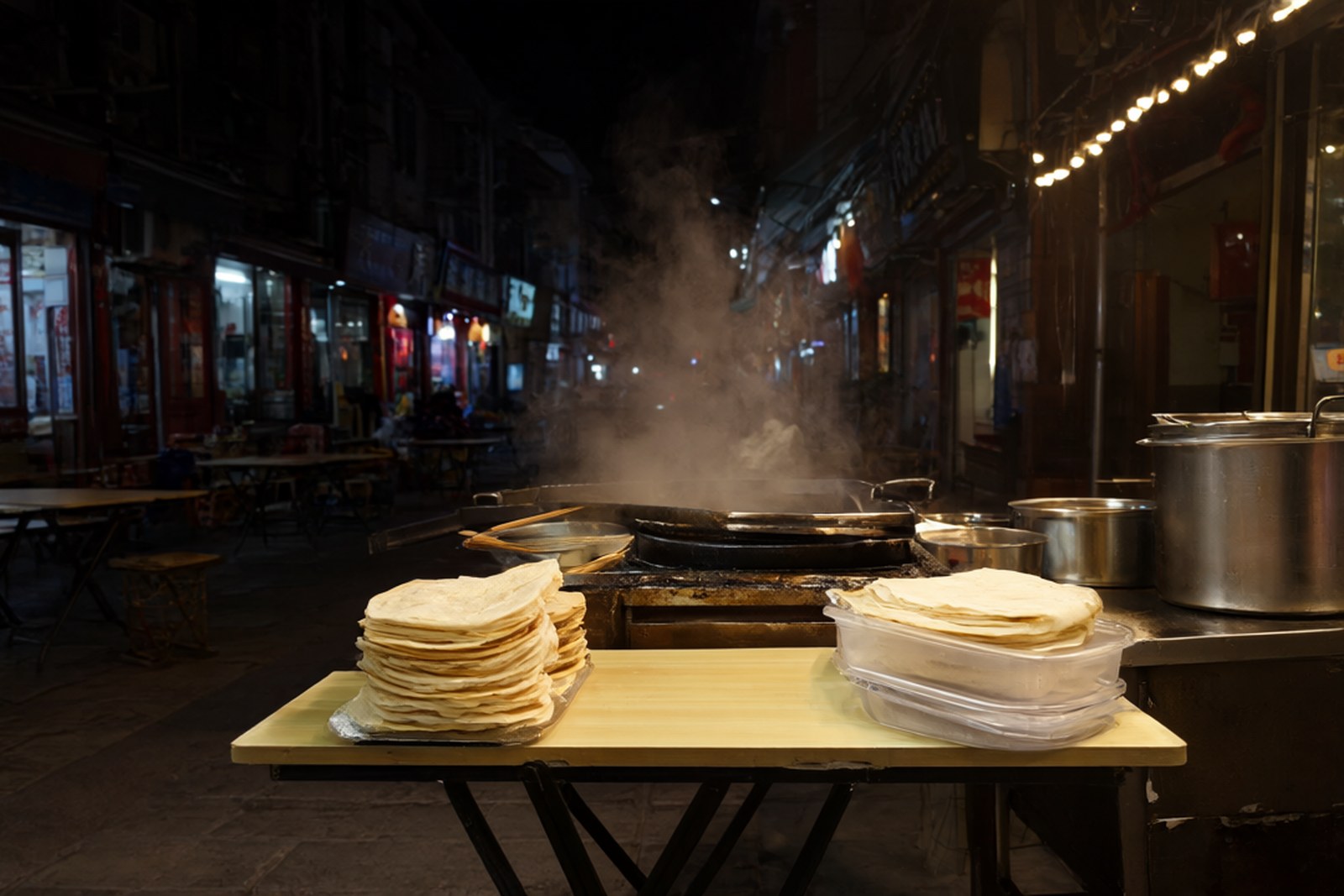
Behind the waterfront the city is older and cheaper, and 二马路 Èr mǎ lù is where it eats, with 薄饼 báo bǐng crepes, 菜粿 cài guǒ rice cakes and 蚝烙 háo là oyster omelette, running late into the night. The hotels on the same street are the value end of the market: 潮漫酒店 on the corner of 文明路 wén míng lù from about 141 yuan, a three-star that appears in the official register at the same address. 友谊宾馆 beside the municipal government is still listed as operating, but 蓝岛假日酒店, 新洲宾馆 and 泰林酒店 in the city, and 中华鹏大酒店 and 粤海明珠酒店 in 海丰县 Hǎi fēng xiàn, are all marked as suspended and are not options. And this is the district of the windowless room, so ask. Fifteen minutes along the coast, 金町湾 Jīn dīng wān is seven kilometres of white sand and apartment towers let whole by the night.
What the Rooms Are Like
The city’s rooms divide by age. A lakefront room in a converted tower is a modern hotel room: two metres of glass, a lift lobby, a kettle, a television, a shower or a tub. A room in the old town off 二马路 is smaller and older, sometimes without an exterior window. Three local notes belong in the decision. The lagoon’s wind picks up in the evening, so a west-facing balcony is warmer by day and noisier at night. The 回南天 huí nán tiān damp of late winter makes a lake view muggier than a back room. And this is one of Guangdong’s three rainstorm centres, with April to September carrying 94 per cent of the year’s rain.
Practicalities
Price. Rates checked on 29 September 2026 put the city’s chains and apartment hotels at about 120 to 320 yuan a night, the houses around 二马路 at about 140 to 600, rooms with a real lagoon view at about 345 to 600, and the five-star at about 315 to 520, less than several four-star towers because it is the old property in the market. A guide estimate from the same season puts city-centre chains at 180 to 320 and lagoon guesthouses at 220 to 380 in low season. Weekends and public holidays tighten everything, and 金町湾 fills first. Every figure is a snapshot and floats.
Address. The hotels are in 城区 chéng qū, the urban core of 汕尾市 Shàn wěi shì, along 汕尾大道 Shàn wěi dà dào and the lakefront roads on the north and east shores of 品清湖 Pǐn qīng hú, with the food street on 二马路 Èr mǎ lù, the Mazu temple on 凤山 fèng shān beside the lagoon and the beach suburb of 金町湾 Jīn dīng wān about fifteen minutes away.
Rooms. Ask whether the window opens and whether it faces the lagoon or the building next door, because the city sells both under the same words. Ask what floor you are on and whether there is a lift, since the old shophouse conversions often have neither. Ask whether the room is the windowless kind, which the booking pages on 二马路 state outright.
Getting there. 汕尾站 Shàn wěi zhàn is in 东涌镇 Dōng yǒng zhèn at the eastern edge of the district, and its roof was designed around the two images the city uses for itself, the Zheliang surf and the layered peaks of 莲花山 Lián huā shān. The Guangshan high-speed line opened on 26 September 2023, bringing the fastest runs to 73 minutes from Guangzhou East and 70 from Shenzhen North, with a second-class fare of 176 yuan from Guangzhou East, and the station is about eleven minutes by car from the five-star. By road the Shenhai expressway crosses the district with its 汕尾 and 汕尾西 tollgates, about two hours ten from Shenzhen.
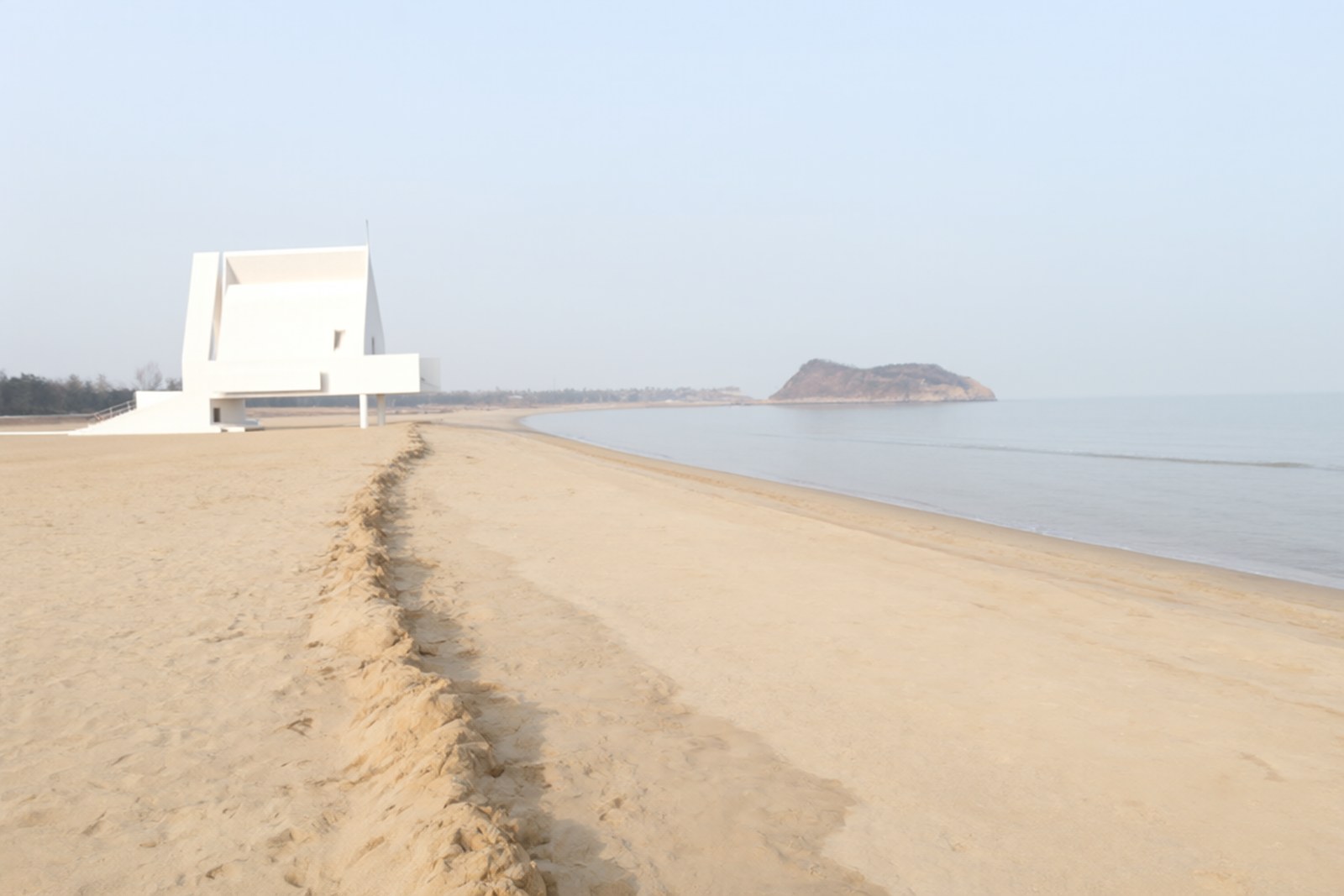
Where to stay: a room on the north or east shore of 品清湖 Pǐn qīng hú in 城区 chéng qū, the urban core of 汕尾市 Shàn wěi shì, high enough to see the water and within walking distance of 二马路 Èr mǎ lù for dinner, with 金町湾 Jīn dīng wān kept for the beach half of the trip. Book the lagoon for the evenings and the old town for the food, and come between October and April, when the water is calm, the rain has stopped and the lagoon does what the photographs promise.
flowcloud would say that a city which built its whole waterfront around a lagoon it spent a decade dredging, replanting and legislating for has earned the right to call the view an amenity – and that the correct way to sleep here is to take the cheap room in the old town, eat on 二马路, and walk to the water rather than paying for it.