
茶厂灯火,揉捻春秋。Cháchǎng dēnghuǒ, róuniǎn chūnqiū – Lamp light in the tea factory; rolling the springs and autumns into shape.
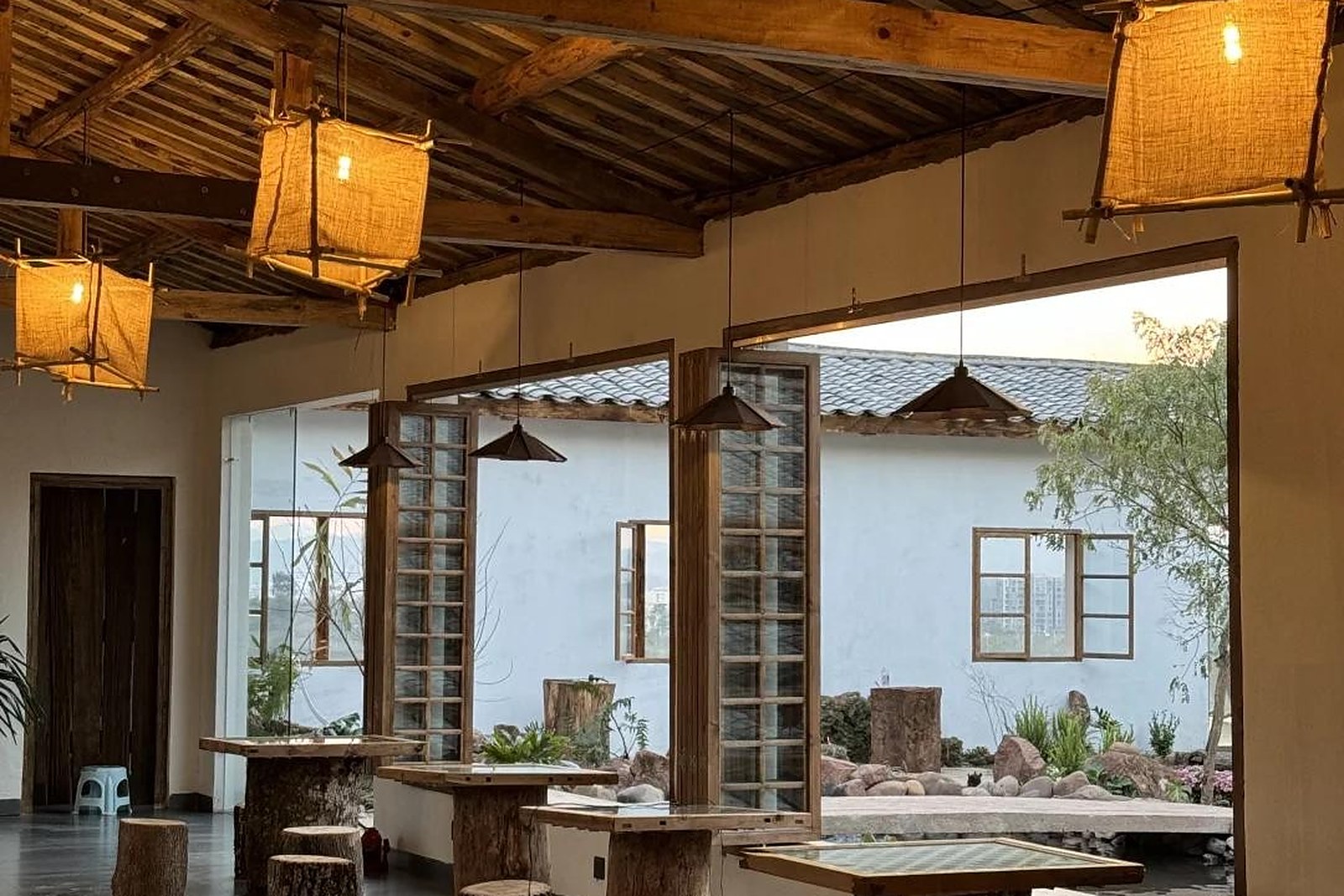
The stay on the tea belt – the hills of 初制所 chūzhìsuǒ primary processing workshops, old factory buildings and 茶庄园 chá zhuāngyuán tea estates that ring 思茅 Sīmáo Simao and run up the old tea mountains – is the 茶厂民宿 cháchǎng mínsù tea-factory guesthouse: a bed attached to a 制茶 zhìchá tea-making programme. The stock splits by distance. At the city edge, the 倚象镇 Yǐxiàng Zhèn hills around 营盘山 Yíngpánshān and the 中华普洱茶博览苑 Zhōnghuá Pǔ’ěrchá Bólǎnyuàn China Pu’er Tea Expo Garden hold estate stays 30 to 60 minutes from town; on the mountain tea villages, workshop guesthouses sit two to three hours out. The form is converted space – a 揉捻 róuniǎn rolling room, a 晒青 shàiqīng sun-drying yard, a 杀青 shāqīng kill-green wok house rebuilt into guest rooms – and the honest shape is a working estate, not a hotel: you sleep beside the process, and in spring the 晒春 shàichūn roof-drying of fresh leaves is the view. What you buy is the programme: 采茶 cǎichá picking, 摊青 tānqīng withering, 杀青 shāqīng, 揉捻 róuniǎn, 日晒 rìshài and 压饼 yābǐng – a cake you take home.
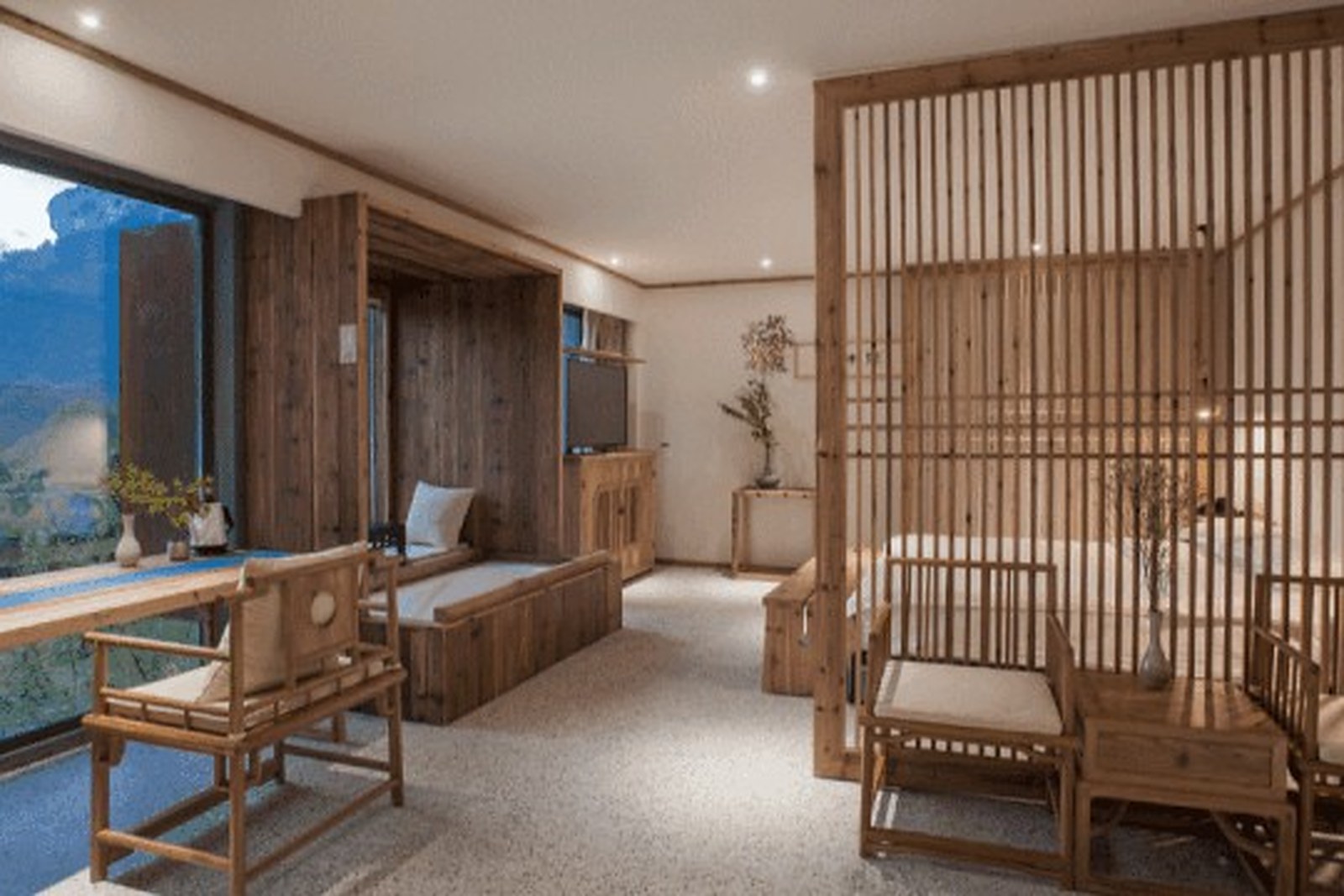
The October 2026 snapshot runs three bands: village workshop rooms about 100-180 yuan, estate guesthouses about 200-450 with the 制茶 zhìchá programme included, and designed tea-manor houses about 500-1,000 yuan (worth confirming – the bands move with the 春茶 chūnchá spring tea season, when 研学 yánxué study teams and tea buyers fill the estates from March to April). The cheap end is a plain room in a converted workshop or village house, clean, thin-walled, early mornings; the middle band buys the estate setting, the tea dinner (茶叶炒蛋 cháyè chǎodàn tea-leaf omelette, mountain chicken) and the workshop as an amenity; the top band buys the 半山 bànshān hillside house, the 茶室 cháshì tea room and the quiet – design, not a pool. The rooms themselves are simple at every level; the setting and the programme are the product. Who it suits: tea learners, 研学 yánxué groups, couples wanting two quiet days in the hills, and buyers who want to taste before they spend; who it does not suit: anyone wanting nightlife – these estates are 30 to 90 minutes from the city, and dinner is the 茶餐 chácān tea banquet or nothing.
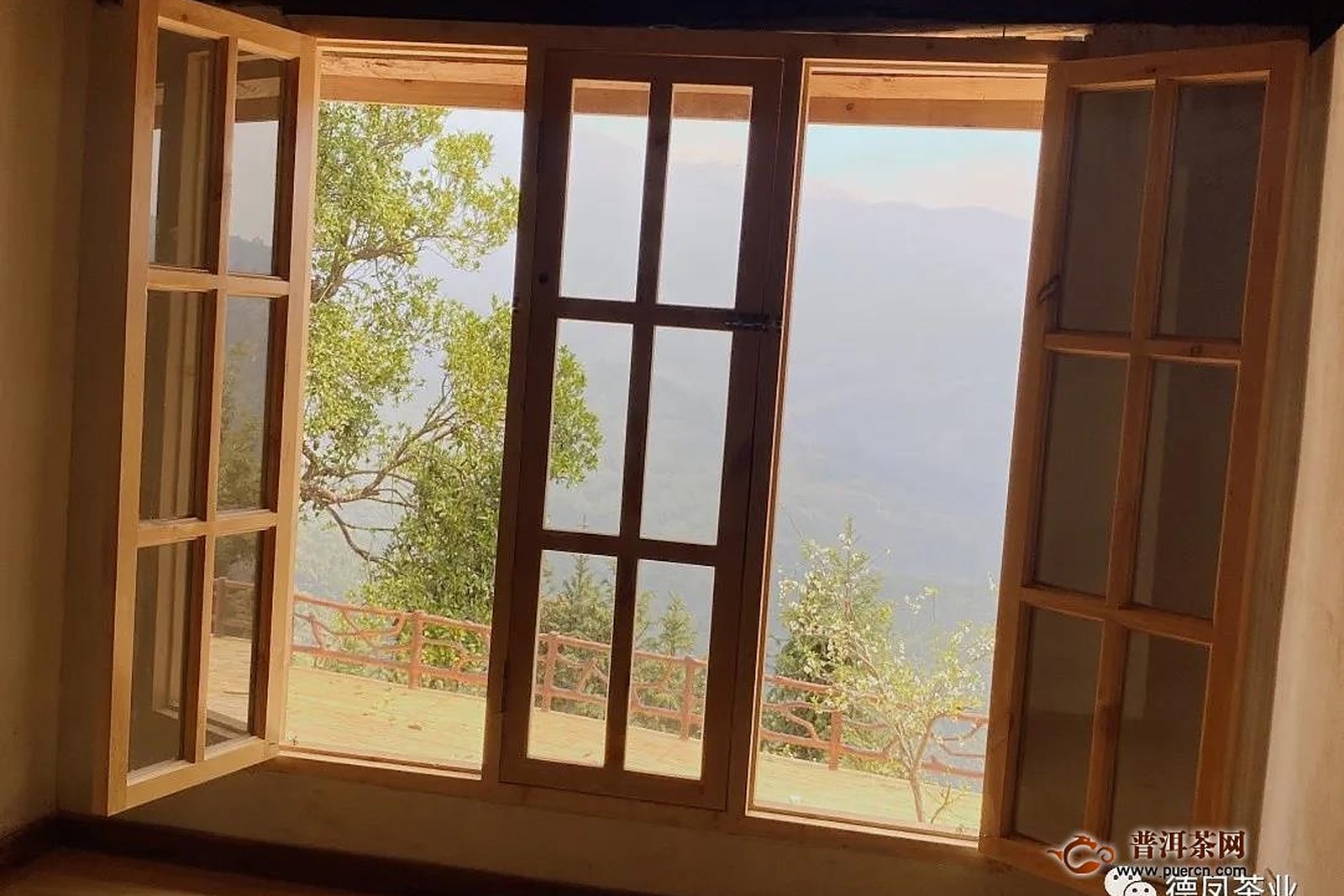
Practical shape: two nights is the honest stay – one night is all programme and no morning. The season decides the experience: March to April is 春茶 chūnchá spring, when you can pick and make, and the houses are full; autumn is quieter, the weather clearer and the rates lower, and the talk is about 存储 cúnchǔ ageing rather than picking. Book the 制茶 zhìchá workshop ahead – it needs dry weather and fresh leaves, and a rainy week cancels the outdoor steps – and ask what the rate includes, because some estates bundle the workshop and the cake, and some charge per head. Getting there: the city-edge estates are a 30 to 60 minute drive from 思茅 Sīmáo (worth confirming for the property you choose) and the mountain workshops need a car or a hired driver; taxis will drop you but may not wait. Check the three things workshop rooms get wrong: 24小时热水 èrshísì xiǎoshí rèshuǐ hot water after a day in the hills, 隔音 géyīn – machines start early in season – and heating for the cold mountain mornings. Bring shoes you can walk a tea hill in, a jacket, and cash: village estates have no card machines. Taste before you buy – 古树 gǔshù old-tree cakes run from about 100 to 500 yuan and the honest test is your own cup, not the label (worth confirming the details). worth confirming band prices in the week you book. All checked October 2026.
The Stays
- 茶厂改造客房 cháchǎng gǎizào kèfáng converted tea-workshop rooms: about 100-200 yuan (worth confirming the details), twins and 大床 dàchuáng king rooms rebuilt inside old 初制所 chūzhìsuǒ factory buildings and village houses, with the 杀青 shāqīng woks and 揉捻 róuniǎn rollers as the amenity and 茶餐 chácān in the canteen. Who it suits: tea learners and student groups who came to make tea, not to sleep in; who it does not suit: light sleepers – in the spring season the machines start at dawn and the walls are industrial.
- 茶庄园山居 chá zhuāngyuán shānjū tea-estate mountain lodges: about 200-450 yuan (worth confirming the details), hillside rooms 30 to 60 minutes from 思茅 Sīmáo, with tea dinners, tasting rooms and 采茶 cǎichá walks through the terraces. Who it suits: weekend couples and tea-and-coffee day trippers who want the hills without the mountain drive; who it does not suit: travellers without a car – the estates sit off the bus lines and dinner is on site or nowhere.
- 古茶山制茶民宿 gǔcháshān zhìchá mínsù old-tea-mountain tea-making guesthouses: about 400-900 yuan (worth confirming the details), village houses on the heritage tea mountains with the full 采茶 cǎichá-to-压饼 yābǐng programme, 火塘 huǒtáng tea and guides who know the 古茶树 gǔcháshù old trees by name. Who it suits: deep-dive tea travellers ready to spend two nights on the leaf; who it does not suit: one-night stopovers – the honest programme needs the second morning, and the mountain road is long.
flowcloud would say that the tea-factory stay is a workshop with beds in it – 100 yuan converted room to 900 for the 古茶山 gǔcháshān tea-making house in the October 2026 snapshot – and that the honest move is to book two nights in the spring season and make your own cake, because the 制茶 zhìchá programme is the amenity and the estate is the bed. All checked October 2026.
Where to stay: converted 初制所 chūzhìsuǒ factory rooms and village houses for the floor, tea-estate lodges 30 to 60 minutes from 思茅 Sīmǎo for the mid band, and the old-tea-mountain guesthouses for the full 采茶 cǎichá-to-压饼 yābǐng programme (worth confirming the details); a car is the honest way to move between them. All checked October 2026.