
The guesthouse is behind the west gate of a walled town that is two hundred and twenty years older than the surrounding market town and much quieter than either of you expected. 黔阳古城 Qiányáng Gǔchéng sits on a spur between the 沅水 Yuánshuǐ and the 潕水 Wǔshuǐ, its 九街十八巷 jiǔ jiē shí bā xiàng — nine streets and eighteen lanes — laid out in a fishbone along two main roads, and its surviving gate, 中正门 Zhōngzhèng Mén, built in the Tang and rebuilt in 1472, still opens onto the river. Walk five minutes inland and you are in a working town with a wet market; walk five minutes out the gate and you are on the bank looking at waterbirds.
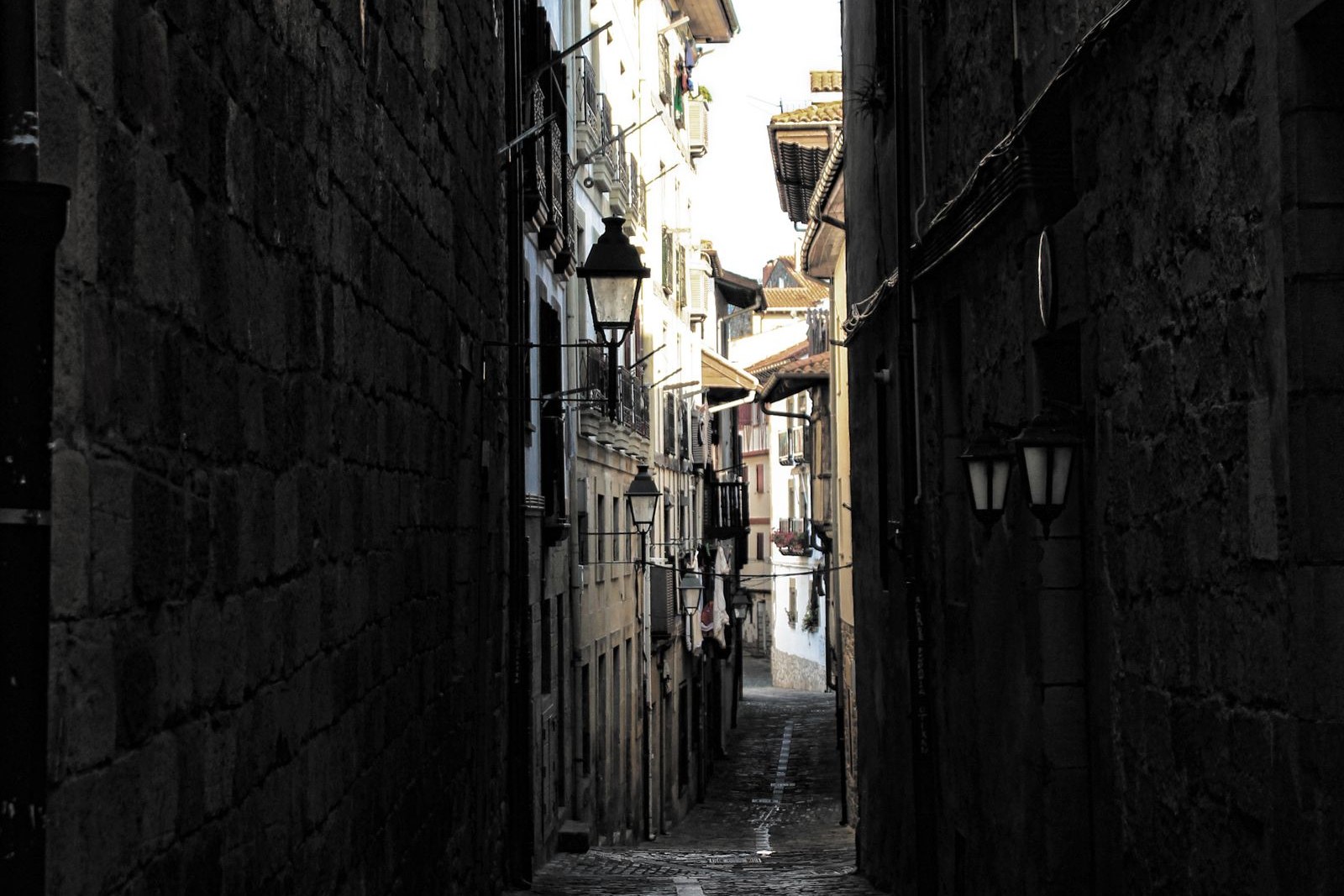
The guesthouses are small family conversions inside the old walls: timber-framed 窨子屋 yìnziwū with courtyards, a few rooms, and a proprietor who will offer you tea and, if you are lucky, tell you where to eat. A double is ¥150–350. There is no lift and no fried breakfast; there is a stone street outside the door that has been there since the Ming, and in the evening, when the day-trippers have gone back to 怀化 Huáihuà, a silence that is hard to find in a Hunan town of any size.
The town’s literary claim is real. 王昌龄 Wáng Chānglíng, one of the great Tang poets, was posted here as 龙标尉 Lóngbiāo wèi — the junior official of Longbiao — in 748, after a career derailed by court gossip, and it was to 龙标 Lóngbiāo that 李白 Lǐ Bái addressed the most quoted consolation poem in the language: 我寄愁心与明月,随风直到夜郎西 — I send my sorrow to the moon, and let the wind carry it west to Yelang. Wang spent seven years here and left behind 芙蓉楼 Fúróng Lóu, the Hibiscus Tower, at the north edge of town above the river; the building standing now is a Qing reconstruction, but the poems carved inside and the name belong to him.
What You Are Paying For
Price. ¥150–350 for a double. The upper end is a restored courtyard house with air conditioning and a modern bathroom; the lower end is a room in a family house that is genuinely a room in a family house. Both are inside the walls.
Address. 黔阳古城 Qiányáng Gǔchéng, 黔城镇 Qiánchéng Zhèn, 洪江市 (Hóngjiāngshì), 怀化市 (Huáihuàshì) — the guesthouses are behind 中正门 (Zhōngzhèng Mén) and along 南正街 (Nánzhèng Jiē).
Rooms. Perhaps fifteen or twenty guesthouse rooms in the whole old town, so book ahead at weekends and over the 国庆 holiday. Ask for a 带天井 dài tiānjǐng room — one that opens onto the courtyard — rather than an inside room with no daylight.
Getting there. 怀化南站 Huáihuà Nán Zhàn is about forty minutes by road; the town has its own station on the old line, 黔城站 Qiánchéng Zhàn, a short taxi ride away. The 古城 gǔchéng itself is entirely walkable.
What the Locals Know
Enter through 中正门 and walk downhill. The gate is the high point; everything worth seeing — 芙蓉楼 Fúróng Lóu, 南正街 Nánzhèng Jiē, the 县衙 xiànyá ruins, the 文庙 wénmiào — is below it, and the layout only makes sense in that direction.
Go up onto the gate. The 门楼 ménlóu is the best vantage point in the county and it costs nothing but a signature in the visitor book. You look down on three rivers meeting.
Eat the 绿豆面 lǜdòu miàn and the 春卷 chūnjuǎn. Both are old local street foods and both are sold from carts along the south street in the morning.
Stay overnight on a weekday. The town has a genuine residential life and it appears after about six in the evening, when the bus parties leave. That is the reason to sleep here rather than visit.
Where to Stay
Inside the walls for the atmosphere, in 洪江 Hóngjiāng city for comfort and proximity to the bigger 古商城 gǔshāngchéng. The two old towns are half an hour apart and are worth a night each if you have the time. In summer the 潕水 Wǔshuǐ bank is the cool place to be after dark and the locals will all be there.
flowcloud would say that a walled town which survives by being unspectacular — no reconstruction, no light show, a working market and a river — is a rarer and more valuable thing than any restored attraction, and that the best thing to do in it is very nearly nothing.
Where to stay: 黔阳古城 (Qiányáng Gǔchéng), 黔城镇 (Qiánchéng Zhèn), 洪江市 (Hóngjiāngshì), 怀化市 (Huáihuàshì), 湖南 (Húnán). Doubles ¥150–350. About forty minutes by road from 怀化南站 (Huáihuà Nán Zhàn), or a short taxi from 黔城站 (Qiánchéng Zhàn). Book ahead at weekends, ask for a courtyard room, climb 中正门 (Zhōngzhèng Mén) at dusk, and stay the night rather than visiting for the afternoon.