
Trellis Shade and Melon Patches: Courtyard Farmstays on the Regiment Farms
葡萄架下客,瓜田月色人 Pútao jià xià kè, guātián yuèsè rén – Guests under the grape trellis; figures in the melon patch moonlight
正文:兵团庭院民宿 Bīngtuán tíngyuàn mínsù the courtyard farmstays spread across the regiment farms around 胡杨河市 Húyáng hé Shì Huyanghe City – working farmhouses that take guests under the grape trellis, serve what the field picked that morning, and hand over the bingtuan landscape as a front garden. These are homes before they are businesses: the trellis shades the family’s summer table first and the guests’ breakfast second, the melon patches run to the irrigation schedule rather than the booking calendar, and the line between host and neighbor is pleasantly hard to find.
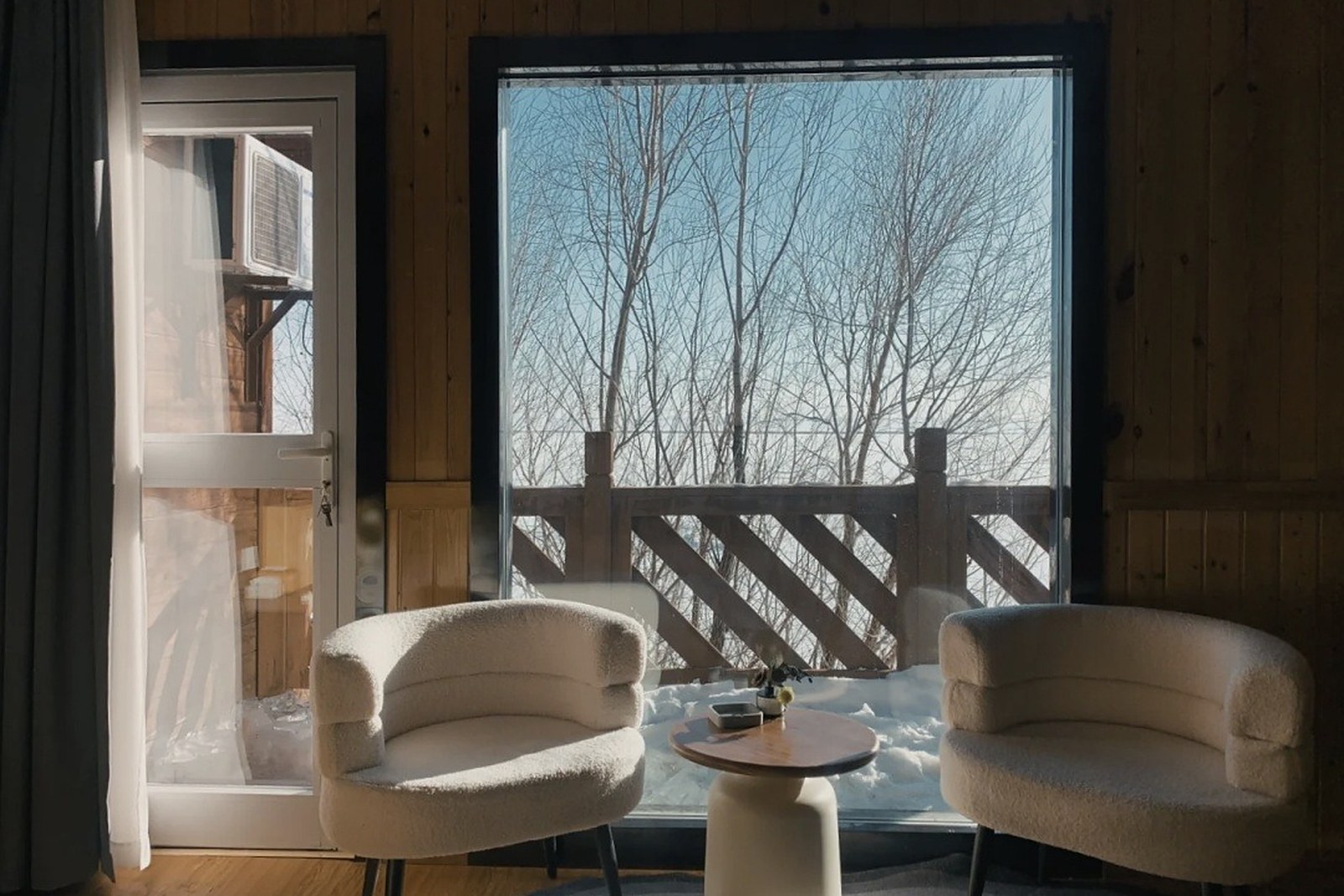
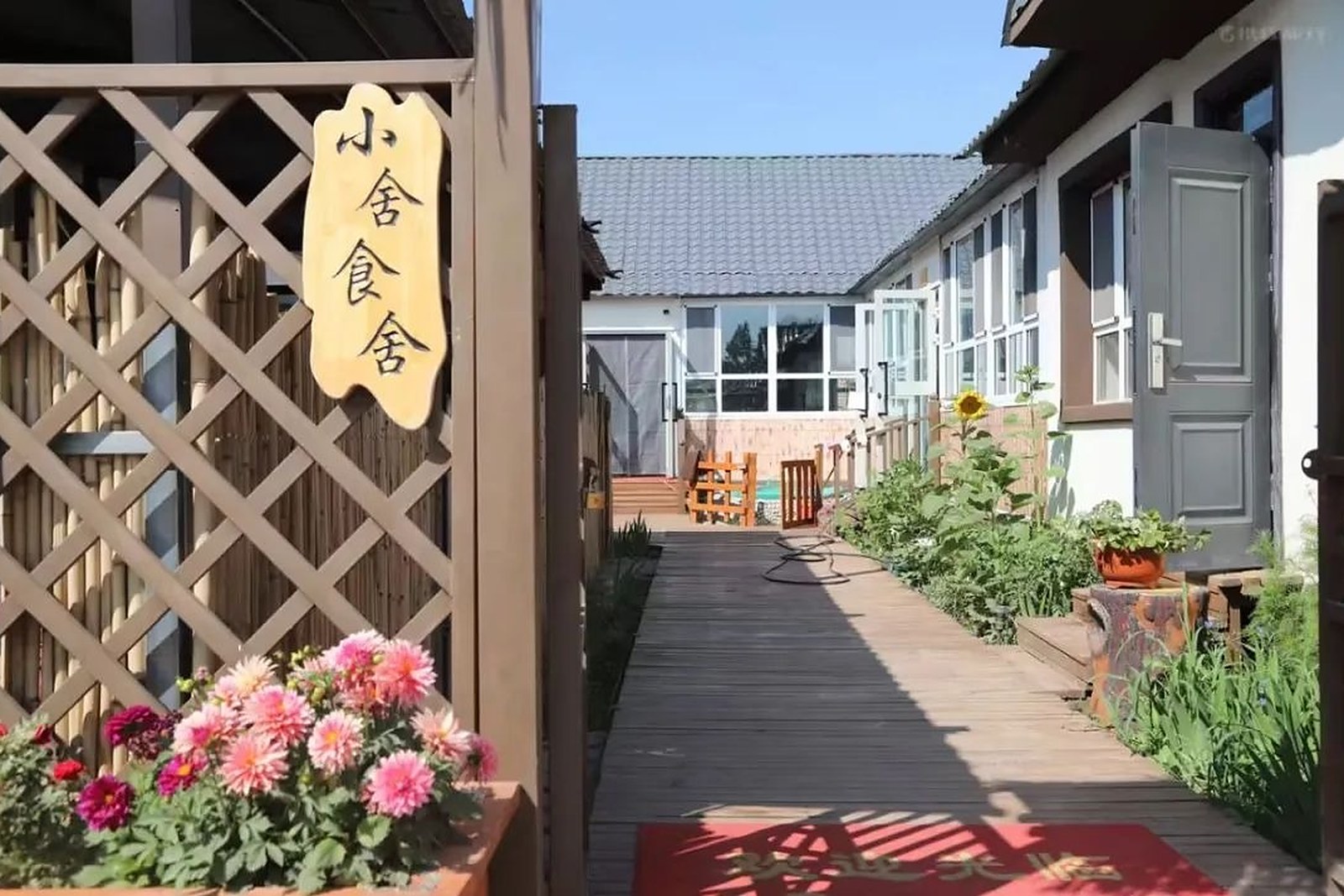
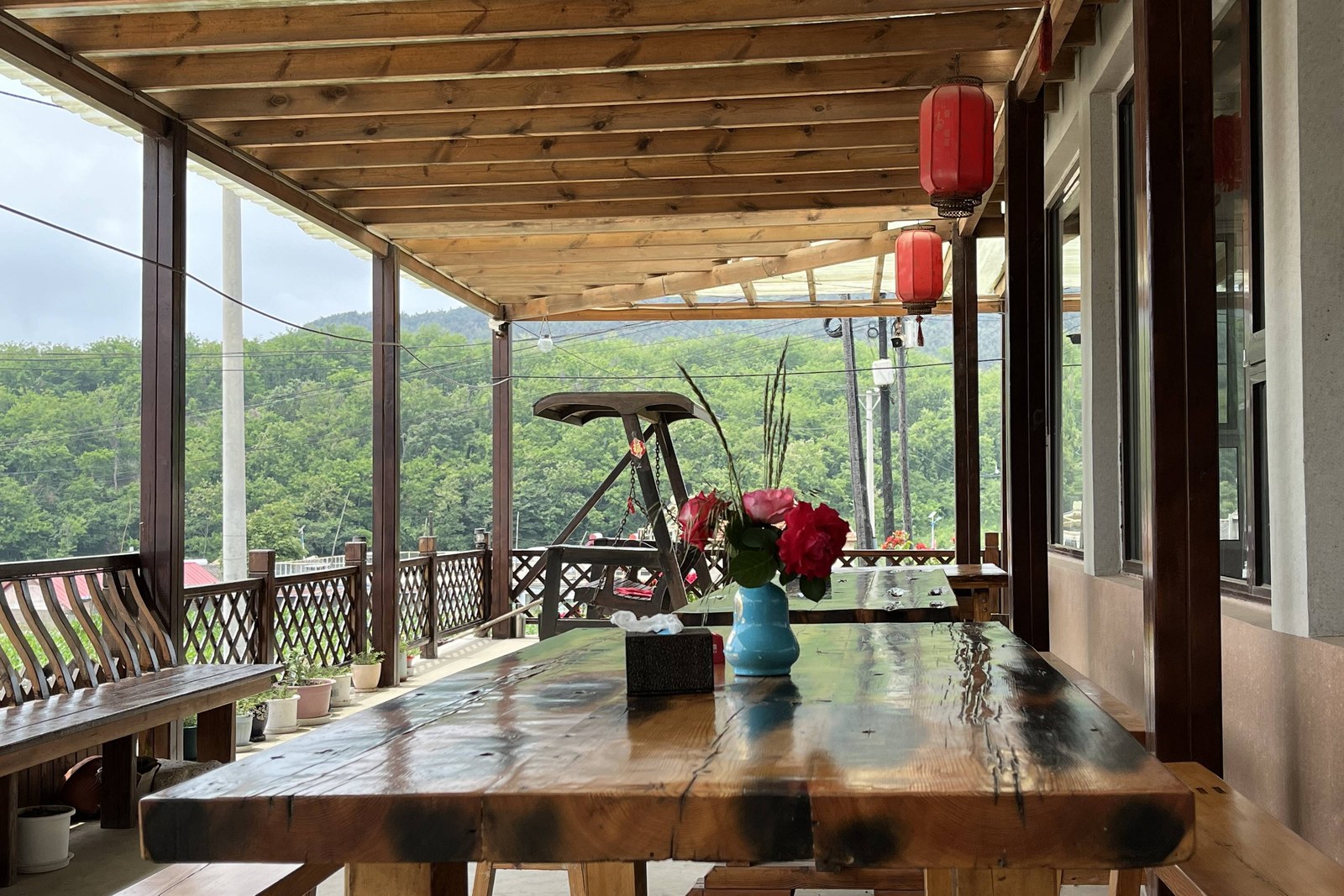
The courtyards keep the regiment’s building grammar with homely upgrades – brick-and-timber houses fronting paved yards, trellises and flowerbeds softening the straight lines, sheds full of the season’s equipment, and the shelter belts standing where the founding crews planted them. Rooms are simple and cool, beds dressed in farm-laundered quilts, and the yard does the entertaining: long tables under vine shade, a kettle never far, and evenings that end when the last melon is cut rather than when any clock says.
Days at a farmstay follow the fields. Guests who want to work can follow the picking; guests who want to rest get the yard’s shade and the dog’s inspection; and mealtimes arrive on the farm’s authority – breakfast after the morning round, lunch heavy enough to justify a trellis nap, dinner when the day’s heat finally lets go. The hosts narrate the farm the way museum guides narrate exhibits, except the exhibits change weekly and can be eaten.
Practicalities first: take the courtyard rooms under the trellis for the best shade, ask what the farm is picking for the freshest table, and confirm whether the family serves dinner – the farmstays that cook do it so well that eating out feels like a mistake. The lanes between farms are signed in the regiment’s own system, so let the host text you the gate; drives into the city run twenty to forty minutes depending on which farm hosts you.
The stay’s real export is proportion. A night on a regiment farm recalibrates the city’s scale – the planned grid visible as a cluster of lights beyond the dark fields, the irrigation ditches running on the schedule the founders cut, and the trellis overhead grown from cuttings someone’s grandmother carried in. The farmstays are not heritage exhibits; they are the heritage, still harvesting.
The Stays
The trellis courtyards suit long summer evenings and family tables; the working farms offer the picking-season experience and the freshest plates in the oasis, and every farmstay prices the night like a guest, not a tourist. Doors: the same 胡杨河市 Húyáng hé Shì Huyanghe City keeps downtown rooms for the evening square, wetland-side rooms for dawn birding, farm-town lodging by the Gobi Mother residence, and inn rooms at the poplar stands – four more doors into the same 胡杨河市 Húyáng hé Shì Huyanghe City. Once the farm base is set, our Huyanghe food map fills the day.
The Stays
flowcloud would say the regiment courtyard farmstays are the landfall’s after-party: the grid’s straight lines softened by trellis shade, melon patches on the honor system, and hosts who measure a visit in kettles served – the bingtuan story still being written, one courtyard at a time. All checked November 2026.
Where to stay: Take the courtyard rooms under the trellis for the best shade, ask what the farm is picking for the freshest table, and confirm hot water hours – the farm boilers run on schedule, not on demand. All checked November 2026.