
Ruoqiang County Stays: The Last Supply Station of the Old Loulan Land, Rested on Date Sweetness Before the Long Road
楼兰故地风沙远,枣香甜里梦亦安 Lóulán gù dì fēngshā yuǎn, zǎoxiāng tián lǐ mèng yì ān – Far winds cross the old Loulan land; jujube sweetness settles the dream
Ruoqiang County Ruòqiāng Xiàn is China’s largest county by area – more than two hundred thousand square kilometers holding the old Loulan city, the Altun Shan, and half of Lop Nur’s stories – yet the county town itself is a clean, quiet little oasis city. For travelers it is the last supply station toward 巴音郭楞蒙古自治州 Bāyīnguōléng Měnggǔ Zìzhìzhōu Bayingolin Mongol Autonomous Prefecture’s southeast: the long roads to the Altun Shan, Mangya, and Qiemo all start here, which makes lodging unusually concrete in its mission – sleep well, fuel full, spirit banked. That is the town’s entire hotel economy.
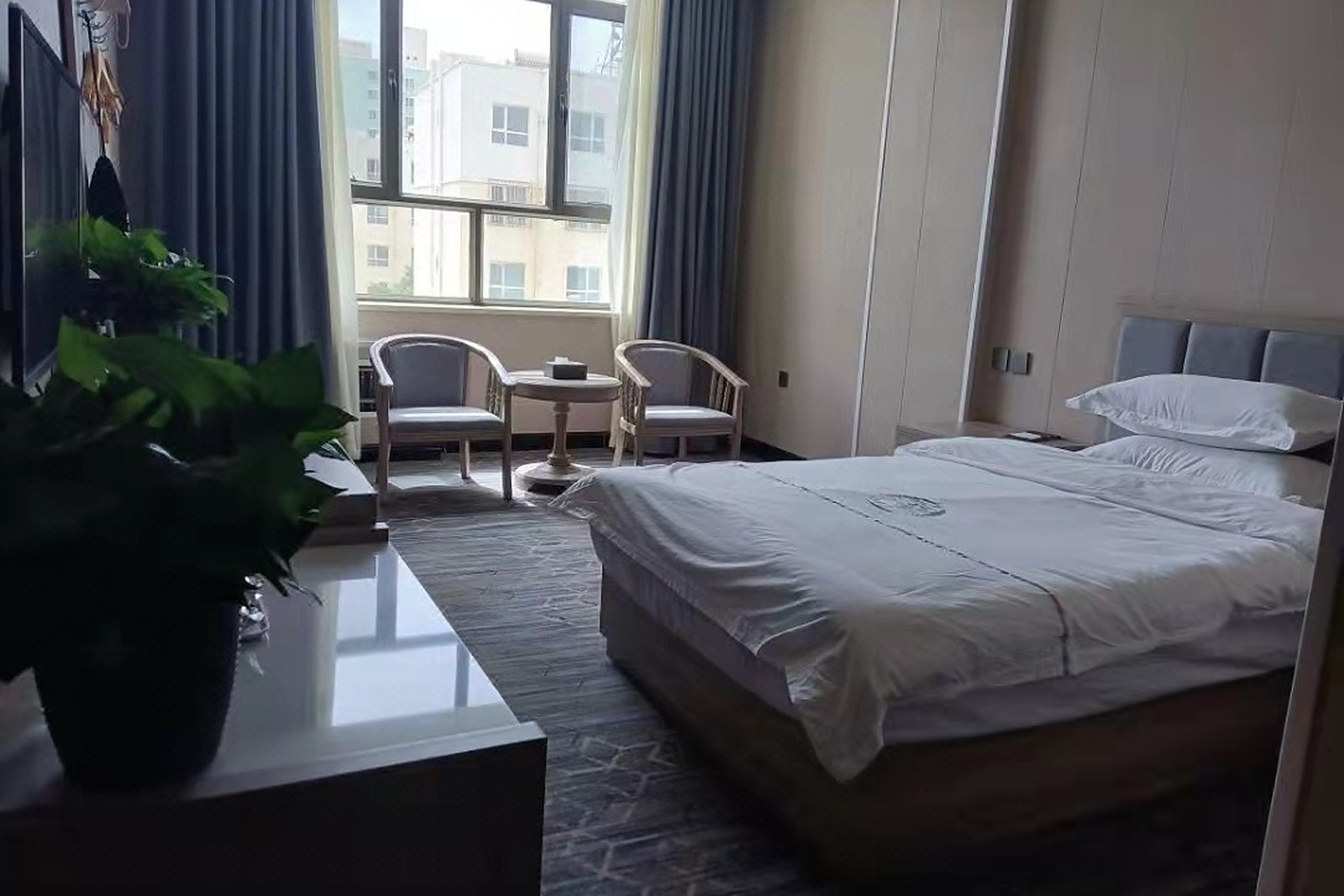
County hotels sit along a few central streets: the Loulan Museum, the date market, and the bus station all inside walking radius, so location barely requires thought. As the last stop before mountains and desert, Ruoqiang’s lodgings rank high for its class – around 200 yuan buys a clean, roomy twin with hot water and heating reliably on, and several newly renovated hotels add elevators and parking. Rooms tighten during the October date festival and permit-processing peaks; the rest of the time, walk in and sleep – a composure rare on a long-distance line.
Beyond the room itself, Ruoqiang hands you a complete resupply system: the town’s fuel stations queue by evening, so top the tank and check tire pressures before any Altun-bound leg; supermarkets stock dehydrated food, oxygen canisters, and glucose; repair shops here have seen every long-haul ailment, chassis rattles included. The guests’ tacit rule: sort the car out the night before and roll out of town straight after breakfast – never spend the morning on errands.
The Loulan Museum is the stay’s hidden dividend: entry on ID, and its Loulan artifacts and ancient-remains halls rank heavyweight for a county museum – two hours inside, and dinner conversation writes itself. Date season (from October) is when the town smells best: the market piles grey dates into hills, one taste confirms 「Ruoqiang grey jujube」 is no empty title – wrinkled-skinned, thick-fleshed, purely sweet – and a few kilograms shipped home beat any souvenir on the shelf.
The kitchens hold the line too: big-plate chicken, hand-pulled noodles, and rack meat all solid, plus date-inflected snacks found nowhere else. On long-drive nights eat light – a bowl of soup rice with a few dates is the local driver’s standard order. The town goes quiet early; by ten the streets are empty and sleep comes easy – the whole schedule here exists to serve tomorrow’s few hundred kilometers.
Permits for the Altun Shan national nature reserve and the Lop Nur direction must be arranged before departure – the reserve requires advance application, and sitting out one extra night in town for the paperwork beats gambling on the fence line every time. The hotel front desks know the routes and procedures far better than any visitor; ask generously and save hours of homework. Watch the sandstorm forecasts: dust days close the expressway and national road, and waiting one more night for clear weather is this route’s iron discipline among old drivers.
Ruoqiang’s lodging rhythm is, in the end, a safety rhythm: three hundred-plus kilometers from Korla, several hundred from Mangya – arrival fatigue is real, and driving at night through it is how lines like this go wrong. Treat the town’s hotels as the safety valve between long legs: eight full hours, morning milk tea and a handful of dates, and the crossing runs far and steady. The town is small; one night later you will remember its cleanliness and that trace of sweetness.
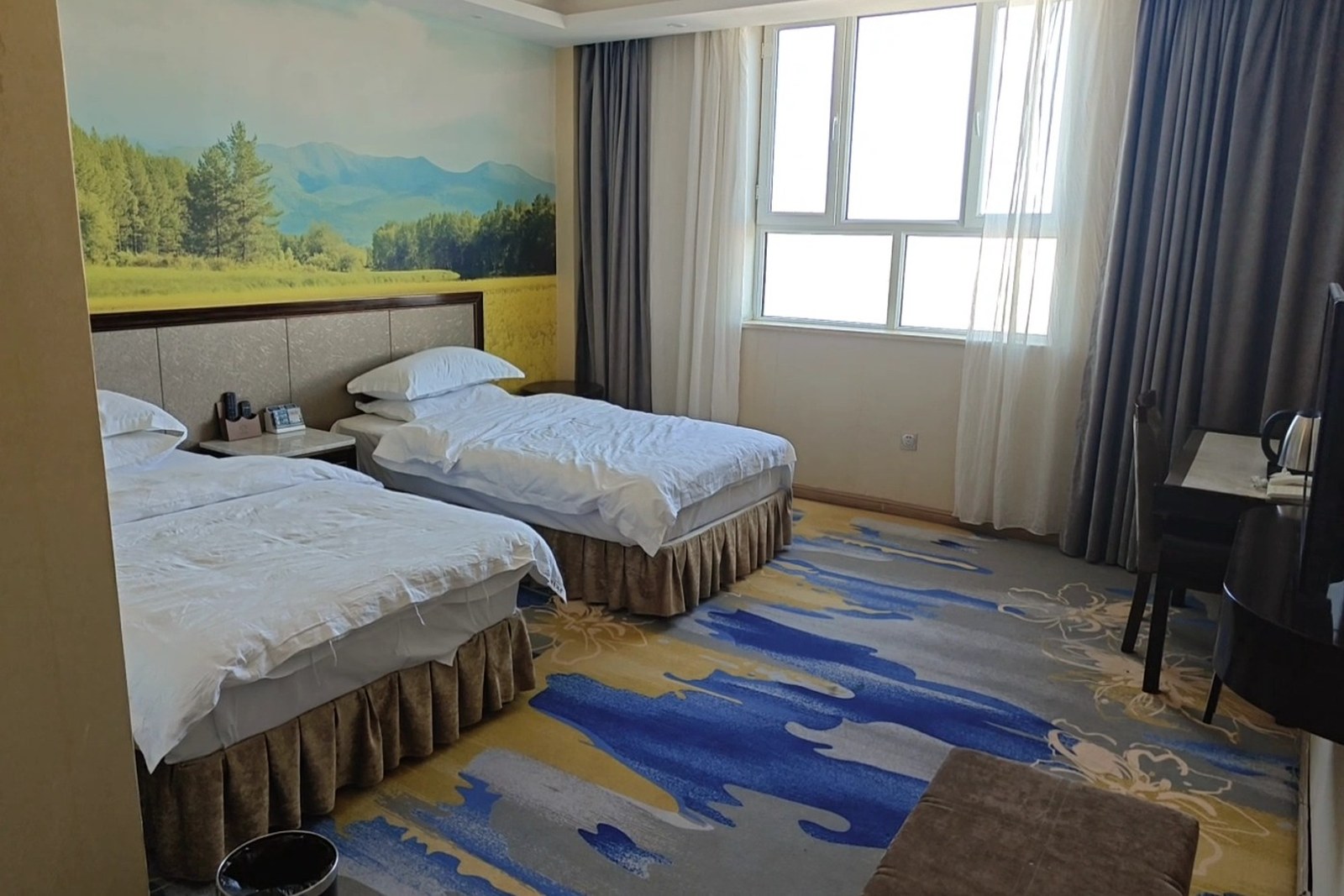
The Stays
Long-crossing drivers should treat the county hotels as the standard supply station – take a new central hotel with parking, fuel and paperwork done the first evening, and roll out at dawn; backpackers do better near the bus station, where schedules and shared-ride information gather.
Families or convoys bound for the Altun Shan or Lop Nur should bank one buffer night in town – vehicle, permits, and weather all confirmed before moving; that night’s room rate is the best-spent money on the whole line.
Whatever your category, book a few days ahead in date season – rooms near the museum and market go first; and load the car with water and rations before sleeping, for beyond Ruoqiang the supply points thin out and the town’s composure is not the road’s.
With the bags restocked, the same 巴音郭楞蒙古自治州 Bāyīnguōléng Měnggǔ Zìzhìzhōu Bayingolin Mongol Autonomous Prefecture holds other places to land: 库尔勒市区住宿 Kù’ěrlè shìqū zhùsù Korla city stays for the river nights, 博湖县住宿 Bóhú xiàn zhùsù Bohu county stays for the lakeside nights, 巴音布鲁克镇住宿 Bāyīnbùlǔkè zhèn zhùsù Bayanbulak town stays for the swan-lake dawns, and 尉犁县住宿 Yùlí xiàn zhùsù Yuli county stays for the desert edge – four more doors into the same 巴音郭楞蒙古自治州 Bāyīnguōléng Měnggǔ Zìzhìzhōu Bayingolin Mongol Autonomous Prefecture. With the bags restocked, our Bazhou travel map fills the days.
The Stays
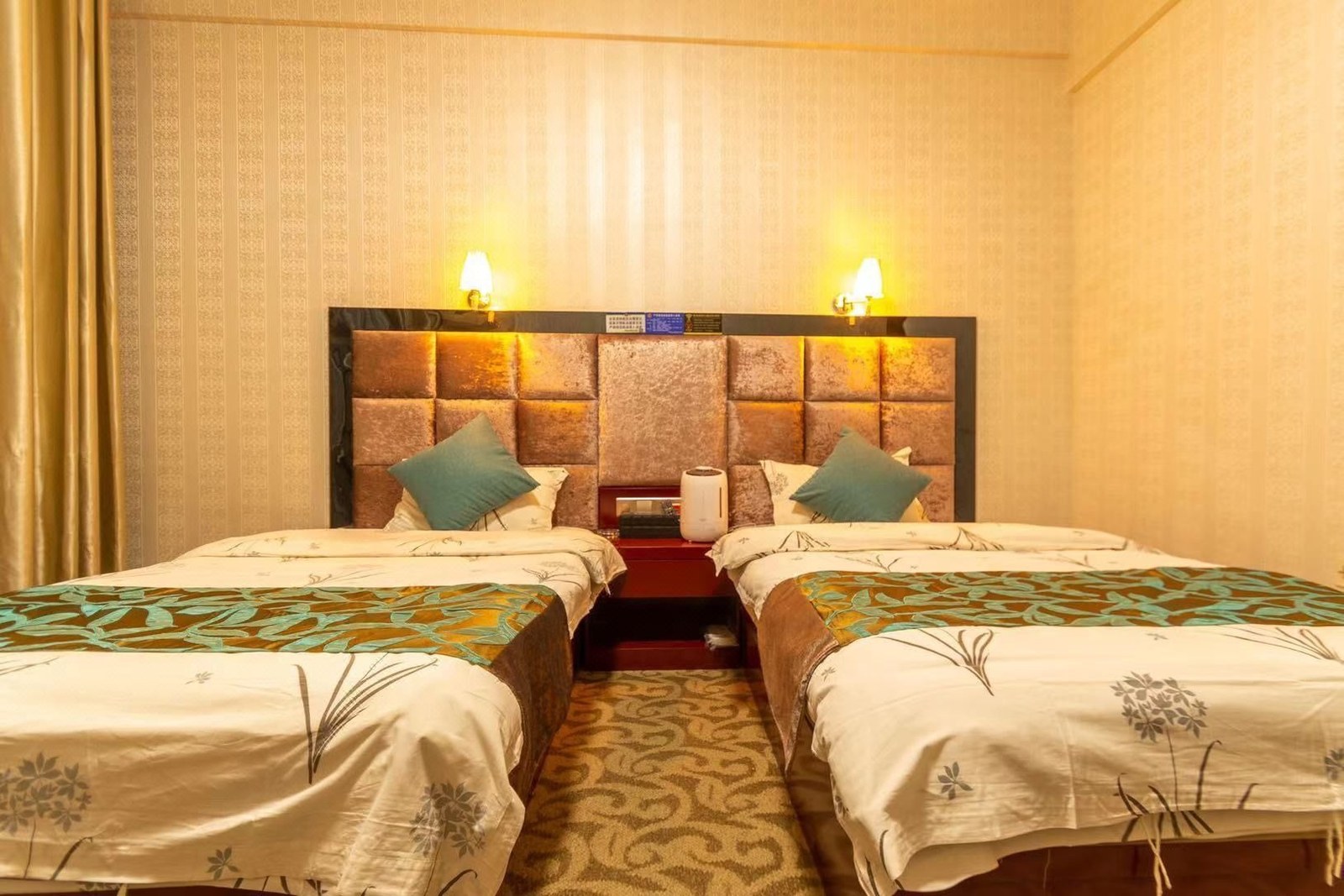
flowcloud would say Ruoqiang is the edge of the map with good pillows: jujube sweetness in the morning, museum horns at noon, and the whole Altun wilderness waiting past the last streetlight. All checked November 2026.
Where to stay: Treat the county town as the last full-service stop before the Altun routes, top up fuel and cash the evening before, and book museum-day mornings ahead in the jujube season – the good rooms go with the good light. All checked November 2026.