
乳源瑶族自治县 Rǔ yuán Yáo zú Zì zhì xiàn is the county in the north-west of 韶关市 Sháo guān shì where the ground starts going up into the 南岭 Nán lǐng, and the reason to take a room in it rather than drive back to the city is measured in kilometres. The lodge belt sits in 大桥镇 Dà qiáo zhèn, around the hamlet of 温汤 Wēn tāng – the name means hot soup, which is what a hot spring has been called here for a long time – and that is about thirty-five kilometres from the city government and thirty-eight from 韶关站, on the road that runs north towards the 南岭 National Forest Park. The 323 national road passes through the same hills, and the whole of the county is 瑶 Yáo country, the 过山瑶 guò shān Yáo – the Yao who crossed the mountains – whose villages, food and farm work are the other half of what a night here is for.
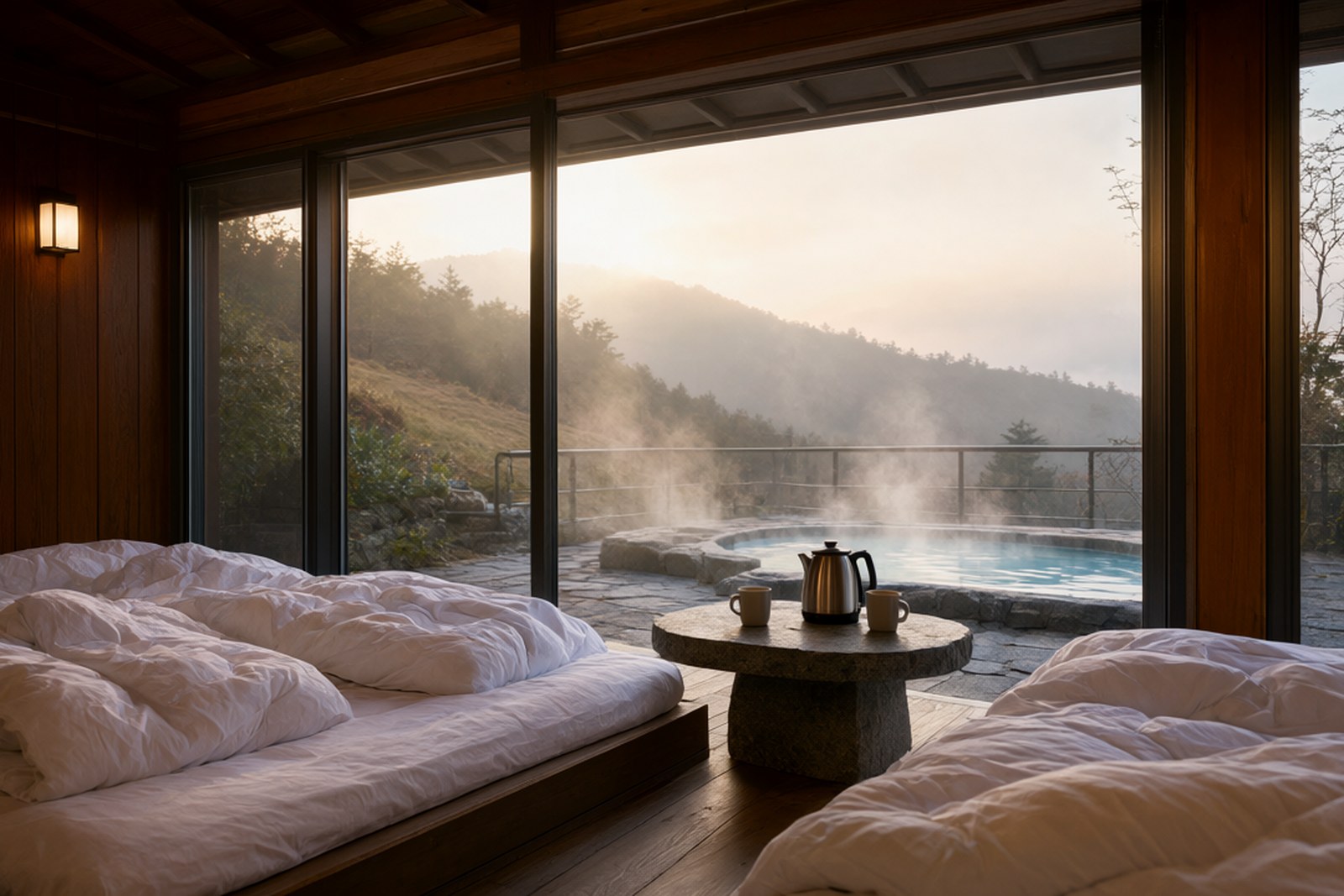
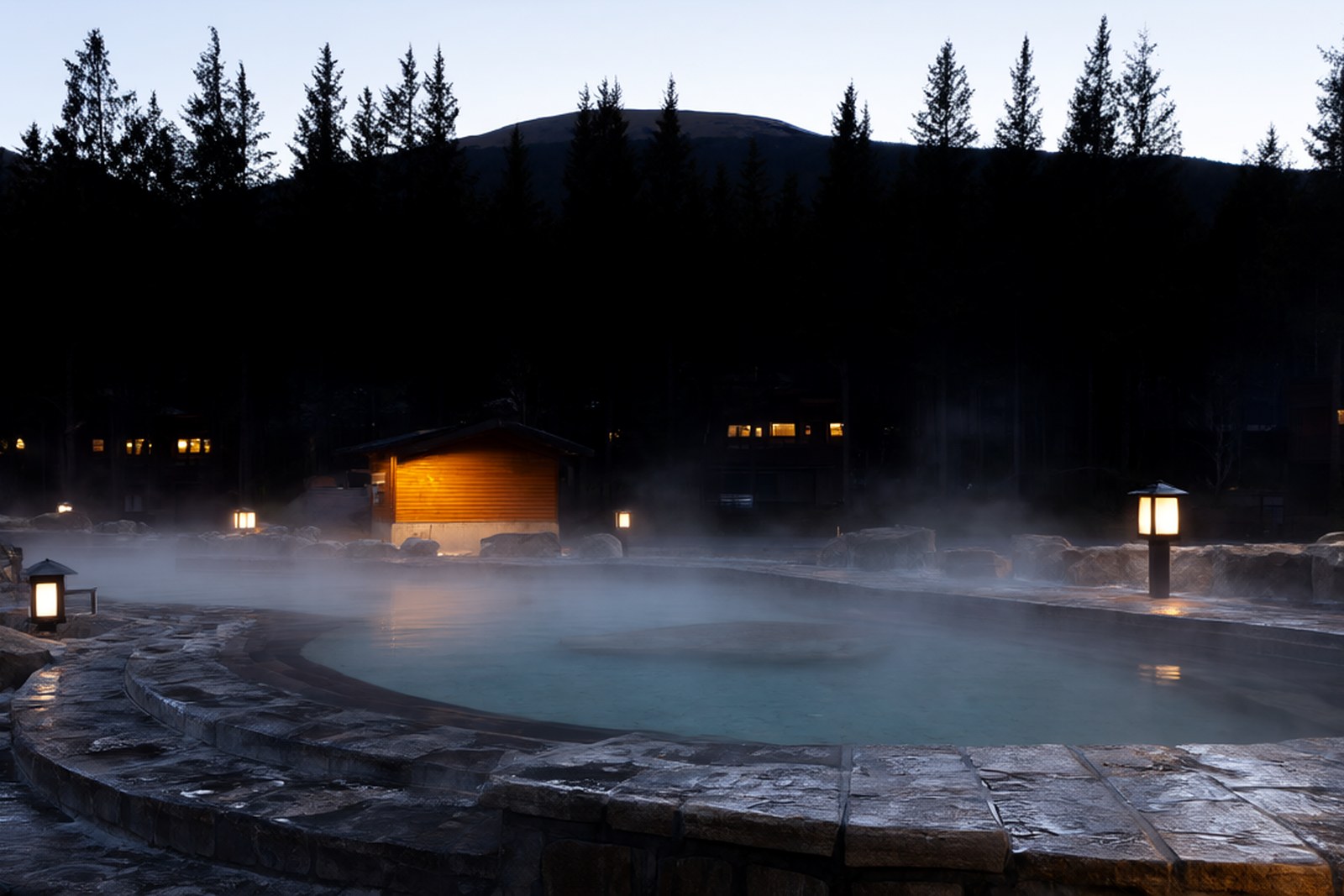
The springs are the headline and the sources name two properties inside this belt, which is worth putting down plainly because above the local guesthouse level there is no need to guess. 韶关乳源蓝山源岭南东方温泉酒店 is at 岩口村温汤 in 大桥镇, close to the forest park, with a pool complex, a spa, a water park, private spring rooms among the categories and a conference wing that seats five hundred; a second building under the same brand at 温汤 sits a step below it on price, and the sources put them at roughly ¥697 and ¥796 to start. 乳源丽宫国际温泉酒店 is the other one, at 侯公渡青岗 in 乳城镇, closer to the county town, with springs, a spa, a water park, a library and a tea room. Then there is the much plainer tier: 南岭小筑, two small independent houses rented out as guest rooms inside the forest park itself, which are described as cosy and small and which are the only beds actually within the trees. Rates across the county run from a few hundred yuan to around ¥800 a night for the five-star rooms, and the honest instruction is the same one that applies everywhere on this site – take the top figure as an example and not a quotation, and check the live rate.
The mountain the springs sit under is the part of the county that people underestimate. The forest park covers 273 square kilometres across the junction of two provinces and four counties – 乳源, 阳山 and 乐昌 on this side, 宜章 on the 湖南 Hú nán side – and holds the largest and most complete piece of primary forest left in 广东, more than two thousand plant species, more than two hundred vertebrates, eighty-two protected species on the national lists, and the reputation of being the last refuge of the South China tiger. It calls itself the province’s treasure house of species and the figures for the air are the ones that get quoted: a negative-ion count of a hundred thousand per cubic centimetre in the waterfall valley and a hundred and seventy thousand at the 飞流瀑 fēi liú pù cascade, which is said to be the highest reading in the province. The falls themselves run in a corridor about two kilometres long with close to a hundred cascades stepping down a drop of nearly five hundred metres, and they are named one by one – 千米瀑, 孔雀瀑, 飞流瀑, 惊心瀑, 虎口瀑, 清心瀑, 音韵瀑, 双飞瀑 – which tells you the county expects people to walk from one to the next.
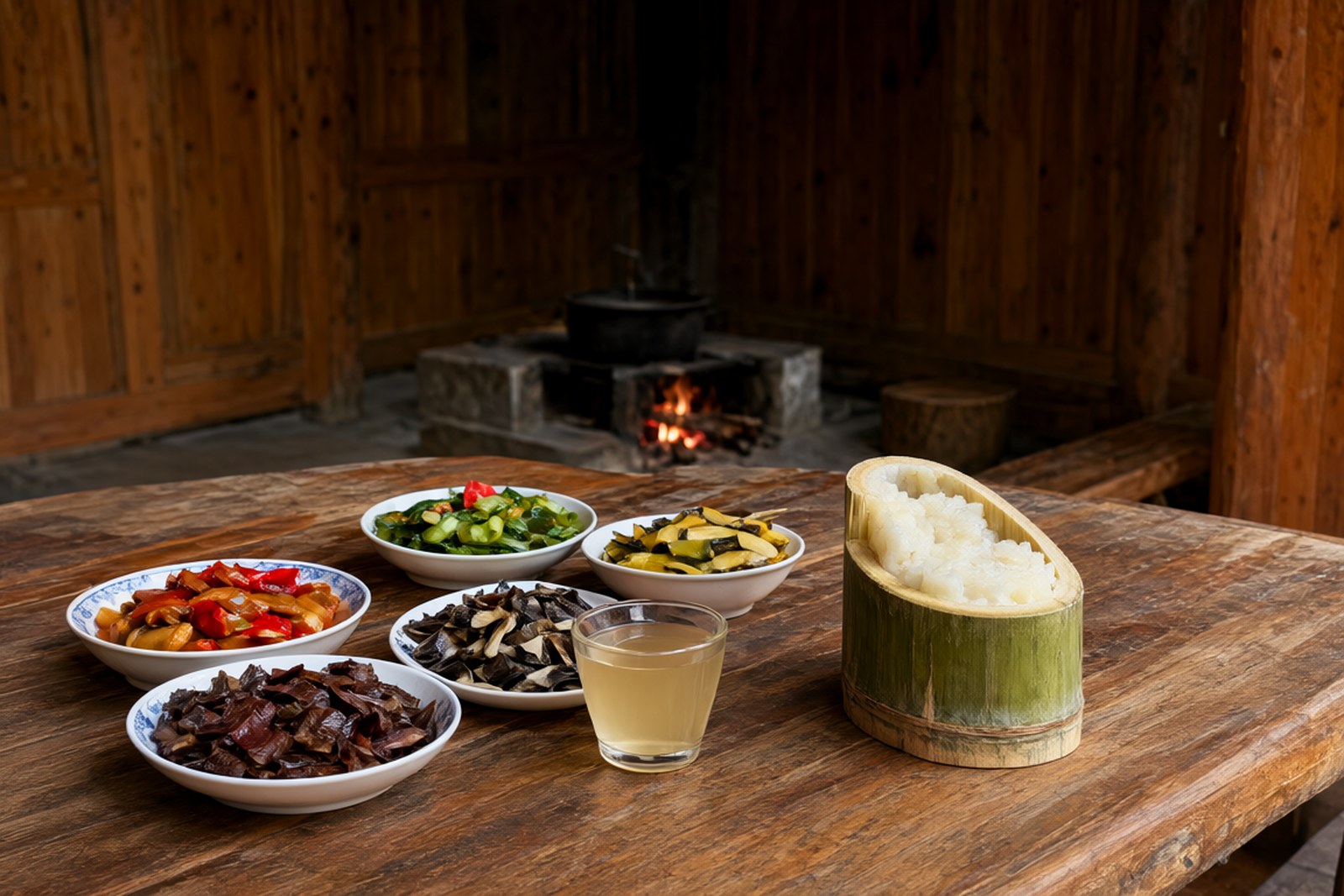
There are three more pieces of ground inside a morning’s drive and each of them is its own reason to stay another night. The 广东大峡谷 Guǎng dōng dà xiá gǔ, the province’s own grand canyon, is a rift in the plateau at 大布镇 about sixty-eight kilometres south-west of the county town – a fifteen-kilometre crack in the rock with a waterfall on its floor, a formed line of descent down a stair said to run to 1,386 steps at a gradient of fifty degrees, and an entry price that varies by channel between about forty and fifty-five yuan. It has its own article in the travel column and it is a half day rather than an afternoon. 云门山 Yún mén shān is about forty kilometres the other way and pairs with the canyon into a two-day loop. And the 石坑崆 Shí kēng kōng summit, at 1,902 metres the highest point in 广东 and the one the county calls the roof of the province, is a separate climb with a shuttle to the top at eighty yuan return, snow in some winters, wild azaleas in spring and a cloud sea in the hours after dawn. A lodge here is the base for all of it; a day visitor from the city does one of them and drives home tired. The Yao half of the county is the part that turns a spa weekend into something else, and it is worth asking for rather than expecting. The 过山瑶 villages cook a 长桌宴 cháng zhuō yàn, the long-table dinner, at which the dishes arrive as a set of 十八酿 shí bā niàng, eighteen things stuffed and steamed or braised, and the table is laid in one line rather than round. The food is mountain food: 土猪 tǔ zhū pork from the villages, cured 腊味 là wèi hanging under the eaves, small fish out of the streams, 竹筒饭 zhú tǒng fàn steamed in bamboo, 大苋焖豆腐 dà xiàn mèn dòu fu, bitter greens braised with bean curd, and hand-made ginger sweets. And there is a drink worth knowing about before it is put in front of you: 苦爽酒 kǔ shuǎng jiǔ, brewed from glutinous rice with ordinary rice in a two-stage fermentation, which arrives tasting bitter and then turns sweet and clean, and which is what the 瑶 pour for a guest. The smoke-cured pork of the 过山瑶 is a food-column entry of its own and appears in this batch; up here it is what is on the plate.
What the Rooms Are Like
This is resort stock rather than guesthouse stock, and it varies more by building than by brand. The five-star properties run the full set – rooms at thirty-five to fifty square metres with a hard mattress, a seating corner, a bathroom in stone or tile with a separate shower, a kettle or a water boiler, a safe, slippers and a bathrobe – and their best categories are the ones to ask for by name: a 温泉房 wēn quán fáng, a room with its own spring pool on a private terrace, or a room facing the valley rather than the car park. Some sell a 亲子 qīn zǐ family room with a second bed platform or a bunk, and some sell access to the pool complex rather than a private bath, so it is worth knowing which one your rate includes. 南岭小筑 inside the forest park is the opposite end: two small houses, small rooms, a warm and slightly old-fashioned finish, and nothing at all between you and the trees. Whichever you take, bring a layer for the evening even in summer, because the county averages about 21.5°C over the year and the nights at this altitude are five to eight degrees cooler than the 珠三角 Zhū sān jiǎo the day you left it.
Practicalities
Price. A room in a 乳源 Rǔ yuán lodge runs about ¥400 to ¥900 a night, with the two five-star properties at 温汤 and 青岗 starting around ¥697 and ¥796 and going up through the private-spring and family categories, the plainer hotels and guesthouses in the county town lower, and 南岭小筑 inside the forest park in a band of its own somewhere between. Weekend rates, the 五一 wǔ yī and 国庆 guó qìng holidays and the winter months when the springs are at their best are all peak, and the springs are usually included in a lodge rate but sold separately to day visitors. Treat every number as a range and check the live rate.
Address. The lodge belt is at 大桥镇 Dà qiáo zhèn in 乳源瑶族自治县 Rǔ yuán Yáo zú Zì zhì xiàn, around the hamlet of 温汤 Wēn tāng on the road up to the 南岭 National Forest Park, with 韶关乳源蓝山源岭南东方温泉酒店 at 岩口村温汤 and the smaller building of the same brand nearby; 乳源丽宫国际温泉酒店 is at 侯公渡青岗 in 乳城镇 Rǔ chéng zhèn, closer to the county town; 南岭小筑 is inside the forest park; 必背瑶寨 Bì bèi Yáo zhài is fifty-four kilometres north-east of the county town and the 广东大峡谷 Guǎng dōng dà xiá gǔ is sixty-eight kilometres south-west at 大布镇 Dà bù zhèn.
Rooms. Ask whether the rate includes the springs or only the room, ask whether the pool complex or a private bath is the thing you have bought, and ask for a room on the valley side rather than the car park. Ask whether the property runs a shuttle to the forest park gate and to 石坑崆, because the distances here are real and a taxi is not easy to find at the top of the county. Ask about the water temperature and opening hours of the pools on the day you arrive, since they are drained and cleaned in the mornings and the schedule changes with the season. If you want the long-table dinner or a session in a Yao house, book it when you book the room, because it is arranged and not sold at the door.
Getting there. By road the county is about an hour and a half from 韶关市 Sháo guān shì; from 广州 Guǎng zhōu or 佛山 Fó shān the drive is the 京珠 Jīng zhū expressway to the county town and then county road 327, roughly three hours, with a free car park at the park gate and a lot of bends on the last stretch. The park itself opens at 08:00 and closes at 17:30 with last entry at 17:00, and 石坑崆 keeps earlier hours from 04:30 for the sunrise. By public transport there are eight daily buses from the 韶关西河 Sháo guān xī hé bus station to the 乳源客运站, and two a day from there to 大布镇 at 09:30 and 15:00, which is the honest reason most people arrive by car.
Where to stay: a valley-facing room at one of the lodges in the 温汤 Wēn tāng belt at 大桥镇 in 乳源瑶族自治县, or inside the forest park itself at 南岭小筑 if you would rather hear the trees than the pool. Take the springs after dark, walk the waterfall corridor in the morning, keep a day for the 广东大峡谷 or 石坑崆, and say yes to the long table if a Yao house offers one.
flowcloud would say that the province keeps its highest ground and its coldest nights in the same county, that a hundred and ninety thousand negative ions per cubic centimetre is a ridiculous thing to advertise and a very good thing to breathe, and that the correct response to a hot spring under a 1,900-metre mountain is to stay until the last pool closes.