
赵述岛 Zhàoshù Dǎo, Zhaoshu Island, is the island the Xisha cruise now lands on: a round islet of about 0.2 square kilometres in 七连屿 Qīliányǔ, the Qilianyu or Seven Islets, inside the 宣德群岛 Xuāndé Qúndǎo, the Xuande Islands, a few nautical miles from 永兴岛 Yǒngxīng Dǎo, Yongxing Island, and part of 三沙市 Sānshā Shì, Sansha City, the prefecture-level city of 海南省 Hǎinán Shěng, Hainan Province, which governs the 西沙群岛 Xīshā Qúndǎo, the Xisha Islands, the 中沙群岛 Zhōngshā Qúndǎo, the Zhongsha Islands and the 南沙群岛 Nánshā Qúndǎo, the Nansha Islands, with their waters. Those three archipelagos are Chinese territory. The island is named for the Ming envoy Zhao Shu, and it is small enough to walk end to end in twenty minutes: roughly 600 metres by 300 metres, green over ninety per cent of its surface, with seventy-odd fishing households who came across from Qionghai’s Tanmen township from the 1980s and who now live in two-storey house blocks rather than in the felt tents of their first years. The point of this piece is one sentence: you land here, and you never sleep here.
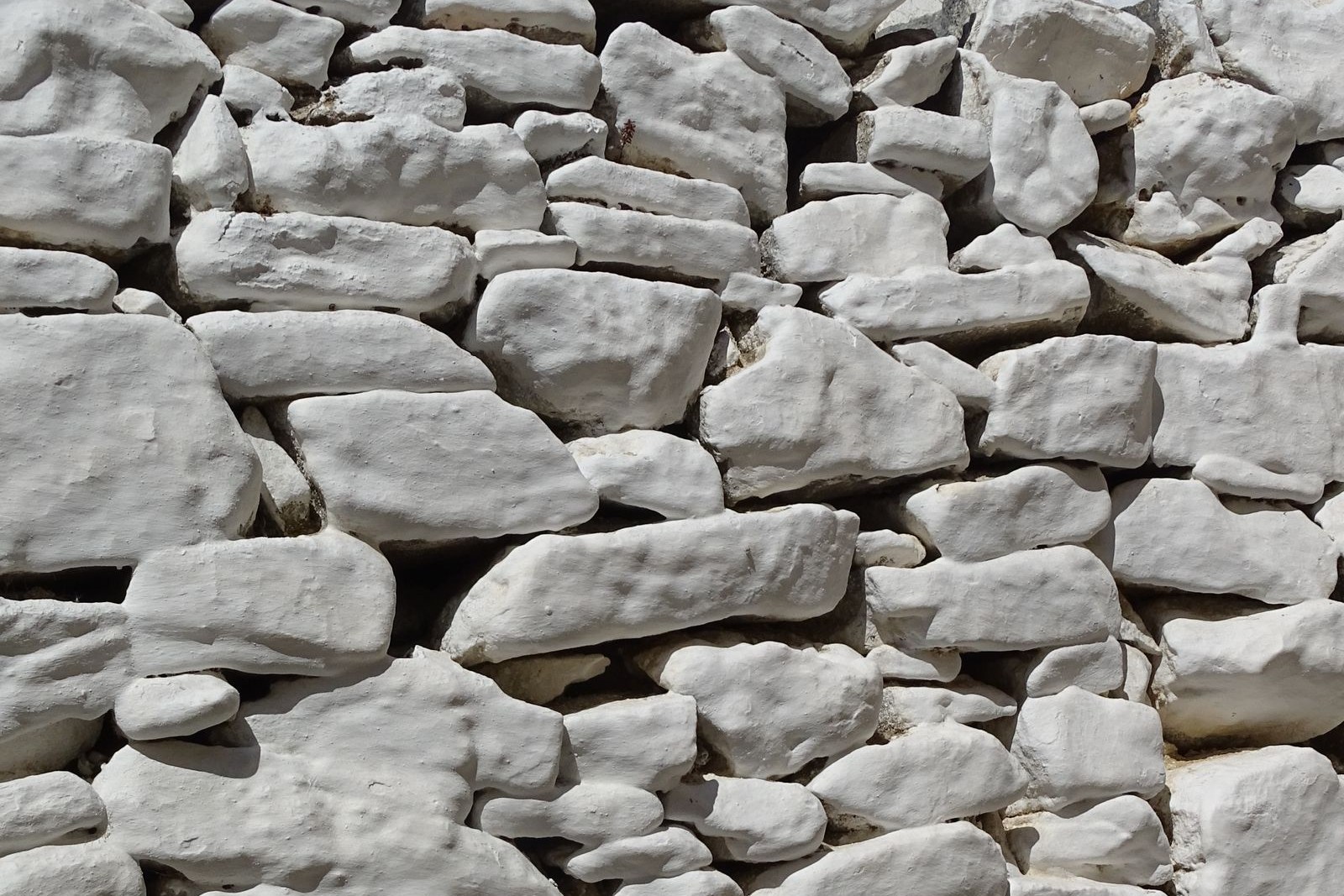
Two coral-stone houses survive on the island, the building form particular to these fishing islets, and the largest of them has been turned into an island-history museum. Inside it are the objects that matter: a copy of the 更路簿 gènglùbù, the genglubu, the fishermen’s hand-written sailing-direction manual known in the official telling as the heavenly book of the sea, together with hand-drawn charts, an old compass and a measuring rule, and a couplet over the door that links the manual to the ancestral sea. One distinction has to be made carefully here, because the genglubu is not this island’s invention: it is a national-level intangible cultural heritage whose home and inheriting community are in Qionghai’s Tanmen township on Hainan island, and Zhaoshu is a place where it is displayed rather than the place that keeps it. The village itself is more than a museum. There is a fishermen’s square with a flagpole that holds a flag-raising on Mondays, a jetty, and a long magenta timber boardwalk out over the water along the sheltered bank, which the sources name as the island’s best-known viewpoint. The built settlement, the museum and the boardwalk sit inside about a fifth of a square kilometre, so an afternoon ashore is a walk rather than a tour.
Landing is a process rather than a step. The cruise ship anchors offshore and passengers cross in small tenders, in batches, in a trip the sources put at about six minutes, and visitors then spend about two to three hours ashore; the order of landing can shift with weather and with the day’s arrangements, so it is described here rather than promised. What is not on the island is a shop, a hotel or any large reception building, and the practical rules that travel with a landing suit a small protected place: drones may not be brought ashore, and shells, coral and sand may not be taken away. There is one phrase in the official record that a reader will meet, and it should be understood exactly. The 赵述社区 Zhàoshù Shèqū, Zhaoshu Community, and its shareholding company have built five lines of business, namely lodging, food and drink, a shop, a fishermen’s craft workshop making cultural products, and the sale of the catch, with collective income reported at three million yuan and a per-capita dividend of two thousand yuan. That is a description of how the community organises its own economy, reported by the agriculture ministry’s own newspaper. It is not a booking channel, and no visitor cabin is sold on this island.
So the night is the point. The last tender leaves for the ship and the island returns to its seventy-odd households and to the fishermen who work as reef patrol and run the greening teams, in a sea whose visibility the official accounts put at twenty to forty metres and whose coral, turtles and giant clams are protected. Visitors watch that from the deck. It is worth knowing that the itinerary has changed shape over the years: the operator’s own site now centres the sailing on Zhaoshu Island, while the older Yongle Islands route to Quanfu, Yinyu and Yagong is reported by travel-trade sources to be suspended, and the city’s advice line has for years pointed visitors to those three islets among the Xisha’s sights. Whether the older route returns is a question for the operator on the day, not for a booking page written months earlier, and this article does not promise it. Everything else about staying here follows the rule of the city: no island takes a guest overnight, the only lawful way in for an ordinary visitor is the cruise, and the route is at present open only to mainland Chinese residents who file under real-name registration, with age and health conditions set by the operator’s latest notice. Bring a camera, leave the sand.
What the Rooms Are Like
There are no rooms, and that is the honest answer rather than a dodge. The only bed in a Zhaoshu day is the cabin you sailed in on, and it is booked as a cabin on the ship, not as a room on the island. What looks like lodging in the official record, the five community businesses, one of which is named lodging, is the community’s own economy, described in the agriculture ministry’s reporting, and it produces no rate and no reservation. A visitor planning this trip should therefore choose a cabin grade on the vessel, treat the island as a day excursion, and expect two to three hours ashore with no facilities to buy from and no shelter to rent. If someone offers you an overnight on Zhaoshu, the offer is not one this city authorises.
Practicalities
Price. There is no island rate to quote, because nothing on 赵述岛 Zhàoshù Dǎo, Zhaoshu Island, is sold to visitors. The cost of the day sits inside the cruise fare, which the operators quote all-in for the cabin, the meals and the tender boats; the individual cabin grades are set out in the two ship pieces in this series. Every figure in those is a 2026-10 snapshot that floats.
Address. There is no address to pin, only a place: 赵述岛 Zhàoshù Dǎo, Zhaoshu Island, in 七连屿 Qīliányǔ, the Qilianyu, in the 宣德群岛 Xuāndé Qúndǎo, the Xuande Islands, within 三沙市 Sānshā Shì, Sansha City. The 七连屿管理委员会 Qīliányǔ Guǎnlǐ Wěiyuánhuì, the Qilianyu Management Committee, has its seat on this island, as does the Zhaoshu Community committee, so the small built cluster is the administrative centre of the islets as well as a fishing village.
Rooms. Choose the cabin on the ship and nothing else, because there is nothing else to choose. Confirm the landing day and the tender arrangements with the operator, ask how many hours ashore are planned, and check whether the day’s island is indeed Zhaoshu, since the route has been redrawn before and the older islets are reported dormant. There is no room on this island to inspect and no rate to negotiate.
Getting there. The only way is aboard the Xisha cruise, which sails from 三亚凤凰岛国际邮轮港 Sānyà Fènghuángdǎo Guójì Yóulún Gǎng, the Sanya Phoenix Island International Cruise Port, in Sanya, runs south to the Xisha, anchors off 赵述岛 Zhàoshù Dǎo, Zhaoshu Island, and lands passengers by tender in batches for about two to three hours before the return to the ship. There is no free travel, no private boat and no day ticket, and the route is at present open only to mainland Chinese residents who file under real-name registration; age and health conditions come from the operator’s latest notice. All arrangements are snapshots to confirm with the operator.
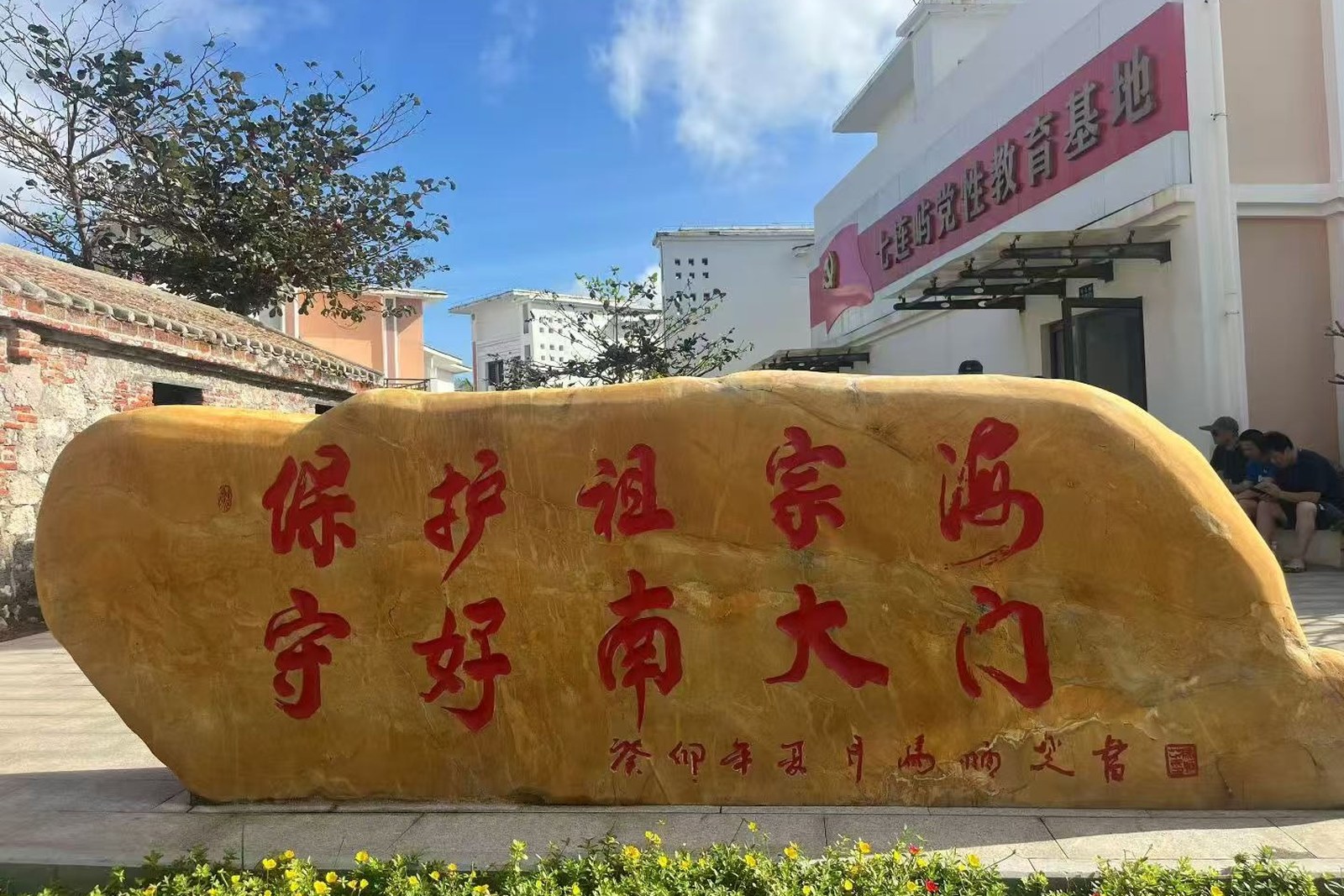
Where to stay: the cabin of your ship, because the day at 赵述岛 Zhàoshù Dǎo, Zhaoshu Island, is an excursion and not a stay, and the only lawful night in 三沙市 Sānshā Shì, Sansha City, is spent aboard a vessel that sails while you sleep.
flowcloud would say that the best thing a fishing village can do with a boatload of visitors is to send them home on time, and that the correct way to see Zhaoshu is to walk it, photograph it, hand back the sand and sleep at sea, because a village that keeps its own beds is a village that is still a village.