
Sleeping in Yarkand: Desert-Edge Beds in the Old Kingdom’s Capital
叶尔羌故都,夜市灯火长 Yè’ěrqqiāng gùdū, yèshì dēnghuǒ cháng – The old Yarkand capital; the night market’s lights run long
正文:莎车住宿 Shāchē Zhùsù Shache stays put you in Yarkand – the old kingdom’s capital on the desert’s edge, 190 kilometres southeast of 喀什地区 Kāshí Dìqū Kashgar Prefecture’s centre and the essential overnight on the road to Khotan. The town is bigger and livelier than its county status suggests: a proper hotel belt around the old town, business chains on the avenues, and enough night-market energy to make the evening half of any stay. Travellers who planned a fuel-and-sleep stop routinely extend a day.
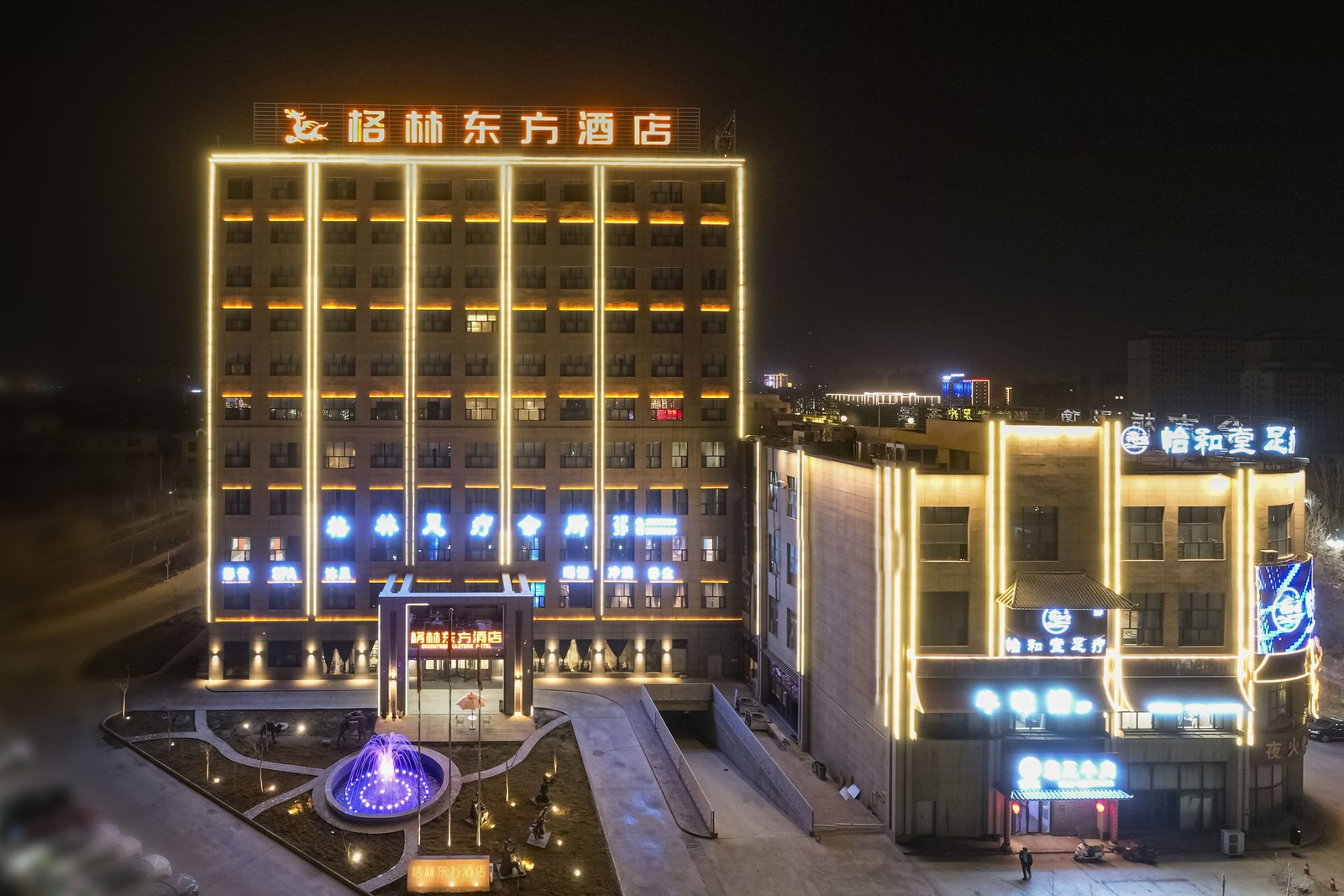
The anchor sights sit within walking distance of most beds: the Amannisa Khan memorial honoring the great compiler of the Twelve Muqam, the old town’s restored lanes, and the grand mosque complex that anchors the market quarter. The hotel belt splits between the old-town side – walkable to the night market, the memorial and the bazaar’s fruit aisles – and the highway side, where the bigger new builds trade location for parking and meeting rooms. The old-town side wins for visitors; the highway side serves the truck trade and early departures south.
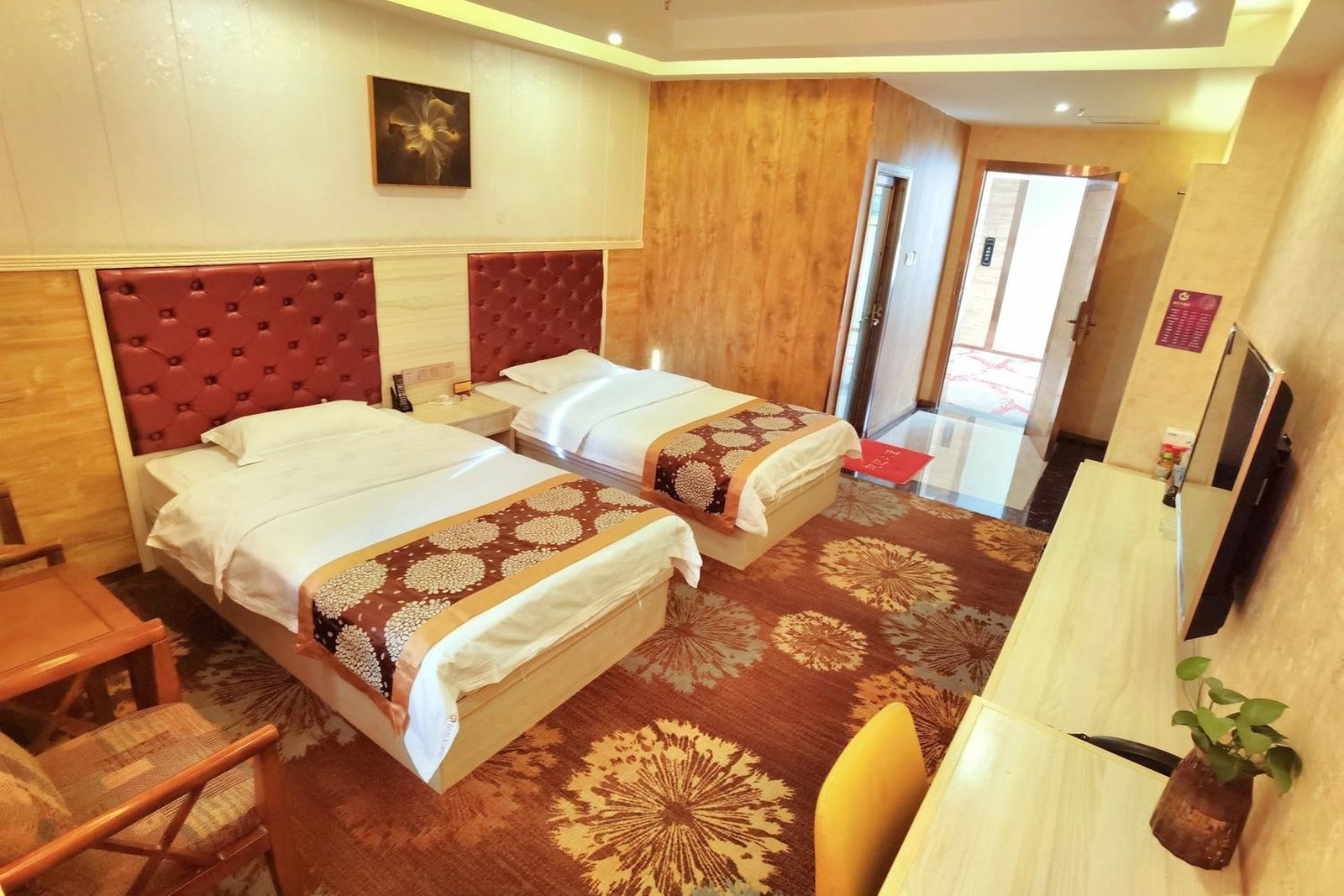
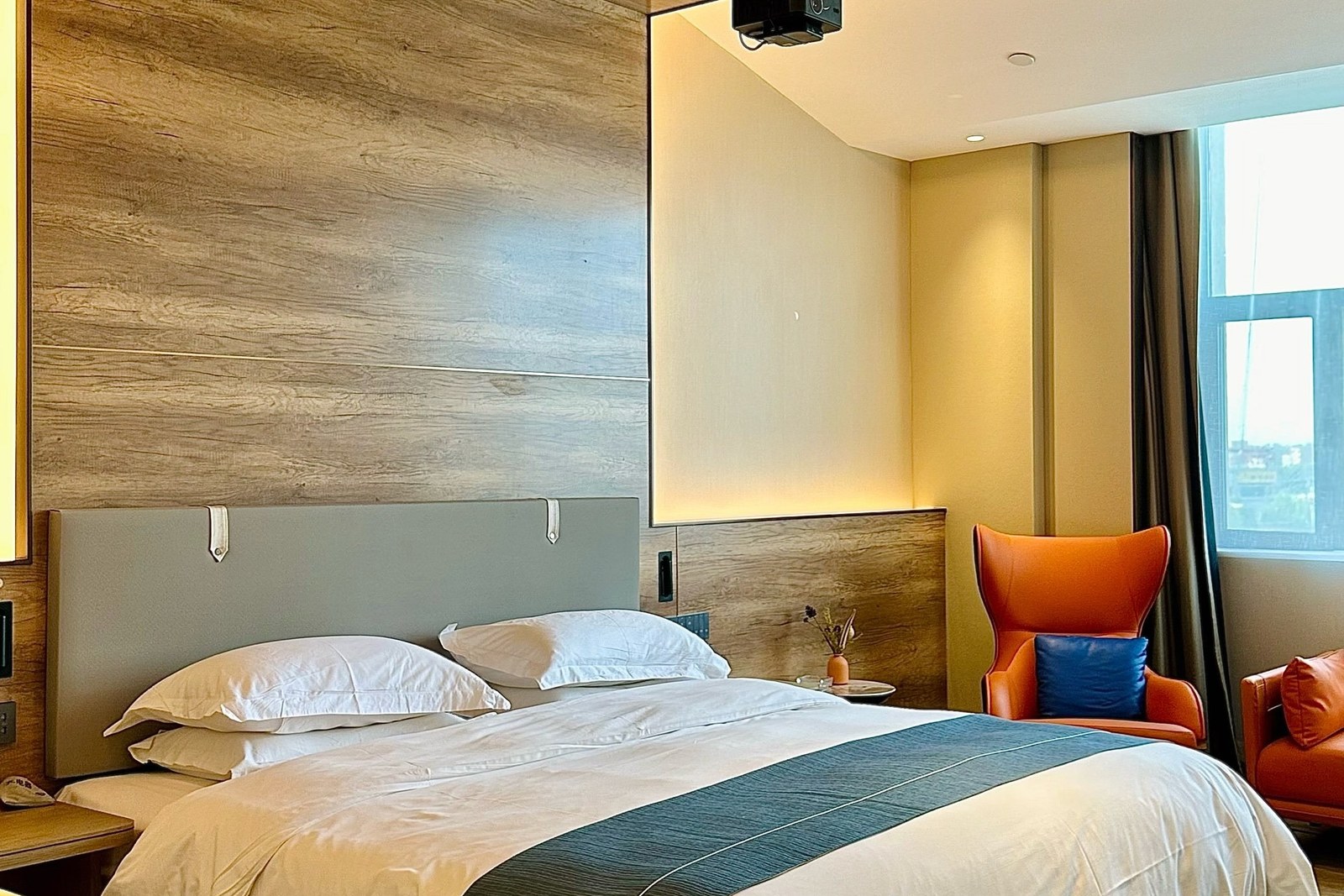
Rooms run from budget squares to genuinely good mid-market hotels, with the usual Xinjiang formula: firm beds, strong heating, hot water on demand. The old-town hotels’ upper floors look over the roofs toward the memorial’s dome, and the night market’s skewer smoke drifts up as far as the third floor – regulars call it the town’s complimentary room service. Prices undercut Kashgar’s across the board, and the pomegranate-season weekends are the only nights that need booking ahead.
The Stays
The evening is the reason to stay rather than pass through. The night market assembles at dusk with kebabs, the Yarkand-style pilaf that locals defend as the province’s best, roast fish from the reservoir ponds, and the pomegranate juice pressed at the entrance – sweeter here, the vendors insist, because the orchards are next door. The old town’s lanes stay lit and strolled, the teahouses run late, and the memorial square fills with the dance troupes that rehearse in public. Beds near the old town put all of it within a stroll; book that side and skip the car after dark.
Morning logistics favour the highway-side hotels: fuel, tyres, and the breakfast that carries you to Khotan. The old-town side answers with the morning market instead – fruit by the crate, naan by the metre, and the walnut and dried-fruit stalls that load departing cars. Drivers split the difference: park at the hotel, walk the evening, shop the morning, and take the desert-edge road south with a cooler box the family packed.
Beds settled, the same 喀什地区 Kāshí Dìqū Kashgar Prefecture holds other bases: 古城民宿 Gǔchéng Mínsù old-town guesthouses back in Kashgar, 喀什市区住宿 Kāshí Shìqū Zhùsù city stays for the business belt, 塔县住宿 Tǎxiàn Zhùsù Tashkurgan stays for the plateau, or 英吉沙住宿 Yīngjíshā Zhùsù Yengisar stays up the old road – four more doors into the same 喀什地区 Kāshí Dìqū Kashgar Prefecture. With beds settled, our Kashgar travel map fills the days.
The Stays
flowcloud would say Shache is the desert edge’s own welcome: a night market that refuses to end, pomegranate juice at the gate, and a bed within strolling distance of both – the stop you planned to sleep through, remembered longest. All checked November 2026.
Where to stay: Choose hotels near the old town side for evening walks to the night market, request rooms away from the main road since trucks run through the night on the desert highway, and book early during the pomegranate season weekends when Yarkand fills with domestic tour groups. All checked November 2026.