
Shanwangping Karst National Eco-Park sits on a high plateau in Nanchuan District where the air turns cool even in summer, and the stays here are small inns and guesthouses scattered among the forest. The park is famous for its twin-colour woods, a water-fir-and-cryptomeria stand that turns one slope gold and the other green at the same time. Below those woods are camping grounds where the night stays crisp and the stars come out clear.
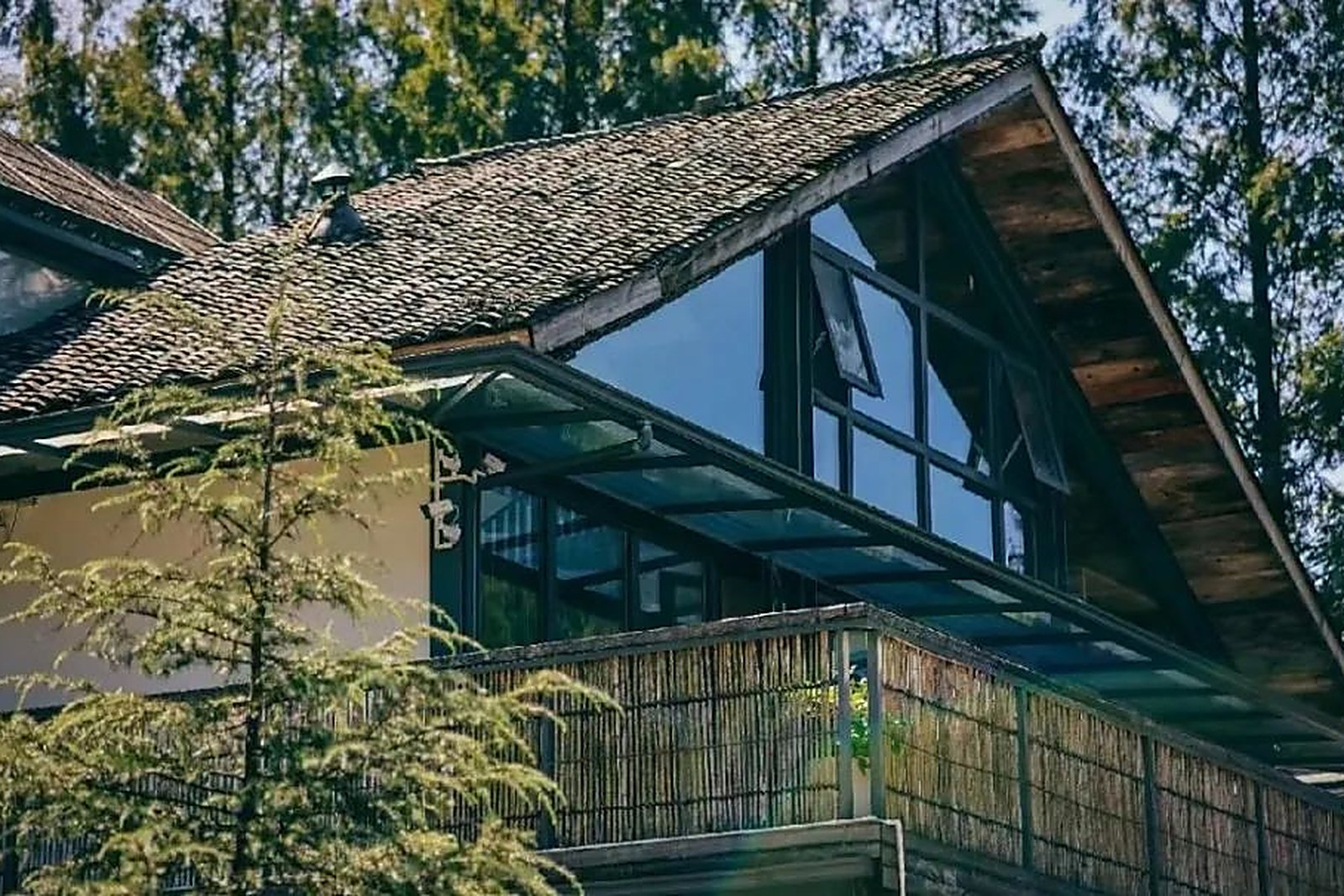
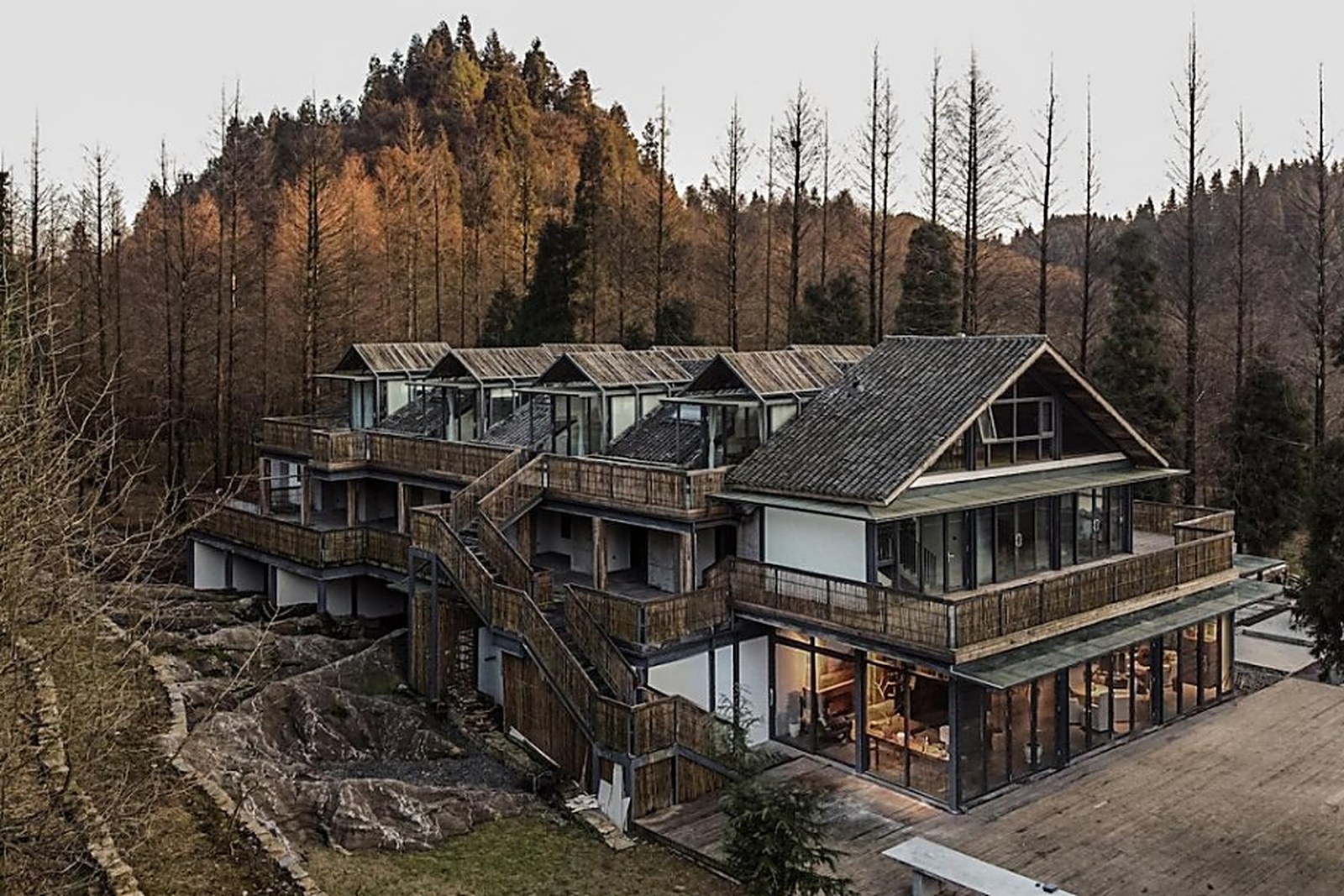
The lodges are simple by design, built low to the land so the canopy stays above the roofs. Most are timber-and-stone houses run by local families, with a few small inns clustered near the park entrance where meals are easy to find. The draw is not luxury but the quiet: you fall asleep to wind in the fir trees and wake to a temperature ten degrees below the city.
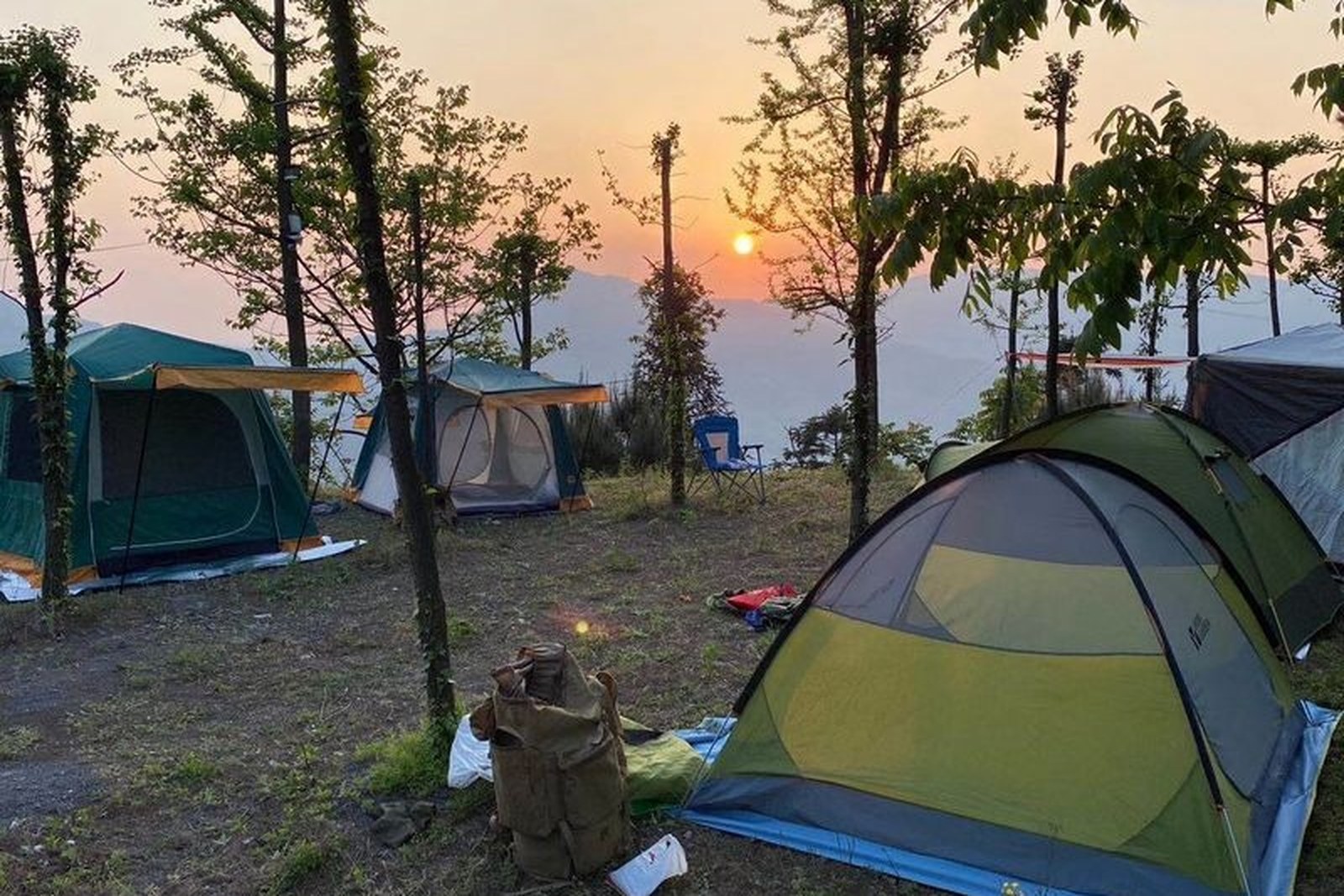
The twin-colour woods are the headline sight, and the camping grounds below them are where summer nights feel best. Pitch a tent on the open plateau and the temperature drops to a pleasant cool after dark, with no need for air conditioning. In autumn the water-fir slope glows gold against the evergreen cryptomeria on the next ridge, a line of two colours you can see from the lodge windows.
Shanwangping is a place to slow down rather than tick sights. The lodges suit travellers who want a cool night, a forest walk and a sky full of stars, and who do not mind rooms without a lift or a pool.
Words and Names
- Shanwangping (山王坪) — a karst plateau and national eco-park in Nanchuan District, Chongqing.
- Shanwangping Karst National Eco-Park (山王坪喀斯特国家生态公园) — the protected forest park where the lodges sit.
- Twin-colour woods (双色林) — the water-fir-and-cryptomeria stand where one slope turns gold and the other stays green.
- Water-fir (水杉) and Cryptomeria (柳杉) — the two tree species that create the twin-colour effect.
- Nanchuan District (南川区) — the district of Chongqing that contains Shanwangping.
What the Locals Know
Locals treat Shanwangping as the district’s natural air conditioner. When Chongqing bakes in July and August, the plateau stays in the low twenties, and that is exactly when the local families who run the inns are busiest. They will tell you to bring a light jacket even in summer, because the drop after sunset is real and the camping ground gets cold.
The twin-colour woods have a narrow window. The gold appears as the water-firs turn in late autumn, and it lasts only a couple of weeks before the leaves fall. Regulars go on a weekday to avoid the weekend cars, and they walk the ridge path rather than stopping at the roadside lookout.
The camping grounds are the local secret for a cool night under clear stars. Villagers nearby will rent you gear or point you to a flat spot, and the lack of light pollution means the sky is genuinely dark. Staying in a lodge rather than a tent simply means you can step inside if the wind picks up.
Price. Rooms generally run from simple guesthouses to small forest inns; confirm seasonal rates when booking, as summer and autumn are the peak times.
Address. Inside Shanwangping Karst National Eco-Park on the high plateau of Nanchuan District; no invented door numbers.
Rooms. Forest cabins, timber guesthouses and small inns, plus camping grounds for tents on the plateau.
Getting there. From Nanchuan district seat a road climbs to the plateau in roughly an hour; from Chongqing allow around two and a half hours by car via the expressway and mountain road.
flowcloud would say that Shanwangping is the cool green roof of Nanchuan where the woods turn two colours.
Where to stay: These stays are in 南川区 / Nanchuan District, Chongqing, on the Shanwangping plateau within the karst eco-park. All checked October 2026.