
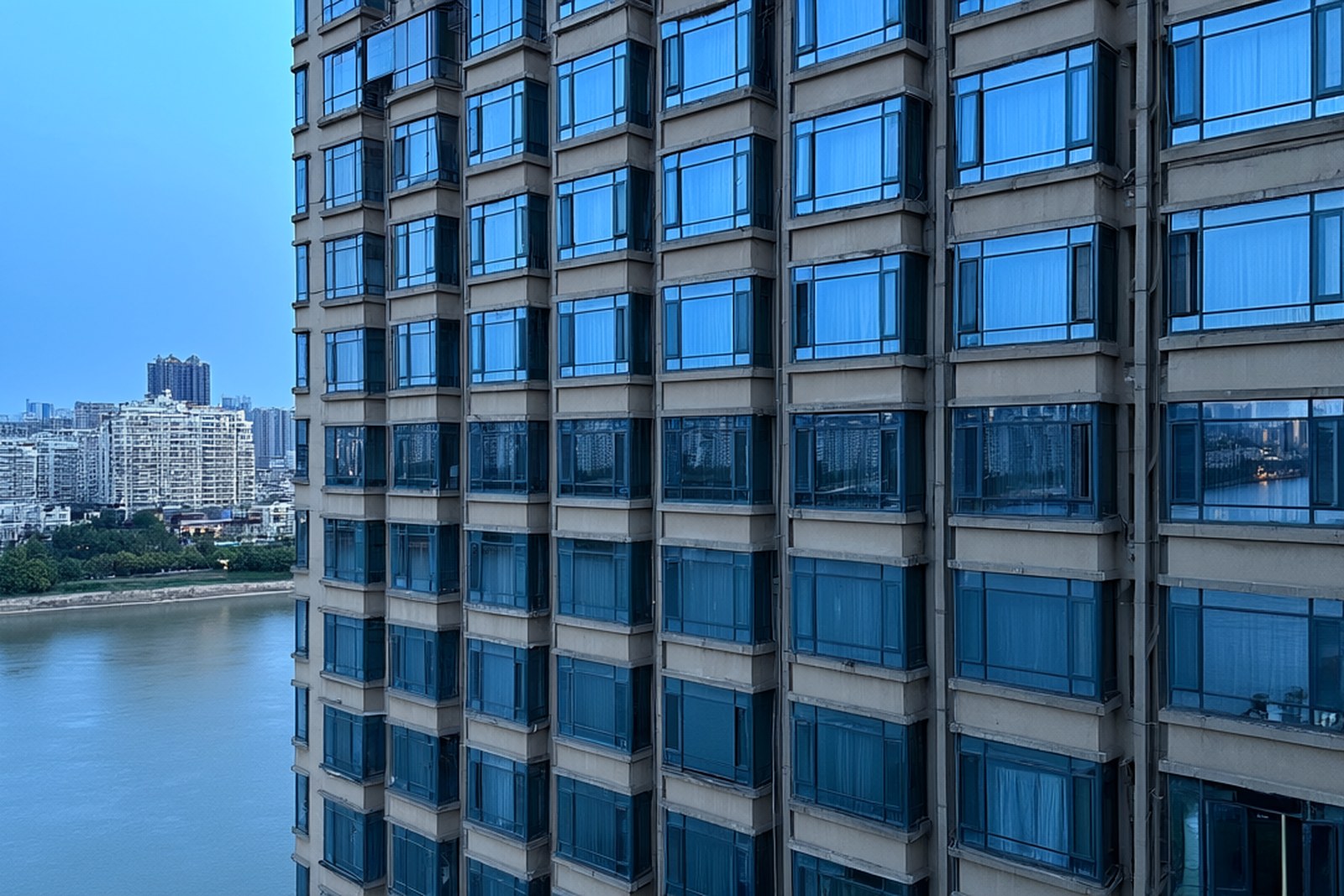
邵阳市 Shàoyáng shì is the city where the 资江 Zī jiāng comes down out of the 雪峰山 Xuě fēng shān and is joined by the 邵水 Shào shuǐ, and it takes its name from the meeting. The old town stood on the north bank of the 邵水, and in the old naming the north side of a river is 阳 yáng, so 邵水之北 became 邵阳. A city hotel here is an ordinary and very good-value provincial hotel of fifteen or twenty floors, standing on the 资江南路 riverfront or a block or two back from it, with the water below the window, the rebuilt 宝庆里文化街区 Bǎoqìng lǐ stretching along the south bank under the wall, and the noodle shops of 红旗路 Hóngqí lù five minutes inland.
The ground under this city is older than almost anything else in the province. It has been walled for something like two and a half thousand years, it was the seat of 宝庆府 Bǎoqìng fǔ from the Song, and its wall was first thrown up in the Han and rebuilt in brick and stone under the Song to run four thousand three hundred and seventy metres around the town, eight metres high and five metres thick, with the 邵水 on the east and the 资江 on the north. That is where the nickname comes from: 铁打的宝庆 tiě dǎ de Bǎoqìng, Ironclad Baoqing, for a place that had to be stormed rather than starved out. Eight hundred metres or so of the wall and two of its gates survive along 资江南路, with the 庆丰门 and the 古仙人井, the Immortal’s Well, restored beside them, and the two pagodas still stand facing each other across the water: the 北塔 Běi tǎ, seven storeys of Ming brick raised on the north bank in 1573, the first year of the 万历 reign, and the 东塔 on the other side, dated by its own inscription to 1834.
Between the two towers the river list is the city’s own: 双清公园 Shuāng qīng gōngyuán at the confluence, and the 双清亭 built out over a cliff above the water on the south bank, first of the twelve old 宝庆 views. The pavilion has been praised by everyone who passed through, and the praise is carved into the rock under it: 李青 Lǐ Qīng’s Ming line that heaven had opened a painting at 双清, the 双清胜览 inscription of the provincial governor 赵贤 Zhào Xián, and the much-quoted couplet of 徐小松 Xú Xiǎosōng about bells going off through the trees with the clouds and the pagoda’s shadow crossing the river with the moon. A little upstream, at the mouth of the 邵水, the 水府庙 Shuǐ fǔ miào is a three-storey Ming temple with a timber opera stage, built in the 万历 years and repaired through the Qing, where the boatmen and the merchants who ran the river trade down to 益阳, 洞庭, 汉口 and 上海 burned incense and paid for plays before they sailed. It is now a photography spot rather than a working temple, and the stage is the point of it.
What the city is really for, though, is breakfast. 邵阳米粉 Shàoyáng mǐ fěn is a coarse round rice noodle, thicker and chewier than the flat 常德 strand, served in a dark beef-bone broth with a spoon of chilli oil floated on top, thick slices of braised beef laid over it, pickled radish, chopped spring onion and a fried egg or a tiger-skin egg on the side. The shops open before six and sell out by nine. 红旗路 and the 回民餐厅, the Hui restaurant, are the addresses people give, and the same street turns into a night market after dark with the 城北夜宵街 behind it. The city’s other food is 腊味合蒸, smoked bacon and 猪血丸子 steamed together; the 武冈卤菜 that comes in from the county; and the mountain vegetables that arrive from the 雪峰山 with the morning buses. It is one of the few Chinese cities where the recommendation to a visitor is not a building but a bowl.
The hotel, then, is a base rather than the point, and it is well placed for the trips. 崀山 is two and a half hours south-west in 新宁县, 南山 three hours in 城步, 黄桑 three hours in 绥宁, the 花瑶 villages of 虎形山 three hours north-west in 隆回, the 滩头年画 workshops two hours, 白水洞 forty minutes in 新邵 and the stone wall of 武冈 about an hour and a half. 邵阳 is also the last Chinese city to have seen the war, since the 湘西会战 was fought out on the 雪峰山 in the spring of 1945, and the city museum on 双清区 holds the 滩头年画, the 宝庆竹刻 and the bronze and pottery that came out of the ground. Two nights work well as a base, and a third costs almost nothing.
What the Rooms Are Like
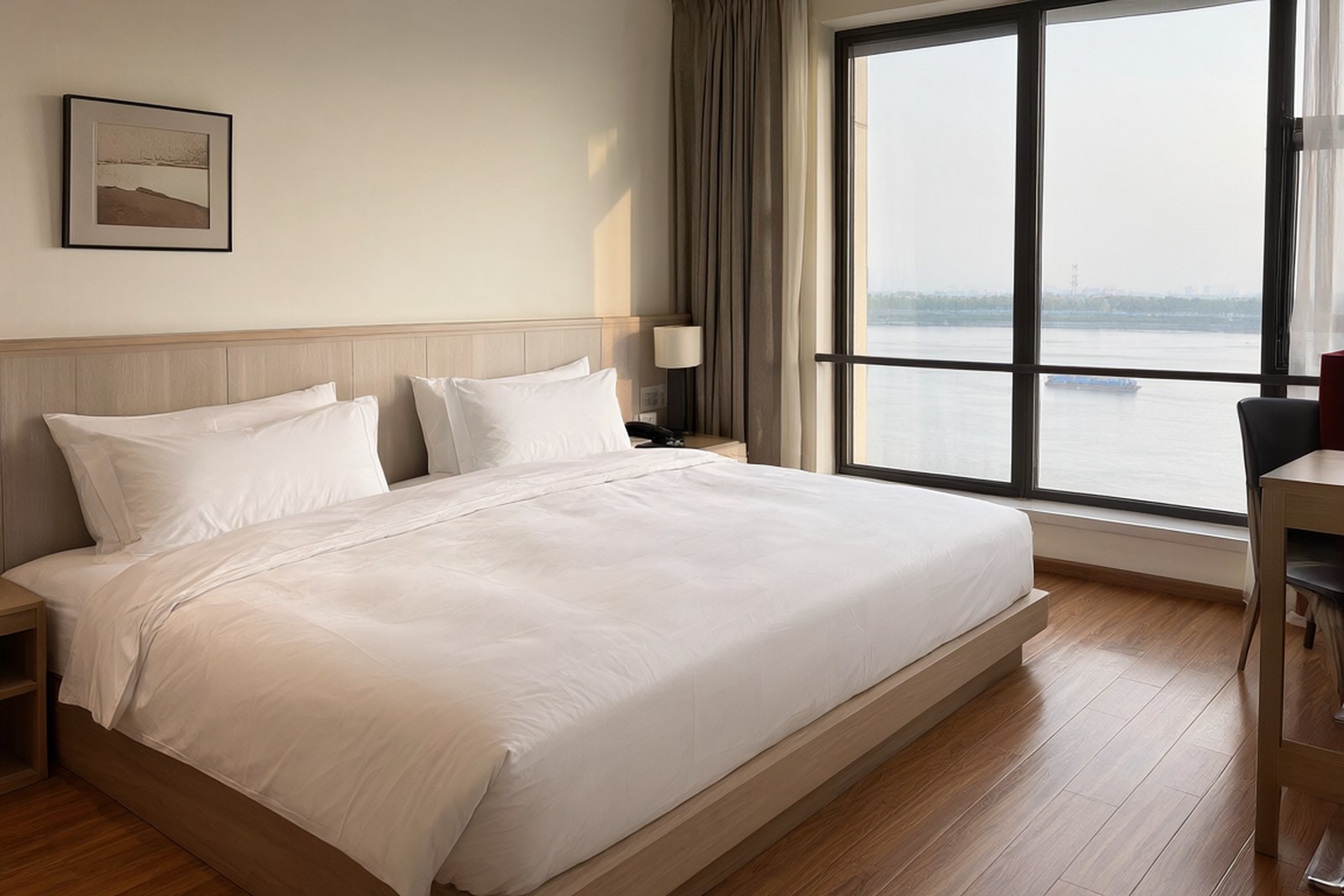
Expect a room of twenty-five to thirty-five square metres, a firm bed, strong air conditioning, a clean en-suite bathroom with a shower, a desk and usually a window over the river or the street. The finish is plain and well kept rather than designed. River-facing rooms on a high floor are worth the small premium, and rooms on the inland side are the quiet ones. Check that the hotel registers foreign guests, which the larger ones in 双清区 and 大祥区 do, and ask whether breakfast is in the rate, because the better breakfast is on the street.
Practicalities
Price. A double in a 邵阳 city hotel runs ¥180 to ¥450 a night in the shoulder season, and more over the October week and Chinese New Year. River-facing rooms and higher floors cost a little more, and breakfast is often included.
Address. The hotel is in 双清区 Shuāng qīng qū or 大祥区 Dà xiáng qū, 邵阳市, Hunan, on or within a few minutes of 资江南路 and 邵水东路. 邵阳站 Shàoyáng zhàn, on the 怀邵衡 and 娄邵 lines, is about three kilometres south of the riverfront; 邵阳北站 Shàoyáng běi zhàn, the 沪昆 high-speed stop, is out in 新邵县 about thirty kilometres north.
Rooms. Ask for a high floor facing the 资江, and for a room away from the main road if you sleep lightly, because the city is up before six. Confirm the hotel takes foreign passports, ask for a written Chinese address to hand to a taxi driver, and ask the desk which 米粉 shop nearest the door opens earliest.
Getting there. From 邵阳站 a taxi to the riverfront takes about fifteen minutes, and 邵阳北站 is forty-five minutes by road. By car 邵阳 is about two hundred kilometres from 长沙 and two and a half to three hours on the 沪昆 expressway, and 邵阳武冈机场 Wǔgāng jī chǎng, ninety minutes away in 武冈市, takes flights from 长沙 and a few other cities. The centre is walkable for the wall, the pagodas, the temple and the food, and a car or a taxi is needed for 崀山, 南山 and everything else in the mountains.
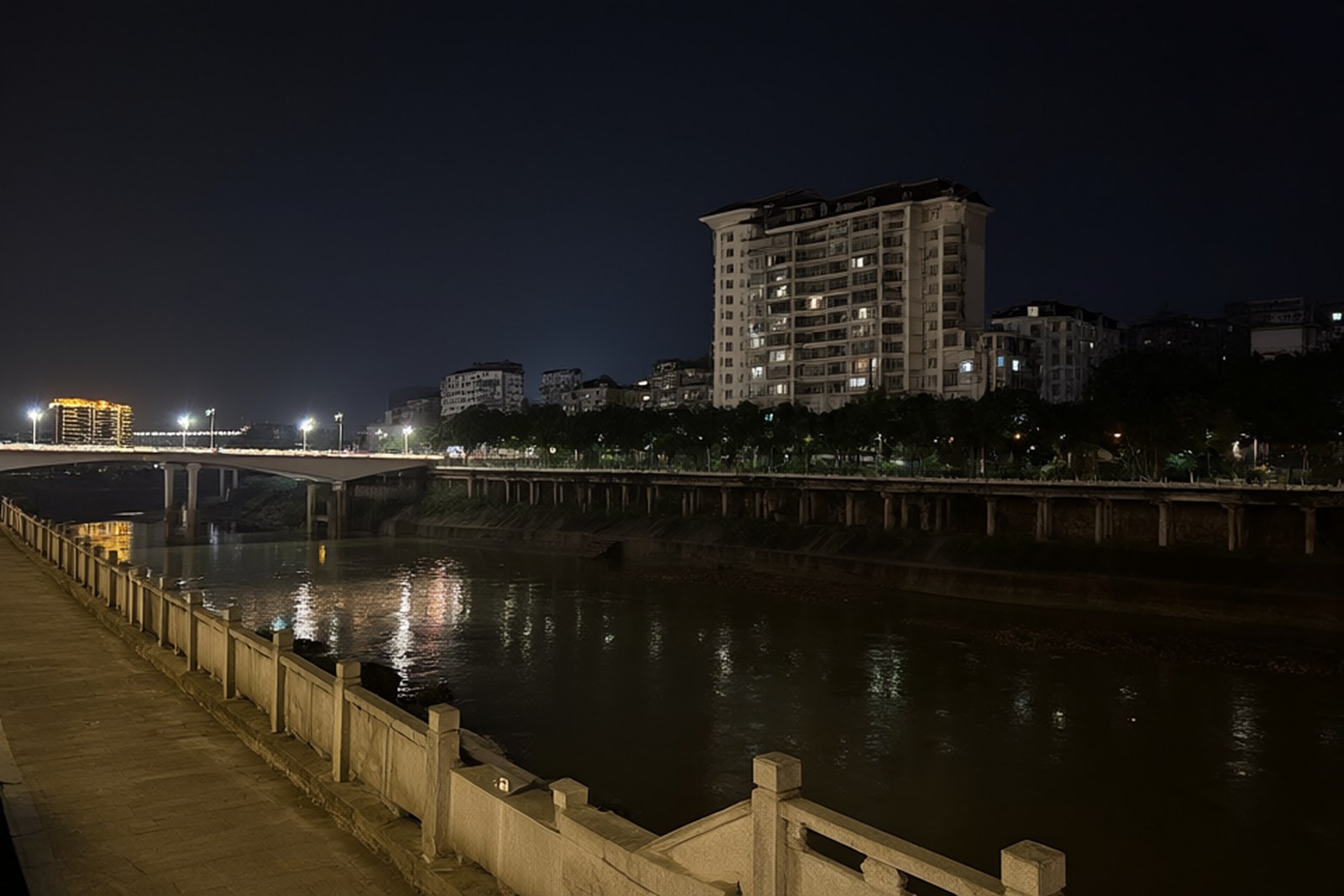
Where to stay: the city hotels in 双清区 and 大祥区, 邵阳市, on or near the 资江 riverfront and within walking distance of the 宝庆古城墙, the 水府庙 and 红旗路. Take a high floor facing the water, eat breakfast on the street rather than in the hotel, and run the county trips out from here.
flowcloud would say that a city which has kept the nickname Ironclad for two thousand years, and which now offers a visitor a stone wall, a Ming pagoda, a timber opera stage and a bowl of noodles before seven in the morning, has understood that a place is held by its habits rather than by its defences.