
松溉古镇 Sōnggài Gǔzhèn, Songgai old town, sits on the south bank of the 长江 Cháng Jiāng Yangtze River in 永川区 Yǒngchuān Qū, Yongchuan District, and keeps a modest selection of guesthouses inside its walled perimeter – mostly converted courtyard houses along the quieter lanes, where the day coaches arrive through the morning and are gone by mid-afternoon, when the town belongs to whoever slept in it. The rooms are wood-framed and simply furnished, with attached baths added in renovations that kept the houses’ bones, and the thing you pay for is the hour: waking to the river below the windows, walking the stone lanes before the tour buses, and having the waterfront stilt houses to yourself after the day visitors leave. This page is written on the class – a room inside the walls – because that is what the town sells, and the town walks in twenty minutes, so an overnight means seeing it twice, once with the groups and once without.
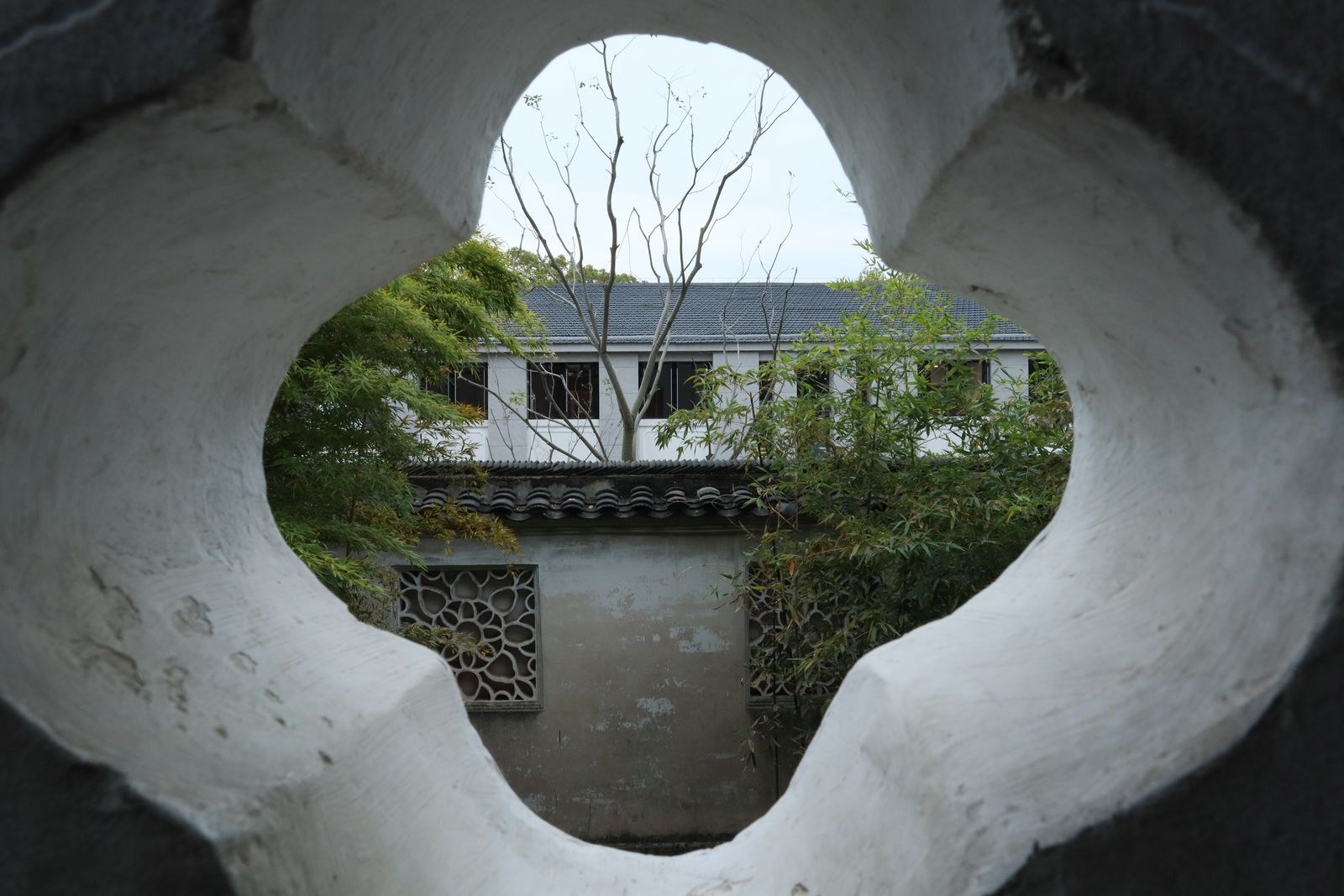
The format is the content. A courtyard inn here is an old town house that kept its plan: timber frames, a small flagged yard, eaves over the lane, with beds and plumbing fitted where the family rooms were, so the lanes still run at the height and width the walled town was built at and a room inside that fabric costs little more than a meal down the street. The town runs on handshake terms – cash, a phone call, a family that meets the arrival – and the better houses feed breakfast from the family kitchen downstairs, congee with pickled vegetables, the same bowl the residents eat before the lane wakes. The walls are thin and the town is small, but the lane at dusk and the gate tower lit against the hills are the room’s real furnishings, and they come free with the bed.
The trade is the overnight trade, and the overnight is the product. Chongqing weekenders and festival crowds fill the yards on Fridays and holidays; the photographers book the dawn, when the mist stands over the river below the walls and the stilt houses are empty. Dinner in season is the town’s own occasion – the 九大碗 jiǔ dà wǎn nine-bowl feast that Songgai keeps alive for weddings and festivals, nine large ceramic bowls served family-style in the courtyard, the cooking started at dawn by the neighbours – and a guest who times the stay to a festival eats what the town eats rather than what a menu offers. What the record supports is the inns as a class; what it does not support is any named house, any posted rate or any ranking, and none is invented here.
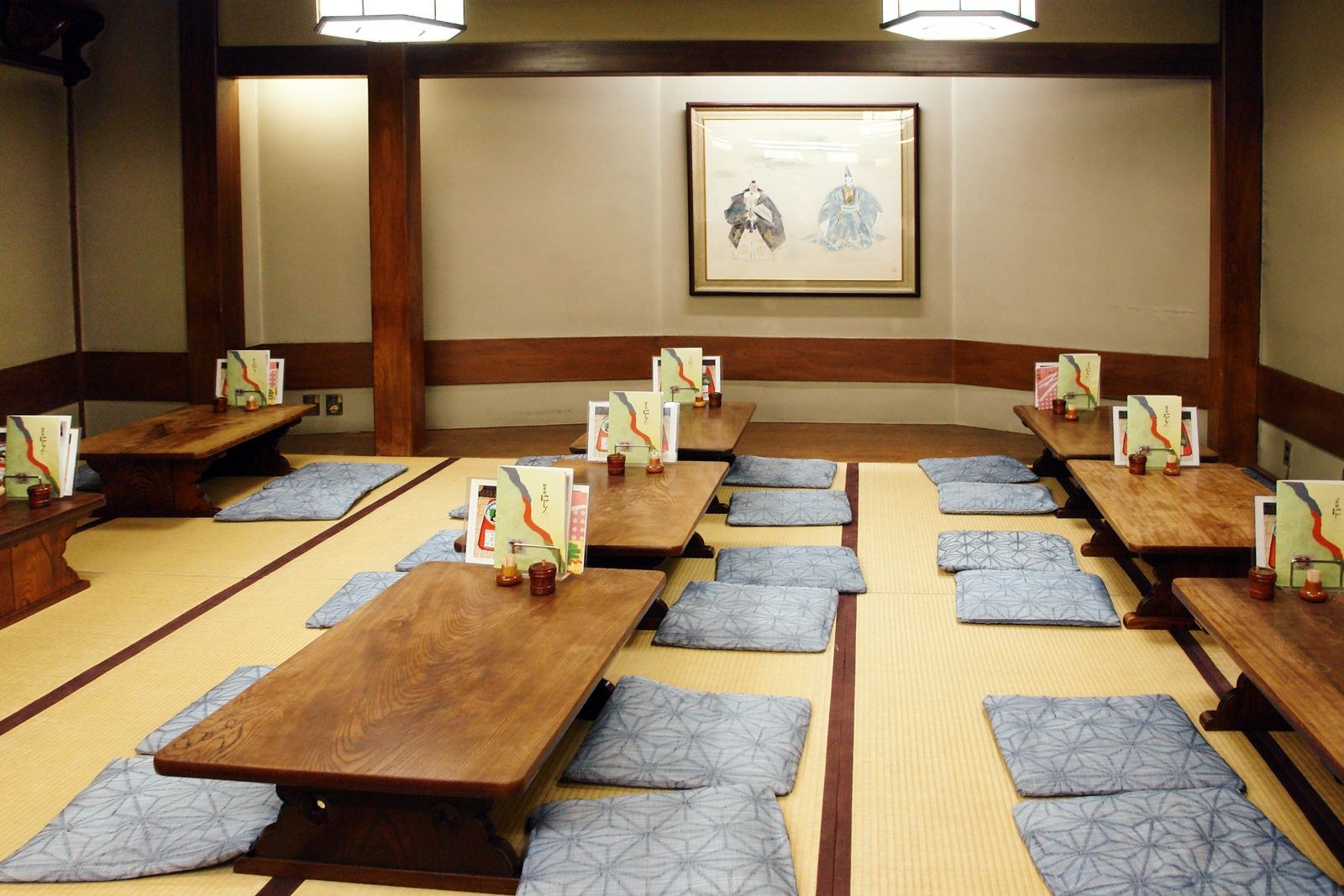
The booking advice the record does carry is about the ask and the channel: a room on the yard rather than the lane, and breakfast said ahead if you want it cooked rather than set out, because the family kitchen is a household and not a hotel buffet. Book through the platforms where the inns are listed and through the families’ own phone channels where they are not – the town keeps no booking office beyond the kitchens, and that is the honest shape of the trade here.
The town’s own argument closes the district’s. Songgai is the Yangtze’s oldest address in Yongchuan, and the courtyard beds turn a half-day stop into the rarest thing the district sells – a walled town with a Ming theatre platform on its doorstep, the gate tower empty after the coaches leave, and nobody else in the frame at dawn but the river and the stilt houses. The ferry still crosses to the opposite bank for the best skyline, the evening lanterns light the waterfront, and the room above the lane holds all three at once. All checked October 2026.
Words and Names
松溉古镇 Sōnggài Gǔzhèn, Songgai old town, on the south bank of the 长江 Cháng Jiāng Yangtze River in 永川区 Yǒngchuān Qū, Yongchuan District: guesthouses converted from courtyard houses inside the walled perimeter, wood-framed rooms with attached baths, family kitchens serving congee and pickles, and the town’s own 九大碗 jiǔ dà wǎn nine-bowl feast kept alive for weddings and festivals. The town’s treasures are the Ming gate towers and the waterfront stilt houses built above the flood line centuries ago, and the whole walled area walks in about twenty minutes. No named house, posted rate or founding date is on the record consulted, and none is invented here.
What the Locals Know
The local knowledge is the ask and the hour. The ask is the yard room: the conversions that open onto the stone court are the town’s quiet best, and a booking that takes the first lane-front listing gets the day coaches’ noise instead. The hour is dawn – the waterfront and the gate tower belong to whoever slept inside the walls, and the mist over the river below is the photograph the town is famous for – and the second hour is mid-afternoon, when the coaches leave and the lanes empty. Bring cash: the town runs on handshake terms, and the better breakfasts and the feast tables are arranged ahead from the family larder. What the record does not carry is any house ranking or posted rate, and the page declines both – the yard and the hour are the facts, and the phone call is the rest.
Practicalities
Price. The bottom of the district’s range, quoted as a band and not a rate: the plain yard rooms sit at a few dozen yuan a night, and the better conversions ask a little more without approaching the district seat’s hotel floors. No posted tariff for any house is on the record consulted, and the page quotes none – the platforms carry the listings that are listed, and the families’ own phone channels carry the rest.
Address. The inns stand inside the walls of 松溉古镇 Sōnggài Gǔzhèn, Songgai old town, on the south bank of the 长江 Cháng Jiāng in 永川区 Yǒngchuān Qū, Yongchuan District. The town is a single walled village, no street numbers are on the record consulted, and the only address question that matters is which side of the house opens to the yard.
Rooms. Wood-framed rooms around a small stone yard: simple baths, family quilts, thin walls and the lane’s sounds beyond them. Breakfast comes from the family kitchen – congee and pickles – and the better houses cook the nine-bowl feast for festivals when it is asked for ahead. Ask for the room on the yard, not the street – the difference in kind is the whole stay.
Getting there. Bus services run from the district seat toward the river town through the day, the last of them away before evening, and self-drive covers the same road with parking at the town edge. The lanes are the road: luggage goes in by hand, the families meet the arrival, and a late-afternoon landing – after the coaches leave – is the timing the overnight is built around.
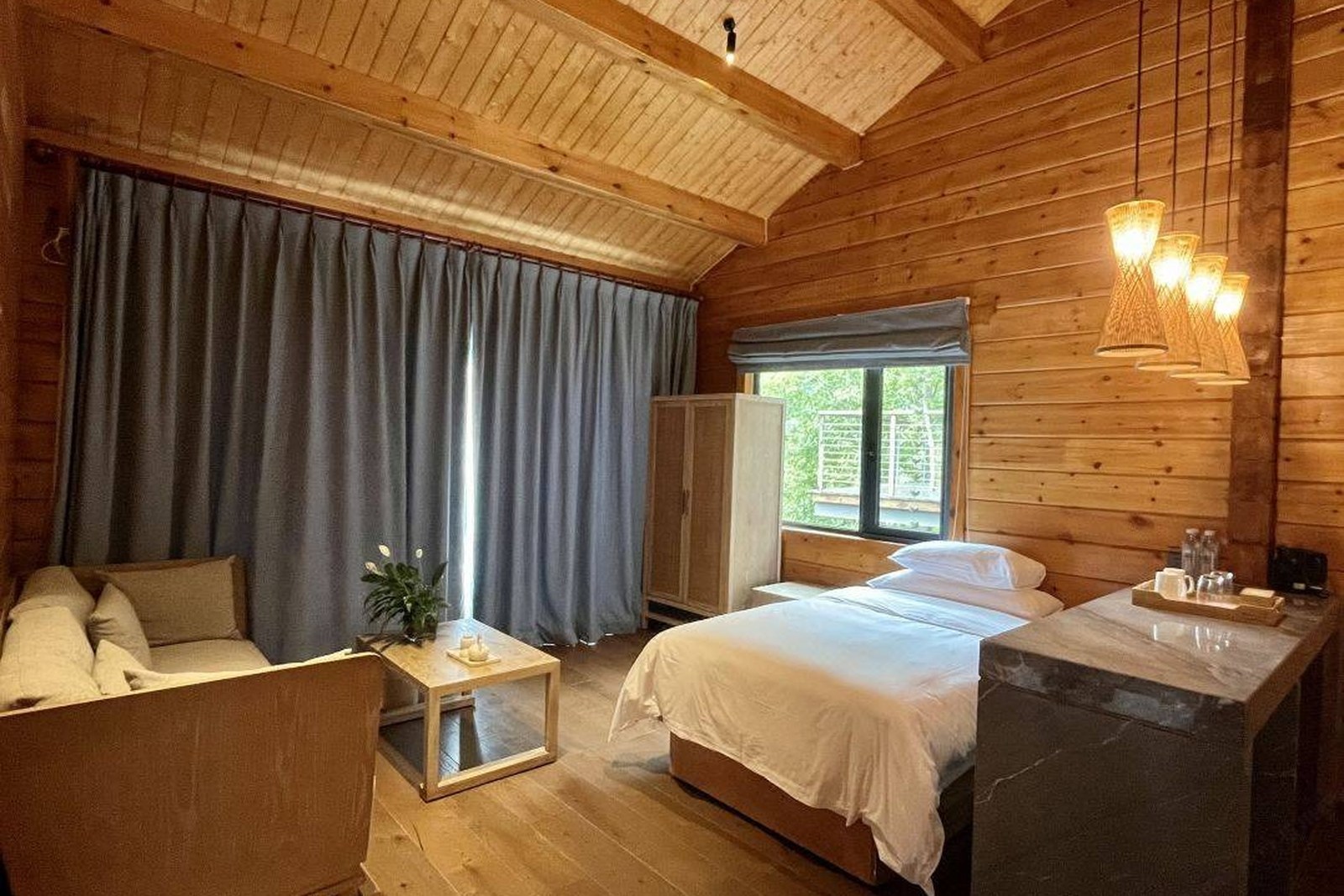
flowcloud would say that Songgai’s lodging is the courtyard class – converted old-town houses inside the walls, wood-framed rooms around stone yards, family kitchens and congee for breakfast, the nine-bowl feast for festivals – and that the correct way to book it in 永川区 Yongchuan District is a yard room through platform or family channel for the dawn the coaches miss, because no named house or posted rate survives in the record consulted and none is invented. All checked October 2026.
Where to stay: the inns stand inside the walls of 松溉古镇 Sōnggài Gǔzhèn, Songgai old town, on the south bank of the 长江 Cháng Jiāng in 永川区 Yǒngchuān Qū, Yongchuan District, bookable on the platforms where listed and through the families’ own channels; named properties, posted rates and founding dates are not on the record consulted and none is invented here. Pair this page with the old-town page for the Ming gate towers and the waterfront stilt houses outside the door, and the nine-bowls page for the feast the neighbours cook at dawn.