
Rooms for the Early Start: Bases on the Town’s Quiet North Side
倚城寻宿处,晨发探唐垒 Yǐchéng xún sùchù, chénfā tàn Táng lěi – Lodging found by the city walls; set out at morning for the Tang ramparts
正文:唐王城周边住宿 Tángwáng Chéng Zhōubiān Zhùsù the Tangwang-ruins-area stays line the northern side of 图木舒克市 Túmùshūkè Shì Tumushuke City, the quiet quarter that faces the desert and the old river terraces where the Tang garrison stood. This is practical country: small inns, guesthouse rows and the simple hotels that serve the truck trade and the ruin-runners – travellers who want to be on the road at first light, boots laced before the tour buses clear the roundabout. The ruins sit twenty minutes north; the museum sits ten minutes south; and the north-side rooms put both within a single easy day.
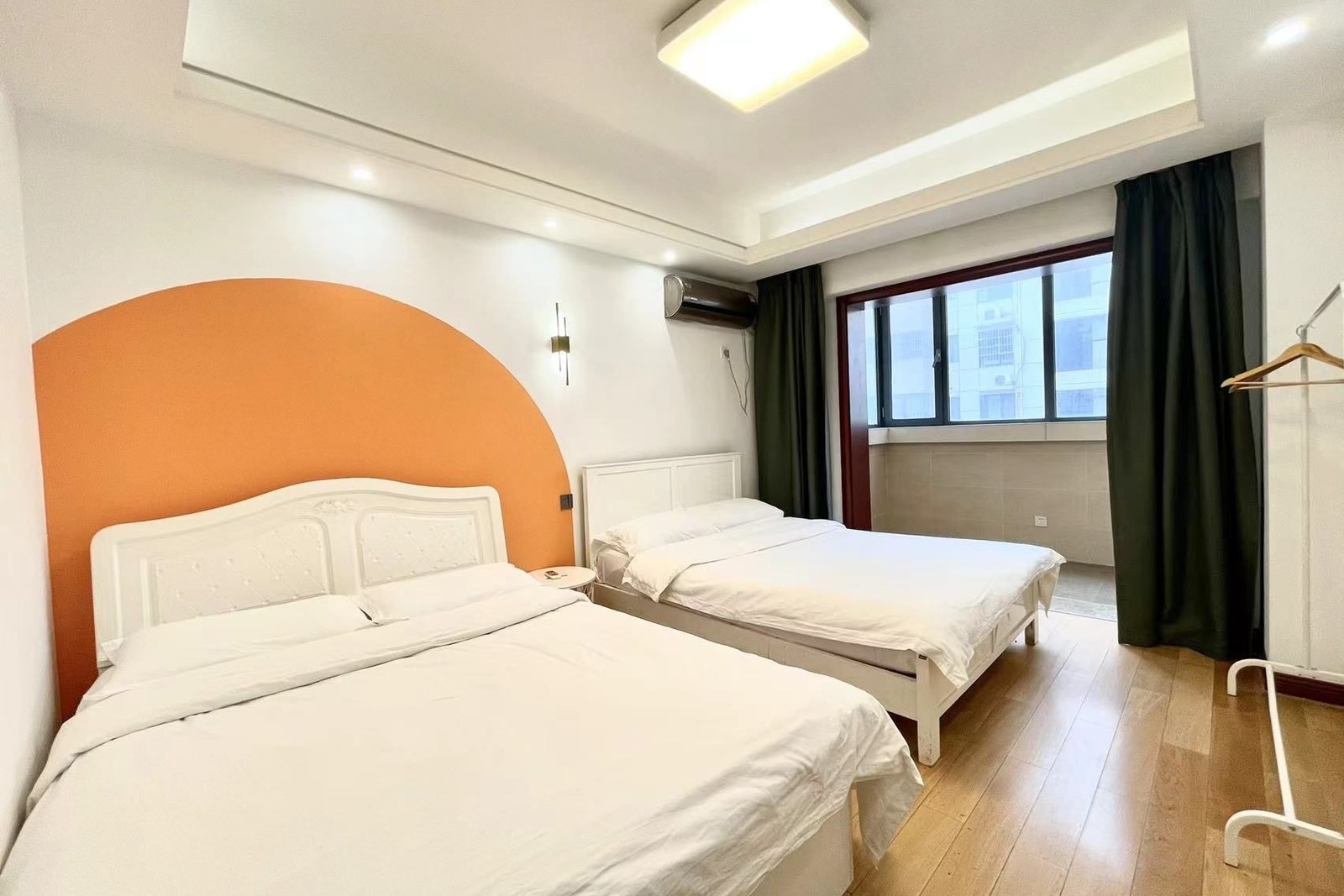
The rooms are honest rather than styled. Expect padded headboard walls, twin or double beds with firm quilts, air-conditioning that copes with summer, and showers with road-trip hours of hot water – the inventory of a working town, kept clean and priced for daily trade. The better inns add breakfast trays or the corner shop’s steamed buns at dawn; all of them understand the two rhythms of the quarter: the truck drivers who leave at six, and the ruin-runners who leave at seven.
What the north side sells is the start. The ruins have no shade and no water, and the desert light rakes the earthworks best before ten; guests who sleep here walk the citadel platform in cool air and are back in town for late breakfast, museum and melons. The guesthouses know the taxi men who wait at the ruins gate – arrange the round trip the night before and the morning runs itself.
The Stays
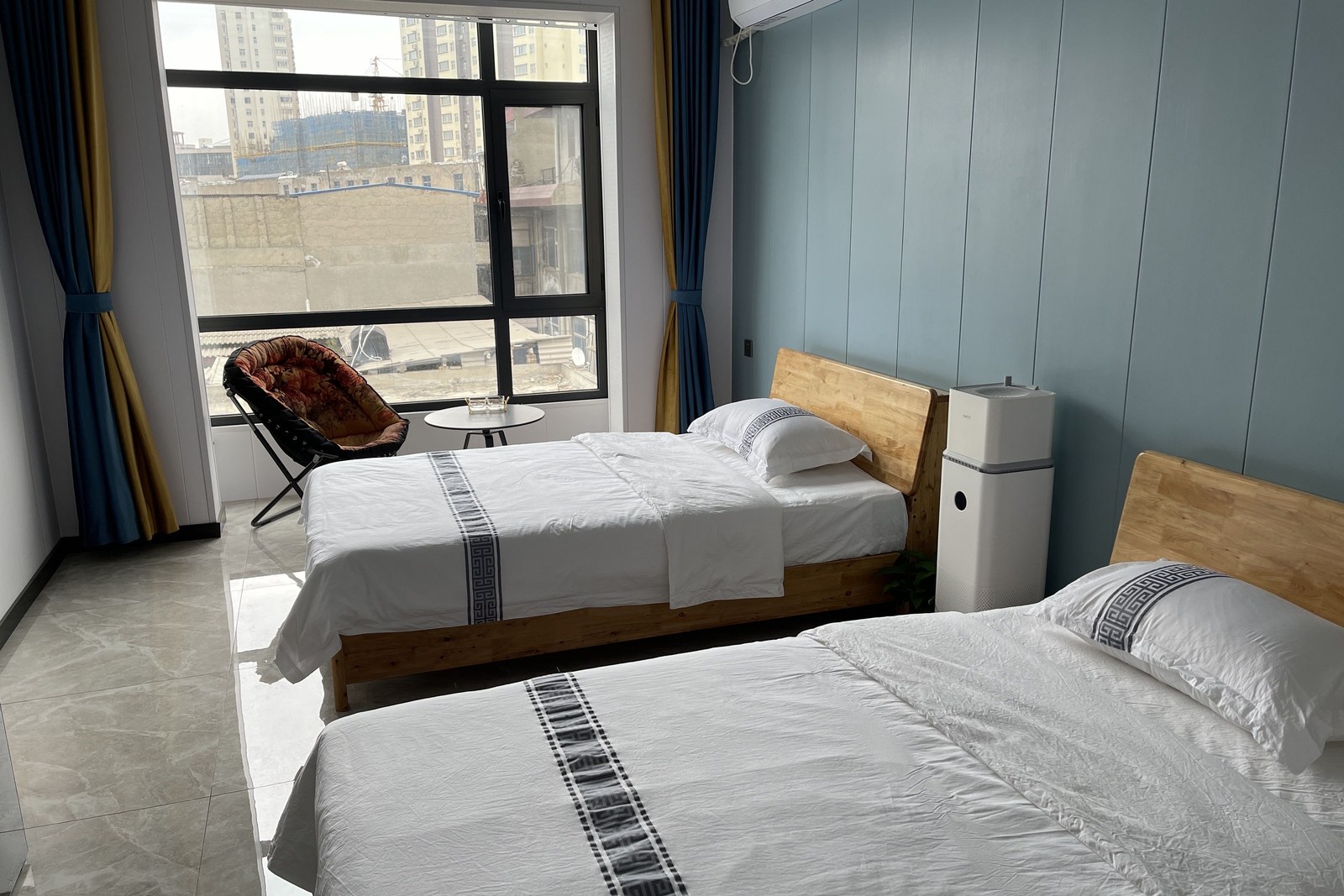
Solo drivers and couples take the guesthouse twins – clean, warm, and quiet enough that the loudest sound is the poplar wind. Small groups and museum-course parties book the simple hotels’ multi-bed rooms, which price out better than any chain and put the party on the same wake-up call. Photographers chasing dawn light on the walls ask for east-facing rooms and set two alarms; the front desks have seen the routine before and mostly find it charming.
Rates run flat year-round – this quarter lives on working trade, not tourism – but the ruin season stacks October with photographers and the shoulder months with university field trips. Book a day ahead in season, walk in otherwise; breakfast hours matter more than breakfast quality, so confirm the kitchen’s start time when you check in. Cash and phone payment both move at the desk.
Beds settled, the same 图木舒克市 Túmùshūkè Shì Tumushuke City holds other bases: 图木舒克市区住宿 Túmùshūkè Shìqū Zhùsù city stays on the central avenue, 小海子周边住宿 Xiǎohǎizi Zhōubiān Zhùsù Xiao Haizi-area stays for the sunset shore, 胡杨林公园周边住宿 Húyáng Lín Gōngyuán Zhōubiān Zhùsù Huyang-park-area stays for the forest cabins, or 团场庭院住宿 Tuánchǎng Tíngyuàn Zhùsù bingtuan farmstay courtyards for the melon-patch mornings – four more doors into the same 图木舒克市 Túmùshūkè Shì Tumushuke City. With beds settled, our Tumushuke travel map fills the days.
The Stays
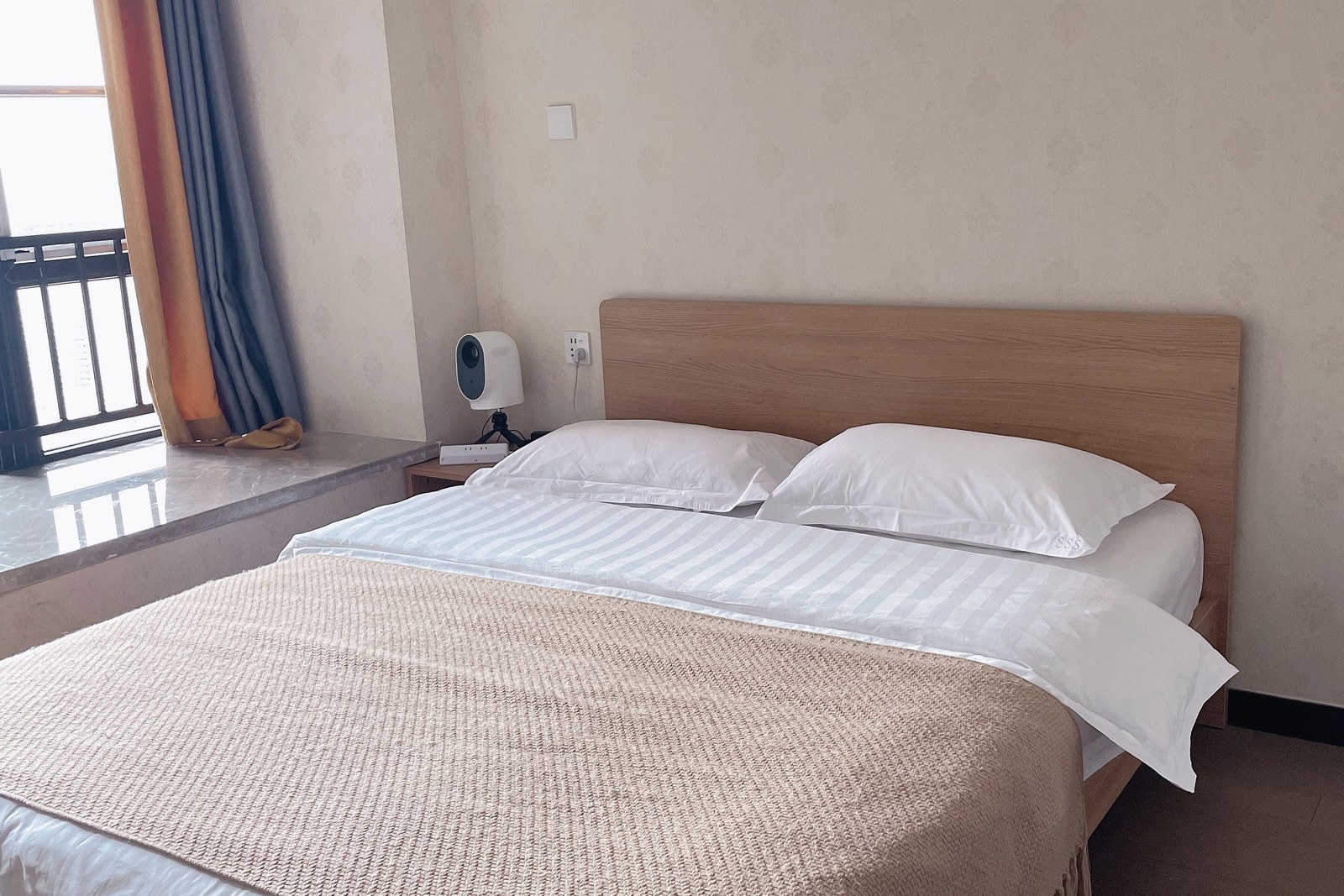
flowcloud would say the north-side stays are the ruin-runner’s launch pad: an honest bed, a six-thirty kettle, and the Tang earthworks waiting twenty minutes out – simple rooms that put you on the walls before the tour buses find their gears. All checked November 2026.
Where to stay: Take the north-side rooms for the early start at the ruins, confirm breakfast hour since the site road runs light on food stalls, and arrange the taxi wait the night before – drivers know the gate times. All checked November 2026.