
潭门镇 Tán mén zhèn is a working fishing harbour on the east coast of 琼海市 Qiónghǎi shì, and a guesthouse here puts you on the quay rather than above a beach. The town is the closest harbour on Hainan to the 南沙 Nán shā and the 西沙 Xī shā, and its fleet has worked those far reefs for centuries, so the boats that tie up in front of you have been out for weeks rather than overnight and come back loaded with reef fish, sea urchin and squid rather than with the inshore catch. 排港村 Pái gǎng cūn, at the mouth of the harbour, is one of the best-preserved fishing villages on the island, and the family houses along the quay take guests in the ordinary way, with a room, a fan, and a boat belonging to somebody’s uncle.
The thing that makes 潭门 famous has nothing to do with fish and everything to do with paper. Its captains navigated to the far reefs with the 更路簿 gēng lù bù, a hand-written book of sailing directions in which 更 gēng is the distance run and 路 lù is the bearing on the 罗盘 luó pán, and which recorded the routes and the names the fishermen gave the reefs – 猫注岛 for the island the charts now call 永兴岛, 大筐 for 华光礁. Every captain had one, most were copied out by hand over generations, and in June 2008 the 南海航道更路经 was entered on the second national list of intangible cultural heritage. The old village keeps the 祭兄弟公 jì xiōng dì gōng rite for those lost at sea and the 鲤鱼灯节 lǐ yú dēng jié, the carp lantern festival, and one family in 排港村 has turned its own inherited book, compass, charts and salvaged porcelain into a small 更路簿博物馆 that visitors have taken to calling the 潭门故事馆.
Two hundred metres from the guesthouses stands the 中国南海博物馆 Zhōngguó Nán hǎi bó wù guǎn, the China Museum of the South China Sea, opened at 潭门 in 2018 with more than seventy thousand objects and a permanent gallery on Chinese underwater archaeology; it is free, needs an identity document and a booking, and it is the reason a lot of people now come to a fishing town. The harbour was made a first-class national fishing port in 2004 and named one of the country’s civilised fishing harbours in 2010, and in April 2013 the president visited and told the fishermen to build bigger boats and go further out, which the town repeats with some pride.
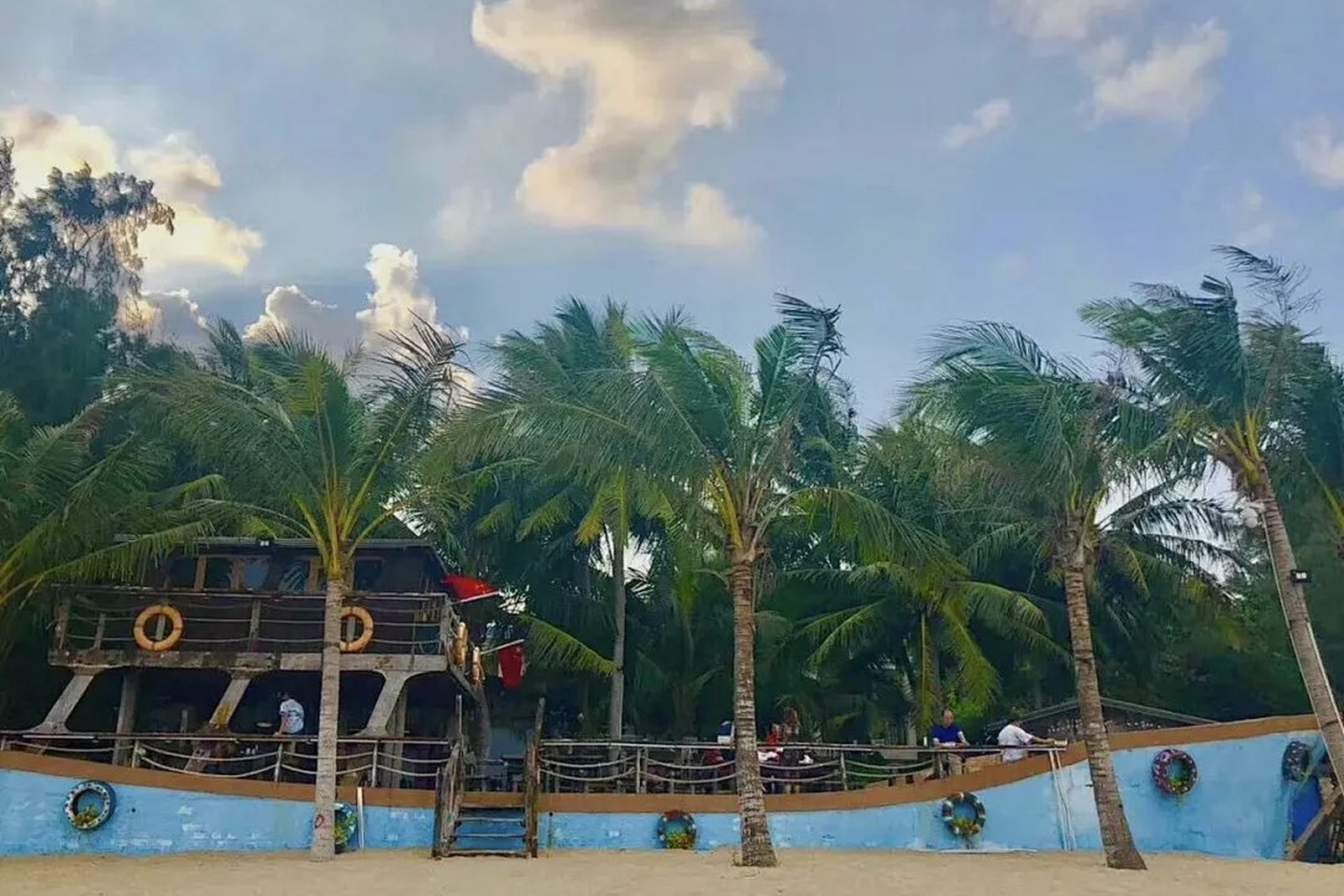
The eating is the reason to stay the night rather than visit for the afternoon. A 潭门 fish is landed and eaten within a day, so the town’s cooking is arranged to stay out of the way: 香煎马鲛鱼, Spanish mackerel steaks fried hard on both sides; 白灼红角虾, red prawns boiled in plain water and eaten with soy and lime; 椒盐皮皮虾, mantis shrimp with salt and pepper; and the 打边炉, a pot of clear stock with a plate of the day’s catch beside it, which is how a table of people eats fish in the south. The 大排档 fill from about six in the evening, the tables are out on the concrete with the boats behind them, and the price is agreed over the fish before it is cleaned rather than afterwards, which is the only way anyone can do it honestly.
What the Rooms Are Like
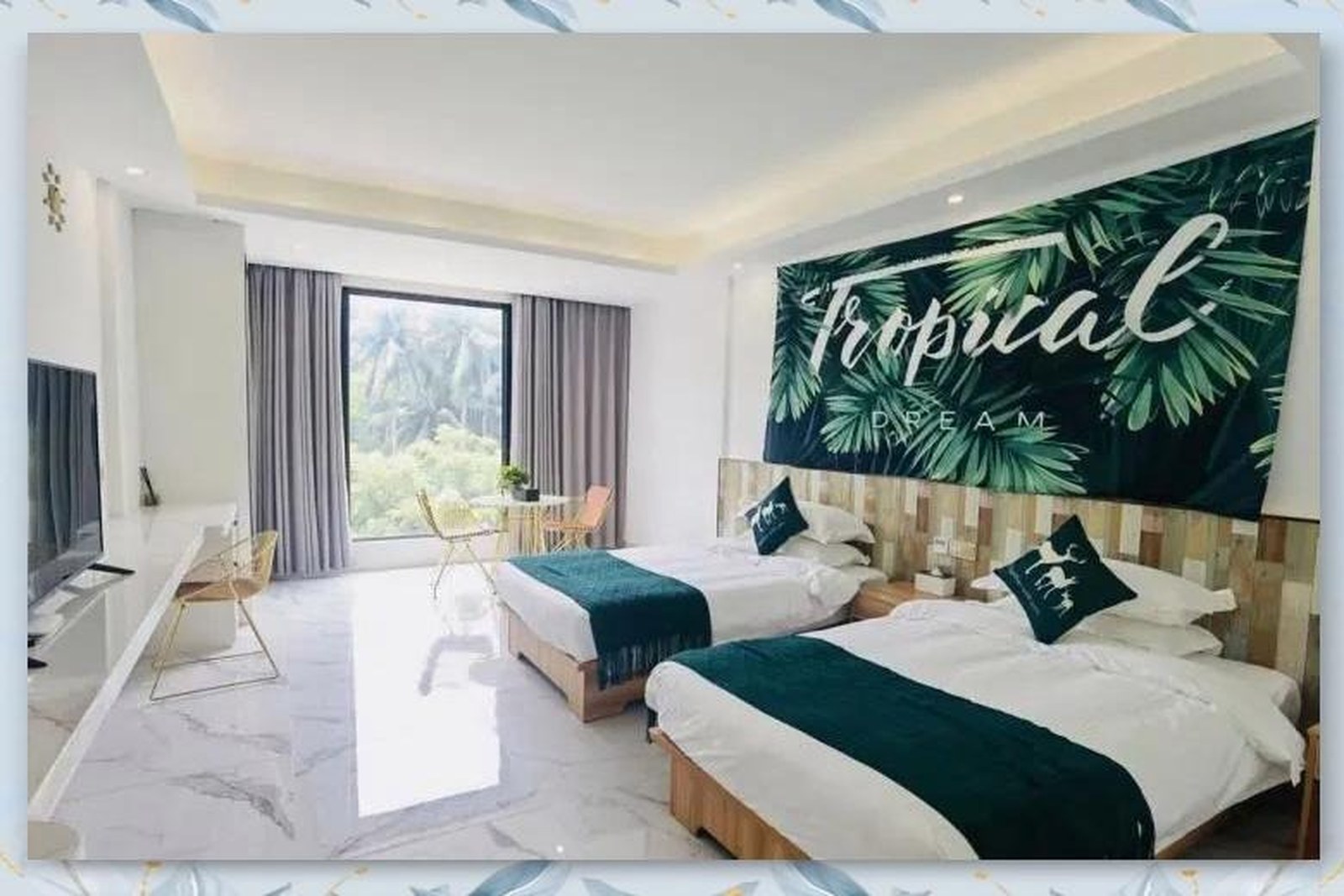
Expect a simple room with a double bed or two singles, an air conditioner, a bathroom with a shower and a window over the harbour or the lane, in a family house of two or three storeys. The standard is below a resort and well above a hostel, and it varies house by house, so ask for photographs and confirm the en-suite and the hot water before you book. Ask for a room on the upper floor facing the water, take insect repellent for the evenings, and expect the wifi to be thin and the noise to start early, because a fishing harbour is at work long before the guests are.
Practicalities
Price. A double room in a 潭门 harbour guesthouse runs ¥120 to ¥320 a night, and a harbour-facing room upstairs is usually a small premium. Eating is the main expense and it is priced by weight: a pan-fried mackerel ¥60 to ¥150, boiled prawns ¥50 to ¥120, and a hotpot for four ¥300 to ¥600.
Address. The guesthouses are at 潭门镇 Tán mén zhèn, 琼海市, Hainan, along the quay and in the lanes behind it, with the 中国南海博物馆 Zhōngguó Nán hǎi bó wù guǎn about two hundred metres away on 博物馆路 Bó wù guǎn lù. The town is about twenty kilometres from 嘉积镇 and about forty from 博鳌.
Rooms. Ask for an upper-floor room facing the harbour, confirm the air conditioning and the hot water, and ask whether the family cooks and whether the boats come in at dawn, because watching the landing is the reason to be here and it happens early. Ask which stall on the quay is theirs, take a written Chinese address for the drive in, and check the museum’s opening days before you plan the day around it.
Getting there. 潭门 has no station of its own. 琼海站 Qiónghǎi zhàn on the 东环 high-speed line is about thirty-five kilometres away by road, and 琼海博鳌机场 Qiónghǎi Bó’áo jī chǎng is about forty minutes; by road 嘉积 is twenty kilometres, 博鳌 about forty minutes south and 海口 about two hours north on the 东线 expressway. A car or a taxi is needed for everything except the harbour and the museum, both of which are within a walk of the guesthouses.
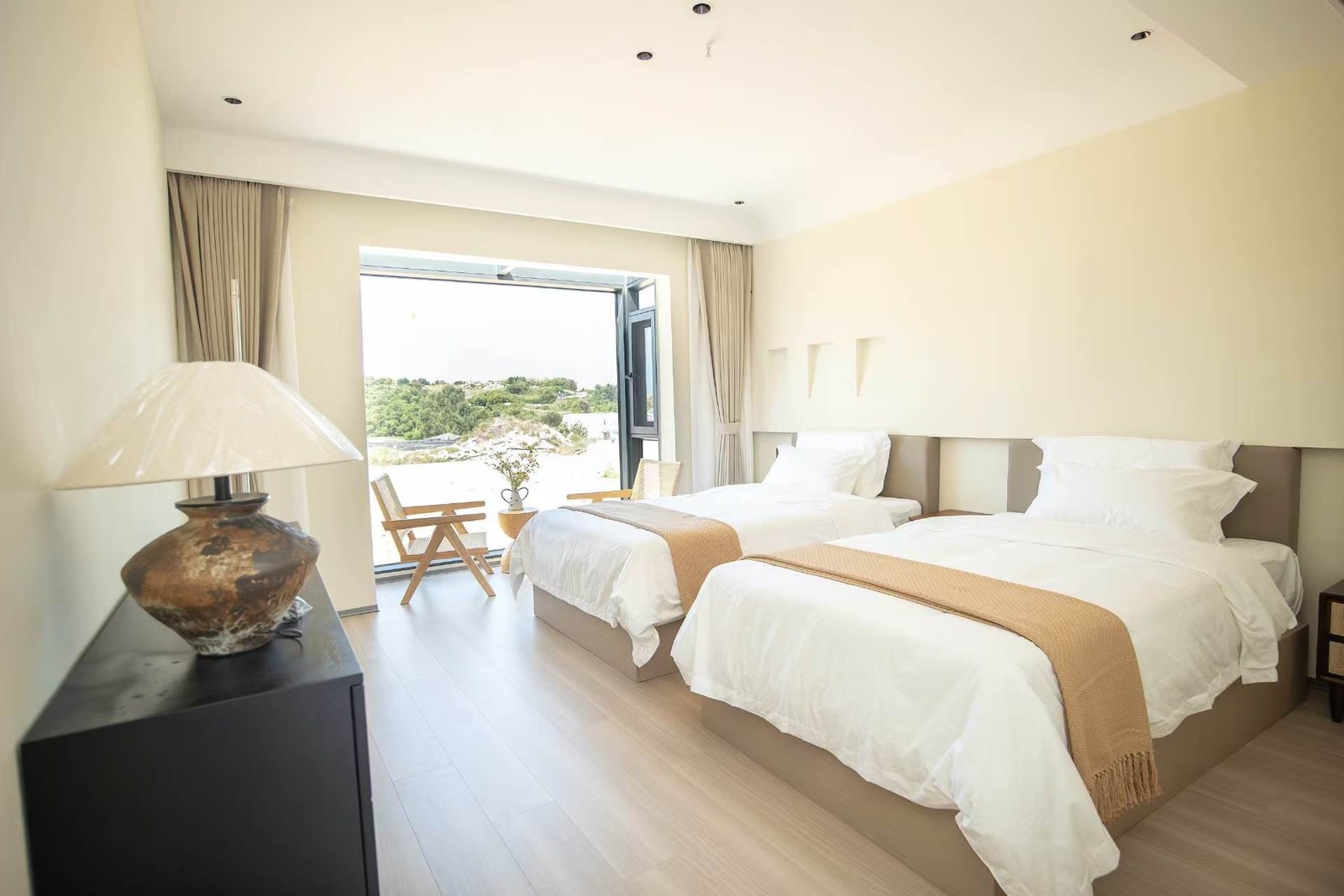
Where to stay: the family guesthouses along the quay at 潭门镇, 琼海市, a few minutes from the 中国南海博物馆 and within twenty minutes of 嘉积. Take an upper floor facing the water, get up for the landing, eat the mackerel pan-fried and the prawns plain, and spend the afternoon in the museum reading what the town’s captains wrote down.
flowcloud would say that a harbour whose captains kept their own sailing directions by hand for a thousand years, and whose guests now come to read those books in a national museum next door, has ended up with the rarer kind of tourism, where the thing being visited is the skill rather than the view.