
茶山竹海 Cháshān Zhúhǎi, the Tea-Bamboo Forest, is the resort area of rolling hills planted with alternating bands of tea bushes and bamboo groves in 永川区 Yǒngchuān Qū, Yongchuan District – the same layered green landscape Zhang Yimou filmed for his martial-arts epic Ten Thousand Swords – and it keeps a range of mountain lodgings from family-run guesthouses with verandas facing the slopes to small boutique hotels built into the hillside. The common thread is the setting: cool, damp air, nights quiet except for insects and the occasional distant rooster, and a green-upon-green view that the mist gathers into the hollows on cool mornings. Many of the lodgings serve breakfasts of local produce – tea eggs, bamboo shoots, fresh eggs from the owners’ own hens – and some arrange guided walks through the plantations, so the stay is as much about the forest as the bed. This page is written on the range as a whole, because the range – guesthouse end and hotel end – is what the forest actually books.
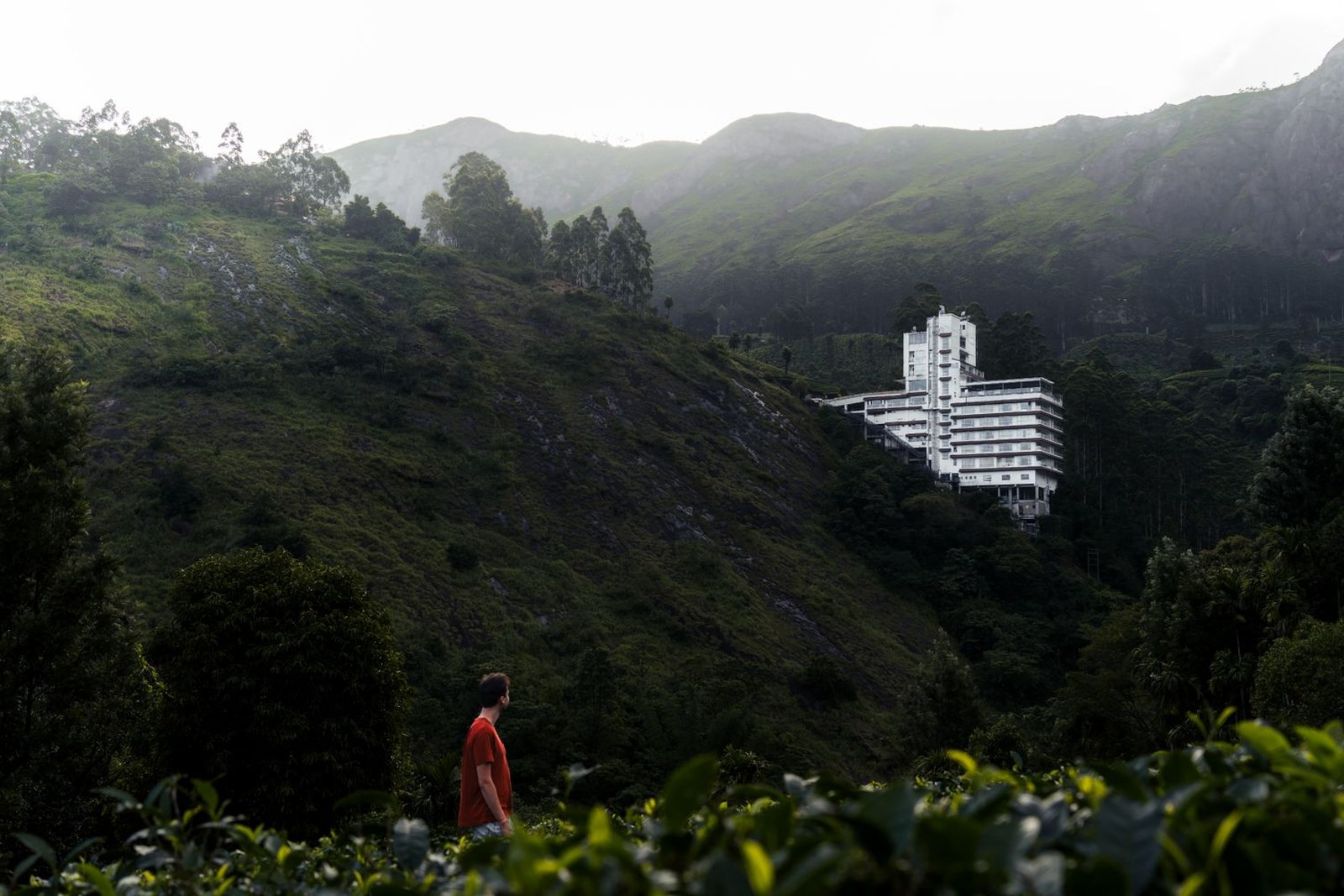
The setting is the content. A room in the tea-bamboo forest is bought for the air and the green: the veranda that faces the planted slopes, the cool of a hill the basin below sweats through, and the mist that stands in the bamboo hollows at first light, which is the photograph the forest is known for. The rooms themselves run from plain family guesthouses to the small boutique blocks built into the slope, but the view is the constant – tea rows stepping down one face, bamboo closing the other, and the resort’s own quiet broken only by what the forest puts in the air. The owners who keep these houses often harvest their own tea and shoots, and the breakfast reflects it: tea eggs, bamboo shoots, the hens’ own eggs, rather than a generic buffet laid out for a city morning.
The trade is the nature trade, and the nature is the product. Photographers and walkers fill the forest through the mild months, the mist in the groves drawing the early alarms, while the hot heart of summer sends the city crowd up for the cool. What the record supports is the lodgings as a range – family guesthouses and small hotels, both facing the green – and the forest’s own facts, the tea plantations and the bamboo groves and the film scenery; what it does not support is any named house, any posted rate or any ranking, and none is invented here. The honest booking advice is positional and seasonal: a veranda room for the mist, a higher block for the breeze, and the midweek quiet if the calendar allows, because the forest’s best hour belongs to whoever wakes in it.
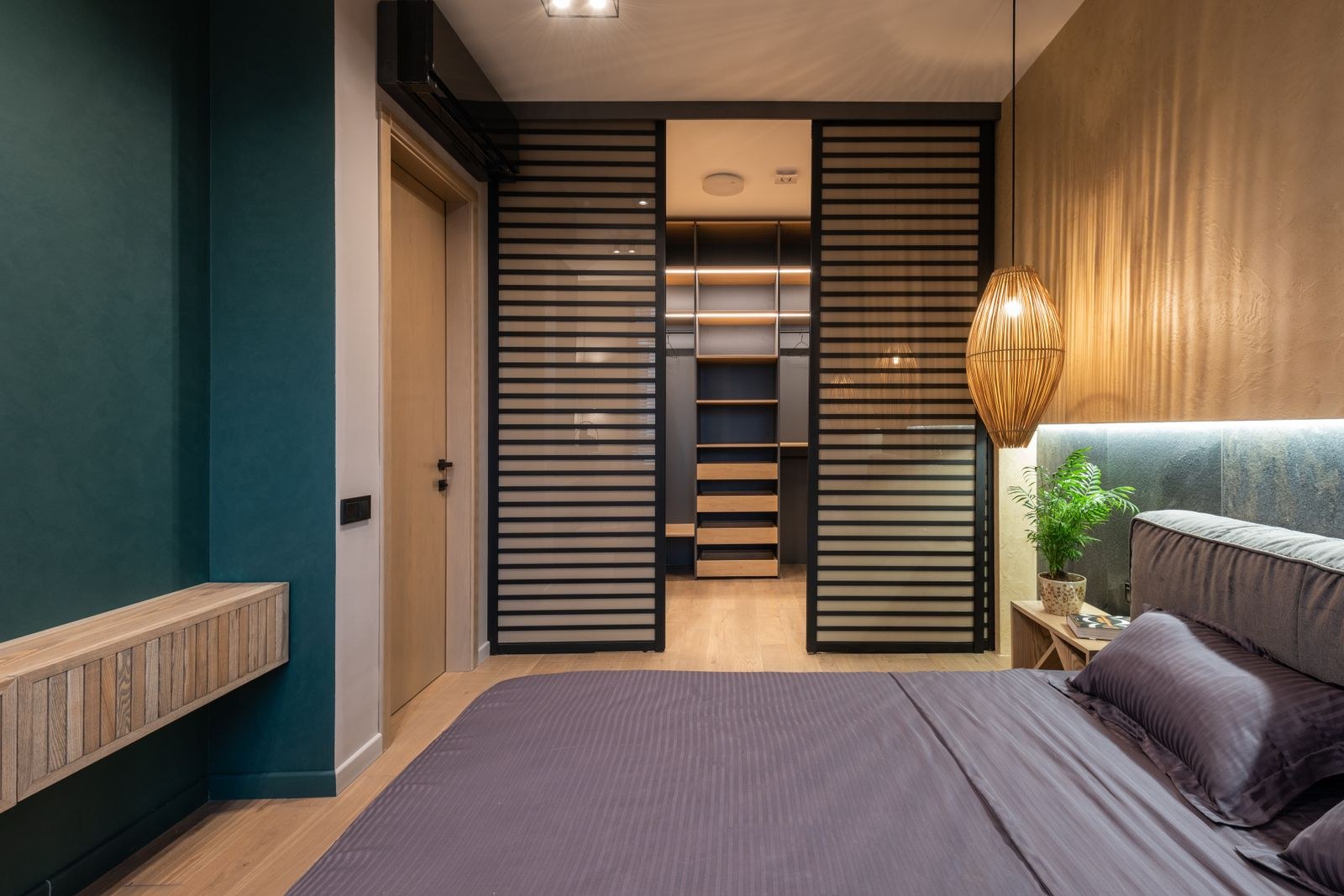
The booking advice the record does carry is about the side and the season: a room whose window takes the slope rather than the car park, and a visit timed to the mist if the mist is the point, because the forest’s signature light is the cool-morning haze in the bamboo and it waits for no one. Book through the platforms where the lodgings are listed and through the owners’ own channels where they are not – the forest keeps no central booking desk, and the families answer the phones that the listings leave off. Say you want the guided walk when you book if the plantations are why you came, because the owners who lead them do so around their own harvest and their own quiet hours.
The forest’s own argument closes the district’s. The tea-bamboo hills are the district’s green lung – the place whose air the river town and the animal park are not – and a room among the slopes is how a traveller borrows a night of it without leaving the region. The tea rows, the bamboo groves, the mist at dawn: none of it is staged, and all of it is why the photographers set the alarm. All checked October 2026.
Words and Names
茶山竹海 Cháshān Zhúhǎi, the Tea-Bamboo Forest, in 永川区 Yǒngchuān Qū, Yongchuan District: a resort area of rolling hills planted with alternating bands of tea bushes and bamboo groves – the landscape Zhang Yimou filmed for Ten Thousand Swords – with mountain lodgings from family guesthouses with slope-facing verandas to small boutique hotels built into the hillside. Breakfasts feature local produce – tea eggs, bamboo shoots, the owners’ own eggs – and some houses arrange guided plantation walks. No named house, posted rate or founding date is on the record consulted, and none is invented here.
What the Locals Know
The local knowledge is the side and the hour. The side is the slope-facing veranda: the rooms that open onto the planted hills are the forest’s quiet best, and a booking that takes the first road-side listing gets the car park instead of the bamboo. The hour is the cool morning – the mist stands in the groves at first light and the photographers’ alarms go with it – and the second hour is the hot afternoon the basin below sweats through, when the hill’s cool is the whole reason to be there. Ask the owners for the guided walk when you book, because the plantations they lead you through are the ones they harvest. What the record does not carry is any house ranking or posted rate, and the page declines both.
Practicalities
Price. A middle band, quoted as a shape and not a rate: the family guesthouses start around the hundred-yuan mark a night, the small boutique blocks on the slope run a little higher, and the forest’s cool keeps both bands calmer than the district seat through the summer. No posted rate for any house is on the record consulted, and the page quotes none – the platforms carry each week’s actual figures, and the midweeks sit at the calmer end of every band.
Address. The lodgings stand through the resort area of 茶山竹海 Cháshān Zhúhǎi, the Tea-Bamboo Forest, in the hills of 永川区 Yǒngchuān Qū, Yongchuan District, strung along the forest roads rather than in one centre. No house-by-house addresses are on the record consulted; the working description is the slope and the view, and the booking call resolves which veranda is yours.
Rooms. Bands, not brands: family guesthouses with slope-facing verandas and plain baths at the lower end, small boutique rooms built into the hill at the higher end, both sleeping to the bamboo wind. Breakfast is the forest’s – tea eggs, bamboo shoots, fresh eggs – and the better houses arrange guided walks through the plantations. Ask which window takes the slope and how far the room sits from the road, because the view is the room’s one indulgence.
Getting there. Self-drive is the practical way, the forest roads climbing from the district seat into the planted hills with parking at the houses, and the mild-weather months bring the walkers and the photographers on the same roads. The last stretch is the forest lane, luggage rides to the door, and an early arrival – before the day visitors to the groves – is the timing the stay is built around.
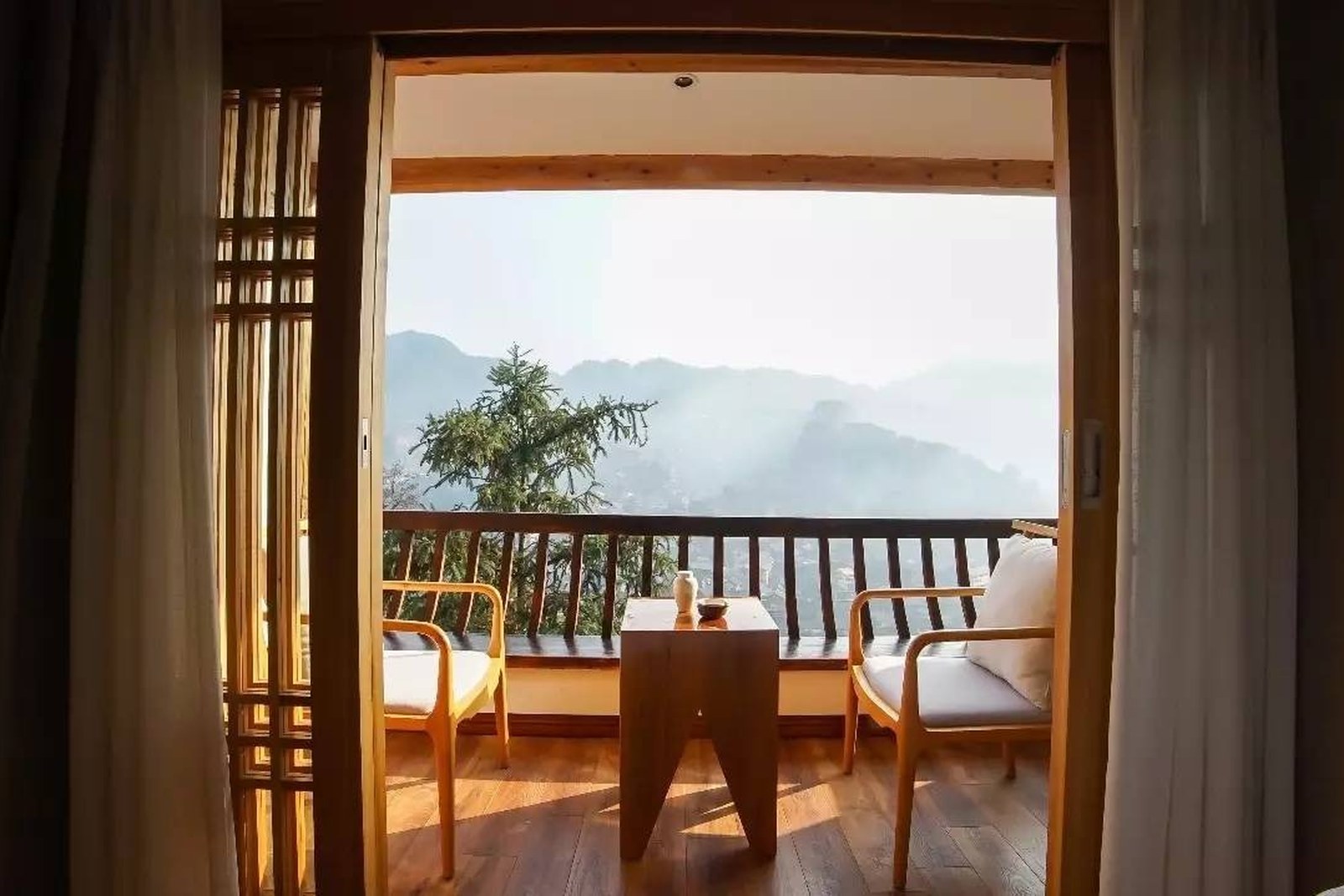
flowcloud would say that the Tea-Bamboo Forest’s lodging is the mountain range – family guesthouses with slope-facing verandas and small boutique blocks built into the hill, both sleeping to the bamboo and the mist – and that the correct way to book one in 永川区 Yongchuan District is the slope-facing room for the cool-morning haze, because no named house or posted rate survives in the record consulted and none is invented. All checked October 2026.
Where to stay: the lodgings stand through the resort area of 茶山竹海 Cháshān Zhúhǎi, the Tea-Bamboo Forest, in the hills of 永川区 Yǒngchuān Qū, Yongchuan District, bookable on the platforms where listed and through the owners’ own channels; named properties, posted rates and founding dates are not on the record consulted and none is invented here. Pair this page with the forest page for the tea rows and the bamboo groves outside the window, and the misty-morning walk for the photograph the forest is known for.