
The cable car goes directly over the roof of the building. Not near it — over it, at a height where you can see the windows of the cabins and hear the hum of the haul rope, because 天门山 Tiānmén Shān rises straight out of the edge of 张家界 Zhāngjiājiè city and the cableway station is in the middle of town. Staying in one of the small inns on the streets below it means that when you step outside in the morning your first sight is a line of gondolas climbing into the cloud, and it is a very good way to start a day.
The Mountain at the End of the Street
Most of the scenery in 张家界 Zhāngjiājiè is an hour or more outside the city, in 武陵源 Wǔlíngyuán — which means that everyone visiting the sandstone pillars stays either in the park or in the resort town, and the city itself is treated as a transport hub. 天门山 Tiānmén Shān is the exception. It stands on the southern edge of 张家界 Zhāngjiājiè city in 永定区 Yǒngdìng Qū, and the base station of the cableway is a ten-minute walk from the centre, which makes the city genuinely worth a night or two of its own.
The mountain is famous for its hole. 天门洞 Tiānméndòng, Heaven’s Gate, is a natural arch punched clean through the summit ridge — 131.5 metres high, 57 metres wide and 60 metres deep — and it is the sort of thing that has been a sacred site for centuries and a stunt location for the last thirty. Below it, the road up is the 通天大道 Tōngtiān Dàdào, the Road to Heaven, a hairpin sequence of ninety-nine bends climbing the face of the mountain, which is a remarkable piece of engineering to look at from the cable car and a memorable piece of driving to experience from inside a bus.
The cableway itself is one of the longest passenger ropeways in the world, running several kilometres from the city up to the summit, with the middle section crossing a valley at a height that makes people stop talking. It is, however, frequently closed for maintenance or wind, so check before you build a day around it — there is a bus-and-stairs route up as well.
Staying in the City
The lodgings clustered around the cableway base station and the streets behind it are a mix of small hotels and 民宿 mínsù, in the Chinese sense: converted buildings of a few floors, owner-managed, with rooms that are usually better than the price suggests. This is where a lot of independent travellers to 张家界 Zhāngjiājiè end up, and it works well.
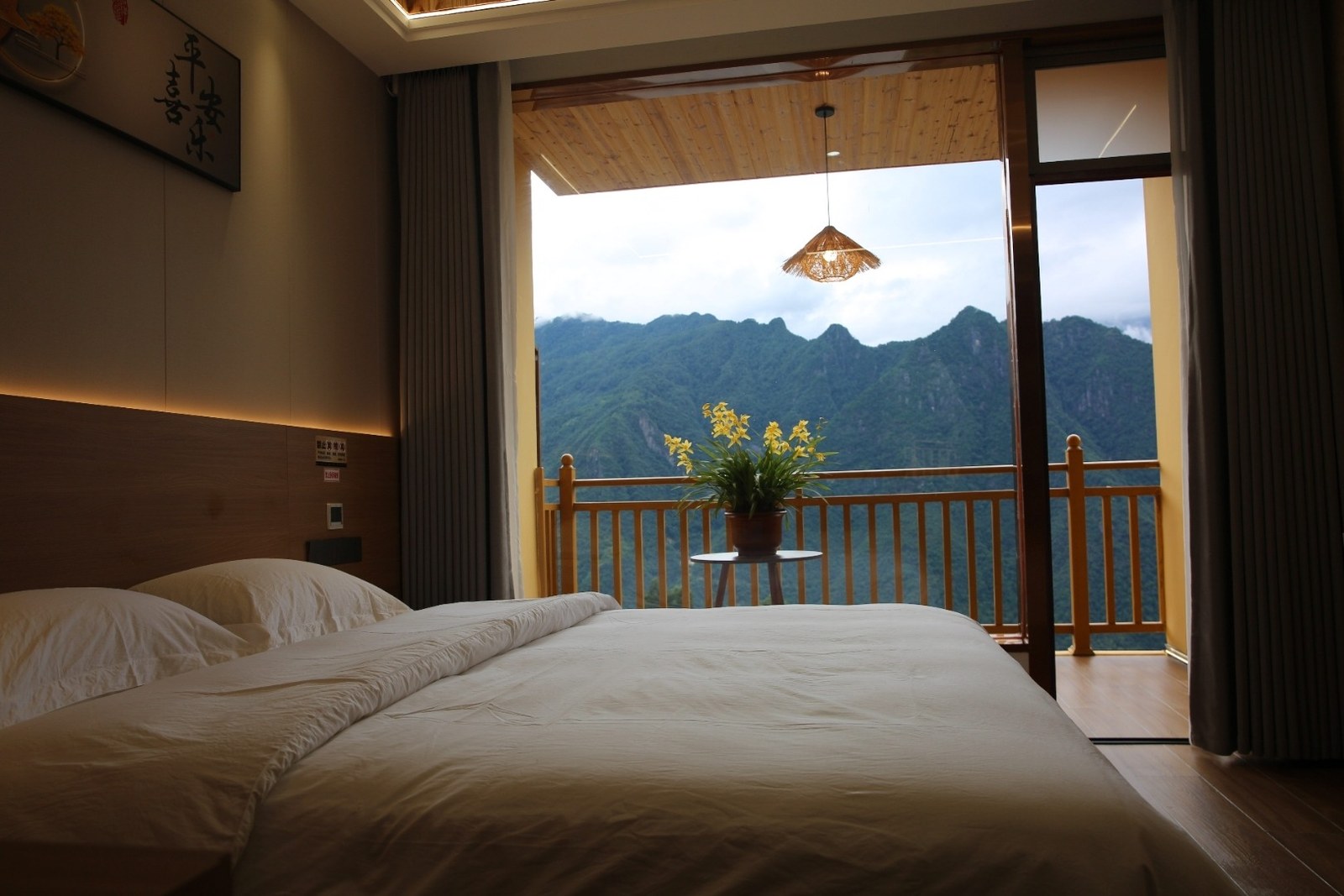
Expect a clean double room, a private bathroom, reliable hot water, air conditioning and often a small balcony over a street full of noodle shops. A lot of them will help you book park tickets, arrange a driver to 武陵源 Wǔlíngyuán, or hold bags while you go up the mountain for the day — this is the practical advantage of staying somewhere owner-run in a city that exists partly to move travellers around.
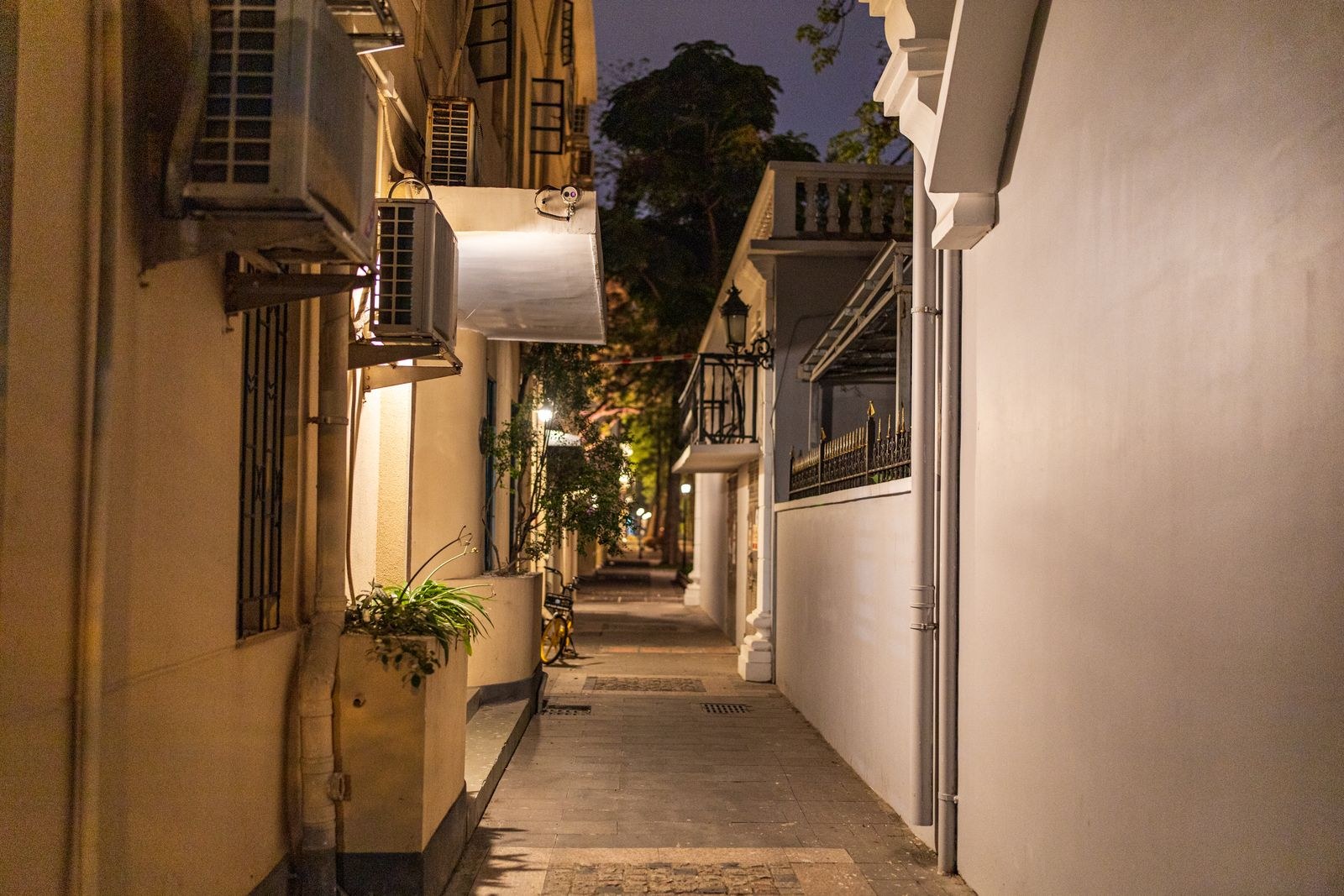
Ask for a room on an upper floor facing the cableway and you will have the gondolas going past above you; ask for one facing away and you will have a quiet night, because the base station starts running early. The streets immediately around the station are busy and bright; the ones two blocks back are much calmer and cheaper and just as close.
Practicalities
Price. Small hotels and 民宿 (mínsù) near the cableway base station run about ¥150–350 a night, with the better rooms at ¥400–600 in the peak weeks and over the October holiday. They are noticeably cheaper than the equivalent in 武陵源 (Wǔlíngyuán) resort town, and you are in a real city with real restaurants.
Address. Streets around the 天门山 (Tiānmén Shān) cableway base station, 永定区 (Yǒngdìng Qū), 张家界 (Zhāngjiājiè) city, north-western 湖南 (Húnán); about 10 minutes on foot from the city centre and the main shopping streets.
Rooms. Owner-run small hotels and 民宿 (mínsù) with doubles, twins and family rooms; clean, en-suite, air-conditioned, generally with a lift and often a small balcony. Ask for an upper floor and a room facing the cableway for the view, or a room on the opposite side for quiet. Confirm whether they will store luggage or help with park and cableway tickets.
Getting there. 张家界 (Zhāngjiājiè) has a station on the high-speed rail line and an airport, both a short taxi ride from the city centre and the cableway station; the 武陵源 (Wǔlíngyuán) park entrances are about 40 minutes away by road, and most inns can arrange a car. Buy the 天门山 (Tiānmén Shān) ticket in advance in the high season, since the cableway and the mountain road both run on timed entry, and check on the day whether the cableway is operating.
flowcloud would say that a city with a mountain in it is a better city than a city with a mountain near it, and that a place where you can walk out of your door and go straight up into the cloud is doing something most tourist towns have to build a bus network to fake.
Where to stay: Tianmen Mountain foothill inns, 永定区 (Yǒngdìng Qū), 张家界 (Zhāngjiājiè) city, north-western Hunan, around the 天门山 (Tiānmén Shān) cableway base station. Rooms from about ¥150 a night, better ones ¥400–600 in peak weeks, cheaper than 武陵源 (Wǔlíngyuán) resort town. Ten minutes on foot from the city centre, a short taxi from 张家界 (Zhāngjiājiè) rail station and airport, and 40 minutes by road from the 武陵源 (Wǔlíngyuán) park entrances. Book the mountain ticket ahead, ask for an upper floor facing the cableway, and ride up early before the cloud burns off.