
Tilanqiao Stays: Heritage Lanes, Museum Mornings and Temple Incense in Hongkou District, Shanghai
提篮桥畔史痕静,下海庙前香火温。Tílánqiáo pàn shǐhén jìng, Xiàhǎi Miào qián xiānghuǒ wēn – By Tilanqiao bridge the marks of history lie quiet; before Xiahai Temple the incense keeps warm.
The stay around 提篮桥 Tílánqiáo Tilanqiao – the low-rise historic quarter on the river side of 虹口区 Hóngkǒu Qū Hongkou District, 上海 Shànghǎi Shanghai, where the lanes around 霍山公园 Huòshān Gōngyuán Huoshan Park preserve the streets that sheltered Jewish refugees in the war years, where the 上海犹太难民纪念馆 Shànghǎi Yóutài Nànmín Jìniànguǎn Shanghai Jewish Refugees Museum keeps its collection around the former 摩西会堂 Móxī Huìtáng Ohel Moshe Synagogue on Changyang Road, where the incense of 下海庙 Xiàhǎi Miào Xiahai Temple drifts over the crossroads that gave the quarter its name, and where metro line 12 stops at 提篮桥站 Tílánqiáo Zhàn Tilanqiao station – is the district’s heritage-quiet market. The guests are a particular book: history-minded travellers who plan mornings around the museum’s rooms and the memorial plaques set into the lanes, slow walkers and repeat Shanghai visitors who have already collected the towers and now collect neighbourhoods, and quiet-seeking callers who price an authentic street over a concierge desk. The stock is modest and honest in proportion: small boutique guesthouses and character rooms in renewed blocks, mid-range comfort hotels near the station mouth, and budget-friendly rooms on the lanes where the prices remember the neighbourhood is the attraction. Nobody books Tilanqiao for a gym and a sky lobby; they book it because the lane outside the window is the exhibit, the temple bell is the alarm clock, and the riverfront promenade is a stroll the district’s louder quarters cannot match.
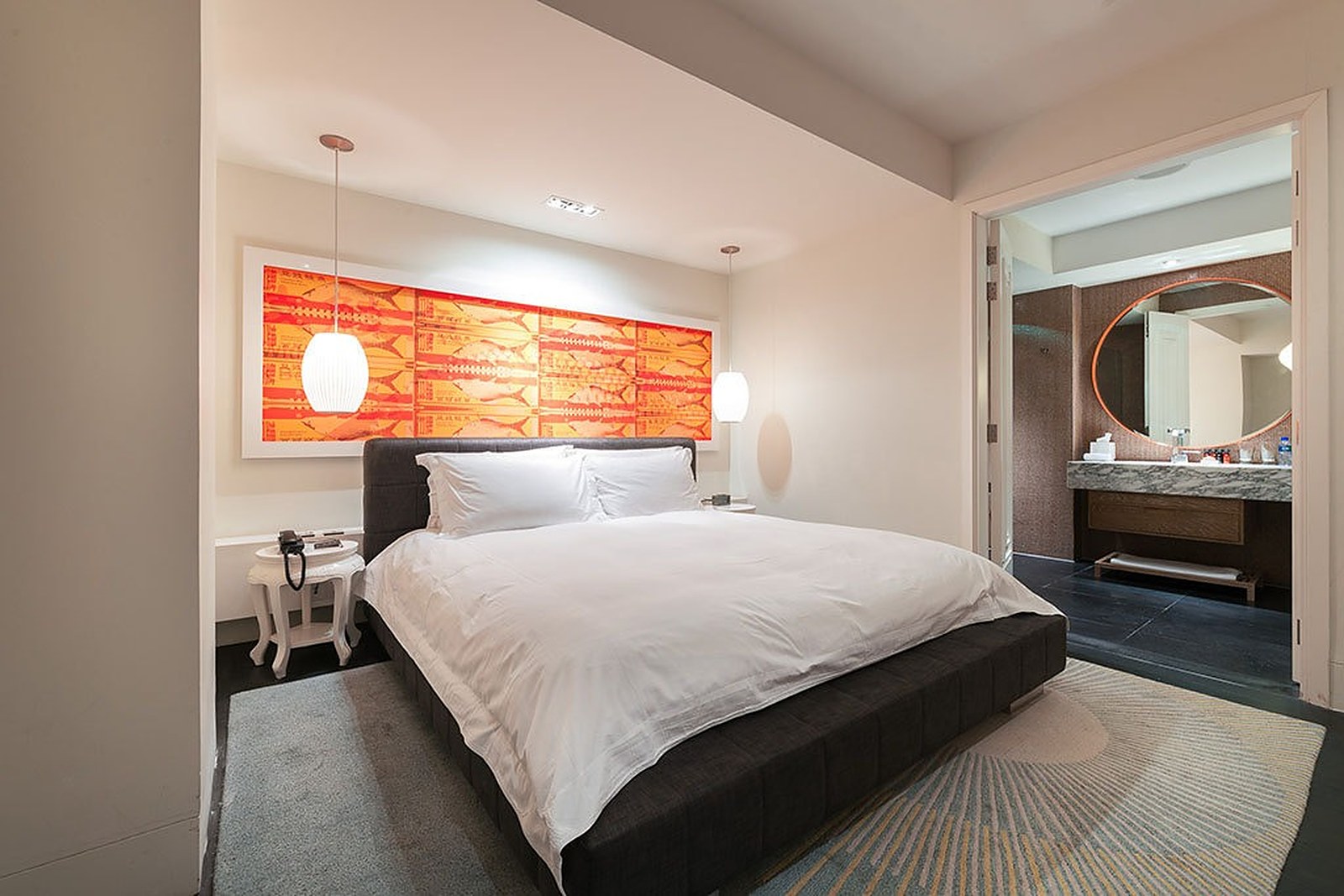
Call it honestly: this is a lived-in residential quarter, not a hotel district, and the difference has terms. Rooms in the historic blocks run small, standards run room to room in the conversions, and lifts were retrofitted where they exist at all (worth confirming the details for room size, floor and bathroom configuration before booking a heritage conversion – the catalogue photographs flatter the staircases). Dining is neighbourhood-grand rather than restaurant-grand: excellent local noodle and breakfast streets, temple-adjacent vegetarian tables and corner shops at resident prices, but the evening map closes early and late-night diners will ride line 12 or order delivery (worth confirming your block’s position and the evening opening hours before committing – addresses labelled “Tilanqiao” can sit a long walk apart). Line 12 at Tilanqiao station reaches the network cleanly – the North Bund’s towers are one stop, the old city a change away – but the quarter’s own pleasures are on foot, and the riverfront means a stroll, not a step. Against every caveat stands the product: lane-after-lane of period facades that survived because nobody rebuilt them, mornings in Huoshan Park with the chess players and the plane trees, incense at the temple gate at opening hour, and night-time quiet that the commercial belts cannot sell at any price – heritage air at guesthouse money is the quarter’s formula, and the museum’s story gives every walk its weight.
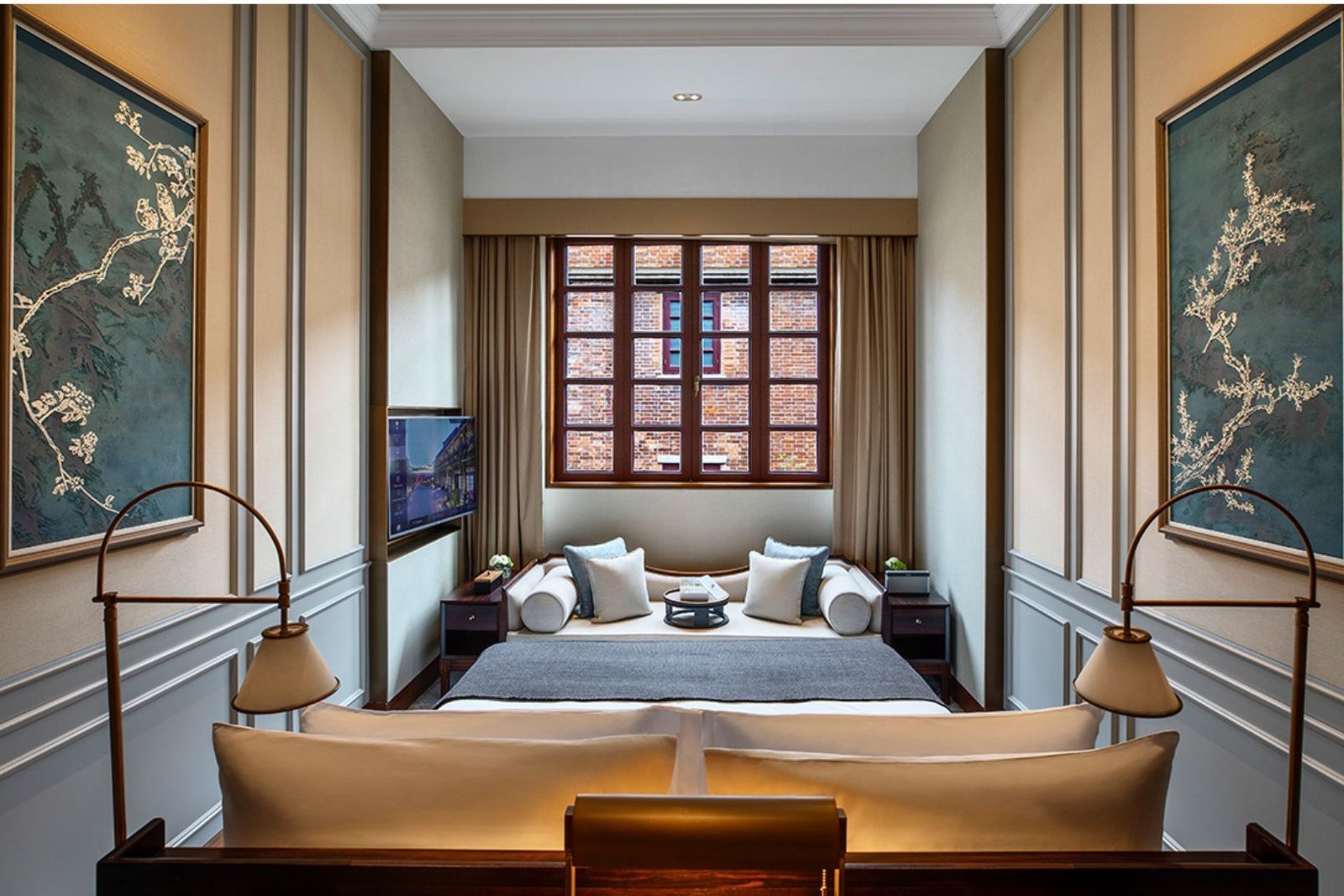
What gets oversold is the word “ghetto” on the tour pages – the wartime 隔离区 gélíqū designated area is a chapter of survival and neighbourliness best absorbed inside the museum before you walk the lanes, and the quarter today is an ordinary, friendly Shanghai neighbourhood that happens to carry extraordinary history, not a frozen open-air museum (worth confirming which guided walks and which memorial plaques are current before building an itinerary around them). What gets oversold, too, is the “boutique heritage stay” label: a renewed lane facade does not guarantee a renovated room, and the honest conversions photograph their staircases because the staircases are the best of it. What repays the effort is the morning shift: the museum’s quiet first hour, Huoshan Park under the plane trees while the chessboards fill, the temple’s courtyard before the incense thickens, and the walk down to the riverfront where the North Bund’s towers rise like a different century – a compression of the city’s whole story inside one flat walk, included free with the room. For longer stays the dividend deepens: lane grandmothers who nod by the third morning, the breakfast stall that learns your order, the bench that holds the afternoon sun. Book Tilanqiao when the story is the itinerary’s co-star and quiet is the room’s main feature; book the towers when a river view outranks a lane. This quarter trades depth, not dazzle – and it pays.
Nearly everything else on this Hongkou list sits within a short ride of the station: choose 鲁迅公园周边住宿 Lǔxùn Gōngyuán zhōubiān zhùsù Luxun Park hotels for the park-side belt, 北外滩酒店 Běiwàitān jiǔdiàn North Bund hotels for the river-view towers, 虹口足球场住宿 Hóngkǒu Zúqiúchǎng zhùsù Hongkou Stadium stays for the double-line event quarter and 曲阳商务酒店 Qūyáng shāngwù jiǔdiàn Quyang hotels for residential business value – four more doors into the same 虹口区 Hóngkǒu Qū Hongkou District. Book the heritage bed, then let our Hongkou travel guides and the district’s food map fill the daylight hours.
The Stays
- 提篮桥历史街区精品民宿 Tílánqiáo lìshǐ jiēqū jīngpǐn mínsù boutique guesthouses in the historic Tilanqiao lanes – small character rooms in renewed period blocks; confirm floor, lift and renovation room by room.
- 提篮桥站口舒适型酒店 Tílánqiáo Zhàn kǒu shūshì xíng jiǔdiàn comfort hotels by Tilanqiao station – mid-range rooms at the line-12 mouth with modern standards; the practical pick of the quarter.
- 下海庙周边安静客房 Xiàhǎi Miào zhōubiān ānjìng kèfáng quiet rooms around Xiahai Temple – laneside rooms trading on temple mornings and resident quiet; slow walkers’ pick.
- 滨江一隅性价比住宿 bīnjiāng yīyú xìngjiàbǐ zhùsù value stays a stroll from the riverfront – budget-friendly rooms trading on promenade access and heritage air; the honest cheap sleep of the quarter.
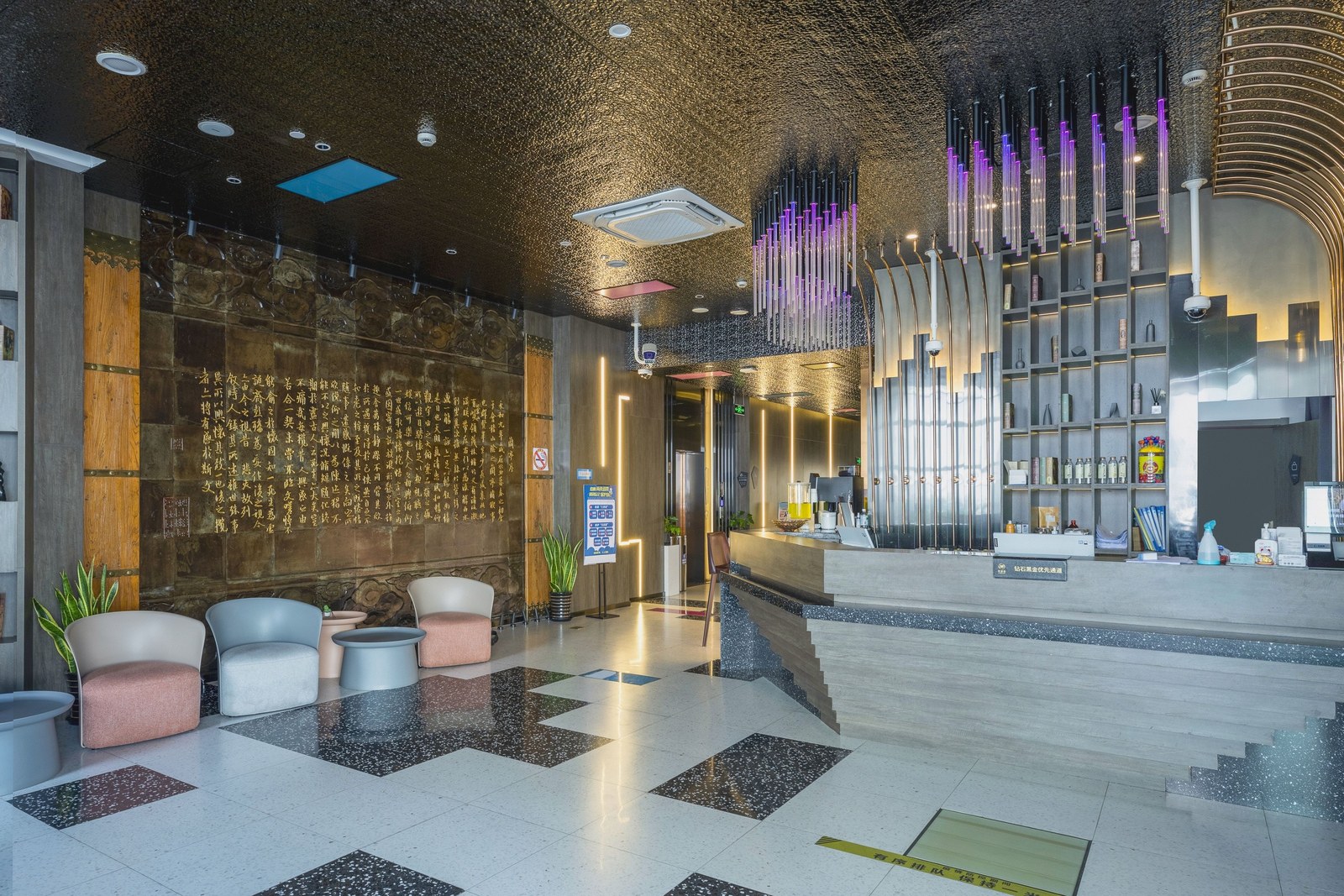
flowcloud would say that the Tilanqiao stay is a bed bought for the story in the lanes outside it – heritage conversion to station-mouth comfort room in the October 2026 snapshot, all worth confirming the details – and that the honest move is to start inside the museum before walking the memorial streets, forgive the small rooms and the early-closing evenings, and take Huoshan Park’s benches at opening hour, because the neighbourhood’s depth is the amenity and the modest stock is the price – the temple keeps the only bell. All checked October 2026.
Where to stay: Base yourself near 提篮桥 Tílánqiáo Tilanqiao station for Line 12 and the museum quarter, or along 海门路 Hǎimén Lù Haimen Road for the local eateries, favouring courtyard-side rooms set back from the main road for a quieter night. All checked October 2026.