
You are woken by somebody sweeping a stone courtyard and, a minute later, by the sound of a wind-and-rain bridge taking the first walkers of the day. The house is Dong: a timber frame on stone piers, three rooms deep, with a fire pit in the middle of the ground floor that has never been allowed to go out, black smoke curing the rafters above it, and a grandmother’s embroidery on every bed — 侗锦 Dòngjǐn, Dong brocade, in indigo and white, with patterns that are geometric from a distance and, up close, birds. She will not let you leave without a bowl of oil tea, and the oil tea will contain rice puffs, peanuts, fried soybeans and a small amount of something very salty that you will not be able to identify.
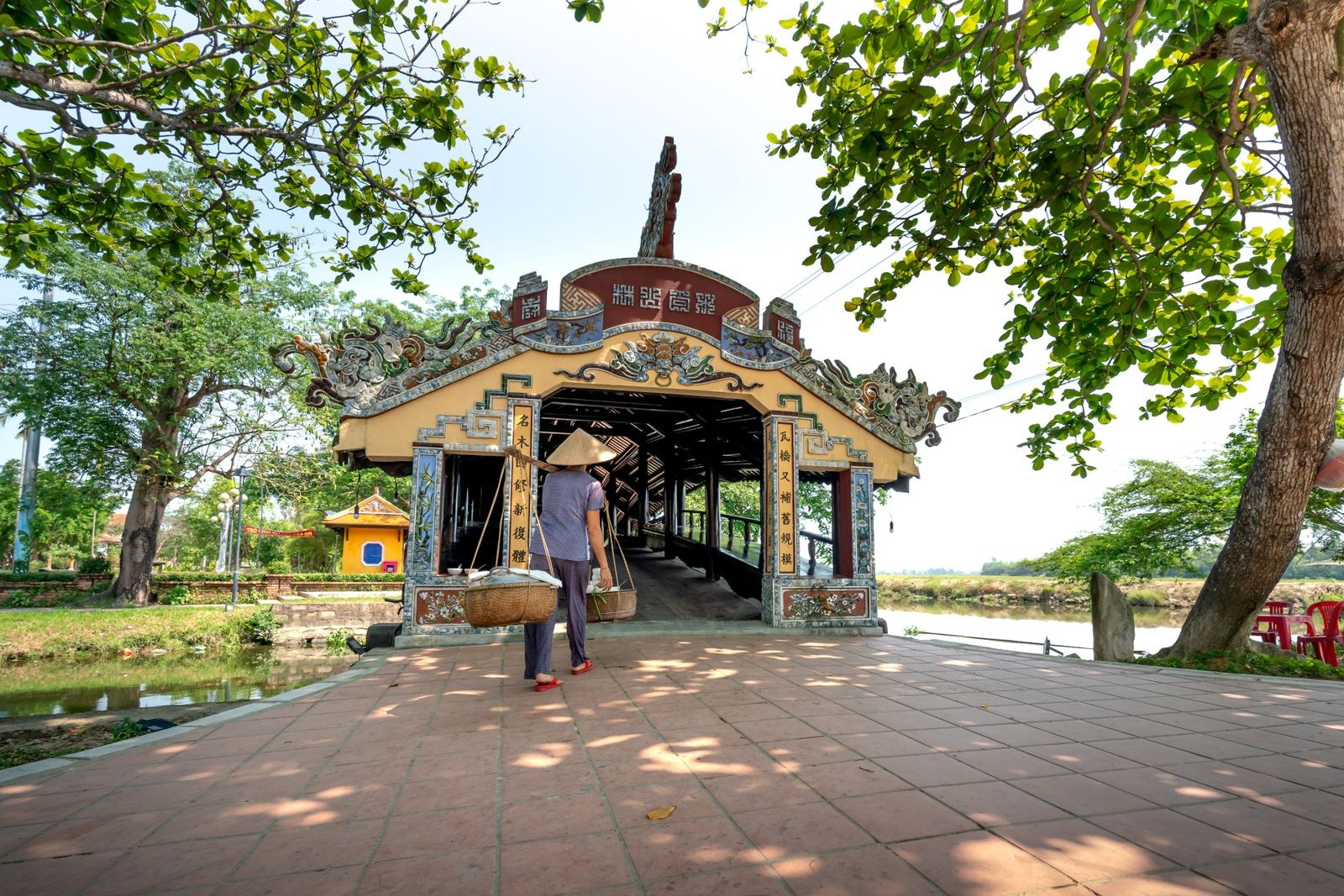
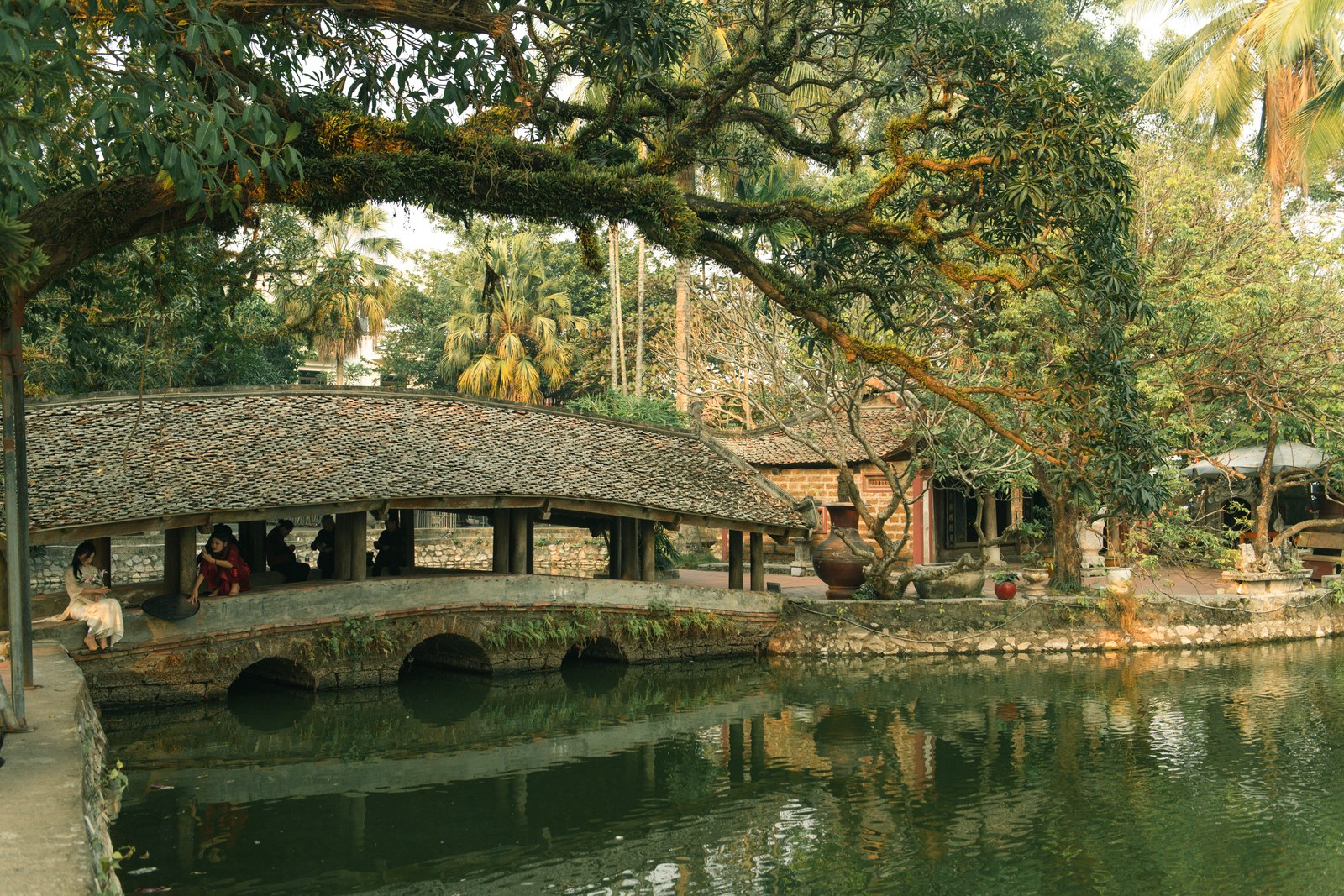
通道侗族自治县 Tōngdào Dòngzú Zìzhìxiàn is the southernmost county of 怀化 Huáihuà, on the old road into Guangxi, and it holds one of the densest concentrations of surviving Dong architecture anywhere. In a single valley you can find four 鼓楼 gǔlóu — drum towers, the multi-tiered wooden pagodas that are the social centre of a Dong village — plus 风雨桥 fēngyǔqiáo, the covered bridges, a 萨坛 sàtán shrine, and houses that have been continuously occupied since the Ming. The homestays are in the villages around 双江镇 Shuāngjiāng Zhèn, mostly in 芋头村 Yùtóu Cūn and the villages beyond it, and they are exactly what they say they are: family houses with a room to spare.
The bed is a hard wooden platform with a mattress on it, the bathroom is shared or a wet room attached at the back, and the water is heated by a solar panel and is therefore hot in the afternoon and tepid at seven in the morning. A double with meals runs ¥150–300. What you get in return is a village where the 鼓楼 gǔlóu is full of old men arguing in the evening, where the 芦笙 lúshēng — the bamboo mouth organ — comes out for festivals, and where the food is the real thing: 腌酸鱼 yān suān yú, fish fermented in rice with chilli and salt, 油茶 yóuchá, 糯米饭 nuòmǐfàn eaten with the fingers out of a bamboo basket.
What You Are Paying For
Price. ¥150–300 for a double, meals usually included. The most expensive versions have a private bathroom and a heater; the cheapest have neither, which in a Hunan mountain winter is a serious consideration.
Address. 芋头村 Yùtóu Cūn and neighbouring villages, 双江镇 Shuāngjiāng Zhèn, 通道侗族自治县 (Tōngdào Dòngzú Zìzhìxiàn), 怀化市 (Huáihuàshì).
Rooms. A handful of rooms in each of several houses, arranged by phone and increasingly through short-video platforms rather than booking sites. Ask specifically whether the room has 独立卫生间 dúlì wèishēngjiān.
Getting there. 通道站 Tōngdào Zhàn on the 贵广 high-speed line is about thirty minutes from the county town; from there a taxi or the village bus. 桂林 Guìlín is closer than 怀化 Huáihuà, which is worth knowing when you plan the route.
What the Locals Know
Oil tea is a meal, not a drink. 油茶 yóuchá is served in a small bowl, refilled twice or three times, and refusing the second bowl is a mild insult. Eat what is in the bowl with a spoon before you drink.
Do not photograph people without asking. These are living villages, not exhibits, and the etiquette is the ordinary one.
Go for a festival if you can. 大戊梁歌会 Dàwùliáng Gēhuì, the great song gathering, is held here in the weeks around 立夏 and involves three days of singing; the 侗族大歌 Dòngzú dàgē, polyphonic singing without accompaniment, is on the UNESCO intangible heritage list and sounds nothing like Chinese folk music as most visitors imagine it.
Bring a torch. Village lanes have no lighting and the bridges are unlit at night.
Where to Stay
In the village, for the reason you came. 通道县城 Tōngdào xiànchéng has ordinary hotels with hot water at any hour and is thirty minutes away, which is the correct fallback in January. Two nights in a village gives you one day of walking between hamlets and one evening in the drum tower; a week is what people who come back for the festival do.
flowcloud would say that a house with a fire that has not gone out, a bed with a grandmother’s embroidery on it, and a tower in the middle of the village that belongs to everybody, is a more sophisticated piece of social engineering than most of what gets called architecture, and that the cost of a night here being less than a hotel breakfast elsewhere is a fact worth sitting with.
Where to stay: 芋头村 (Yùtóu Cūn), 双江镇 (Shuāngjiāng Zhèn), 通道侗族自治县 (Tōngdào Dòngzú Zìzhìxiàn), 怀化市 (Huáihuàshì), 湖南 (Húnán). Doubles ¥150–300, meals usually included. About thirty minutes from 通道站 (Tōngdào Zhàn) on the 贵广 high-speed line. Confirm the bathroom is private, expect oil tea and drink it, come for 大戊梁歌会 (Dàwùliáng Gēhuì) if you can, and bring a torch.