
佗城镇 Tuóchéng zhèn is the old county town of 龙川县 Lóngchuān xiàn, on the 东江 Dōng jiāng in the north-east of 河源市 Héyuán shì, and it is one of the oldest places in Guangdong: the Qin established the county here in 214 BC and named the town after its first magistrate, 赵佗 Zhào Tuó, who went on to found the kingdom of 南越 Nányuè. An inn here is a converted house in the lanes behind the 百岁街 Bǎi suì jiē, a few minutes on foot from the 越王井 Yuè wáng jǐng and the 龙川学宫 Lóngchuān xué gōng, in a town of more than two thousand years that holds a hundred and twenty registered relics and almost no tourist machinery.
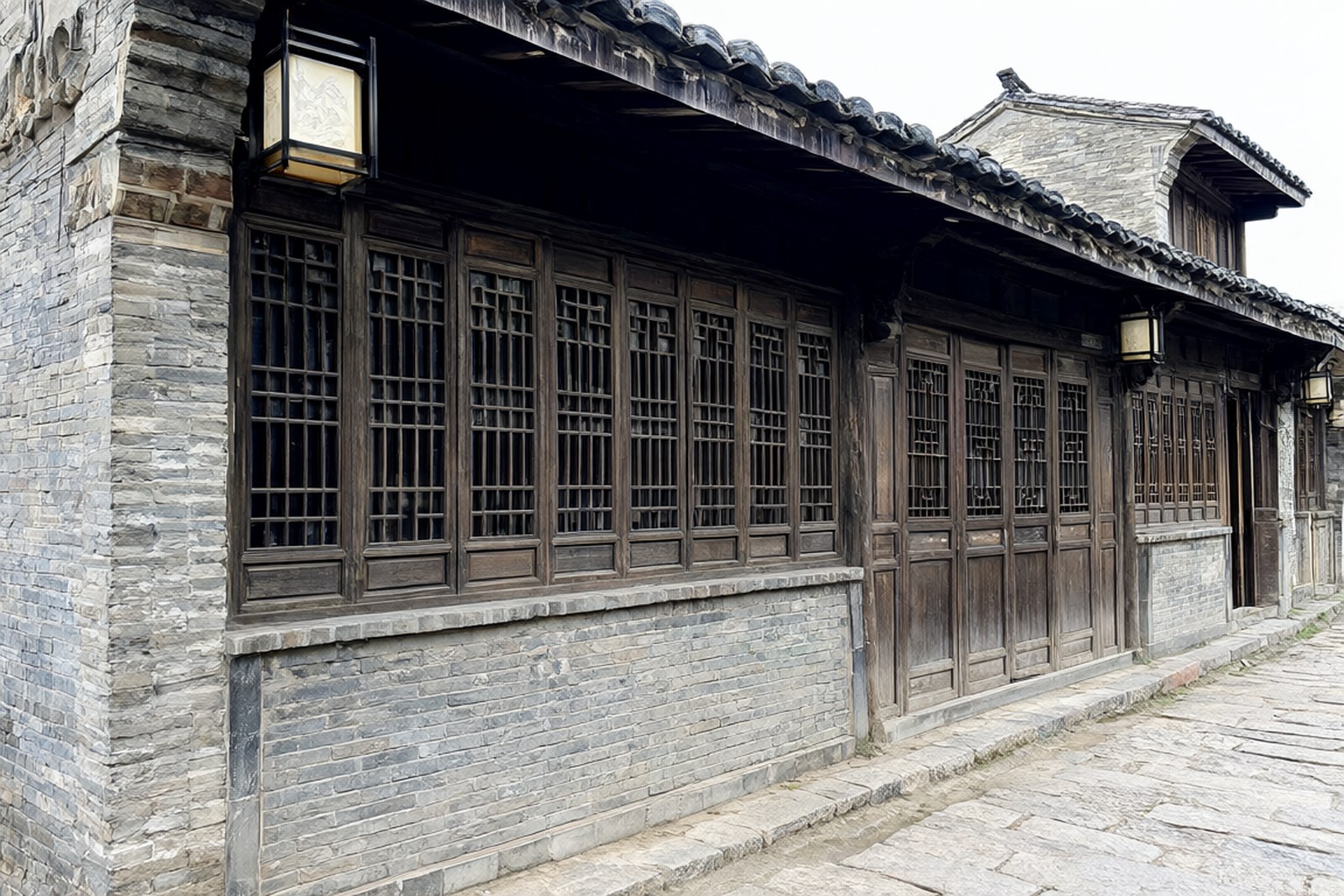
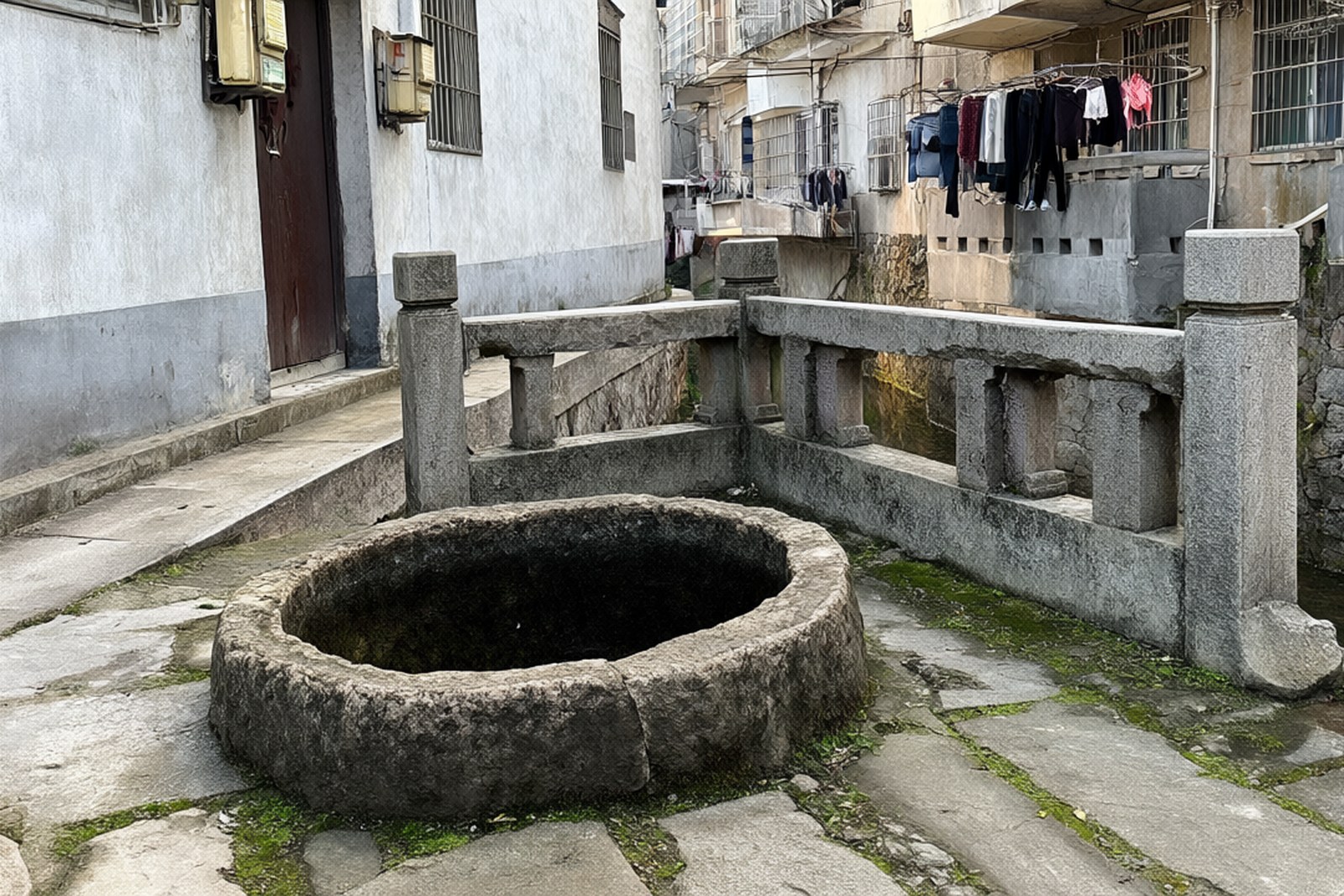
The history is the reason to be here rather than anywhere else in the county. In 214 BC, when the Qin pushed south over the passes, 赵佗 Zhào Tuó was posted to 龙川 as its magistrate, and the town he governed kept his name; when the Qin fell he closed the passes, absorbed the neighbouring commanderies and in 204 BC declared himself king of 南越, ruling from 番禺 for the better part of a century and living, by the record, into his nineties. The 越王井 in the town is the well attributed to him, and it is only one of the pieces of a very deep past that are still standing: a Tang brick pagoda, the 正相塔, on the river bank; the stone landing of the 宋代 西门码头; and a run of Ming and Qing buildings in the lanes, including a city god temple, the Confucian hall of the 学宫, and the 考棚 kǎo péng, the examination sheds, which are the only surviving imperial examination halls in the province.
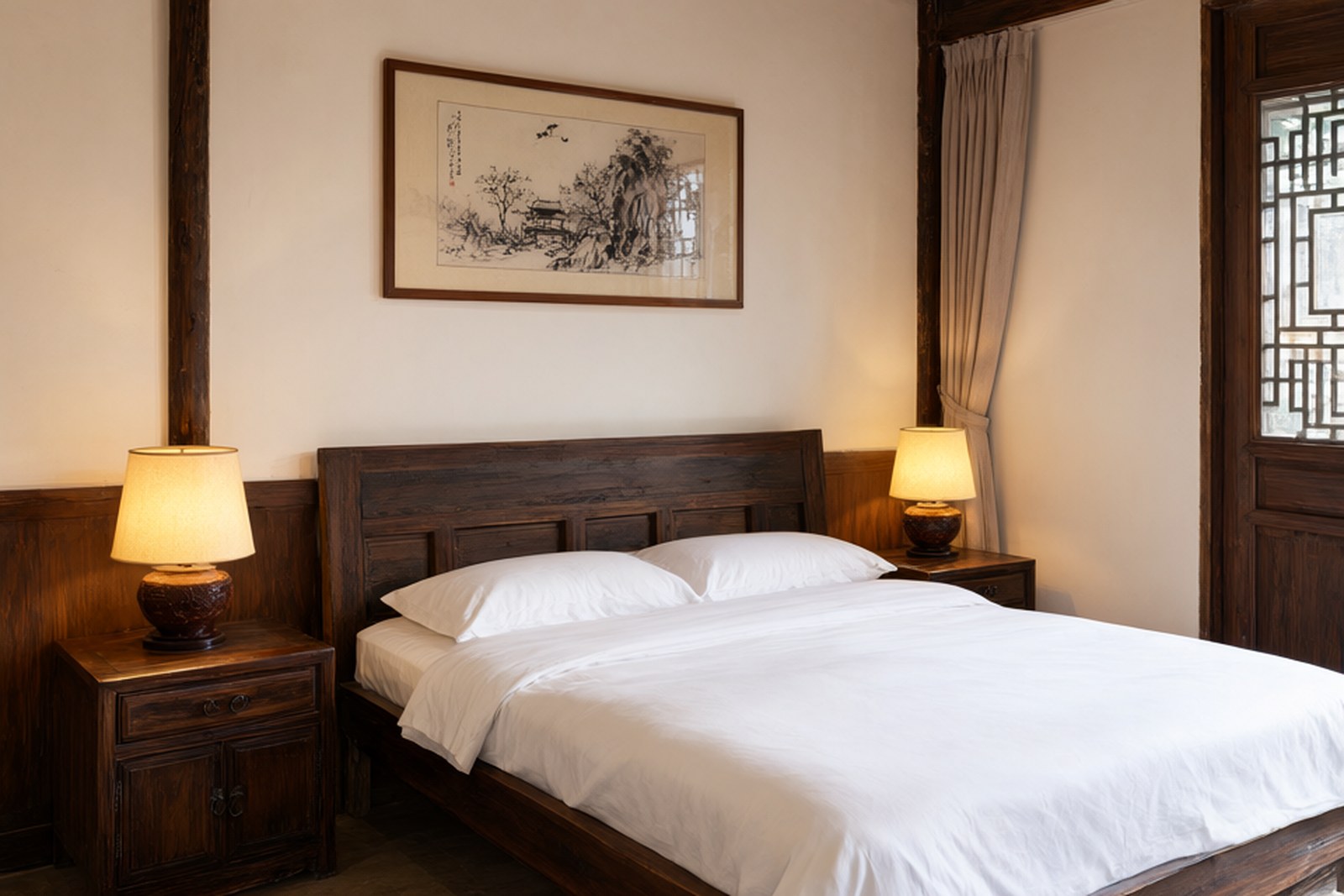
Since August 2025 the core of the old town has been free to enter, and the town has been busier for it, with several thousand visitors a day at weekends and a slowly appearing row of guesthouses, snack shops and tea places along 百岁街. That is the moment this inn belongs to: a house of eight or ten rooms rather than a hotel, with a small yard, timber furniture and white bedding, a kettle and a painting on the wall, and a family that may or may not cook. The food of the county is worth the stay on its own: 车田豆腐 Chētián dòufu from the village of that name, pressed hard and fried or braised; 龙川鱼生 Lóngchuān yú shēng, the raw-fish dish the county is known for, sliced paper-thin and eaten with a dozen condiments; and the 客家 Kèjiā clay-pot braises and 山茶油 shān chá yóu, camellia-seed oil, stewed chicken.
What the position gives you is a base in the north-east of the city region, which is where the good walks are. The old town itself takes a slow half day: the 学宫 with its 大成殿, the examination sheds, the city god temple, the 越王井, the 南越王庙 and the lane houses in between, then the 正相塔 down by the water and the long view across it. 霍山 Huò shān, the red sandstone mountain in 田心镇, is forty minutes away and is the best day out in the county; 车田镇, the tofu village, is on the road to it. 林寨古村 in 和平县 is about an hour in the other direction, and 万绿湖 a little over an hour south. Two nights is right, and one of the days should be the mountain.
What the Rooms Are Like
Expect a room of fifteen to twenty-five square metres, a firm bed, air conditioning, a clean en-suite bathroom with a shower, and old timber furniture that is genuinely old. The finish is simple and the point is the house and the lane, so ask for a room off the yard rather than one facing the street. Confirm that the room has hot water and air conditioning, since a few of the converted houses manage one and not the other, and expect the town to be quiet at night and up early in the morning.
Practicalities
Price. A double in a 佗城 old-town inn runs ¥120 to ¥300 a night in the shoulder season, and more over the October week and Chinese New Year. Breakfast is often included and simple; dinner is a walk down the lane to one of the town’s restaurants.
Address. The inn is in the lanes off 百岁街 Bǎi suì jiē, 佗城镇, 龙川县, 河源市, a few minutes on foot from the 越王井 and the 龙川学宫. The nearest high-speed rail stop is 龙川西站 Lóngchuān xī zhàn on the 赣深 line, about three kilometres from the old town.
Rooms. Ask for a courtyard or lane-side room rather than one on the main street, and ask whether the house cooks. Bring cash for the small shops and the temple donations, since not every stall in the old town takes a card, and check the opening days of the 学宫 and the examination sheds, which are free but not always open at the same hours.
Getting there. From 龙川西站 a taxi to 佗城 takes about ten minutes; the station is on the 赣深 high-speed line, about half an hour north of 河源东站. By road 佗城 is roughly an hour from the centre of 河源 and two and a half from 广州. The old town is small enough to walk end to end in twenty minutes, and a car or a taxi is needed for 霍山 and 车田.
Where to stay: the small inns in the lanes behind 百岁街, 佗城镇, 龙川县, 河源市. Take a room off the yard, eat 车田豆腐 and 龙川鱼生 in the town, give the old streets a morning and 霍山 a day, and buy the county’s camellia oil on the way home.
flowcloud would say that a town which has been continuously inhabited since a Qin magistrate was posted to it in 214 BC, and which still has his well in the middle of a lane, has no need of a rebuilt old street to prove its age and is the better for not having one.