
Beneath the Canyon’s Guard: Wensu, the Early-Start Jump-Off on the Oasis
雪峰遥望绿洲眠,一夜好梦催晓行 Xuěfēng yáowàng lǜzhōu mián, yī yè hǎomèng cuī xiǎoxíng – Snow peaks watch the oasis sleep; a good night hurry the morning road
温宿县 Wēnsù Xiàn Wensu county lies one river from Aksu city and anchors the prefecture’s western line: the Tomur grand canyon runs eighty-odd kilometres west of the county town, and the classic plan – early start, red battlements and snowline by afternoon – works best from a Wensu bed the night before. The town itself is a quiet agricultural oasis ringed by walnut groves, slow-paced and cheap, a deliberate step away from big-city noise.
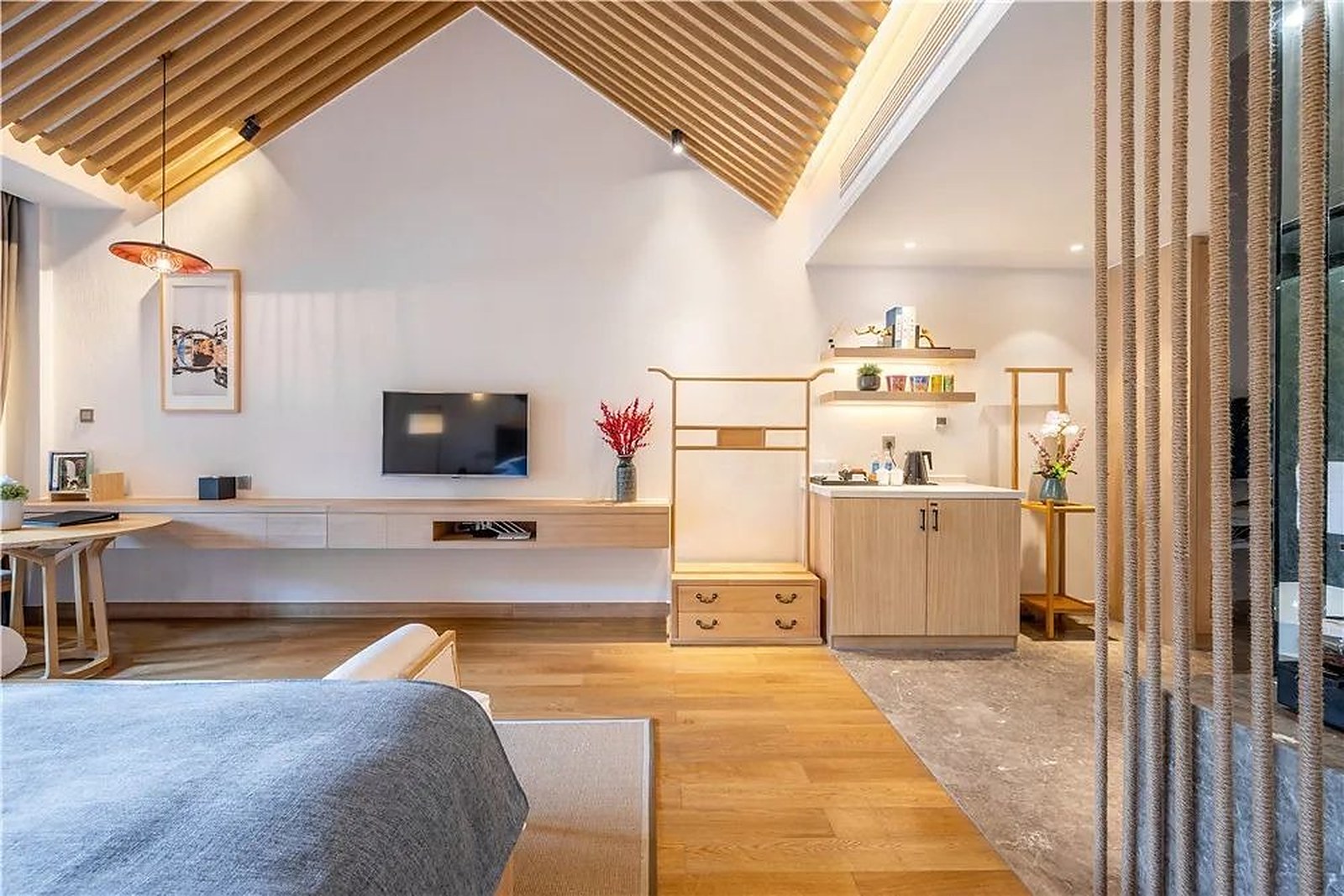
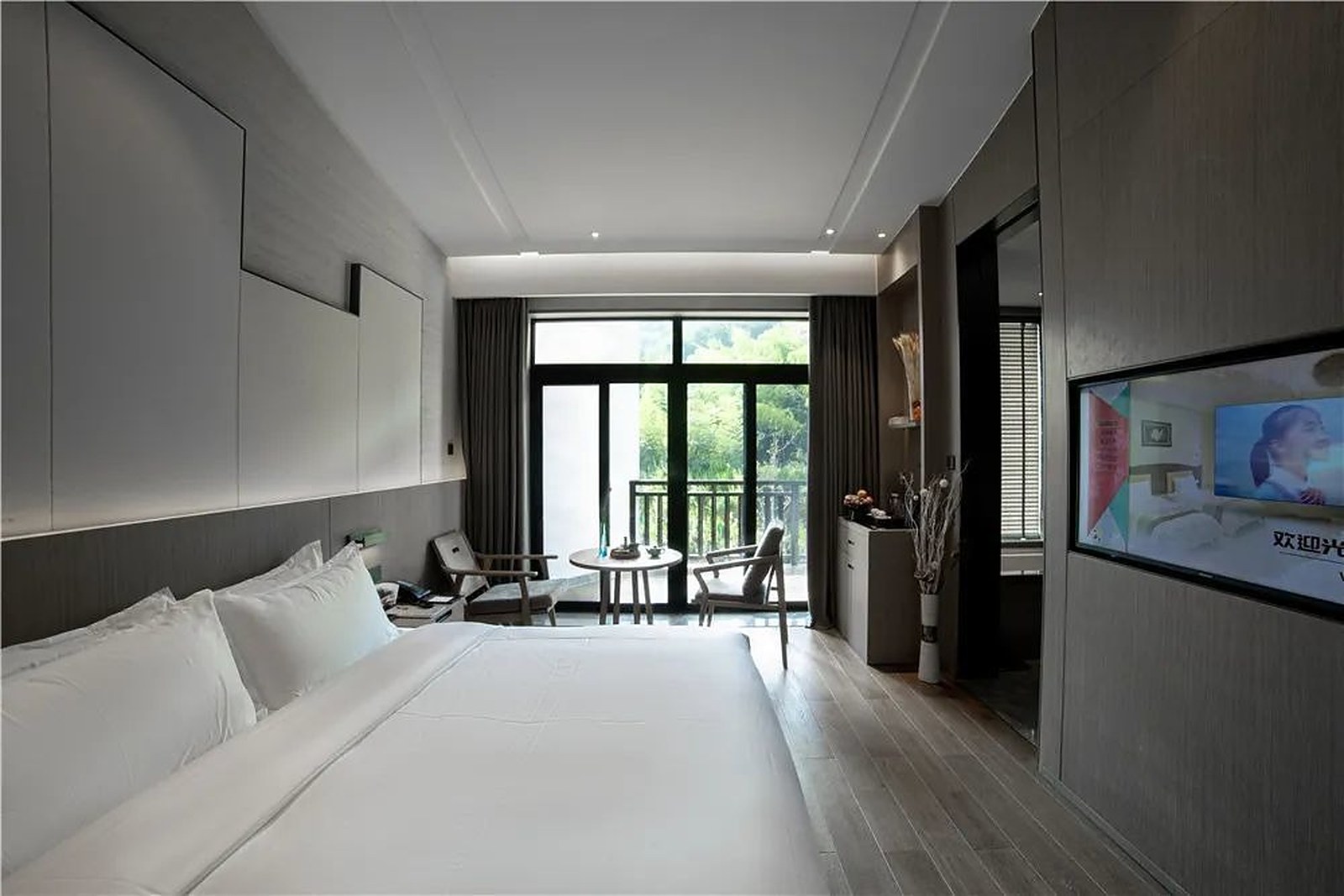
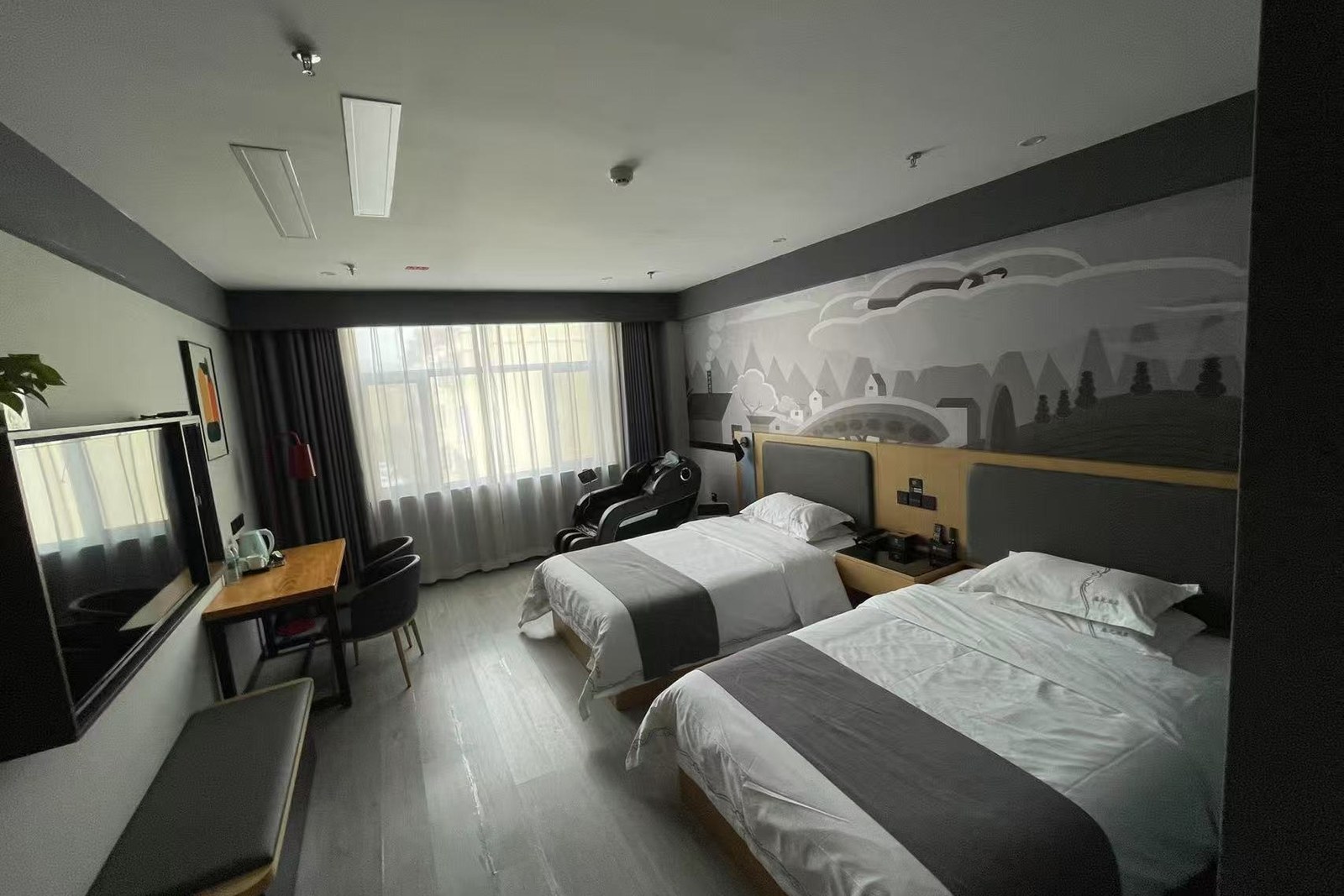
Lodging is county-hotel country: budget rooms from about a hundred yuan, clean and spacious twins with breakfast around two hundred – first-tier value among Xinjiang county towns. Hotels cluster on Longquan Road and the new-town blocks, all pragmatism: easy parking, hot water in volume, and a front desk that can phone you a canyon car. Guests wanting charm should look to the guesthouses and farmsteads along the west road, grape arbors hung with walnuts to dry, nights quiet down to the insects.
Booking logic follows the itinerary: canyon-purposed guests should sleep at the town’s north end or west exit and skip one crossing of town in the dark; those using Wensu as a hub do better near the county government, food and fuel at hand. Canyon-line drivers take note – the last twenty kilometres are gravel, the round trip must beat nightfall, and a Wensu bed buys an extra hour of light over an Aksu start. Photographers understand exactly what that hour is worth.
The town’s morning is textbook oasis agriculture: in walnut season, September-October, green husks dry across every street, and the morning market lines up naan pits, milk-tea stands, and kernel carts. A soup-and-noodles breakfast plus two thin-skin buns costs about ten yuan, and you roll out fed. Nights are quieter still – the night market’s skewer stands hold to eleven, then the lights go honest and sleep comes easy.
Hot springs and snow add hidden cards: mountain resorts north of town open in winter and spring, and soak-plus-bed packages cost barely more than a town room. Tomur’s winter snow is genuinely good, so skiers use the town as base. Summer cools too – oasis nights run several degrees below the desert rim, and sleeping needs no all-night air-conditioning.
Driving practicalities: town fuel stations stock all grades, and topping up before the canyon is iron law – the canyon direction runs eighty to ninety kilometres with no resupply. Repair shops sit on the ring road, and a post-gravel tire check costs twenty minutes and pocket change. Rail travelers should know Wensu has no station: the nearest is Aksu city, half an hour away by chartered car or bus, and heavy luggage argues for the charter.
Seasonality tracks the canyon road: the three dry seasons pass, and after heavy rain the canyon closes – Wensu rooms suddenly empty, so check weather before booking, a local specialty. In the walnut buying weeks of late September and early October, fruit traders book out most of the town’s hotels; travelers in that window need three or four days’ lead.
The town feeds its guests well: noodle and soup houses around the hotels run past ten at night, so a canyon return always finds a hot meal; summer pushes watermelon and fig carts along the curbs, and one wedge carried back to the room is standard procedure. Hotel car washes are common here – twenty yuan after the gravel road buys a clear view of snow peaks the next morning.
Stamina management starts the night before: the canyon is not high but dry and windy, and two or three hours of walking is honest work for the untrained. Sleep full in Wensu, eat a solid breakfast, carry a litre of water – three details worth more than any guidebook. Town pharmacies sell electrolyte salts and small oxygen bottles; cheap insurance for those who want it.
The Stays
Canyon-bound guests should target hotels toward the west exit – straight onto the provincial road at dawn, half an hour more sleep than the east side and still first at the gate. Guests wanting quiet and character should take the walnut-grove guesthouses on the west road: evening tea under the arbor, stars for a nightcap, the oasis night done properly.
Families do best in a central hotel with a restaurant – three meals without leaving the building, and the morning market five minutes off. The canyon punishes poor sleep, so do not trade rest for guesthouse charm.
Wherever you bed down, ask the hot-water hours and the heating schedule – county hotels run hot water on timers, and a pre-dawn wash needs planning. Get that right, and the valley’s red rock and snowline will repay the early start double.
Walnut-scented beds settled, the same 阿克苏地区 Ākèsū Dìqū Aksu Prefecture holds other bases: 阿克苏市区住宿 Ākèsū Shìqū zhùsù Aksu city stays for the big-town comforts, 库车市住宿 Kùchē Shì zhùsù Kuqa stays for the old-town lanes, 拜城县住宿 Bàichéng xiàn zhùsù Baicheng stays for the cave mornings, 沙雅县住宿 Shāyǎ xiàn zhùsù Shayar stays for the poplar gold – four more doors into the same 阿克苏地区 Ākèsū Dìqū Aksu Prefecture. With beds settled, our Aksu travel map fills the days.
The Stays
flowcloud would say Wensu is the canyon’s antechamber: sleep among walnut groves, wake before the wind, and be standing under red battlements while the town is still pouring tea. All checked November 2026.
Where to stay: Pick the county town for canyon-day early departures and honest prices, confirm hot water hours in the guesthouses out west, and keep one flex night – road washouts after rain are the one thing this side of the Tianshan cannot schedule. All checked November 2026.