
Sleep by the Reeds: Base Camp for the Wetland’s Dawn Shift
苇声连夜雨,鸥梦一窗秋 Wěi shēng lián yè yǔ, ōu mèng yī chuāng qiū – Reeds sound like night rain; gulls dream past a window of autumn
正文:湿地边住宿 Shīdì biān zhùsù the wetland-side stays line the strip between 胡杨河市 Húyáng hé Shì Huyanghe City’s eastern avenues and the reed beds – small hotels, guesthouse rooms and a scattering of novelty domes pitched on the grassland margin. The stock is practical rather than plush: rooms built for the dawn-birding crowd and the boardwalk walkers, priced below the downtown mid-rises, and positioned so the first gull of the morning is audible through the pillow. For birders this is the only side of town that matters; for everyone else it is the quiet side.
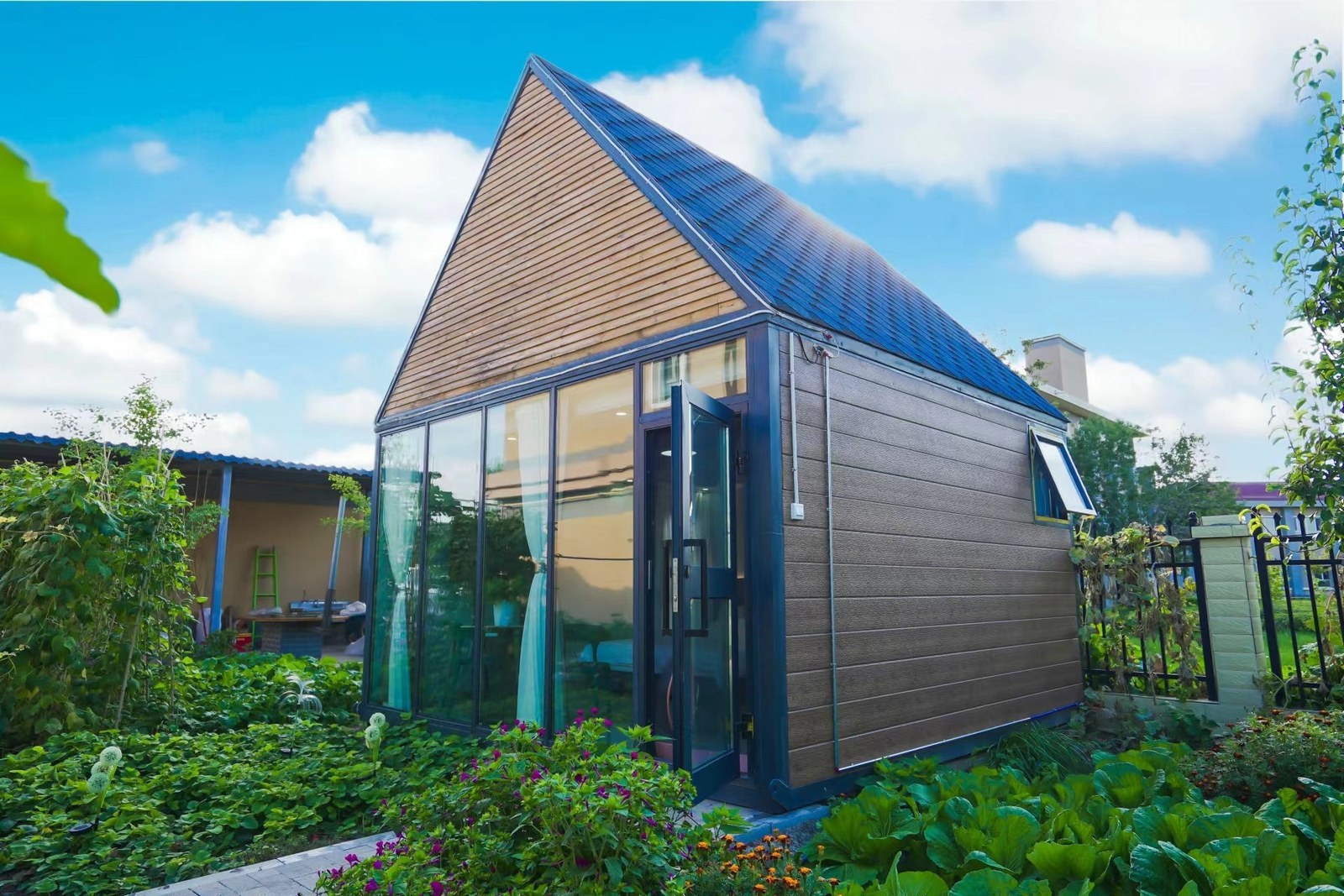
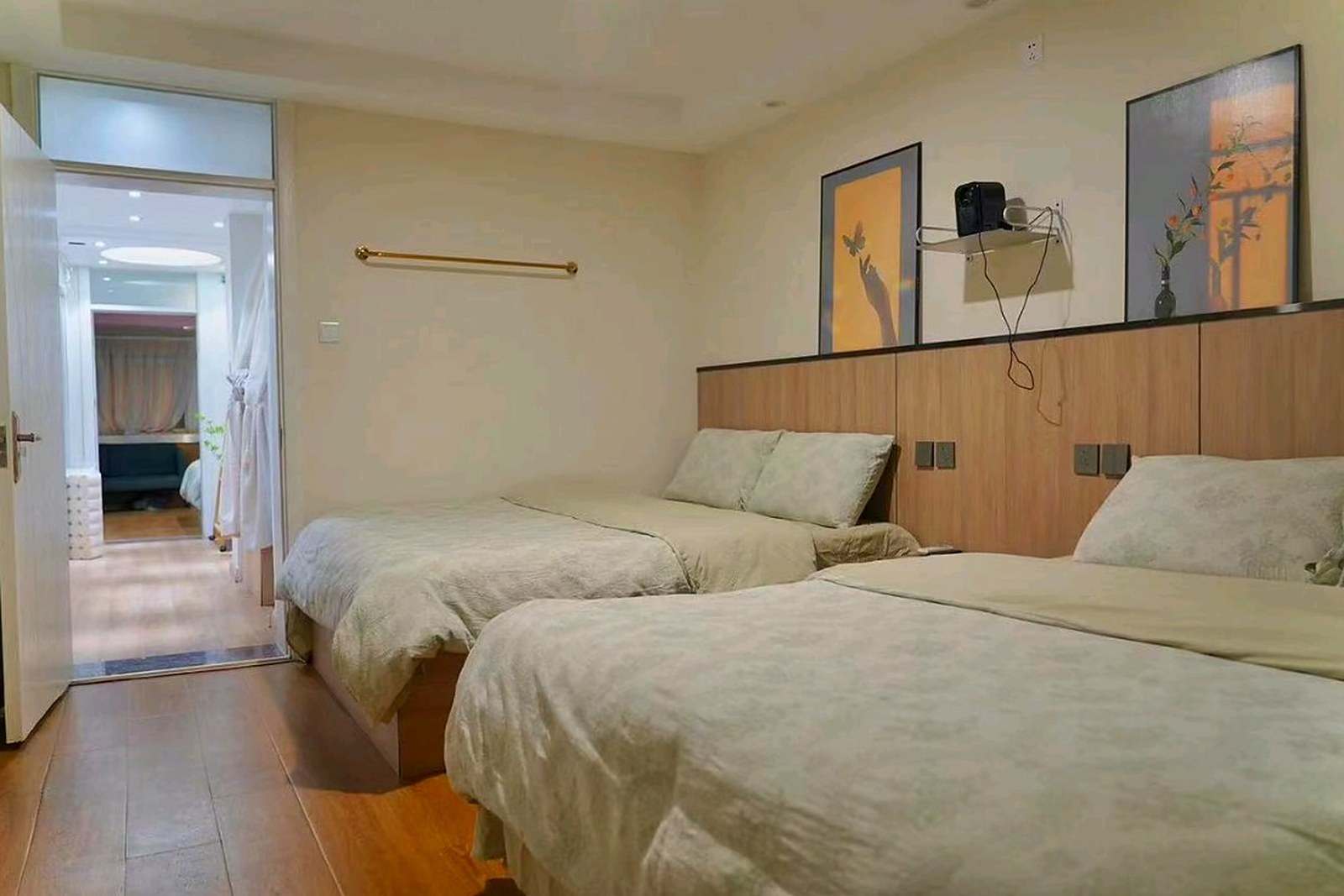
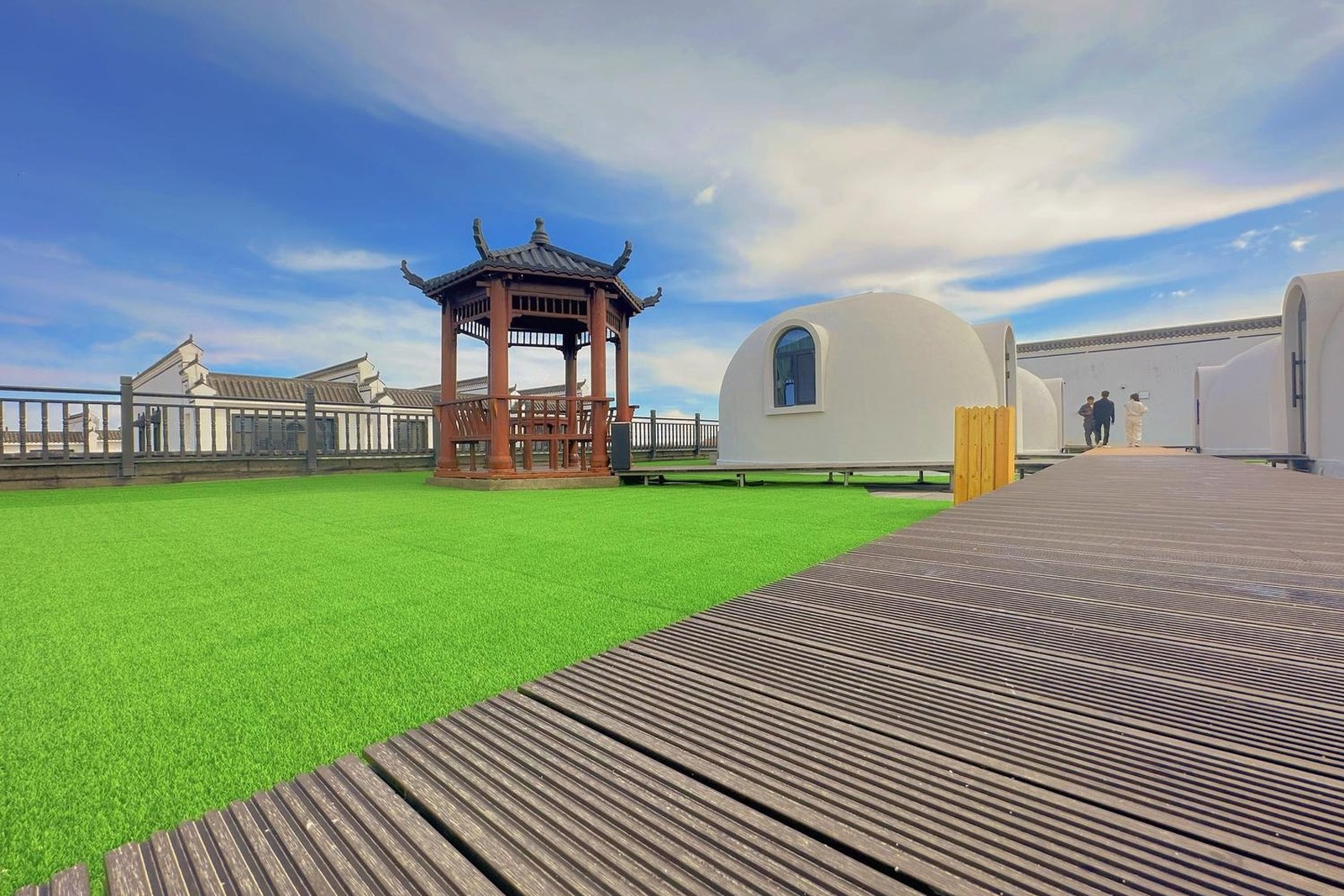
The properties sort by ambition. The strip hotels run clean twin rooms with west-facing windows over the reed line; the guesthouses add garden yards where the owners dry their own chilies and keep bicycles for guests; and at the grassland edge a few bubble domes and glass cabins let the wetland sky do the decorating. What unites them is the morning protocol: guests rise before the sun, walk five minutes to the boardwalk gate, and have the reed bays to themselves for the golden hour the downtown hotels never see.
Rooms here trade luxury for position, and the trade is honest. Expect firm beds, showers with farm-town water pressure, and heating that runs hard from October – the wetland’s open margin makes the strip colder than the city center in every season. The upside compounds at dusk: after the day traffic dies, the reed margin becomes the city’s quietest evening walk, and the strip’s small restaurants serve the farm lanes’ honest food with wetland views instead of parking lots.
Practicalities first: take the wetland-side rooms for the dawn boardwalk start, confirm breakfast hour since the strip is quiet before seven, and carry a windproof layer for the morning gate – the open reed line funnels every breeze the plain has. Book the domes and glass cabins ahead in the gold weeks when the poplar crowd spills east, and expect the strip’s best rooms to be the ones facing the water, not the road.
The stay rewards routine. Birders log the same loop daily – gate at dawn, reed bays first, the open-water mounds by mid-morning – and the strip’s owners have learned the grammar: which guests need a five a.m. kettle, which need a packed breakfast, which need nothing but the door unlocked early. It is small-town service calibrated to a very specific alarm clock.
The Stays
The strip hotels suit birders on a budget; the garden guesthouses add yards, bicycles and owner advice that outperforms any booking site, and the bubble domes put the wetland sky overhead at a price that spikes only in the gold weeks. Doors: the same 胡杨河市 Húyáng hé Shì Huyanghe City keeps downtown rooms for the evening square, farm-town lodging by the Gobi Mother residence, inn rooms at the poplar stands, and courtyard farmstays on the regiment farms – four more doors into the same 胡杨河市 Húyáng hé Shì Huyanghe City. Once the wetland base is set, our Huyanghe food map fills the day.
The Stays
flowcloud would say the wetland-side strip is the city’s dawn annex: rooms that rent by the sunrise, owners who speak fluent binoculars, and a reed line close enough to sound like rain on the roof – the practical side of paradise, priced below downtown. All checked November 2026.
Where to stay: Take the wetland-side rooms for the dawn boardwalk start, confirm breakfast hour since the strip is quiet before seven, and carry binoculars – the blinds are walking distance. All checked November 2026.