
Chongqing is a municipality of southwest China, and 柳荫镇 Liǔyīn Zhèn, Liuying Town, is the one place in 北碚区 Běibèi Qū, Beibei District, where a former village school is now the reason to drive to it. 乡根乡舍 Xiāngēn Xiāngshè, Xianggen Xiangshe, stands in 合兴村 Héxīng Cūn, Hexing Village, at 合兴八社 Héxīng 8 Shè, also written 干庙子 Gānmiàozǐ, built as a courtyard around the footprint of an abandoned primary school and converted by a couple into an all-timber guesthouse. It has fifteen rooms, some accounts say ten-odd, a hall, a bar, a reading room, a tea room and a fireplace conversation bar, and a hundred-year-old well in the yard. It also has a price problem: every figure attached to it was measured in 2021.
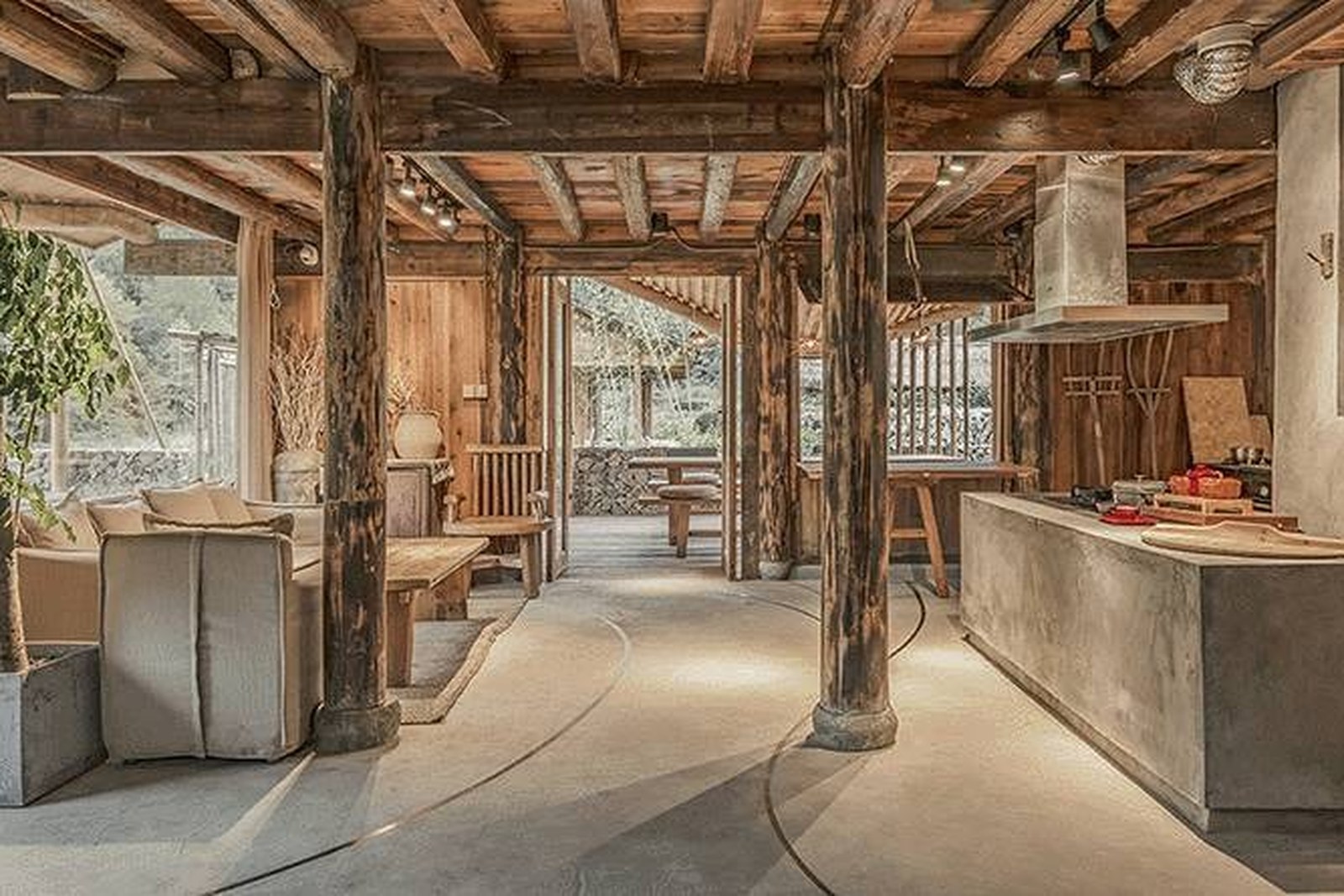
The building is the reason, and the building has a job history. A courtyard compound on a school footprint in a village of this size means one teaching room, one office and a dormitory folded around a yard, and the timber structure is the part that survived: the second-floor rooms are lofts that sleep four, reached by a spiral wooden stair, which is the detail that tells you how much of the original frame is still standing. The yard keeps the well, and it was restored and named 干庙子的泉 Gānmiàozǐ de Quán, the spring of Ganmiaozi, after the hamlet name. The location is stated two ways and both are usable: 12 kilometres from 金刀峡 Jīndāoxiá and 7 kilometres from 偏岩古镇 Piānyán Gǔzhèn, Pianyan Ancient Town, with bayberry, kiwi, blueberry and peach orchards around the village.
The kitchen is the second reason, and it is the part that is easiest to get wrong from a distance. The property serves 汤锅 tāng guō, a whole-pot soup, plus roast whole lamb, roast chicken and rabbit, and cured pork from pigs raised on the place. Every price for that kitchen is 2021 money and is labelled as such: the big soup pot at 388 yuan, ordered dishes at roughly 120 yuan a head, breakfast included with the room, and 28 yuan for an added breakfast. Room rates in the same 2021 reporting run from 300 to 3,000 yuan across weekday, weekend and holiday tiers, a spread so wide that the tier matters more than the property. None of it was re-checked for 2026, and this article will not pretend otherwise: what follows is evidence of what the place is, not a quote you can budget from.
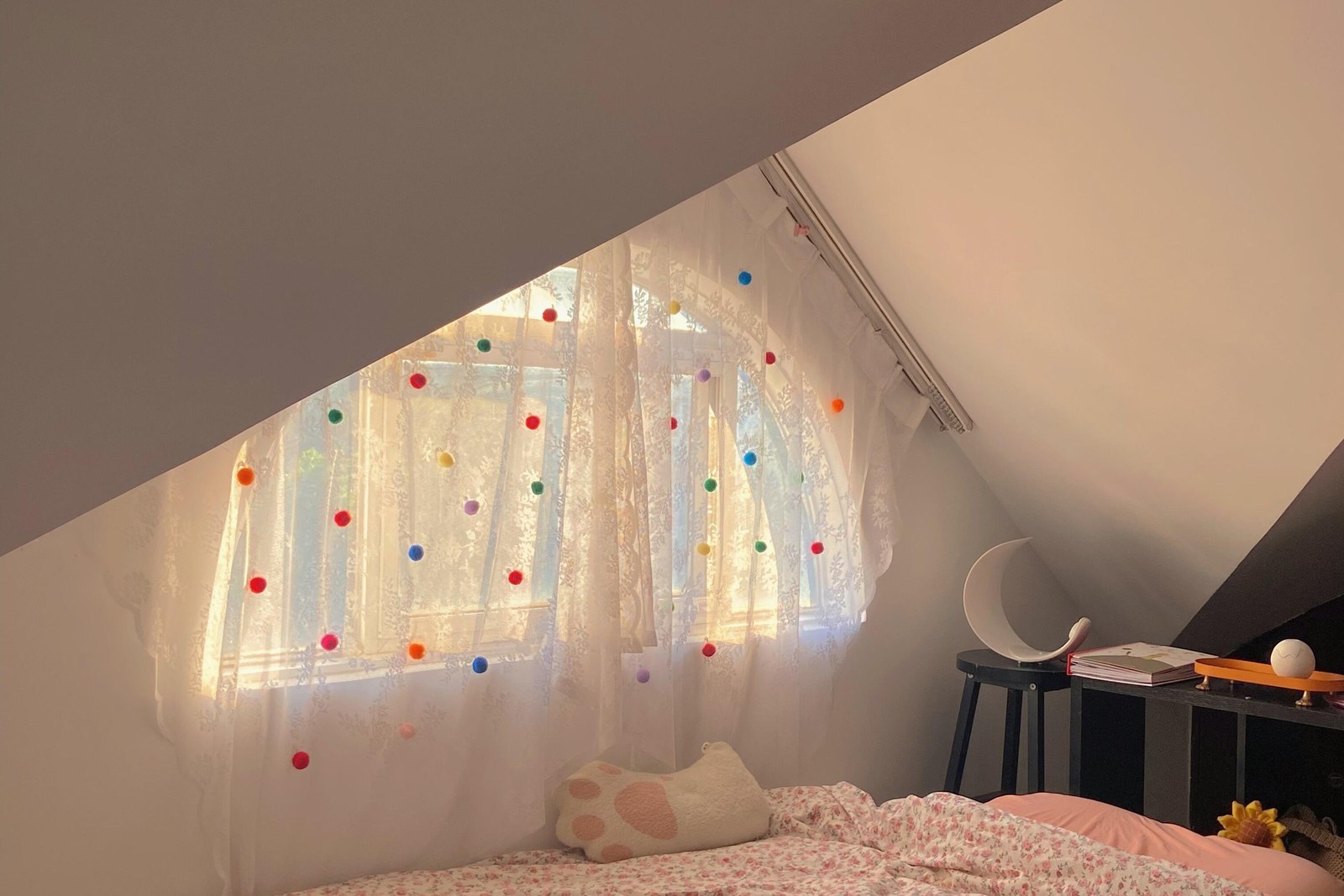
What is current, and the reason to go in the first place, is the district’s own listing. 乡根乡舍 appears on the 北碚区农业农村委员会 Běibèi Qū Nóngyè Nóngcūn Wěiyuánhuì, the district agriculture and rural affairs committee, route published in January 2025, 线路二 Xiànlù èr, the second of three winter rural leisure routes, named 凌寒寻香,西山赏梅, braving the cold for fragrance, plum blossom on the western hills. It is one of four guesthouses that route recommends, the others being 既白民宿 Jìbái Mínsù in 静观镇 Jìngguān Zhèn, 山里人民宿 Shānlǐrén Mínsù and 土先生的院子 Tǔ Xiānshēng de Yuànzi, none of which has a verifiable address, telephone or rate. Liuying itself is no incidental stop: the town has taken more than a million visitors three years running as of 2023, was named a China Beautiful Leisure Village and a first-batch Chongqing rural tourism key town, and has appeared on national television twice.
That asymmetry is the thing to understand before booking anything in this district’s west. The official list is a list of names, and the booking platforms are a list of prices, and for the villages west of the Jialing the two barely overlap. Of the eleven towns Beibei has after the November 2025 redrawing, the ones with verifiable rooms are the ones a bus route or a main road reaches, and the ones without verifiable rooms are mostly the ones that do not. Which is why this article is willing to quote a 2021 soup pot and a 2025 route listing in the same piece, and calls both by their year.
Practicalities
Price. Everything here is 2021, and the year is the point rather than a footnote. Ctrip trip reports from August and December 2021 put rooms at 300 to 3,000 yuan across weekday, weekend and holiday tiers, the whole-pot soup at 388 yuan, ordered dishes at about 120 yuan a head, breakfast free with the room and 28 yuan for an extra portion. None of those figures was confirmed for 2026, and none is printed here as a quote. The one current fact is the listing itself: the property is named on the district’s January 2025 winter route, and that route is the reason to go. Treat the 2021 numbers as the scale of the operation rather than as a tariff.
Address. 重庆市北碚区柳荫镇合兴村(合兴八社 / 干庙子)– Hexing Village, Liuying Town, Beibei District, at group 8, also called Ganmiaozi. Liuying is one of the eleven towns of the district after the November 2025 redrawing, and it was always Beibei; the five towns that changed hands in 2025 were elsewhere. The distances that make the location work are the two given in the research: 12 kilometres to Jindaoxia and 7 to Pianyan Ancient Town. The well in the yard is called 干庙子的泉 after the hamlet.
Rooms. Fifteen rooms, though some accounts say ten-odd, which is the kind of disagreement a restored building produces. What is consistent is the layout. The whole structure is timber, so the second-floor rooms are lofts rather than ordinary bedrooms and are built to sleep four; they are reached by a spiral wooden stair, and whether that stair is a feature or an inconvenience depends entirely on the luggage. Shared spaces are a hall, a bar, a reading room, a tea room and a fireplace conversation bar, which is a winter route’s worth of indoor programming for a town whose draw is the cold. Ask two things in writing: whether the room is a loft or a normal floor, and how many stairs are between the door and a taxi.
Getting there. Liuying is a road town on the northwest side of the district, roughly halfway between the Jialing valley and the western hills, and it is reached by bus and car rather than by metro. The nearest rail and metro nodes are in the district seat and in the Jialing valley, well away from the village, so the last leg is local. Orchards and plum blossom plantings surround the village, which means winter arrivals are on dark unlit lanes after sunset. Driving is the practical choice; a car also solves the two other stops on the same day, because Jindaoxia and Pianyan are both close by and neither is walkable from a car park.
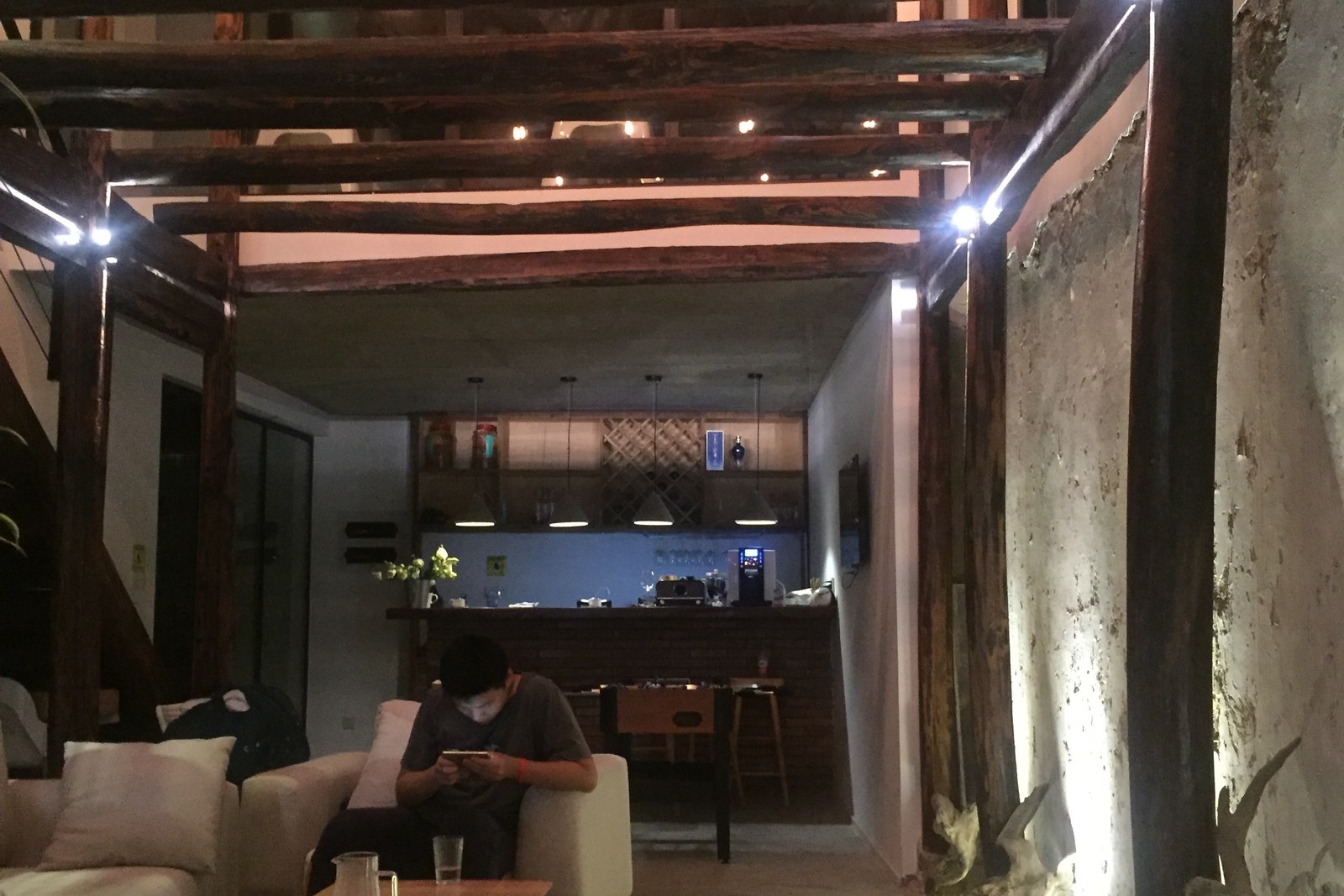
A day at a converted school runs on the seasons rather than the clock, and in winter that means it runs on darkness. Morning is the courtyard before the light comes off the hills, when the well is the only thing to look at and the lane is cold. Late morning is the fruit orchards around Hexing Village, which are a summer and autumn proposition – bayberry, kiwi, blueberry, peach – and in winter the plum blossom at 合兴村’s thousand-mu plum garden instead. Midday is the soup pot, which is the meal the kitchen was built for and the reason the trip report of 2021 is worth having read. Afternoon is the walk to 偏岩古镇 Piānyán Gǔzhèn, seven kilometres, an old town that is itself worth an afternoon and a night of its own. Evening is the fireplace bar, the tea room and the loft, with the stair and the cold going on together. Then the room, which in a schoolhouse is a room in a schoolhouse, beams and all.
flowcloud would say that Xianggen Xiangshe is the only address in Beibei whose price you cannot quote and whose listing you can, and that the correct way to approach it is to treat every 2021 figure as a memory of what the place was and the January 2025 district route as the reason it still is, then book the loft and accept the stair.
Where to stay: the loft rooms if you are four people or two people with luggage, because the spiral stair is the whole building’s personality and it should be your problem rather than a reviewer’s; a ground-floor room if stairs are not a feature you want. And go in with the food numbers labelled 2021 in your head, because the district route is what is current and the soup pot price is not – the kitchen is the reason to eat there, whatever the rate turns out to be this year.